
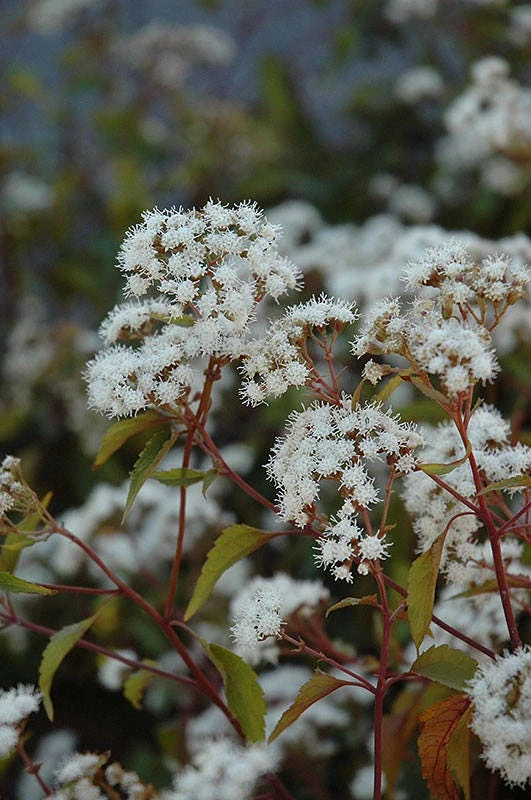
Chocolate Joe Pye Weed Seeds – Ageratina altissima – 1000 Seeds
Original price was: 48.91 $.19.91 $Current price is: 19.91 $.
Cultivate stunning chocolate joe pye weed seeds (Ageratina altissima) with this generous pack of 1000 seeds. Known for its unique dark foliage and delicate white flowers, this plant is a vital nectar source for various butterflies and a host plant for several moth species. Perfect for garden enthusiasts looking to attract pollinators and add visual interest.
Estimated arrival
Nov 26
Dec 01 - Dec 03
Dec 03 - Dec 08
See our Shipping Policy.
Get in touch with us via email, and our team will review your concerns.
Our Alive & Thrive Guarantee covers issues with your plants within the first 30 days. Read our Refund & Returns Policy.
-
USDA Hardiness Zone
5-8 -
Soil Type
Rich, well-draining soil -
Sunlight Exposure
Full sun to partial shade -
Expected Planting Period
Spring to early summer
Overview
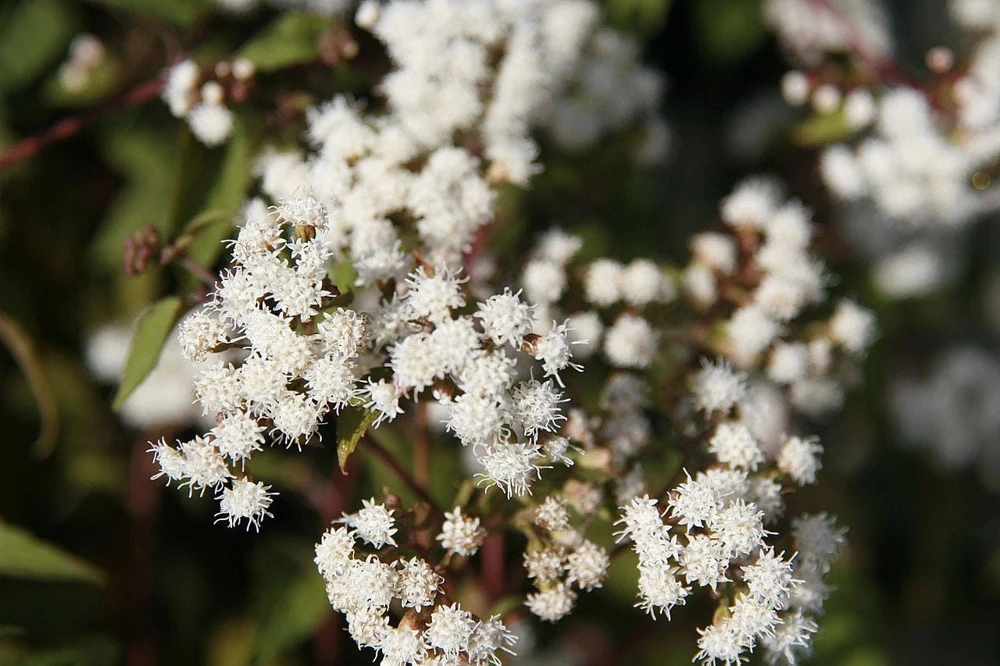
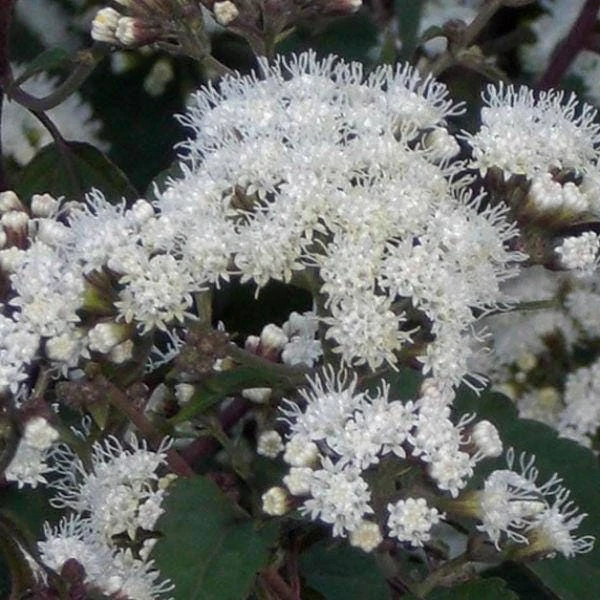
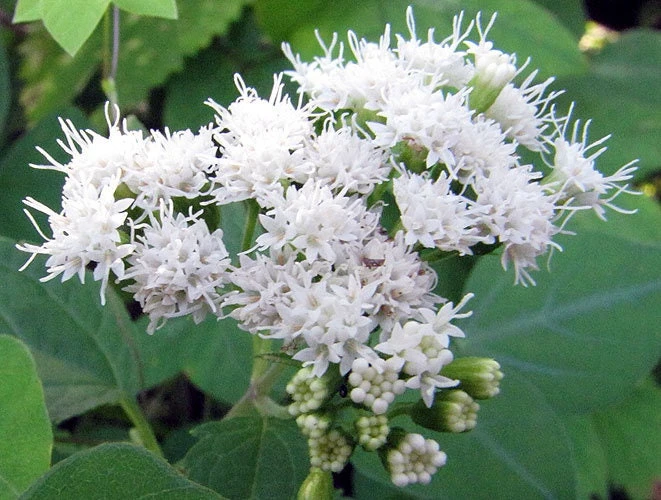
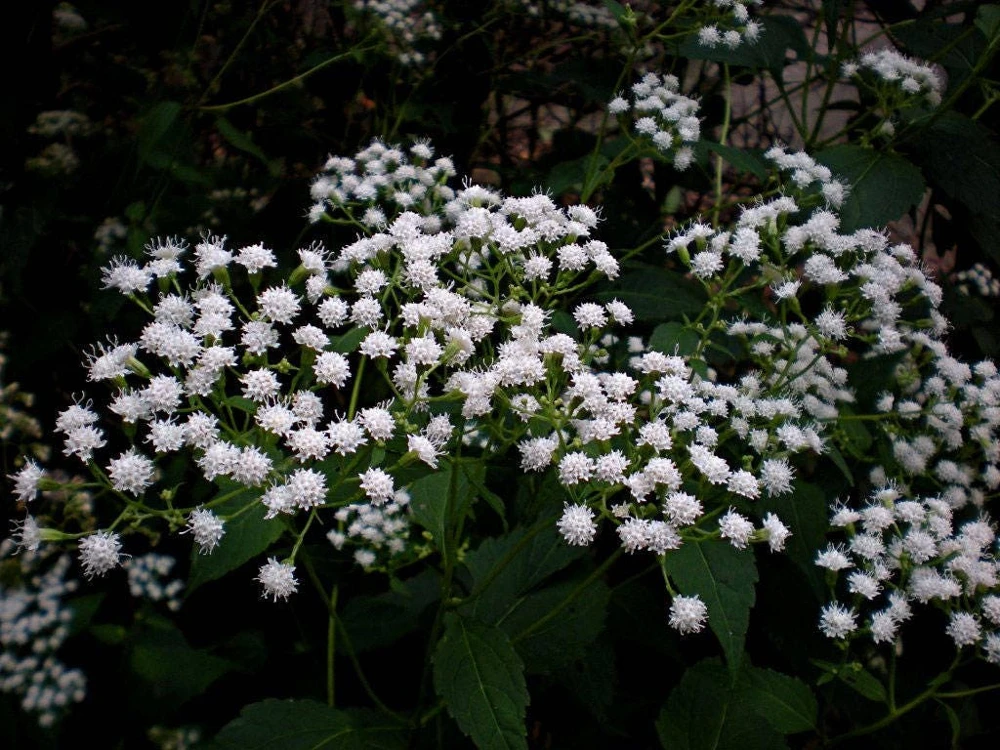
Discover the unique beauty and ecological benefits of chocolate joe pye weed seeds (Ageratina altissima). This offering includes a generous pack of 1000 seeds, allowing you to cultivate a significant patch of this fascinating perennial. Also known by common names such as white snakeroot, richweed, white sanicle, and tall boneset, Ageratina altissima is celebrated for its distinctive dark, purplish-bronze foliage which provides a striking contrast in any garden setting. Beyond its ornamental appeal, this plant is a powerhouse for local ecosystems, serving as an important nectar source for a variety of butterflies, including the Eastern Tiger Swallowtail, Gold-bordered Hairstreak, Antillean Daggerwing, Giant White, and Florida White butterflies. Furthermore, it acts as a larval host plant for several moth species, such as the Eupatorium Borer, Agonopterix eupatoriiella, Agonopterix atrodorsella, and Clymene Moths, making it an excellent choice for supporting biodiversity. Growing ageratina altissima seeds is a rewarding experience for any gardener looking to create a vibrant, wildlife-friendly landscape.
Key Benefits
Planting chocolate joe pye weed seeds offers a multitude of advantages for both your garden and the environment. These seeds germinate into robust plants that provide continuous interest throughout the growing season, from their emerging dark foliage to their late-season blooms. Here are some key benefits:
- Stunning Visual Appeal: The deep purplish-bronze foliage of Chocolate Joe Pye Weed creates a dramatic statement in garden beds, providing excellent contrast to greener plants and vibrant flowers. Its unique color palette adds sophisticated depth to any landscape design.
- Pollinator Magnet: As a significant nectar source, these plants are highly attractive to a wide array of butterflies, including several prominent species. By planting chocolate joe pye weed seeds, you directly contribute to the health and sustainability of local pollinator populations.
- Moth Host Plant: Beyond butterflies, Ageratina altissima is a crucial larval host for specific moth species. This supports the entire life cycle of these insects, which are vital components of a healthy ecosystem.
- Low Maintenance Perennial: Once established, Chocolate Joe Pye Weed is relatively easy to care for, requiring minimal intervention to thrive. It’s a reliable choice for gardeners seeking impactful plants without extensive upkeep.
- Adaptable to Various Conditions: This plant is well-suited for USDA Hardiness Zones 5 to 8, demonstrating good resilience to a range of climates. It can adapt to different light conditions, making it versatile for various garden spots.
- Late Season Interest: Unlike many garden plants that fade by late summer, Chocolate Joe Pye Weed provides visual interest and continues to attract pollinators well into the fall, extending the gardening season.
- Deer Resistant: Generally, deer tend to avoid Ageratina altissima, making it a good option for gardens in areas where deer browse is a concern.
Plant Care & Growing Tips
Successfully growing chocolate joe pye weed seeds begins with proper planting and ongoing care. These seeds are best started indoors 6-8 weeks before the last frost or directly sown outdoors after the danger of frost has passed. For indoor sowing, lightly cover the tiny seeds with a thin layer of soil and keep moist. Germination can be erratic, so patience is key. Once seedlings are strong enough, transplant them to their final outdoor location.
Sunlight requirements for Ageratina altissima range from full sun to partial shade. In hotter climates, some afternoon shade can prevent leaf scorch and help the foliage maintain its rich chocolate color. For white snakeroot seeds to thrive, ensure they receive at least 4-6 hours of direct sunlight daily. When it comes to watering schedule and soil moisture preferences, Chocolate Joe Pye Weed prefers consistently moist, but not waterlogged, soil. It can tolerate some drought once established, but regular watering during dry spells will promote healthier growth and better flowering. The ideal soil type and drainage requirements include rich, well-draining soil with a slightly acidic to neutral pH. Amending heavy clay soils with compost will improve drainage and fertility. This plant is hardy in USDA Hardiness Zones 5 to 8, meaning it can withstand winter temperatures down to -20°F (-28.9°C).
Fertilization schedule and type for established plants typically involves a balanced, slow-release granular fertilizer in early spring. Avoid over-fertilizing, as this can lead to leggy growth. Common problems and solutions include powdery mildew in humid conditions or overly crowded plantings; ensure good air circulation to mitigate this. Slugs and snails can sometimes be an issue for young seedlings, so monitor and apply organic pest control if necessary. Learning how to grow joe pye weed effectively will ensure a vibrant display and a haven for pollinators.
Size & Details
This product includes 1000 seeds of Ageratina altissima, commonly known as Chocolate Joe Pye Weed. When mature, these herbaceous perennials typically grow to a height of 3 to 5 feet (90-150 cm) with a spread of 2 to 3 feet (60-90 cm), forming an upright, bushy clump. The dark, purplish-bronze foliage is a standout feature, and in late summer to early fall, the plants are topped with clusters of delicate white flowers. The seeds are shipped in a protective packet, ensuring their viability upon arrival. Expect germination to occur within 2-4 weeks under optimal conditions, though it can sometimes take longer. Plants typically reach flowering size in their second year when grown from pollinator plant seeds. These plants are a wonderful addition to perennial borders, woodland gardens, or naturalized areas, providing a crucial food source for various insects during a time when many other plants have finished blooming.
Frequently Asked Questions
- Q: How big does Chocolate Joe Pye Weed get? A: Chocolate Joe Pye Weed typically grows to a height of 3 to 5 feet (90-150 cm) with a spread of 2 to 3 feet (60-90 cm) at maturity, forming an upright, bushy plant.
- Q: Is this an indoor or outdoor plant? A: Ageratina altissima, or Chocolate Joe Pye Weed, is primarily an outdoor plant, thriving in garden beds and naturalized areas. It is not typically grown as an indoor houseplant.
- Q: How much sunlight does Chocolate Joe Pye Weed need? A: This plant prefers full sun to partial shade, ideally receiving at least 4-6 hours of direct sunlight per day. In very hot climates, some afternoon shade can be beneficial.
- Q: Is this plant easy to care for? A: Yes, once established, Chocolate Joe Pye Weed is relatively low-maintenance. It’s a hardy perennial that tolerates a range of conditions, making it suitable for gardeners of varying experience levels.
- Q: What condition will the seeds arrive in? A: The chocolate joe pye weed seeds will arrive in a sealed packet, carefully packaged to ensure their quality and viability for planting.
- Q: How long until it blooms? A: When grown from seed, Chocolate Joe Pye Weed typically begins to bloom in its second year of growth. It flowers in late summer to early fall.
- Q: Will it survive winter in my zone? A: Yes, this plant is hardy in USDA Hardiness Zones 5 to 8, meaning it can successfully overwinter in these regions and return each spring.
- Q: Are these seeds suitable for attracting butterflies? A: Absolutely! These ageratina altissima seeds will grow into plants that are excellent nectar sources for various butterflies, including swallowtails and hairstreaks, making them ideal for butterfly gardens.
- Q: What are the other common names for this plant? A: Besides Chocolate Joe Pye Weed, it is also known as white snakeroot, richweed, white sanicle, and tall boneset.
- Q: What kind of soil does Chocolate Joe Pye Weed prefer? A: It thrives in rich, well-draining soil with consistent moisture. Amending the soil with organic matter like compost can greatly improve its growth.
Be the first to review “Chocolate Joe Pye Weed Seeds – Ageratina altissima – 1000 Seeds”
Related products


You May Like

How to Grow Passion Flower (Passiflora) for Tropical Blooms
Few climbing vines in the home garden command attention quite like the exotic Passion Flower (Passiflora). [...]
Nov

Thanksgiving Cactus Care: How to Get Thanksgiving Cactus to Bloom
Is your Thanksgiving cactus growing well but not giving you any flowers? Maybe it looked [...]
Nov

How to Grow Garlic for a Bountiful Home Harvest
Garlic (Allium sativum) is one of the most satisfying, low-maintenance, and flavor-packed crops you can [...]
Oct

Hardneck vs. Softneck Garlic: Which Should You Grow?
Have you ever stood in front of a seed catalog in mid-September, staring at dozens [...]
1 Comment
Oct

When to Plant Music Garlic: Ultimate US Fall Guide
Have you ever spent your fall weekend placing carefully chosen garlic cloves into rich, dark [...]
1 Comment
Oct

5 Best Bulbs for Fall Planting: Brighten Your Garden This Spring
Are you dreaming of a garden full of vibrant colors in the spring? The key [...]
Aug

10 Houseplants That Will Thrive in Your Kitchen
Are you tired of your kitchen feeling dull and lifeless? Want to add a little [...]
1 Comment
Aug
Reviews
There are no reviews yet.