
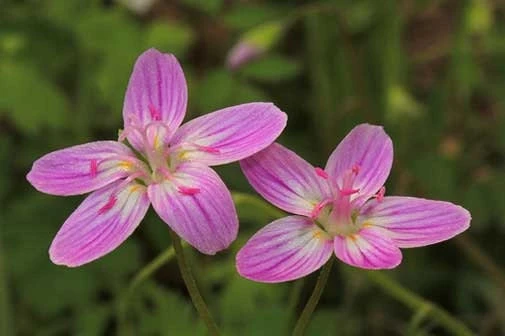
Claytonia Virginica Seeds – Spring Beauty Fairy Spud – 10 Seeds – Edible Native Plant
Original price was: 40.91 $.11.91 $Current price is: 11.91 $.
Discover the charm of Claytonia virginica seeds, also known as Spring Beauty seeds or Fairy Spud. These delightful native perennial seeds yield edible roots and leaves, perfect for adding a unique, flavorful touch to your garden and kitchen. Attracts beneficial pollinators.
Estimated arrival
Nov 28
Dec 03 - Dec 05
Dec 05 - Dec 10
See our Shipping Policy.
Get in touch with us via email, and our team will review your concerns.
Our Alive & Thrive Guarantee covers issues with your plants within the first 30 days. Read our Refund & Returns Policy.
-
USDA Hardiness Zone
USDA Hardiness Zones 4 to 8 -
Soil Type
Moist, well-draining soil rich in organic matter -
Sunlight Exposure
Partial shade to full sun -
Expected Planting Period
Fall or early spring
Overview
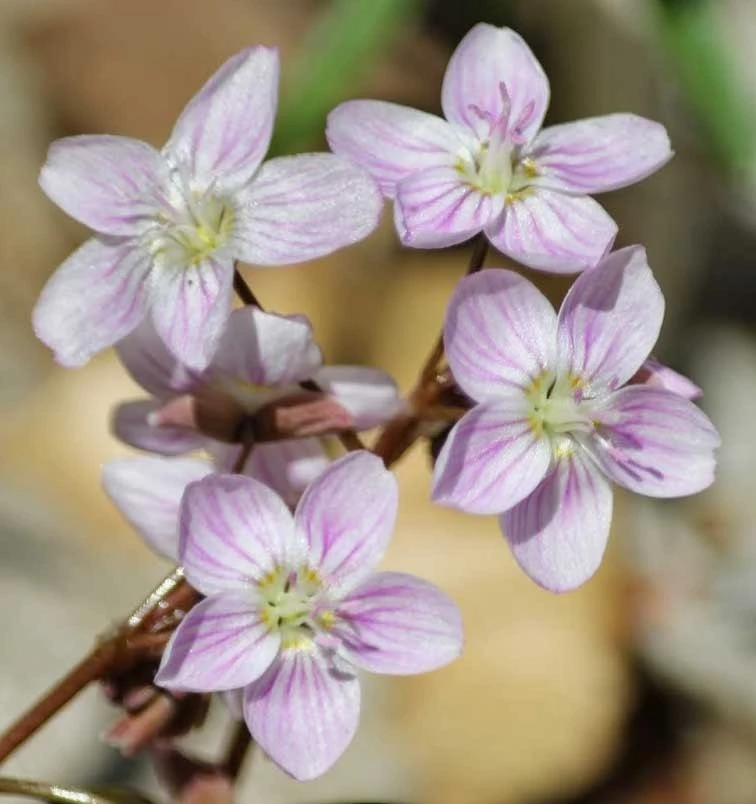
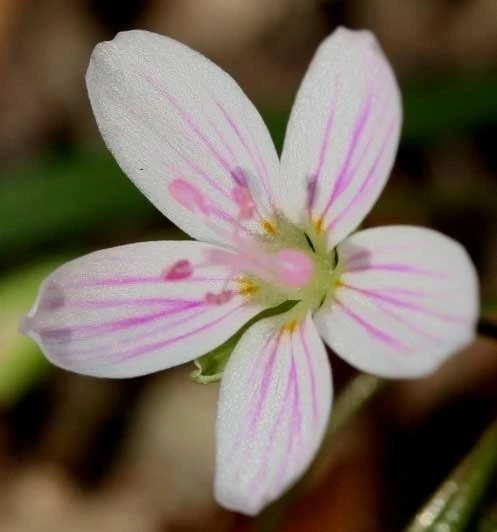
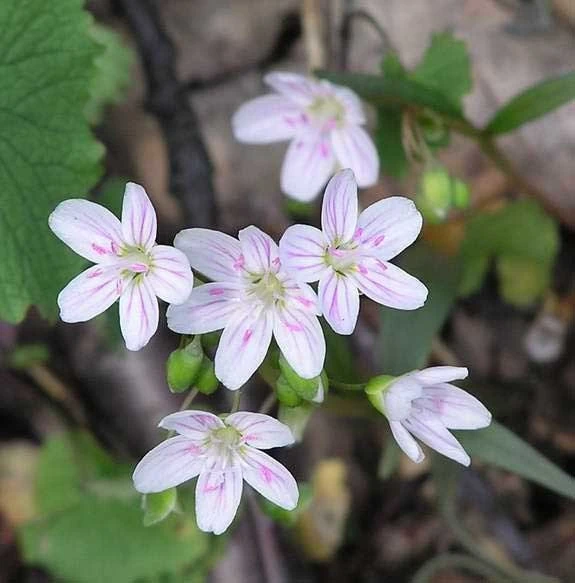
Cultivate a piece of North American heritage with our premium Claytonia virginica seeds. Commonly known as Eastern Spring Beauty, Fairy Spud, Good Morning Spring, Hammonds Claytonia, and Virginia Springbeauty, this charming perennial is more than just a beautiful wildflower. It’s a versatile plant with edible qualities that have been appreciated for centuries by Native Americans and early Colonialists. These seeds offer the opportunity to grow a resilient and beneficial addition to your garden, providing both ornamental appeal and a unique food source. The delicate white to pinkish flowers with fine pink stripes emerge in early spring, creating a lovely display, while the plant’s corms, leaves, and flowering stems are all edible.
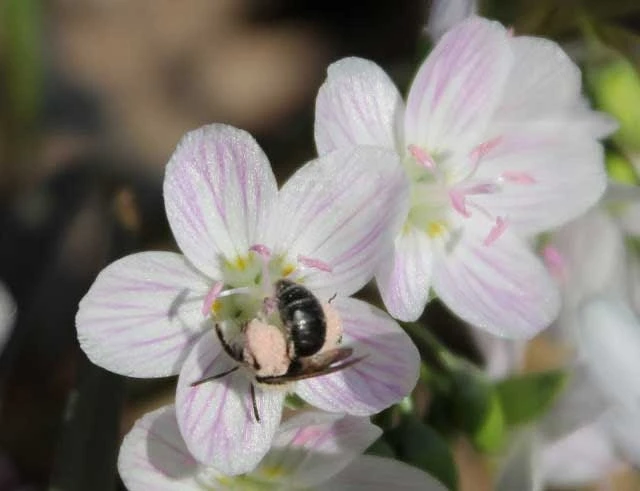
Growing Claytonia virginica seeds is a rewarding experience for any gardener, whether you’re a seasoned enthusiast or just starting out. This plant is known for its hardiness and adaptability, thriving in a range of conditions. Beyond its culinary uses, Spring Beauty also plays a vital role in local ecosystems. It serves as an important early nectar source for pollinators, including bees and the West Virginia White butterfly, making it an excellent choice for supporting biodiversity in your garden. Our 10-seed pack provides a great start to establishing this wonderful native perennial in your landscape.
Key Benefits
Embrace the multifaceted advantages of cultivating Claytonia virginica seeds in your garden. This plant offers a unique combination of aesthetic beauty, ecological benefits, and culinary versatility, making it a truly exceptional choice:
- Edible Delicacy: Enjoy the plant’s corms, leaves, and flowering stems. The corms can be eaten raw, offering a radish-like flavor, or cooked to develop a nutty, potato-like taste. Leaves and stems are great in salads or cooked as greens. This makes Claytonia virginica seeds a fantastic option for edible landscaping.
- Early Spring Blooms: Be among the first to welcome spring with the delicate and charming white to pinkish flowers that emerge early in the season, adding subtle beauty to your landscape.
- Pollinator Magnet: Attract essential pollinators such as bees and predatory insects to your garden. Spring Beauty seeds provide a crucial early nectar source, supporting local wildlife and contributing to a healthy garden ecosystem.
- Native & Hardy: As a native North American plant, it is well-adapted to local climates and requires minimal care once established. It thrives in USDA Hardiness Zones 4 to 8, ensuring robust growth in many regions.
- Low Maintenance: Once established, this plant is relatively low maintenance, making it suitable for gardeners seeking beautiful and productive plants without extensive effort.
- Erosion Control: Its spreading habit can help stabilize soil, making it useful in naturalized areas or on gentle slopes.
- Unique Garden Addition: Offer something truly distinctive to your garden that combines historical significance with modern appeal.
Plant Care & Growing Tips
Successful cultivation of Claytonia virginica seeds begins with understanding their specific needs. These hardy native plants are relatively easy to grow once established, making them a great choice for various garden settings. For optimal growth, aim for a location that receives partial shade to full sun, especially in cooler climates. In warmer regions, some afternoon shade will help protect the delicate foliage from intense heat. They prefer moist, well-draining soil rich in organic matter. Amending your soil with compost before planting will provide the nutrients necessary for healthy development.
Planting your fairy spud seeds should ideally occur in the fall or very early spring. Sow the seeds directly into prepared soil, lightly covering them with a thin layer of soil. Keep the soil consistently moist until germination occurs. Once established, Claytonia virginica is fairly drought-tolerant but will benefit from regular watering during dry spells, especially when the plants are actively growing and flowering in spring. These plants are known to naturalize and spread over time, creating charming colonies. While generally pest-resistant, keep an eye out for common garden pests and address them with organic solutions if necessary. No extensive fertilization is typically needed, especially if planted in rich soil, but a light application of balanced organic fertilizer in early spring can encourage vigorous growth. Understanding growing Claytonia virginica conditions is key to a thriving patch.
Winter care for edible native plants like Spring Beauty is minimal within its hardiness zones. The plants are perennial and will die back to the ground in summer after flowering, re-emerging the following spring. A layer of mulch in late fall can help insulate the soil and protect the corms, especially in the colder parts of its range. Avoid disturbing the soil too much in late summer and fall to allow the corms to rest and prepare for the next growing season. These plants are an excellent choice for woodland gardens, naturalized areas, or even in containers where their early spring beauty and edible qualities can be appreciated.
Size & Details
This offering includes 10 Claytonia virginica seeds, providing a good starting quantity for establishing a patch of this delightful native perennial. Once mature, Claytonia virginica plants typically grow to a height of 6 to 12 inches (15-30 cm), forming small, elegant clumps. The spread can vary as the plants naturalize, creating a beautiful ground cover over time. These seeds will develop into mature plants that produce delicate white to pinkish flowers in early spring, usually from March to May, depending on your specific climate and planting time. The corms, which are the edible part of the root system, develop underground and can be harvested once the plant has established itself, typically after the first growing season. The leaves and stems are best harvested when young and tender in spring.
The seeds are shipped as a dry seed packet, ensuring their viability upon arrival. With proper care and suitable growing conditions, you can expect germination to occur within a few weeks to a few months, sometimes requiring a period of cold stratification for optimal results. The plants are perennial, meaning they will return year after year, providing continuous enjoyment and harvests. This seed pack is an ideal way to introduce these unique and beneficial edible native plants to your garden, contributing to both its beauty and biodiversity.
Frequently Asked Questions
- Q: How big does this plant get? A: Claytonia virginica typically grows to a height of 6 to 12 inches (15-30 cm) tall. It forms small clumps and can spread over time to create a lovely ground cover.
- Q: Is this an indoor or outdoor plant? A: This is primarily an outdoor plant, native to North America. It thrives in garden settings, woodlands, and naturalized areas within its USDA hardiness zones.
- Q: How much sunlight does it need? A: Claytonia virginica prefers partial shade to full sun. In hotter climates, some afternoon shade is beneficial to protect the foliage.
- Q: Is this plant easy to care for? A: Yes, once established, Spring Beauty is considered relatively easy to care for. It’s a hardy native plant that requires minimal maintenance. It’s an excellent choice for those interested in growing Claytonia virginica.
- Q: What condition will the seeds arrive in? A: The product consists of 10 Claytonia virginica seeds, which will arrive in a dry seed packet, ensuring their quality and readiness for planting.
- Q: Can I eat the entire plant? A: The corms (roots), leaves, and flowering stems of Claytonia virginica are edible. The corms have a radish-like flavor raw and a nutty, potato-like flavor when cooked.
- Q: How long until it blooms? A: Once planted, the seeds will germinate and establish. Blooms typically appear in early spring of the following year, as it is a perennial plant.
- Q: Will it survive winter in my zone? A: Yes, Claytonia virginica is hardy in USDA Zones 4 to 8, meaning it will survive winter and return each spring in these regions.
- Q: What is the best time to plant these fairy spud seeds? A: The best time to plant Claytonia virginica seeds is in the fall or very early spring. This allows for natural cold stratification which aids germination.
- Q: Does this plant attract pollinators? A: Absolutely! Spring Beauty seeds grow into plants that are a documented early nectar source for bees and various butterflies, including the West Virginia White butterfly.
Be the first to review “Claytonia Virginica Seeds – Spring Beauty Fairy Spud – 10 Seeds – Edible Native Plant”
Related products


You May Like

How to Grow Passion Flower (Passiflora) for Tropical Blooms
Few climbing vines in the home garden command attention quite like the exotic Passion Flower (Passiflora). [...]
Nov

Thanksgiving Cactus Care: How to Get Thanksgiving Cactus to Bloom
Is your Thanksgiving cactus growing well but not giving you any flowers? Maybe it looked [...]
Nov

How to Grow Garlic for a Bountiful Home Harvest
Garlic (Allium sativum) is one of the most satisfying, low-maintenance, and flavor-packed crops you can [...]
Oct

Hardneck vs. Softneck Garlic: Which Should You Grow?
Have you ever stood in front of a seed catalog in mid-September, staring at dozens [...]
1 Comment
Oct

When to Plant Music Garlic: Ultimate US Fall Guide
Have you ever spent your fall weekend placing carefully chosen garlic cloves into rich, dark [...]
1 Comment
Oct

5 Best Bulbs for Fall Planting: Brighten Your Garden This Spring
Are you dreaming of a garden full of vibrant colors in the spring? The key [...]
Aug

10 Houseplants That Will Thrive in Your Kitchen
Are you tired of your kitchen feeling dull and lifeless? Want to add a little [...]
1 Comment
Aug
Reviews
There are no reviews yet.