
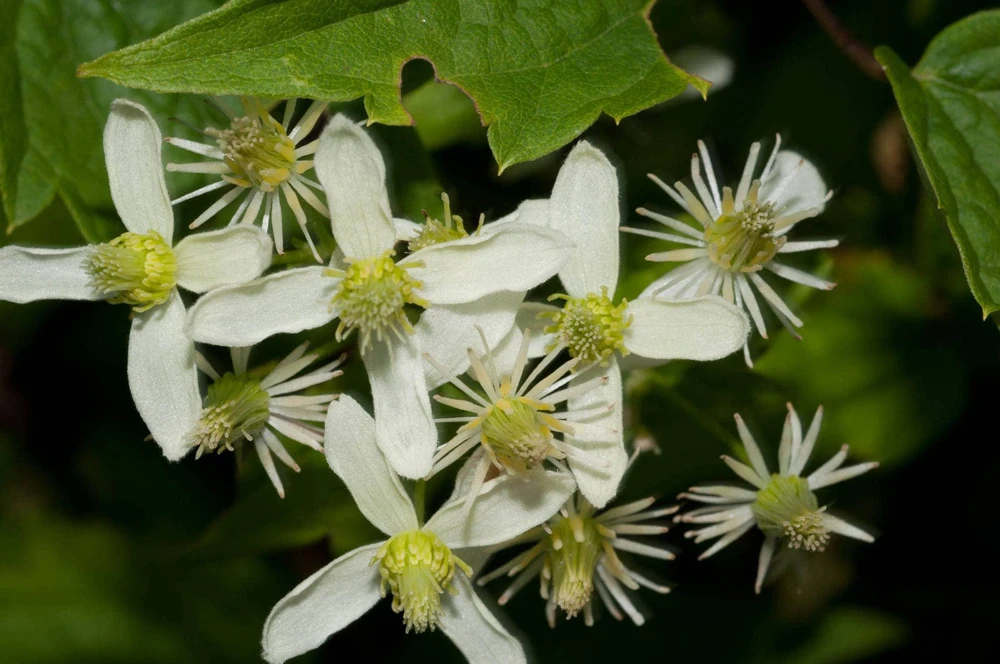
Clematis virginiana Seeds – Virgins Bower, Devil’s Darning Needles, 50 Seeds, Fragrant White Flowers
Original price was: 48.91 $.19.91 $Current price is: 19.91 $.
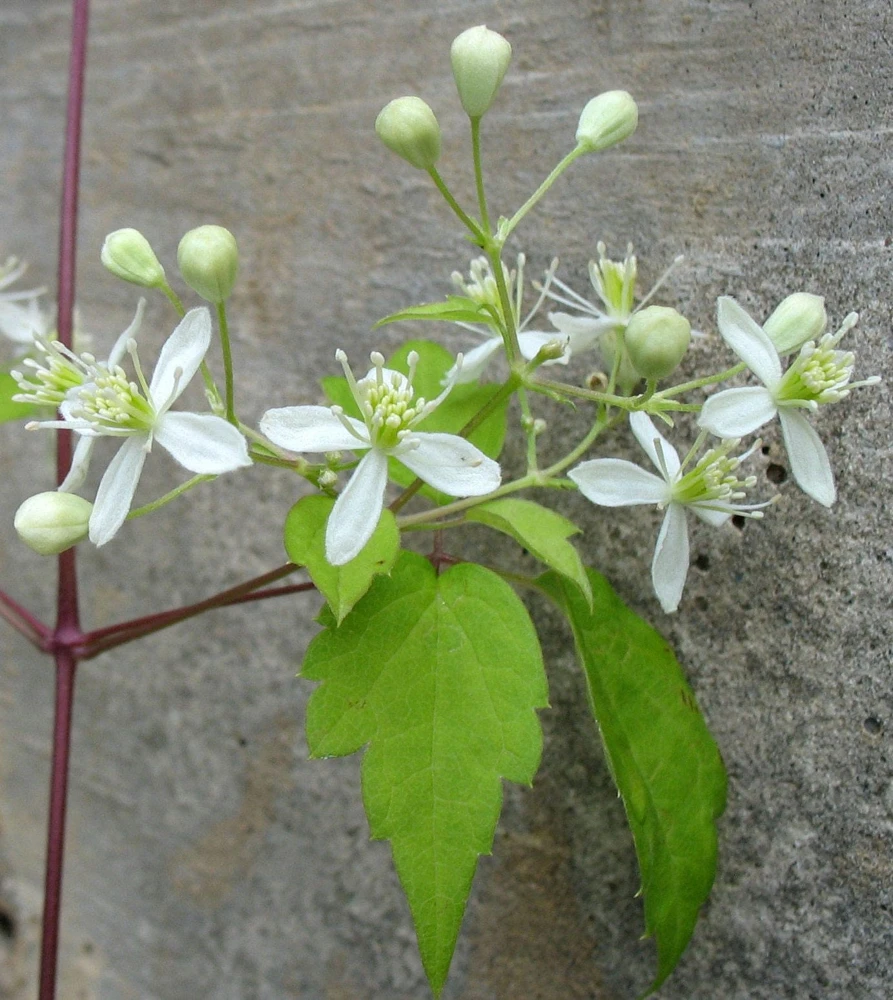
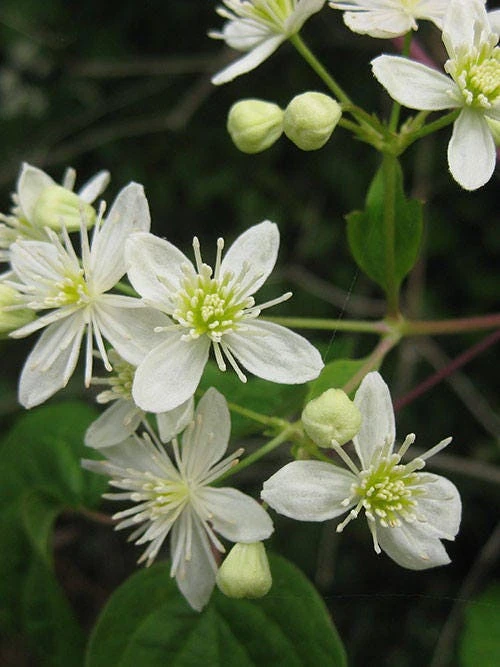
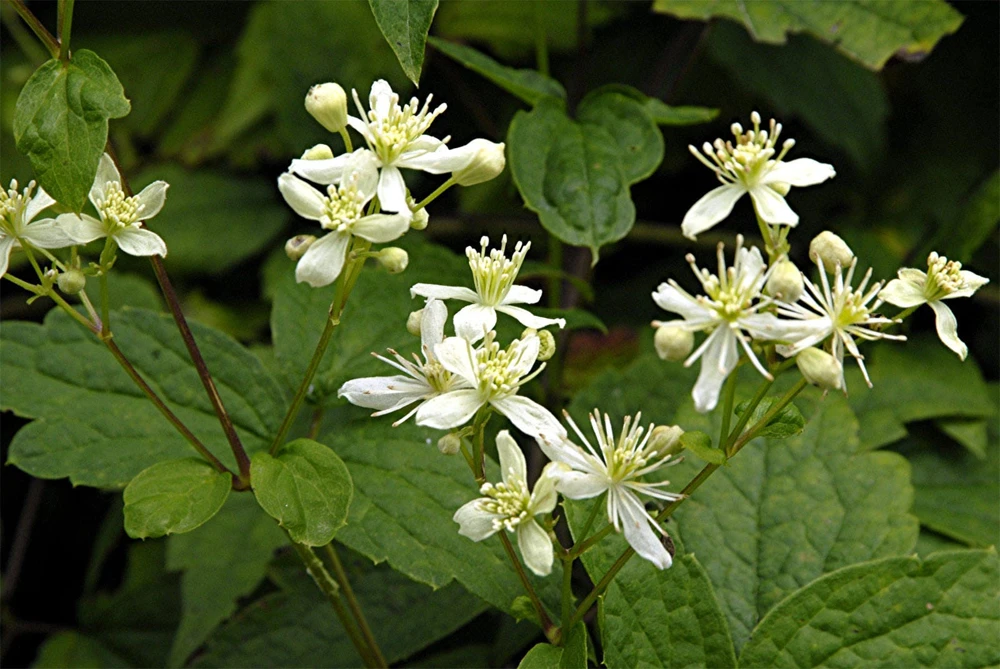
Cultivate the beautiful and fragrant clematis virginiana seeds, also known as virgins bower seeds or Devil’s Darning Needles. These 50 seeds will grow into vigorous vines with abundant white flowers, perfect for attracting bees and butterflies. Ideal for USDA Zones 4b-8, this native clematis thrives in full sun to partial shade.
Estimated arrival
Nov 26
Dec 01 - Dec 03
Dec 03 - Dec 08
See our Shipping Policy.
Get in touch with us via email, and our team will review your concerns.
Our Alive & Thrive Guarantee covers issues with your plants within the first 30 days. Read our Refund & Returns Policy.
-
USDA Hardiness Zone
4b to 8 -
Soil Type
Well-draining, rich loamy soil -
Sunlight Exposure
Full sun to partial shade -
Expected Planting Period
Spring to early summer
Overview
Embark on a rewarding gardening journey with our premium selection of clematis virginiana seeds. Also widely known as Virgin’s Bower, Devil’s Darning Needles, devil’s hair, love vine, traveler’s joy, wild hops, and woodbine, this vigorous native vine is a true gem for any garden. Each packet contains 50 high-quality seeds, ready to be sown and transformed into a stunning display of fragrant white flowers. Clematis virginiana seeds offer an excellent opportunity to introduce a low-maintenance, high-impact plant into your landscape. This deciduous climber is celebrated for its rapid growth and profuse late-summer to fall blooms, creating a breathtaking cascade of delicate blossoms that release a captivating aroma, enriching your outdoor space with both visual appeal and a delightful scent. This product is for seeds, not a live plant, giving you the satisfaction of growing it from its very beginning.
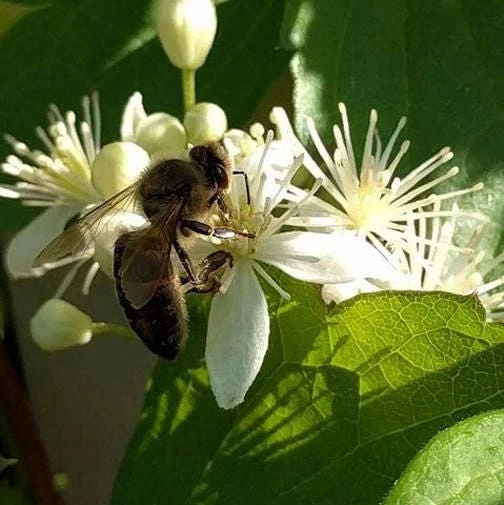
The charm of Virgin’s Bower extends beyond its aesthetic beauty. It serves as a vital ecological component, attracting a diverse array of pollinators and beneficial insects to your garden. As a larval host plant for the Fatal Metalmark butterfly and the Fall Clematis Clearwing Borer moth, it supports local wildlife populations and contributes to biodiversity. Whether you’re an experienced gardener or just starting, growing virgins bower seeds is a fulfilling experience that yields spectacular results, enhancing your garden’s ecological footprint and curb appeal.
Key Benefits
Growing clematis virginiana seeds offers a multitude of benefits for both your garden and the local ecosystem:
- Stunning Fragrant Blooms: Enjoy a profusion of wildly fragrant white flowers that bloom from mid-summer, creating a beautiful and aromatic display. These blossoms are a highlight of the late-season garden, providing visual interest when many other plants are fading.
- Attracts Pollinators: These plants are a magnet for various birds, bees, and butterflies, including being a crucial larval host plant for the Fatal Metalmark butterfly and the Fall Clematis Clearwing Borer moth. Planting devils darning needles seeds helps support local pollinator populations and enhances garden biodiversity.
- Versatile Growth Habit: As a vigorous climbing vine, it can be used to cover trellises, arbors, fences, or allowed to ramble over shrubs and small trees, adding vertical interest and lush greenery to your landscape. This adaptability makes it suitable for a wide range of garden designs.
- Hardy and Resilient: Thriving in USDA Hardiness Zones 4b to 8, this native clematis is robust and adaptable to various conditions, making it a reliable choice for many regions. It withstands a good range of temperatures and is generally easy to care for once established.
- Low Maintenance: Once established, native clematis seeds grow into a plant that requires minimal care, making it an excellent choice for gardeners seeking beauty without extensive effort. It’s relatively disease and pest-resistant, further simplifying its upkeep.
- Ecological Contribution: By providing food and habitat for native insects, planting fragrant clematis seeds contributes positively to the local environment and supports a healthy ecosystem. It’s a plant that gives back to nature.
Plant Care & Growing Tips
Successfully growing clematis virginiana seeds begins with proper site selection and planting techniques. This resilient vine thrives in locations that receive full sun to partial shade. For optimal flowering, aim for at least 6 hours of direct sunlight per day, though it will tolerate some afternoon shade, especially in hotter climates. Ensure the soil is well-draining, as Virgin’s Bower does not like to sit in waterlogged conditions. A rich, loamy soil amended with organic matter will provide the best environment for robust growth. Prepare the planting bed by loosening the soil to a depth of at least 12 inches and incorporating compost to improve fertility and drainage.
After germination, consistent watering is crucial, especially during dry spells. Keep the soil consistently moist but not soggy. Once established, Virgin’s Bower is relatively drought-tolerant, but supplemental watering during prolonged dry periods will promote better flowering. Fertilize in early spring with a balanced, slow-release granular fertilizer formulated for flowering plants. Avoid over-fertilizing, which can promote excessive foliage at the expense of blooms. Pruning should be done in late winter or early spring before new growth begins. As this clematis blooms on new wood, you can cut it back severely to about 12-18 inches from the ground to encourage vigorous new growth and abundant flowering. This practice also helps manage its size and prevents it from becoming too unwieldy. Keep an eye out for common garden pests, though devils darning needles seeds typically grow into a plant with good natural resistance.
For those interested in supporting local ecosystems, understanding how to care for native clematis seeds is key. Providing adequate support for this climbing vine is essential. Install a trellis, arbor, or sturdy fence near the planting site to allow the plant to climb naturally. The tendrils will readily grasp onto structures, creating a beautiful green wall or canopy. Ensure good air circulation around the plant to prevent fungal issues. With these care tips, your fragrant clematis seeds will flourish, providing years of beauty and ecological benefits.
Size & Details
This product includes 50 seeds of Clematis virginiana, ready for you to cultivate into mature plants. As a vigorous deciduous vine, Virgin’s Bower typically reaches a height of 10 to 20 feet (3 to 6 meters) with a spread of 3 to 6 feet (0.9 to 1.8 meters) at maturity, depending on growing conditions and available support. Its growth rate is considered fast, allowing it to quickly cover structures and create a lush display. The seeds ship in a protective packet, ensuring their viability upon arrival. Once established, the vine will produce abundant white flowers, typically blooming from mid-summer through early fall, followed by attractive, feathery seed heads that persist into winter, providing continued visual interest.
Frequently Asked Questions
- Q: How big does this plant get? A: When grown from clematis virginiana seeds, this vine can reach impressive heights of 10 to 20 feet tall and spread 3 to 6 feet wide, making it ideal for covering large structures like trellises or fences.
- Q: What growing conditions does Virgin’s Bower need? A: Virgin’s Bower thrives in full sun to partial shade, requiring at least 6 hours of sunlight for best flowering. It prefers well-draining soil and consistent moisture, especially during its establishment phase.
- Q: Is this plant easy to care for? A: Yes, once established, virgins bower seeds grow into a relatively low-maintenance plant. It’s quite hardy and only requires annual pruning in late winter or early spring to encourage new growth and abundant blooms.
- Q: What condition will the seeds arrive in? A: Your devils darning needles seeds will arrive securely packaged to protect them during transit, ensuring they are ready for planting upon receipt.
- Q: What are the benefits of planting this clematis? A: Beyond its beautiful fragrant white flowers, this plant is a vital larval host for specific butterflies and moths, and it attracts a wide variety of birds, bees, and other beneficial pollinators. It’s a great choice for supporting local wildlife.
- Q: How long until it blooms? A: While growth from native clematis seeds can be rapid, it typically takes 1-2 years for the plant to establish and begin flowering profusely. Blooms usually appear from mid-summer to early fall.
- Q: Will it survive winter in my zone? A: This clematis is hardy in USDA Zones 4b to 8, meaning it can tolerate winter temperatures in these regions. In colder zones, it will die back to the ground but often regrows vigorously in spring.
- Q: Can I grow these seeds indoors first? A: Yes, you can start fragrant clematis seeds indoors 6-8 weeks before the last frost to get a head start, then transplant the seedlings outdoors once all danger of frost has passed.
- Q: What kind of support does this vine need? A: As a climbing vine, it requires a sturdy support structure like a trellis, arbor, fence, or even another strong shrub or small tree to climb on.
- Q: Are there any common pests or diseases? A: Clematis virginiana seeds typically grow into a robust plant with good resistance to most common pests and diseases. Ensuring good air circulation and proper watering can help prevent fungal issues.
Be the first to review “Clematis virginiana Seeds – Virgins Bower, Devil’s Darning Needles, 50 Seeds, Fragrant White Flowers”
Related products


Flower Seeds
Blue Stock Matthiola Incana Seeds – 50 Fragrant Gillyflower Seeds – Ten-Week Blue Stock


You May Like

How to Grow Passion Flower (Passiflora) for Tropical Blooms
Few climbing vines in the home garden command attention quite like the exotic Passion Flower (Passiflora). [...]
Nov

Thanksgiving Cactus Care: How to Get Thanksgiving Cactus to Bloom
Is your Thanksgiving cactus growing well but not giving you any flowers? Maybe it looked [...]
Nov

How to Grow Garlic for a Bountiful Home Harvest
Garlic (Allium sativum) is one of the most satisfying, low-maintenance, and flavor-packed crops you can [...]
Oct

Hardneck vs. Softneck Garlic: Which Should You Grow?
Have you ever stood in front of a seed catalog in mid-September, staring at dozens [...]
1 Comment
Oct

When to Plant Music Garlic: Ultimate US Fall Guide
Have you ever spent your fall weekend placing carefully chosen garlic cloves into rich, dark [...]
1 Comment
Oct

5 Best Bulbs for Fall Planting: Brighten Your Garden This Spring
Are you dreaming of a garden full of vibrant colors in the spring? The key [...]
Aug

10 Houseplants That Will Thrive in Your Kitchen
Are you tired of your kitchen feeling dull and lifeless? Want to add a little [...]
1 Comment
Aug
Reviews
There are no reviews yet.