
Cordyline australis Purpurea Seeds – Purple Cabbage Tree, 25 Seeds, Outdoor
Original price was: 25.00 $.17.50 $Current price is: 17.50 $.
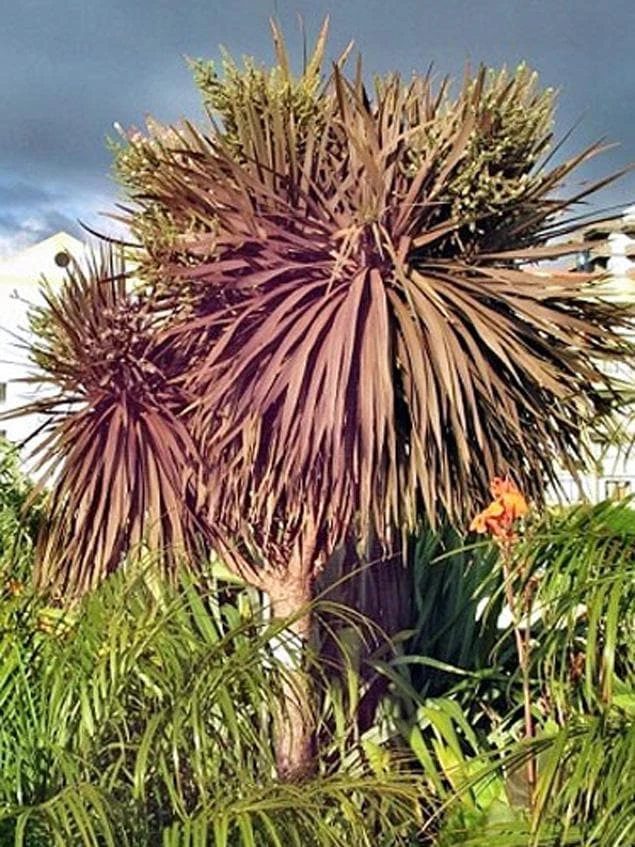
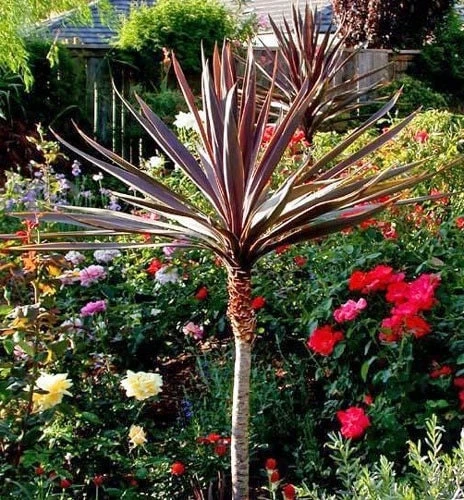
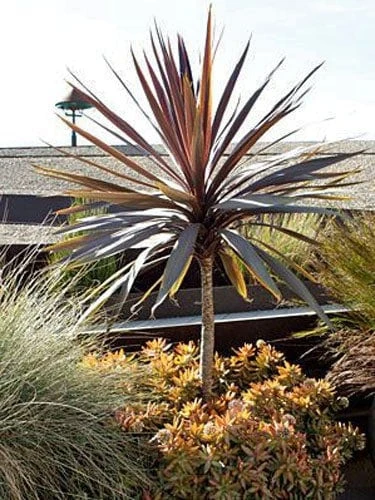
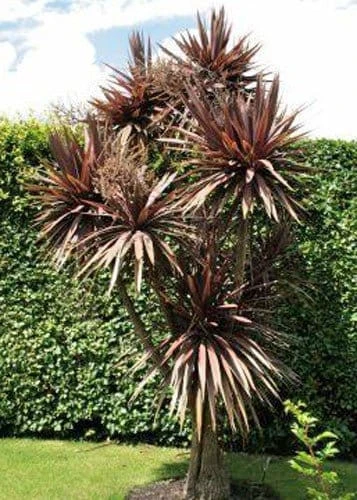
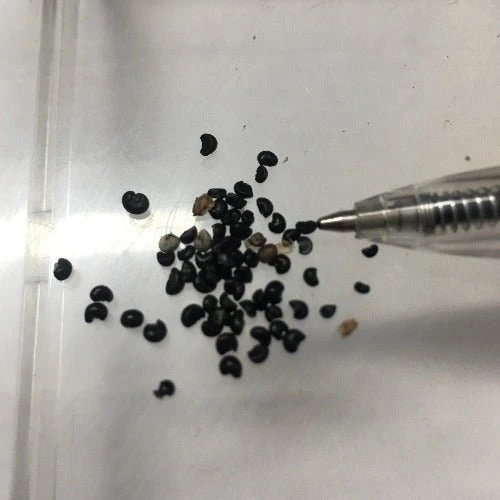
Cultivate the stunning Cordyline australis Purpurea seeds, also known as Purple Cabbage Tree seeds. This pack contains 25 seeds of the evergreen plant, famous for its deep maroon, sword-like leaves that add dramatic color and architectural interest to outdoor landscapes in USDA Zones 9-11.
Estimated arrival
Nov 27
Dec 02 - Dec 04
Dec 04 - Dec 09
See our Shipping Policy.
Get in touch with us via email, and our team will review your concerns.
Our Alive & Thrive Guarantee covers issues with your plants within the first 30 days. Read our Refund & Returns Policy.
-
USDA Hardiness Zone
USDA zones 9-11 -
Soil Type
Well-draining soil, sandy loam -
Sunlight Exposure
Partial to full sun -
Expected Planting Period
Spring to early summer
Overview
Embark on a captivating gardening journey with our premium Cordyline australis Purpurea seeds. Also known by its common names, Purple Cabbage Tree seeds or Purple Cordyline, this striking evergreen plant originates from the lush landscapes of New Zealand. Esteemed for its dramatic visual appeal, the ‘Purpurea’ variety is characterized by its deep maroon, sword-like leaves that create an immediate focal point in any garden or outdoor space. As the plant matures, its distinctive trunk becomes more pronounced, adding an intriguing architectural element to its overall form. These Cordyline australis Purpurea seeds offer a unique opportunity to grow a truly exotic and resilient plant that thrives in various conditions, bringing a touch of the extraordinary to your home garden.
Perfect for gardeners looking to add vibrant color and structural interest, growing Cordyline australis Purpurea seeds allows you to witness the full lifecycle of this magnificent plant from germination to maturity. Its unique coloration and vertical growth habit make it an excellent choice for adding height and contrasting hues against greener foliage. Whether you’re designing a tropical-inspired oasis or simply want a standout specimen, the Purple Cabbage Tree is a fantastic addition. These seeds are a practical and rewarding way to introduce this distinctive New Zealand flora into your landscape.
Key Benefits
Growing Cordyline australis Purpurea seeds offers a multitude of benefits, transforming your garden into a vibrant and dynamic outdoor haven. This plant is not only visually stunning but also relatively easy to care for once established.
- Dramatic Visual Appeal: The deep maroon, sword-like leaves of the Purple Cabbage Tree provide an unparalleled splash of color, creating a bold statement and drawing the eye in any garden design. Its unique hue stands out against traditional green foliage.
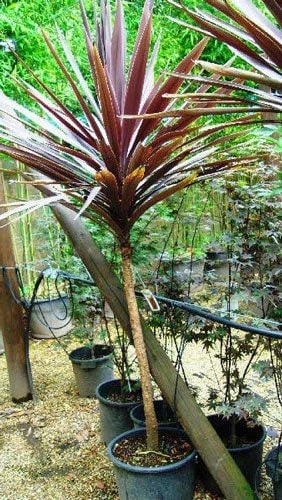
- Architectural Interest: As the plant matures, it develops a distinctive trunk, adding a strong vertical and architectural element to your landscape. This provides structure and year-round interest, particularly in winter months.
- Evergreen Foliage: Enjoy year-round beauty with this evergreen plant. Its vibrant leaves maintain their color and form throughout all seasons, ensuring your garden always has a lively and lush appearance.
- Drought Tolerance: Once established, Cordyline australis Purpurea exhibits good drought tolerance, making it a sustainable choice for water-wise gardening. This resilience reduces the need for frequent watering.
- Versatile Landscaping Use: Ideal for a variety of uses, from container planting to mass plantings, borders, or as a specimen plant. Its adaptability allows it to fit into many garden styles, from modern to tropical.
- Low Maintenance: After successful germination and establishment, the Purple Cabbage Tree requires minimal ongoing care, making it suitable for both experienced gardeners and those new to cultivating exotic plants.
- Unique New Zealand Flora: Introduce a piece of New Zealand’s distinctive botanical heritage into your garden. This plant reflects the unique biodiversity of its native land, offering an exotic touch.
Plant Care & Growing Tips
Successfully cultivating Cordyline australis Purpurea seeds requires attention to specific environmental factors and care routines. Begin by preparing a well-draining seed starting mix. Sow the Cordyline australis Purpurea seeds at a depth of approximately 1/4 inch in individual containers or seed trays. Maintaining consistent moisture without waterlogging is crucial, as excessive dampness can lead to rot. Place your containers in a warm location, ideally with temperatures ranging from 65-75°F (18-24°C), to promote germination, which typically occurs within 4-6 weeks. Providing bottom heat can often accelerate this process.
Once the seedlings emerge, transition them to a location with bright, indirect light. A warm and humid environment is beneficial for their initial growth. After the seedlings have developed several sets of true leaves and are sturdy enough, they can be transplanted into larger pots or directly outdoors. For outdoor planting, choose a site with well-drained soil and partial to full sun. While the Purple Cabbage Tree can tolerate full sun, some afternoon shade is beneficial in hotter climates to prevent leaf scorch. Ensure the soil remains consistently moist during the plant’s juvenile stages. Fertilize sparingly with a balanced liquid fertilizer during the growing season, following product instructions to avoid over-fertilization. Protect young plants from severe frost if planted in marginal zones. With proper care, your Cordyline australis Purpurea will flourish, showcasing its magnificent purple foliage.
Size & Details
This product includes 25 seeds of the Cordyline australis Purpurea, ready for you to cultivate into stunning garden specimens. As seedlings mature, these plants can eventually reach impressive heights, typically growing between 10 to 20 feet tall, with a spread of 3 to 5 feet, though they can be kept smaller in containers or with pruning. They exhibit a moderate to fast growth rate under ideal conditions. The seeds are shipped in a protective packet, ensuring their viability upon arrival. Expect the plant to develop its full architectural form and deep maroon coloration over several growing seasons, providing long-term beauty and interest to your landscape. The distinct trunk and sword-like leaves are key features that develop as the plant matures, making it a long-lasting addition to your garden.
Frequently Asked Questions
- Q: How big does this plant get? A: Once mature, the Cordyline australis Purpurea can typically reach heights of 10 to 20 feet with a spread of 3 to 5 feet, creating a significant presence in the landscape. Its size can be managed with proper pruning or by growing it in a container.
- Q: Is this an indoor or outdoor plant? A: The Purple Cabbage Tree is primarily an outdoor plant, thriving in USDA Zones 9-11. In colder zones, it can be grown in containers and brought indoors during winter or treated as an annual.
- Q: How much sunlight does it need? A: This plant prefers partial to full sun. In regions with intense summer heat, some afternoon shade can help protect its foliage from scorching and maintain the vibrant purple color of the leaves.
- Q: Is this plant easy to care for? A: While germinating Cordyline australis Purpurea seeds requires specific conditions, established plants are relatively low-maintenance, making them suitable for gardeners of various experience levels. They are known for their resilience.
- Q: What condition will the seeds arrive in? A: Your 25 seeds will arrive carefully packaged in a protective envelope, ensuring they are safe and viable for planting upon delivery. We prioritize the quality and integrity of our seeds.
- Q: How long until it blooms? A: While primarily grown for its foliage, mature Cordyline australis can produce creamy white, fragrant flowers in late spring to early summer. This typically occurs after several years of growth from seed.
- Q: What’s the minimum temperature it can tolerate? A: Cordyline australis Purpurea is hardy in USDA Zones 9-11, meaning it can tolerate temperatures down to about 20-30°F (-6 to -1°C) once established. Young plants or those in colder zones will need winter protection.
- Q: What type of soil is best for growing Cordyline australis Purpurea seeds? A: Well-draining soil is crucial for successful growth. A sandy loam or a good quality potting mix amended with perlite or sand to improve drainage is ideal for these Cordyline australis Purpurea seeds.
- Q: Can I grow this plant in a container? A: Yes, the Purple Cabbage Tree adapts very well to container living, especially in colder climates where it can be moved indoors during winter. Ensure the container has excellent drainage.
- Q: Is this plant pet-safe? A: While generally considered low toxicity, it’s always best to prevent pets from ingesting any plant material. If you have concerns, consult a veterinarian.
Be the first to review “Cordyline australis Purpurea Seeds – Purple Cabbage Tree, 25 Seeds, Outdoor”
Related products


You May Like

How to Grow Passion Flower (Passiflora) for Tropical Blooms
Few climbing vines in the home garden command attention quite like the exotic Passion Flower (Passiflora). [...]
Nov

Thanksgiving Cactus Care: How to Get Thanksgiving Cactus to Bloom
Is your Thanksgiving cactus growing well but not giving you any flowers? Maybe it looked [...]
Nov

How to Grow Garlic for a Bountiful Home Harvest
Garlic (Allium sativum) is one of the most satisfying, low-maintenance, and flavor-packed crops you can [...]
Oct

Hardneck vs. Softneck Garlic: Which Should You Grow?
Have you ever stood in front of a seed catalog in mid-September, staring at dozens [...]
1 Comment
Oct

When to Plant Music Garlic: Ultimate US Fall Guide
Have you ever spent your fall weekend placing carefully chosen garlic cloves into rich, dark [...]
1 Comment
Oct

5 Best Bulbs for Fall Planting: Brighten Your Garden This Spring
Are you dreaming of a garden full of vibrant colors in the spring? The key [...]
Aug

10 Houseplants That Will Thrive in Your Kitchen
Are you tired of your kitchen feeling dull and lifeless? Want to add a little [...]
1 Comment
Aug
Reviews
There are no reviews yet.