
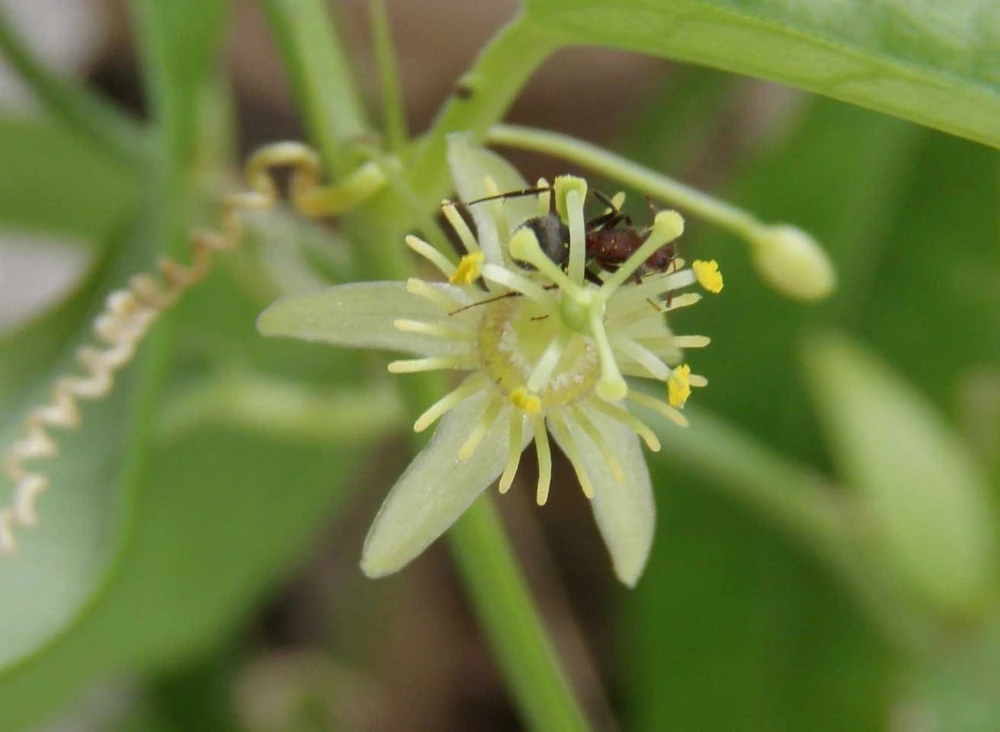
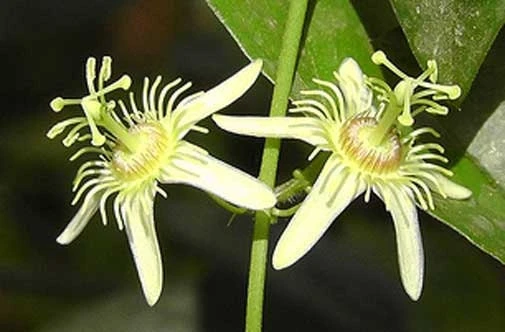
Cork Bark Passionflower Seeds – Passiflora suberosa – Devil’s Pumpkin – 5 Seeds
Original price was: 56.91 $.27.91 $Current price is: 27.91 $.
Cultivate the unique cork bark passionflower seeds (Passiflora suberosa), also known as devil’s pumpkin seeds. These 5 seeds will grow into a vital host plant for various butterflies, adding ecological beauty to your garden.
Estimated arrival
Nov 28
Dec 03 - Dec 05
Dec 05 - Dec 10
See our Shipping Policy.
Get in touch with us via email, and our team will review your concerns.
Our Alive & Thrive Guarantee covers issues with your plants within the first 30 days. Read our Refund & Returns Policy.
-
USDA Hardiness Zone
8 to 11 -
Soil Type
Well-draining, rich in organic matter -
Sunlight Exposure
Full sun to partial shade -
Expected Planting Period
Spring to early summer
Overview
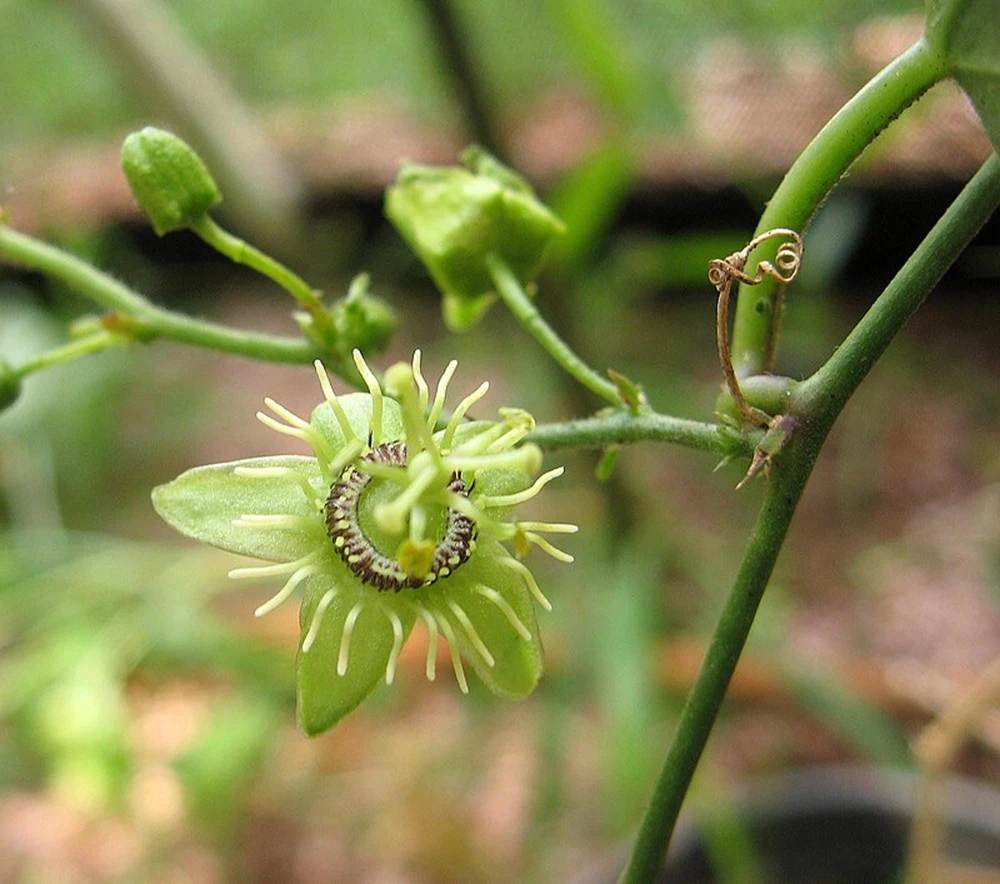
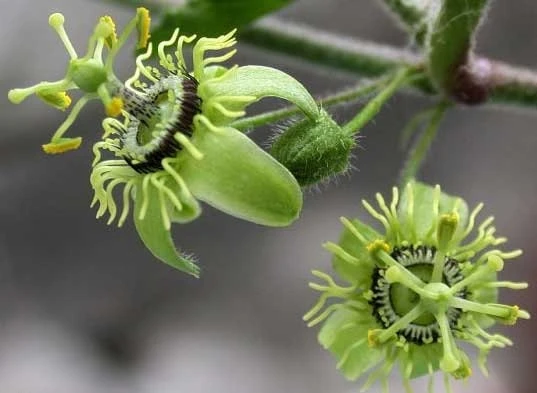
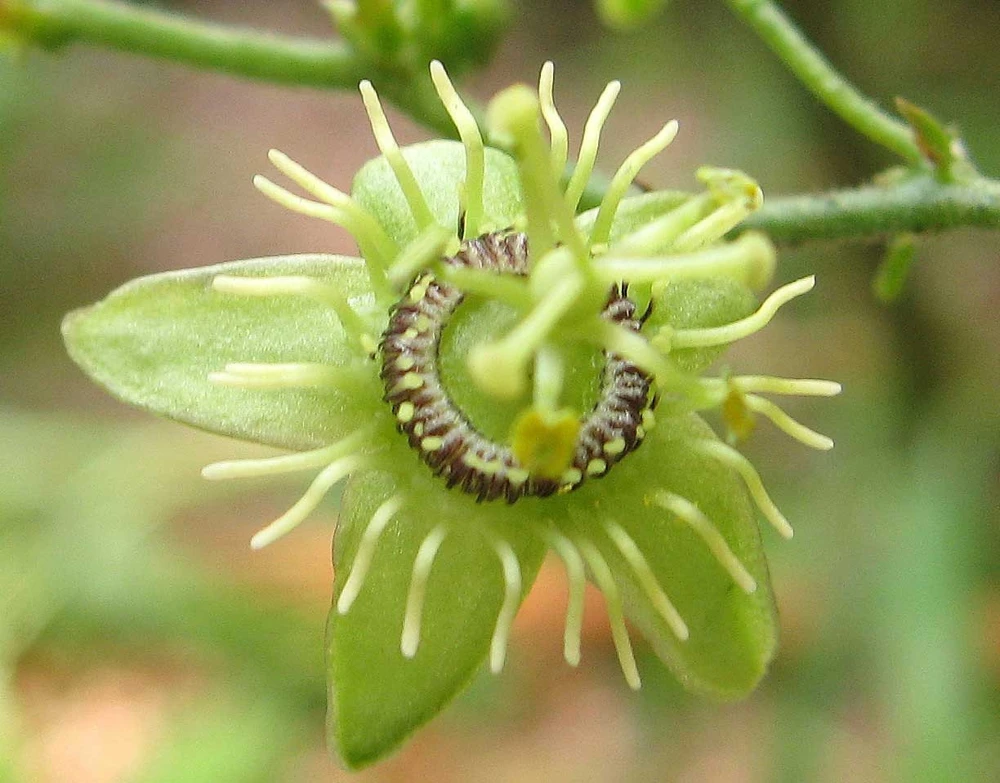
Embark on a fascinating gardening journey with our premium cork bark passionflower seeds. Each pack contains 5 viable seeds of Passiflora suberosa, a truly distinctive and intriguing plant. Commonly known by various names such as Cork Bark Passion Flower, Devil’s Pumpkin, Indigo Berry, Corky Passionflower, and Corkstem Passionflower, this species is celebrated for its unique corky stems and its significant role as a host plant for numerous butterfly species. Growing this plant from seed offers a rewarding experience, allowing you to witness its full life cycle from germination to its characteristic blooms and small, edible fruits. It’s an excellent choice for gardeners looking to add an unusual and ecologically beneficial specimen to their outdoor space.
The Passiflora suberosa is a vigorous vine that can quickly establish itself, providing lush foliage and a haven for pollinators. While its fruits are edible, they are typically small and packed with seeds, making them more of a novelty than a culinary staple. However, the plant’s primary appeal lies in its ornamental value and its incredible ability to support local butterfly populations. If you’re looking to grow passionflower from seed and create a vibrant, nature-friendly garden, these seeds are an ideal starting point.
Key Benefits
Cultivating cork bark passionflower seeds offers a multitude of benefits for both the gardener and the environment:
- Exceptional Butterfly Host Plant: This plant is a crucial host for a wide array of butterfly larvae, including the Glasswing, Zebra Long Wing, Zebra Heliconian, Julia Heliconian, Isabellas Heliconian, Mexican silverspot, Banded Orange Heliconian, Mexican Fritillary, Scarce Bamboo Page, Erato Heliconian, Variegated Fritillary, and Gulf Fritillary butterflies. Planting these seeds directly contributes to supporting local butterfly populations and biodiversity.
- Unique Ornamental Appeal: The distinctive corky bark that develops on mature stems gives this passionflower a unique textural quality, setting it apart from other vines. Its delicate flowers and small fruits add further visual interest to any garden setting.
- Vigorous Growth: Once established, Passiflora suberosa is a robust and fast-growing vine, quickly covering trellises, fences, or arbors, providing ample greenery and shade.
- Edible but Novelty Fruit: While the small fruits are technically edible, they are primarily enjoyed as a curiosity due to their size and high seed content. They offer a mild, sweet flavor for those adventurous enough to try them.
- Adaptable to Various Climates: This passionflower is suitable for USDA Hardiness Zones 8 to 11, making it a versatile choice for many warmer regions across the US.
- Easy to Grow from Seed: With proper care and conditions, these seeds offer a straightforward way to propagate this beautiful vine, making it accessible even for novice gardeners interested in cultivating devil’s pumpkin seeds.
- Low Maintenance Once Established: After its initial growth phase, the Passiflora suberosa generally requires minimal ongoing care, thriving with basic watering and occasional feeding.
Plant Care & Growing Tips
Successfully growing cork bark passionflower seeds into thriving vines requires attention to a few key environmental factors. First, consider sowing your seeds indoors 6-8 weeks before the last frost date in your area, or directly outdoors after all danger of frost has passed. Scarification and stratification can significantly improve germination rates for passionflower seeds. Lightly abrade the seed coat with sandpaper or a nail file, then soak the seeds in warm water for 24-48 hours. Some gardeners also recommend cold stratification for a few weeks in a refrigerator to mimic winter conditions.
For sunlight, Passiflora suberosa thrives in full sun to partial shade. Aim for at least 6 hours of direct sunlight daily for optimal growth and flowering. In hotter climates, some afternoon shade can prevent leaf scorch. The ideal soil for these plants is well-draining, rich in organic matter, with a slightly acidic to neutral pH (6.0-7.0). Amend heavy clay soils with compost and sand to improve drainage, as soggy roots can lead to rot. Consistent moisture is key, especially during germination and the plant’s establishment phase. Water regularly, allowing the top inch or two of soil to dry out between waterings. Reduce watering during cooler, dormant periods.
The Passiflora suberosa is hardy in USDA Zones 8 to 11. In zone 8, it may die back to the ground in winter but will often re-emerge from the roots in spring. In colder zones, it can be grown as an annual or brought indoors during winter. Fertilize your passionflower every 4-6 weeks during the growing season with a balanced liquid fertilizer, or a fertilizer higher in phosphorus to encourage blooming. Watch out for common pests like aphids and spider mites, and treat with insecticidal soap if necessary. Providing a trellis or other support structure is essential as this is a climbing vine, allowing it to twine and display its unique corky stems effectively. Successfully cultivating cork bark passionflower seeds will reward you with a beautiful, butterfly-attracting vine.
Size & Details
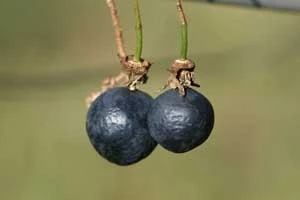
Each purchase includes 5 seeds of Passiflora suberosa, ready for you to begin your cultivation journey. When mature, the cork bark passionflower is a vigorous climbing vine, typically reaching lengths of 10 to 20 feet, depending on growing conditions and support availability. Its spread can be equally impressive, making it an excellent choice for covering arbors, fences, or large trellises. The stems develop a distinctive corky texture over time, adding to its visual appeal. The small, pea-sized fruits are dark purple to black when ripe, containing numerous seeds. From sowing, expect germination to occur within a few weeks to a few months, with plants typically establishing and beginning to flower within their first year under optimal conditions. These seeds provide an opportunity to grow passionflower from seed and enjoy its unique attributes.
Frequently Asked Questions
- Q: How big does the Cork Bark Passionflower get? A: The cork bark passionflower is a vigorous climbing vine that can reach lengths of 10 to 20 feet, with an equivalent spread, making it ideal for covering large structures in your garden.
- Q: Is this an indoor or outdoor plant? A: Passiflora suberosa is primarily an outdoor plant, thriving in USDA Hardiness Zones 8-11. In colder climates, it can be grown as an annual or overwintered indoors.
- Q: How much sunlight does the Passiflora suberosa need? A: This passionflower prefers full sun to partial shade, ideally receiving at least 6 hours of direct sunlight daily for best growth and flowering.
- Q: What condition will the seeds arrive in? A: You will receive 5 seeds of cork bark passionflower seeds, carefully packaged to ensure their viability for planting.
- Q: Is this plant easy to care for? A: Once established, Passiflora suberosa is relatively low-maintenance. The initial process of germinating devil’s pumpkin seeds may require some patience and specific pre-treatment.
- Q: How long until the plant blooms? A: Under optimal growing conditions, plants grown from cork bark passionflower seeds can typically begin to flower within their first year.
- Q: Will it survive winter in my zone? A: This plant is hardy in USDA Zones 8-11. In Zone 8, it may die back but often regrows from the roots. In Zone 7 and colder, it generally needs winter protection or to be grown as an annual.
- Q: What are the fruits like? A: The fruits are small, pea-sized, and turn dark purple to black when ripe. While edible, they are mostly seeds and offer a mild, sweet flavor, considered more of a novelty.
- Q: Why is it called Devil’s Pumpkin? A: The common name devil’s pumpkin likely refers to its unique appearance and the small, round, dark fruits it produces, which somewhat resemble miniature pumpkins.
- Q: What kind of soil does this plant prefer? A: The Passiflora suberosa prefers well-draining soil that is rich in organic matter, with a slightly acidic to neutral pH.
Be the first to review “Cork Bark Passionflower Seeds – Passiflora suberosa – Devil’s Pumpkin – 5 Seeds”
Related products




You May Like

How to Grow Passion Flower (Passiflora) for Tropical Blooms
Few climbing vines in the home garden command attention quite like the exotic Passion Flower (Passiflora). [...]
Nov

Thanksgiving Cactus Care: How to Get Thanksgiving Cactus to Bloom
Is your Thanksgiving cactus growing well but not giving you any flowers? Maybe it looked [...]
Nov

How to Grow Garlic for a Bountiful Home Harvest
Garlic (Allium sativum) is one of the most satisfying, low-maintenance, and flavor-packed crops you can [...]
Oct

Hardneck vs. Softneck Garlic: Which Should You Grow?
Have you ever stood in front of a seed catalog in mid-September, staring at dozens [...]
1 Comment
Oct

When to Plant Music Garlic: Ultimate US Fall Guide
Have you ever spent your fall weekend placing carefully chosen garlic cloves into rich, dark [...]
1 Comment
Oct

5 Best Bulbs for Fall Planting: Brighten Your Garden This Spring
Are you dreaming of a garden full of vibrant colors in the spring? The key [...]
Aug

10 Houseplants That Will Thrive in Your Kitchen
Are you tired of your kitchen feeling dull and lifeless? Want to add a little [...]
1 Comment
Aug
Reviews
There are no reviews yet.