
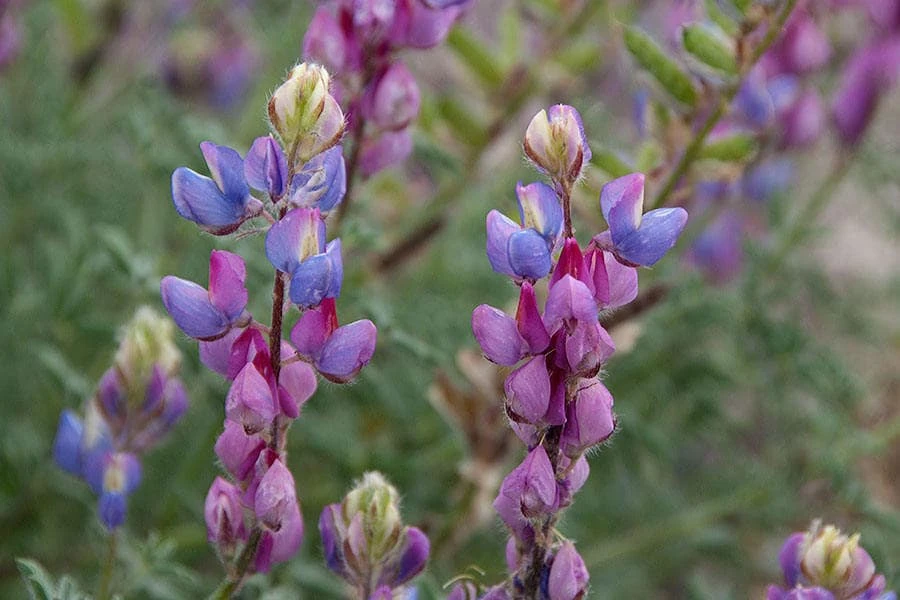
Coulter’s Mojave Lupine Seeds – Lupinus sparsiflorus – 10 Seeds
Original price was: 48.91 $.19.91 $Current price is: 19.91 $.
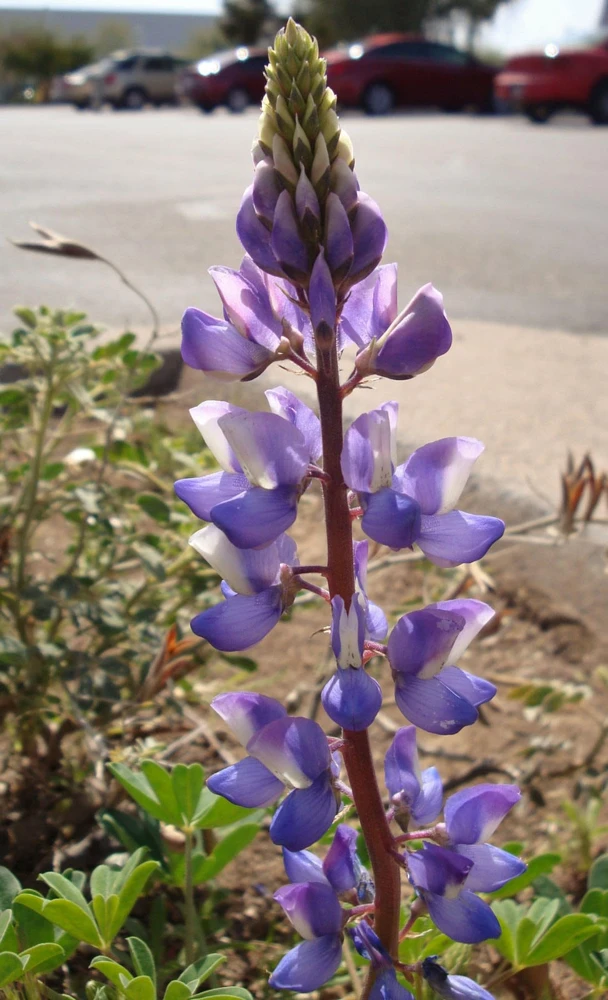
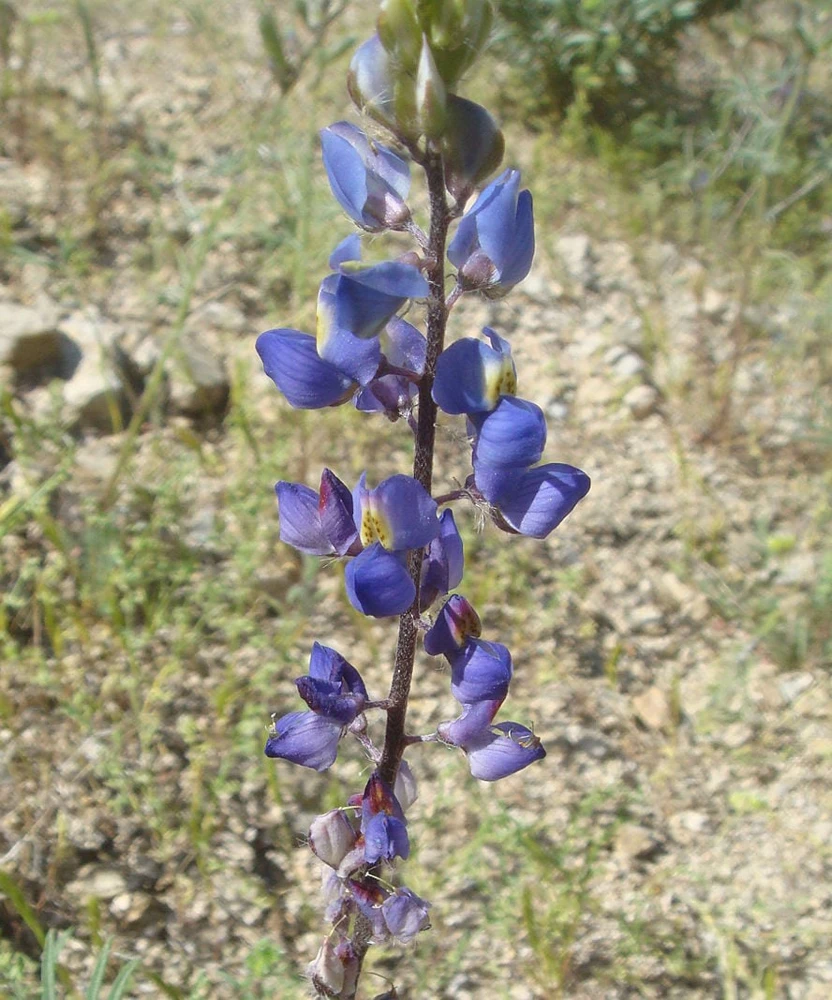
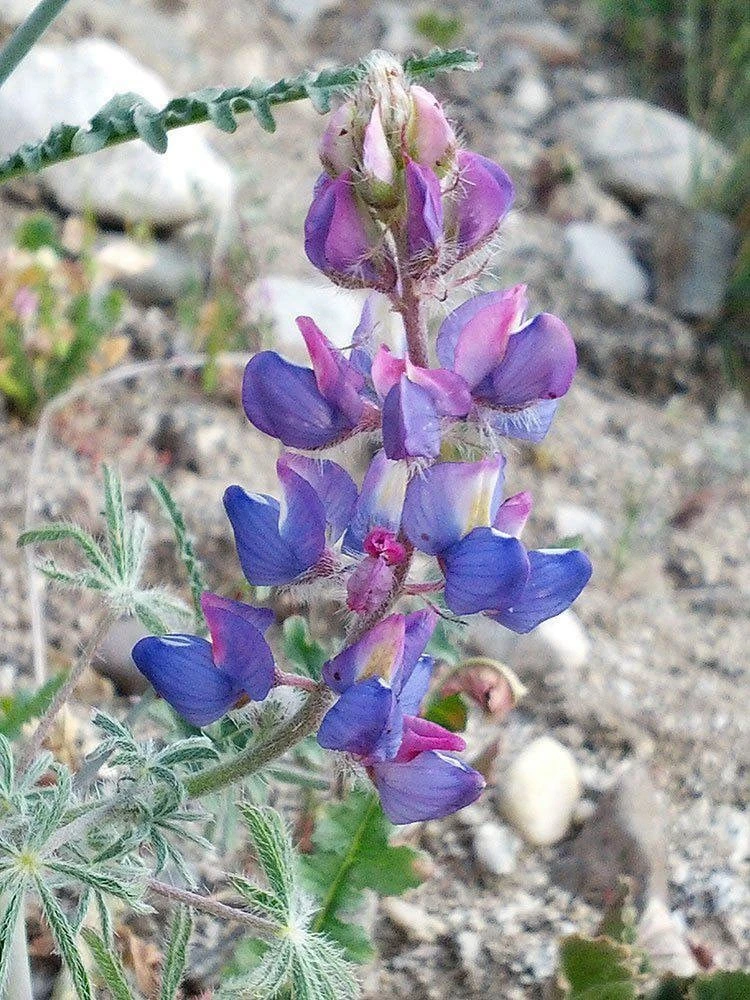
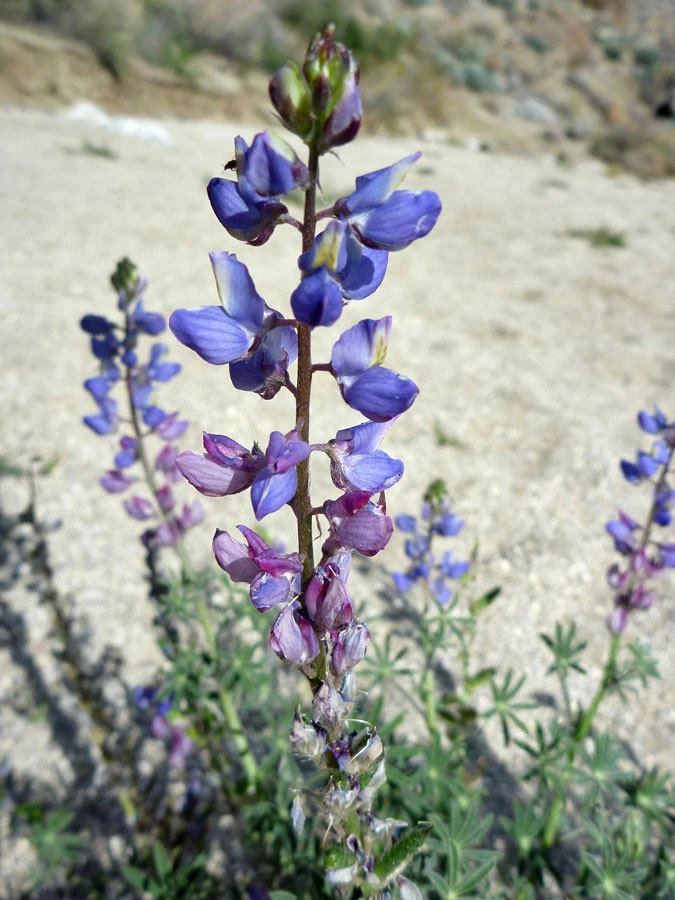
Cultivate stunning Coulters Mojave Lupine seeds (Lupinus sparsiflorus) in your garden. These annual wildflower seeds produce pale blue to purple flowers with a distinctive yellow spot, maturing to reddish after pollination. An excellent butterfly host plant for various species.
Estimated arrival
Nov 27
Dec 02 - Dec 04
Dec 04 - Dec 09
See our Shipping Policy.
Get in touch with us via email, and our team will review your concerns.
Our Alive & Thrive Guarantee covers issues with your plants within the first 30 days. Read our Refund & Returns Policy.
-
USDA Hardiness Zone
All USDA Hardiness Zones -
Soil Type
Well-draining soil -
Sunlight Exposure
Full sun -
Expected Planting Period
Early spring to late fall
Overview
Embark on a rewarding gardening journey with Coulters Mojave Lupine seeds (Lupinus sparsiflorus), also widely recognized as Mojave lupine. This exquisite annual herb is a true spectacle, growing to a modest height of just over a foot. Its delicate pale blue or purple flowers are adorned with a unique yellow spot on the upper petal, which gracefully transitions to a reddish hue post-pollination. The charmingly hairy bottom petals lend a fuzzy, inviting appearance to the blossoms, making them a captivating addition to any garden. These Lupinus sparsiflorus seeds offer an opportunity to introduce a touch of native beauty and ecological benefit to your landscape. Ideal for gardeners seeking low-maintenance yet visually striking annuals, the Mojave lupine plant thrives in various conditions and provides crucial support for local ecosystems.
Known for its vibrant display and ease of growth, the Coulters Mojave Lupine seeds are perfect for creating naturalized areas, wildflower meadows, or adding pops of color to borders. This plant is not only a visual delight but also plays a significant role in supporting local wildlife, particularly beneficial insects. Growing this annual from seed allows you to witness its full life cycle, from germination to its spectacular bloom, enriching your gardening experience with its natural charm and ecological value.
Key Benefits
Adding Coulters Mojave Lupine seeds to your garden offers a multitude of advantages, enhancing both aesthetics and biodiversity. These seeds promise a vibrant display and contribute positively to the environment:
- Exceptional Pollinator Attraction: The beautiful blue and purple flowers of the Mojave lupine plant are a magnet for various pollinators, including bees and butterflies, contributing to the health of your garden ecosystem.
- Critical Butterfly Host Plant: This specific lupine species is a vital larval host for several butterfly species, such as the Boisduval’s Blue, Melissa Blue, Silvery Blue, Sooty Hairstreak, and Afranius Duskywing butterflies, making it an essential addition for butterfly enthusiasts. It also supports the Dryotype opina moth.
- Stunning Visual Appeal: With its striking pale blue or purple flowers, each featuring a distinctive yellow spot that changes color, the Lupinus sparsiflorus seeds ensure a captivating and dynamic floral display throughout its blooming season.
- Low Maintenance Annual: As an annual herb, it offers a full season of beauty with minimal care, making it suitable for both novice and experienced gardeners. It readily self-seeds in ideal conditions, ensuring future generations of blooms.
- Adaptable Growth: This plant is remarkably adaptable and can be successfully grown across all USDA Hardiness Zones, providing a versatile option for diverse climates.
- Enhances Biodiversity: By planting these annual wildflower seeds, you actively support local wildlife and contribute to creating a more biodiverse and resilient garden environment.
- Naturalizes Easily: Perfect for wildflower gardens or naturalized areas, it spreads gracefully, creating beautiful drifts of color and texture without becoming invasive.
Plant Care & Growing Tips
Cultivating Coulters Mojave Lupine seeds is a straightforward process, rewarding gardeners with abundant blooms and ecological benefits. To ensure successful growth, understanding its specific care requirements is key. These Lupinus sparsiflorus seeds thrive in full sun conditions, meaning they need at least 6-8 hours of direct sunlight per day to produce the most vibrant flowers and robust growth. While tolerant of various soil types, well-draining soil is crucial to prevent root rot. Sandy or gravelly soils are often preferred, mimicking its native habitat. Avoid heavy clay soils that retain too much moisture.
Watering should be consistent but moderate, especially during dry spells and when the plants are establishing. Once mature, the Mojave lupine plant is relatively drought-tolerant, reflecting its origins in drier climates. Fertilization is generally not necessary, as lupines are nitrogen-fixers, enriching the soil themselves. If your soil is particularly poor, a light application of a balanced, low-nitrogen fertilizer during the early growth phase can be beneficial. These annual wildflower seeds are best sown directly into the garden in early spring after the last frost, or in late fall in warmer climates for spring germination. Lightly scarifying the seeds (gently scratching the seed coat) before planting can improve germination rates. Provide ample spacing between plants to allow for good air circulation and prevent fungal issues. This hardy plant is suitable for all USDA Hardiness Zones, making it a versatile choice for many gardeners.
Size & Details
The Coulters Mojave Lupine seeds will develop into an annual herb that typically reaches a height of just over a foot, usually between 12-18 inches tall. This compact size makes it an excellent choice for various garden settings, from borders and rock gardens to wildflower meadows and containers. Each packet contains 10 seeds, providing a good starting quantity for a small patch or several scattered plants. The plant exhibits a moderate growth rate, establishing itself quickly and blooming within a single growing season. Flowers typically appear in late spring to early summer, providing a beautiful display of pale blue or purple blooms. These Lupinus sparsiflorus seeds are shipped as dry seeds, ready for planting directly into your garden. Expect to see germination within 7-21 days under optimal conditions, with flowering occurring approximately 60-90 days after planting.
Frequently Asked Questions
- Q: How big does the Coulter’s Mojave Lupine plant get? A: The Mojave lupine plant typically grows to a height of just over a foot, usually between 12-18 inches tall, making it a compact and manageable annual for most garden spaces.
- Q: Is this an indoor or outdoor plant? A: Coulters Mojave Lupine seeds are intended for outdoor cultivation. This annual wildflower thrives in garden beds, naturalized areas, and containers exposed to full sun.
- Q: How much sunlight does it need? A: This plant requires full sun exposure, meaning at least 6-8 hours of direct sunlight per day, to achieve its best growth and most prolific flowering.
- Q: Is this plant easy to care for? A: Yes, the Coulters Mojave Lupine plant is considered low-maintenance. It’s an annual that tolerates various conditions, making it suitable for gardeners of all experience levels, especially those looking for annual wildflower seeds.
- Q: What condition will the seeds arrive in? A: The product consists of 10 seeds in a packet. They are dry seeds, ready for immediate planting or storage until the appropriate planting season.
- Q: When is the best time to plant Coulter’s Mojave Lupine seeds? A: The ideal time to plant these Lupinus sparsiflorus seeds is in early spring after the last frost, or in late fall in regions with mild winters for germination the following spring.
- Q: Will it survive winter in my zone? A: Coulter’s Mojave Lupine is an annual plant, meaning it completes its life cycle in one growing season. While it can be grown in all USDA Hardiness Zones, it will not survive winter as a perennial; new plants grow from self-sown seeds or re-planting.
- Q: What kind of soil does the Mojave lupine plant prefer? A: This plant prefers well-draining soil, including sandy or gravelly types. Good drainage is crucial to prevent waterlogging and promote healthy root development for the Mojave lupine plant.
- Q: Are these seeds beneficial for wildlife? A: Absolutely! These annual wildflower seeds grow into a crucial butterfly host plant for several species, providing essential support for their larval stages and attracting a variety of pollinators to your garden.
- Q: How long does it take for the seeds to germinate? A: Under optimal conditions, you can expect germination of the Coulters Mojave Lupine seeds within 7-21 days after planting.
Be the first to review “Coulter’s Mojave Lupine Seeds – Lupinus sparsiflorus – 10 Seeds”
Related products

Flower Seeds


You May Like

How to Grow Passion Flower (Passiflora) for Tropical Blooms
Few climbing vines in the home garden command attention quite like the exotic Passion Flower (Passiflora). [...]
Nov

Thanksgiving Cactus Care: How to Get Thanksgiving Cactus to Bloom
Is your Thanksgiving cactus growing well but not giving you any flowers? Maybe it looked [...]
Nov

How to Grow Garlic for a Bountiful Home Harvest
Garlic (Allium sativum) is one of the most satisfying, low-maintenance, and flavor-packed crops you can [...]
Oct

Hardneck vs. Softneck Garlic: Which Should You Grow?
Have you ever stood in front of a seed catalog in mid-September, staring at dozens [...]
1 Comment
Oct

When to Plant Music Garlic: Ultimate US Fall Guide
Have you ever spent your fall weekend placing carefully chosen garlic cloves into rich, dark [...]
1 Comment
Oct

5 Best Bulbs for Fall Planting: Brighten Your Garden This Spring
Are you dreaming of a garden full of vibrant colors in the spring? The key [...]
Aug

10 Houseplants That Will Thrive in Your Kitchen
Are you tired of your kitchen feeling dull and lifeless? Want to add a little [...]
1 Comment
Aug
Reviews
There are no reviews yet.