
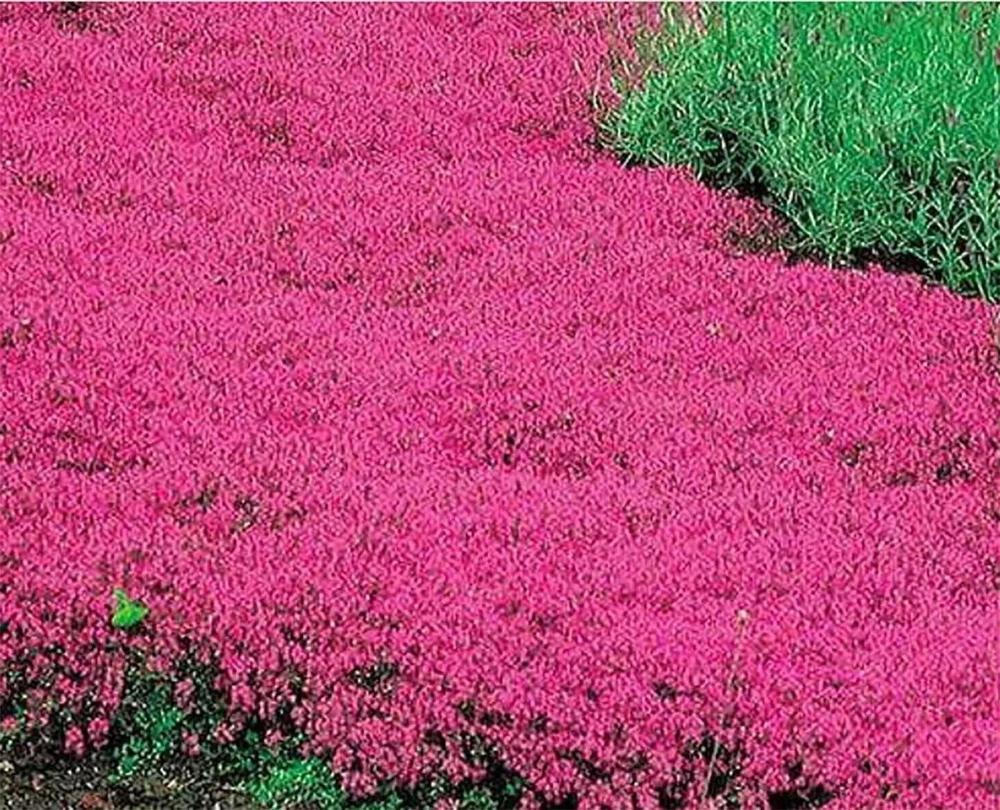




Creeping Thyme Seeds Pink Purple Ground Cover Perennial Herb Fragrant 100 Seeds
Original price was: 34.56 $.14.56 $Current price is: 14.56 $.
Discover the beauty and fragrance of creeping thyme seeds. These 100 seeds will grow into a stunning pink thyme ground cover, perfect for pathways, rock gardens, or borders. Enjoy the delightful aroma and low-maintenance nature of this perennial herb.
Estimated arrival
Nov 27
Dec 02 - Dec 04
Dec 04 - Dec 09
See our Shipping Policy.
Get in touch with us via email, and our team will review your concerns.
Our Alive & Thrive Guarantee covers issues with your plants within the first 30 days. Read our Refund & Returns Policy.
-
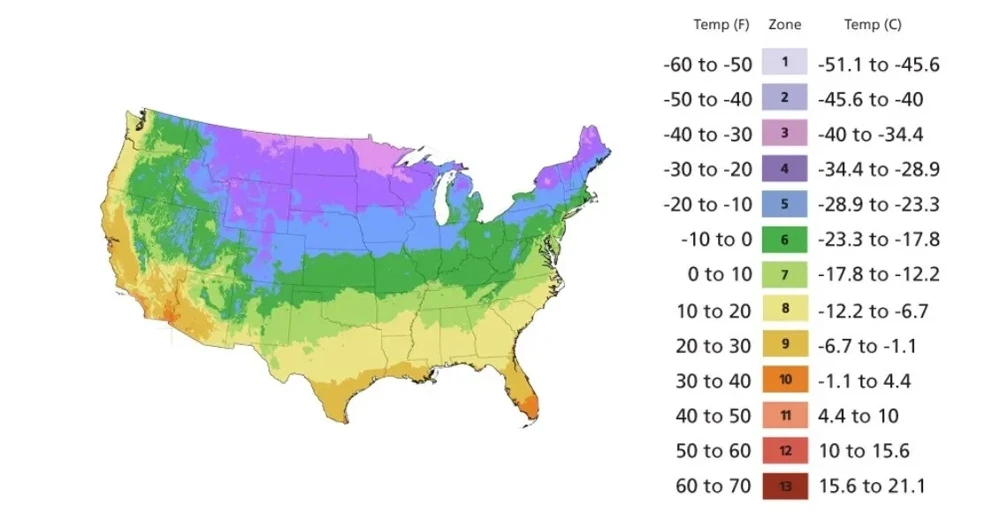
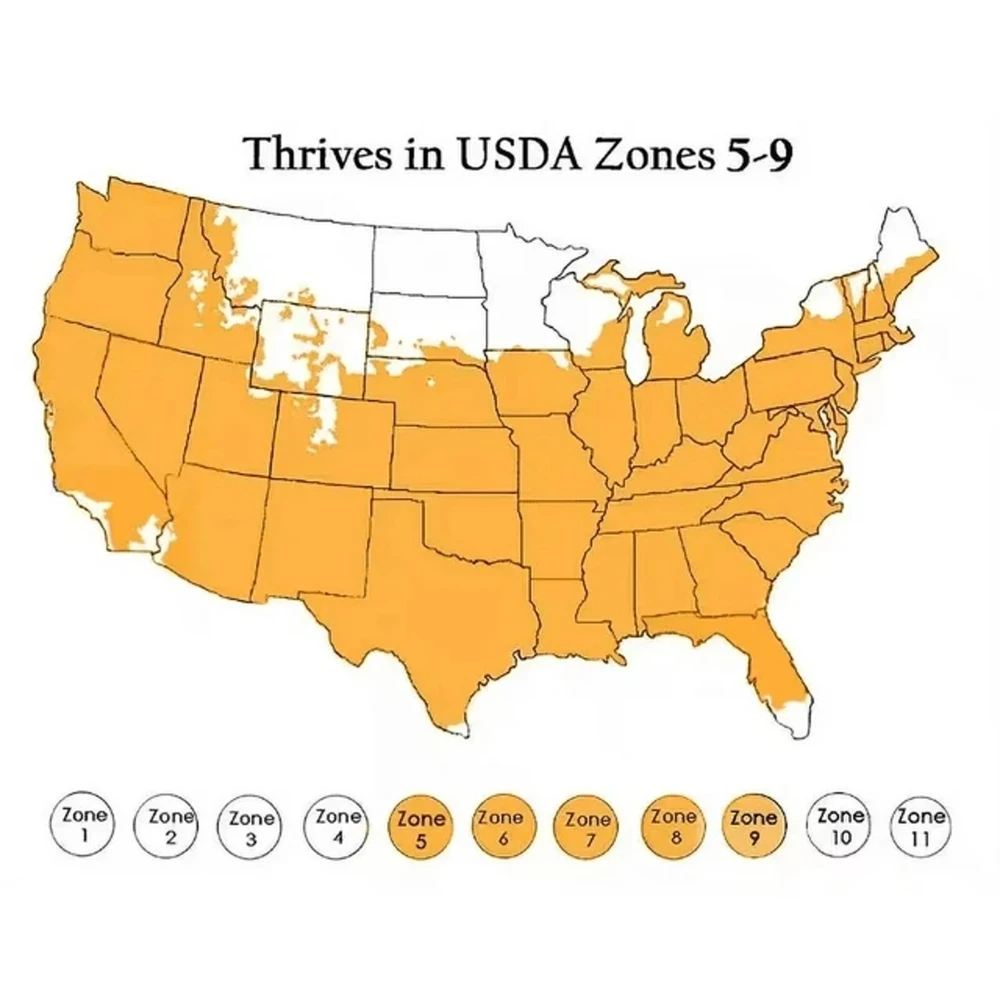
USDA Hardiness Zone
USDA zones 4-9 -
Soil Type
Well-draining, sandy or gravelly soil -
Sunlight Exposure
Full sun -
Expected Planting Period
Spring to early summer
Overview
Cultivate a vibrant and aromatic landscape with our premium creeping thyme seeds. Each packet contains 100 high-quality seeds, ready to transform your garden into a tapestry of delicate pink-purple blooms and lush green foliage. Creeping Thyme (Thymus serpyllum), also known as Wild Thyme or Mother of Thyme, is a remarkably versatile and resilient perennial herb. It’s cherished for its rapid growth, forming a dense, mat-like ground cover that suppresses weeds and adds visual appeal. Beyond its aesthetic charm, this plant releases a delightful fragrance when walked upon or brushed against, making it an ideal choice for sensory gardens, between stepping stones, or along pathways. As a low-growing, spreading plant, it creates a beautiful, soft carpet that can withstand light foot traffic, providing both beauty and practicality to your outdoor spaces. These seeds offer an economical and rewarding way to establish a natural, fragrant ground cover that returns year after year.
Key Benefits
Our creeping thyme seeds offer a multitude of benefits for both the avid gardener and the casual enthusiast. They are an excellent choice for creating a beautiful and functional landscape:
- Excellent Ground Cover: Forms a dense, weed-suppressing mat that quickly covers bare soil, reducing erosion and maintenance. It’s perfect for slopes, between pavers, or as a lawn alternative in low-traffic areas, offering a sustainable and attractive solution.
- Beautiful Pink-Purple Blooms: Enjoy a profusion of tiny, delicate pink-purple flowers that attract pollinators like bees and butterflies, contributing to a healthier garden ecosystem and adding seasonal color. This vibrant display enhances any garden setting.
- Delightful Fragrance: Releases a wonderful, earthy, and slightly spicy aroma when touched, making it a fantastic addition to sensory gardens, near seating areas, or along frequented paths. The fragrant herb seeds create an inviting atmosphere.
- Low Maintenance Perennial: Once established, creeping thyme is drought-tolerant and requires minimal care, thriving in various conditions and returning reliably each year without extensive effort. This makes it an ideal choice for busy gardeners.
- Versatile Landscaping Use: Ideal for rock gardens, borders, container planting, green roofs, or as a charming filler plant. Its adaptability allows it to fit into numerous garden designs, providing flexibility and aesthetic appeal.
- Erosion Control: Its spreading habit and strong root system help stabilize soil on slopes and embankments, preventing erosion and maintaining landscape integrity. This practical benefit protects your garden.
- Supports Pollinators: The small flowers provide a valuable nectar source for bees and other beneficial insects, promoting biodiversity and aiding in the pollination of other plants in your garden.
Plant Care & Growing Tips
Growing creeping thyme from seeds is a rewarding experience, and with proper care, you’ll establish a thriving ground cover. For optimal growth, sow creeping thyme seeds directly outdoors in spring after the last frost, or start them indoors 6-8 weeks before transplanting. Light is essential for germination, so press the seeds lightly onto the soil surface without covering them. Maintain consistent moisture until germination occurs, which typically takes 14-21 days.
Sunlight requirements: Creeping thyme thrives in full sun, needing at least 6 hours of direct sunlight daily. While it can tolerate some partial shade, too much shade will result in sparse growth and fewer blooms. Ensure your planting location receives ample light for the best results, promoting a dense and colorful pink thyme ground cover.
Watering schedule and soil moisture: Once established, creeping thyme is quite drought-tolerant. Water regularly during dry spells, especially in its first year, but allow the soil to dry out completely between waterings. Overwatering can lead to root rot, so good drainage is crucial. This perennial ground cover prefers drier conditions.
Soil type and drainage: This plant prefers well-draining, somewhat sandy or gravelly soil with a neutral to slightly alkaline pH. It tolerates poor soil conditions, making it a robust choice for various garden settings. If your soil is heavy clay, amend it with sand or compost to improve drainage. This is key for successful thyme plant care.
Temperature range and USDA hardiness zone: Creeping thyme is hardy in USDA zones 4-9. It can tolerate a wide range of temperatures, from cold winters to hot summers, once established. In extremely cold climates, a layer of mulch can provide winter protection.
Fertilization schedule and type: Generally, creeping thyme does not require heavy fertilization. If your soil is very poor, a light application of a balanced, all-purpose fertilizer in spring can be beneficial. Avoid excessive nitrogen, which can promote leafy growth at the expense of flowers. This fragrant herb thrives on minimal intervention.
Common problems and solutions: Creeping thyme is relatively pest and disease-free. The most common issue is root rot due to overwatering or poor drainage. Ensure proper soil conditions and avoid waterlogging. Slugs and snails might occasionally be a minor nuisance; organic slug baits or hand-picking can manage them. Providing proper thyme plant care will prevent most issues.
Size & Details
These creeping thyme seeds will develop into a robust and spreading plant, typically reaching a height of 2-6 inches and spreading up to 18-24 inches wide, creating a lush mat. The growth rate is moderate to fast, allowing for quick coverage in desired areas. The plant will produce its characteristic pink-purple flowers from late spring through summer, providing a long season of color and fragrance. Each packet contains 100 seeds, providing ample opportunity to establish a significant area of this beautiful and aromatic ground cover. Expect the plants to establish well within the first growing season, with full spread and bloom potential reached in their second year. This makes it an ideal perennial ground cover for long-term landscape plans.
Frequently Asked Questions
- Q: How big does this plant get? A: Creeping thyme typically grows 2-6 inches tall and can spread up to 18-24 inches wide, forming a dense, low-growing mat. Its spreading habit makes it an excellent ground cover.
- Q: Is this an indoor or outdoor plant? A: Creeping thyme is primarily an outdoor plant, ideal for ground cover, rock gardens, and pathways. While it can be grown in containers, it thrives best in outdoor garden settings.
- Q: How much sunlight does it need? A: This plant requires at least 6 hours of direct sunlight daily to flourish. It prefers full sun but can tolerate some light shade, though growth may be less vigorous.
- Q: Is this plant easy to care for? A: Yes, creeping thyme is known for being very easy to care for once established. It’s drought-tolerant and requires minimal maintenance, making it suitable for beginner gardeners and those seeking a low-effort landscape.
- Q: What condition will the seeds arrive in? A: Your creeping thyme seeds will arrive in a protective packet, ensuring their viability and readiness for planting. We prioritize careful packaging for safe delivery.
- Q: When is the best time to plant? A: The best time to plant creeping thyme seeds is in spring after the last danger of frost has passed. You can also start them indoors 6-8 weeks prior to the last frost date.
- Q: Will it survive winter in my zone? A: Creeping thyme is hardy in USDA zones 4-9. It is a perennial plant that will typically survive winter in these zones and return in the spring, offering consistent beauty.
- Q: Can I walk on the pink thyme ground cover? A: Yes, pink thyme ground cover can tolerate light foot traffic, making it an excellent choice for pathways, between stepping stones, or as a lawn alternative in less-used areas. This also releases its pleasant fragrance.
- Q: How long until it blooms? A: You can expect creeping thyme to start blooming in its first year, typically from late spring through summer. The blooms will become more abundant in subsequent years as the plant establishes.
- Q: What are these fragrant herb seeds used for? A: These seeds are primarily used for creating beautiful and aromatic ground cover, rock gardens, and borders. While thyme is an herb, this variety is generally grown for ornamental purposes and its delightful fragrance rather than culinary use.
Be the first to review “Creeping Thyme Seeds Pink Purple Ground Cover Perennial Herb Fragrant 100 Seeds”
Related products



You May Like

How to Grow Passion Flower (Passiflora) for Tropical Blooms
Few climbing vines in the home garden command attention quite like the exotic Passion Flower (Passiflora). [...]
Nov

Thanksgiving Cactus Care: How to Get Thanksgiving Cactus to Bloom
Is your Thanksgiving cactus growing well but not giving you any flowers? Maybe it looked [...]
Nov

How to Grow Garlic for a Bountiful Home Harvest
Garlic (Allium sativum) is one of the most satisfying, low-maintenance, and flavor-packed crops you can [...]
Oct

Hardneck vs. Softneck Garlic: Which Should You Grow?
Have you ever stood in front of a seed catalog in mid-September, staring at dozens [...]
1 Comment
Oct

When to Plant Music Garlic: Ultimate US Fall Guide
Have you ever spent your fall weekend placing carefully chosen garlic cloves into rich, dark [...]
1 Comment
Oct

5 Best Bulbs for Fall Planting: Brighten Your Garden This Spring
Are you dreaming of a garden full of vibrant colors in the spring? The key [...]
Aug

10 Houseplants That Will Thrive in Your Kitchen
Are you tired of your kitchen feeling dull and lifeless? Want to add a little [...]
1 Comment
Aug
Reviews
There are no reviews yet.