
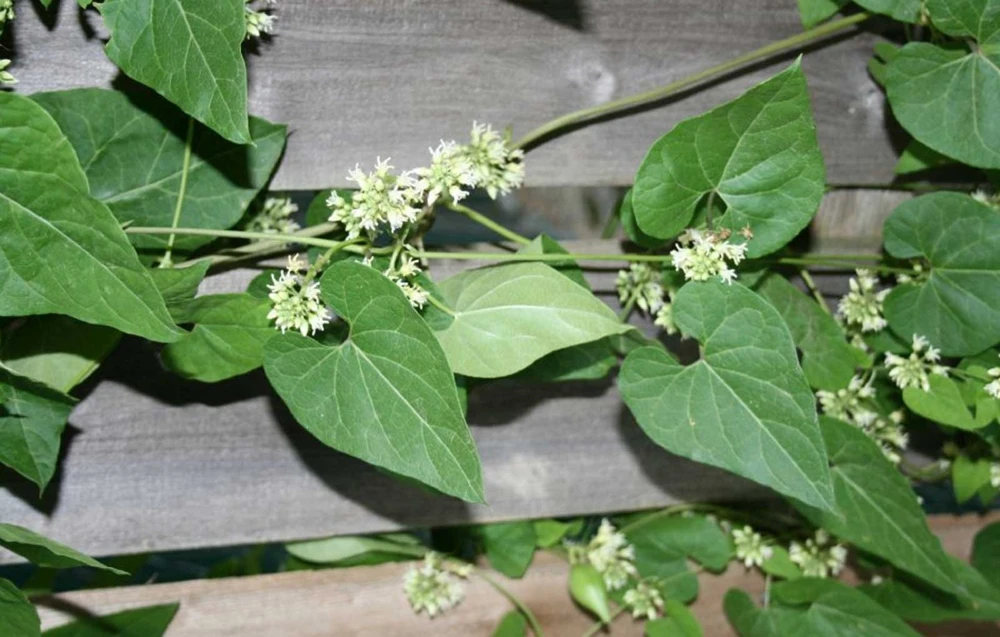
Cynanchum laeve Seeds – Sand Vine Milkweed – 5 Seeds – Attracts Monarchs & Queen Butterflies
Original price was: 48.91 $.19.91 $Current price is: 19.91 $.
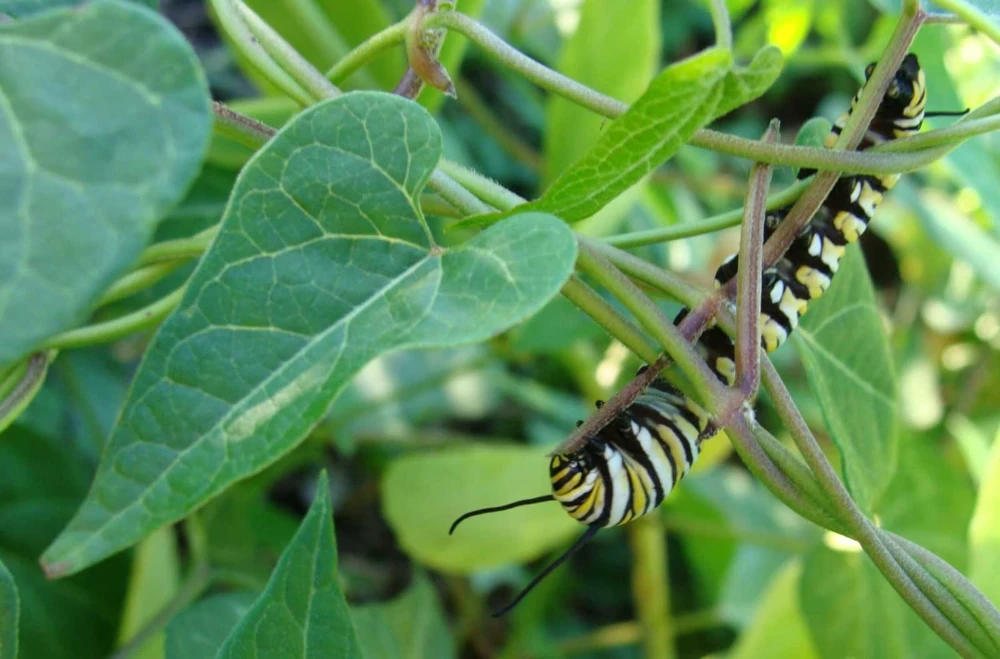
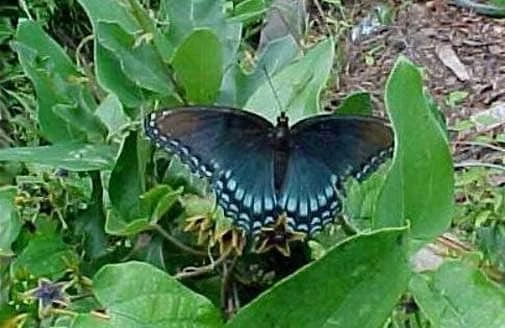
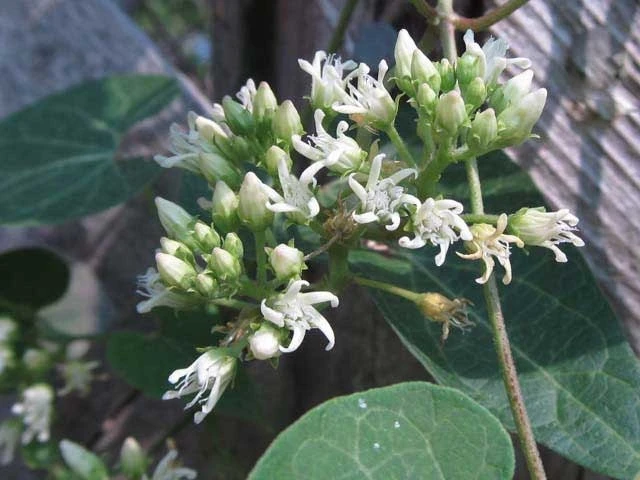
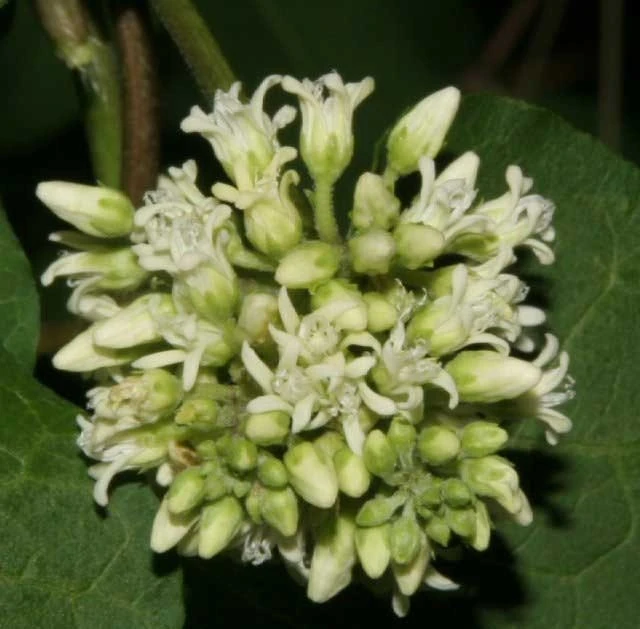
Cultivate Cynanchum laeve seeds, also known as sand vine milkweed or honeyvine milkweed. These seeds grow into a vital monarch host plant, attracting Monarch and Queen butterflies, as well as other nectar gatherers. Suitable for USDA Zones 4-9, this plant thrives in sun to partial shade, blooming from mid-summer to early fall. Be aware it is an aggressive vine plant.
Estimated arrival
Nov 27
Dec 02 - Dec 04
Dec 04 - Dec 09
See our Shipping Policy.
Get in touch with us via email, and our team will review your concerns.
Our Alive & Thrive Guarantee covers issues with your plants within the first 30 days. Read our Refund & Returns Policy.
-
USDA Hardiness Zone
USDA Hardiness Zones 4 to 9 -
Soil Type
Well-draining loamy soil -
Sunlight Exposure
Mostly sun to partial shade -
Expected Planting Period
Spring to early summer
Overview
Discover the captivating world of the Cynanchum laeve seeds, an exceptional choice for gardeners looking to support local wildlife. Also widely known as sand vine milkweed, Honey Vine, Blue Vined Milkweed, or honeyvine milkweed, this plant offers a unique opportunity to cultivate a vibrant habitat in your own backyard. These seeds will grow into a robust vine that serves as a crucial larval host plant for both Monarch and Queen butterflies, making it an indispensable addition to any pollinator garden. While often misunderstood due to its aggressive growth habit, its ecological benefits are undeniable, attracting a plethora of nectar-feeding insects and birds. Many butterfly enthusiasts report that Monarchs frequently prefer this vine over other Asclepias species, highlighting its value as a significant food source and breeding ground for these beloved insects.
Our Cynanchum laeve seeds provide a simple and rewarding way to introduce this beneficial plant into your landscape. Ideal for zones 4 to 9, this resilient vine can adapt to various growing conditions, from mostly sun to partial shade. Its blooming period extends from the middle of summer into early fall, ensuring a continuous supply of nectar during peak butterfly activity. While it is known to be an aggressive vine plant, strategic placement and regular management can harness its beauty and ecological contributions without it overwhelming other plants. Embrace the opportunity to foster biodiversity and enjoy the constant flutter of butterflies with this remarkable plant.
Key Benefits
Integrating Cynanchum laeve seeds into your garden offers a multitude of benefits, transforming your outdoor space into a thriving ecosystem. This plant is not just beautiful; it’s a powerhouse for wildlife support, particularly for iconic butterfly species.
- Monarch and Queen Butterfly Host Plant: The primary benefit of growing sand vine milkweed is its role as a larval host for Monarch and Queen butterflies. Providing a safe place for caterpillars to feed and develop is crucial for these species’ survival, and many report Monarchs showing a preference for this plant.
- Attracts Nectar Gatherers: Beyond butterflies, the flowers of this vine are a magnet for a wide array of nectar-feeding insects, including various bees and other beneficial pollinators, enhancing the biodiversity of your garden.
- Extended Bloom Period: Enjoy beautiful blooms from mid-summer through early fall, ensuring a consistent food source for pollinators during their active seasons.
- Adaptable to Various Conditions: This resilient plant thrives in a range of light conditions, from full sun to partial shade, making it versatile for different garden settings.
- Hardy and Resilient: Suitable for USDA Hardiness Zones 4 to 9, it can withstand a broad spectrum of temperatures, making it a robust choice for many regions.
- Ecological Contribution: By planting Cynanchum laeve seeds, you directly contribute to the conservation efforts of endangered butterfly populations and support the overall health of your local ecosystem.
- Natural Beauty: Despite its aggressive nature, the vine produces attractive foliage and flowers that add a lush, natural aesthetic to trellises, fences, or other structures where it can be managed.
Plant Care & Growing Tips
Growing Cynanchum laeve seeds, or sand vine milkweed, can be a rewarding experience, provided you understand its specific needs and tendencies. This resilient vine requires attention to its growth habit to prevent it from becoming overly dominant in your garden. For optimal growth, plant your seeds in a location that receives mostly sun to partial shade. Aim for at least 4-6 hours of direct sunlight daily for the best flowering and vigor. While adaptable, consistent moisture is beneficial during the germination and establishment phases, but once mature, the plant is relatively drought-tolerant. Ensure the soil is well-draining to prevent root rot, as soggy conditions are detrimental to its health.
The ideal soil for honeyvine milkweed is a loamy, well-drained type, but it can tolerate a variety of soil conditions. USDA Hardiness Zones 4 to 9 are suitable for this plant, indicating its ability to withstand cold winters and hot summers. Fertilization is generally not heavily required for this vigorous grower, especially if planted in rich soil. However, a balanced, slow-release fertilizer can be applied in spring to support lush growth. Due to its nature as an aggressive vine plant, it is crucial to select a planting site where its spread can be managed, perhaps near a fence, trellis, or in an area where it can be regularly trimmed. Monitor for common garden pests, though this plant is generally robust. Regular pruning will help maintain its shape and prevent it from climbing over desired plants, allowing you to enjoy its ecological benefits without concern.
Size & Details
Each packet contains 5 Cynanchum laeve seeds, ready for planting to establish your own sand vine milkweed patch. The mature vine can reach significant lengths, typically growing 10-20 feet annually, making it an excellent choice for covering fences, arbors, or providing dense ground cover if allowed to ramble. While specific width can vary depending on support and pruning, it will spread vigorously. These seeds are shipped in a protective packet to ensure viability upon arrival. Expect germination within 2-4 weeks under ideal conditions, with the plant establishing rapidly thereafter. The blooming period for honeyvine milkweed extends from mid-summer until early fall, offering a continuous supply of nectar for pollinators. Its growth rate is considered fast, so prepare for a quick-growing and robust addition to your landscape. This plant is well worth its aggressive nature for the sheer volume of wildlife it attracts.
Frequently Asked Questions
- Q: How many Cynanchum laeve seeds are included in a packet? A: Each packet contains 5 high-quality Cynanchum laeve seeds, providing a good starting point for establishing this beneficial vine in your garden.
- Q: How big does the sand vine milkweed plant get? A: This vigorous vine can grow quite long, typically reaching lengths of 10-20 feet in a single growing season. Its spread depends on available support and whether it’s allowed to ramble.
- Q: Is this an indoor or outdoor plant? A: Cynanchum laeve is primarily an outdoor plant, thriving in garden settings within USDA Hardiness Zones 4-9. It is not typically grown as an indoor houseplant.
- Q: How much sunlight does honeyvine milkweed need? A: For best results, plant honeyvine milkweed in a location that receives mostly sun to partial shade, ideally 4-6 hours of direct sunlight per day.
- Q: Is this plant easy to care for? A: While it is an aggressive vine plant that requires management to prevent overgrowth, its basic care requirements for sun, water, and soil are relatively straightforward, making it moderately easy to care for.
- Q: What condition will the seeds arrive in? A: The Cynanchum laeve seeds will arrive in a protective packet, ensuring their viability and readiness for planting upon delivery.
- Q: Is this plant good for beginners? A: Yes, with proper planning for its aggressive growth, a beginner can successfully grow this plant and enjoy its benefits for pollinators.
- Q: How long until sand vine milkweed blooms from seed? A: Depending on planting time and growing conditions, you can expect the plant to begin blooming in its first or second year, typically from mid-summer to early fall.
- Q: When is the best time to plant Cynanchum laeve seeds? A: The best time to plant is typically in spring after the last frost, allowing the seeds to germinate and establish during the warmer months.
- Q: Will it survive winter in my zone? A: Yes, if you are within USDA Hardiness Zones 4-9, the plant is hardy and should survive winter, returning in the spring.
Be the first to review “Cynanchum laeve Seeds – Sand Vine Milkweed – 5 Seeds – Attracts Monarchs & Queen Butterflies”
Related products


You May Like

How to Grow Passion Flower (Passiflora) for Tropical Blooms
Few climbing vines in the home garden command attention quite like the exotic Passion Flower (Passiflora). [...]
Nov

Thanksgiving Cactus Care: How to Get Thanksgiving Cactus to Bloom
Is your Thanksgiving cactus growing well but not giving you any flowers? Maybe it looked [...]
Nov

How to Grow Garlic for a Bountiful Home Harvest
Garlic (Allium sativum) is one of the most satisfying, low-maintenance, and flavor-packed crops you can [...]
Oct

Hardneck vs. Softneck Garlic: Which Should You Grow?
Have you ever stood in front of a seed catalog in mid-September, staring at dozens [...]
1 Comment
Oct

When to Plant Music Garlic: Ultimate US Fall Guide
Have you ever spent your fall weekend placing carefully chosen garlic cloves into rich, dark [...]
1 Comment
Oct

5 Best Bulbs for Fall Planting: Brighten Your Garden This Spring
Are you dreaming of a garden full of vibrant colors in the spring? The key [...]
Aug

10 Houseplants That Will Thrive in Your Kitchen
Are you tired of your kitchen feeling dull and lifeless? Want to add a little [...]
1 Comment
Aug
Reviews
There are no reviews yet.