
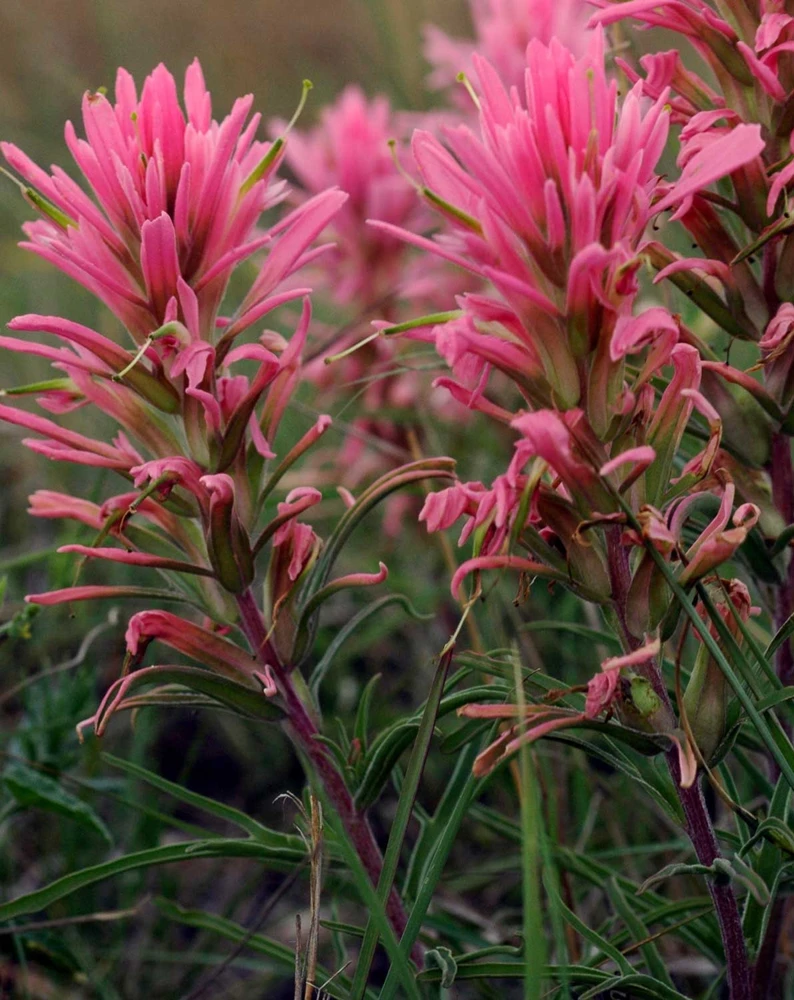
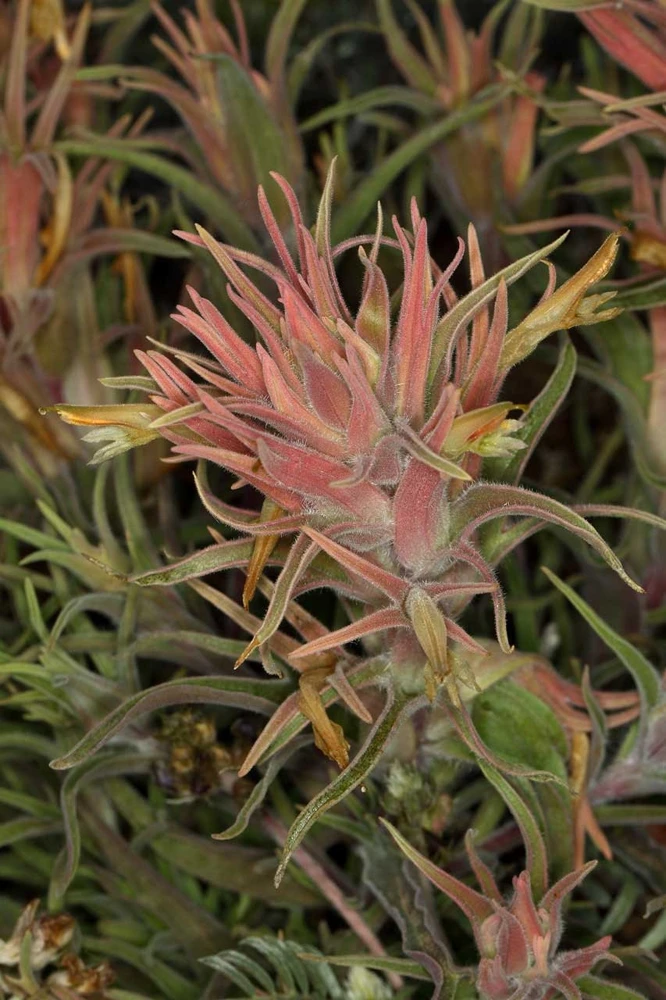
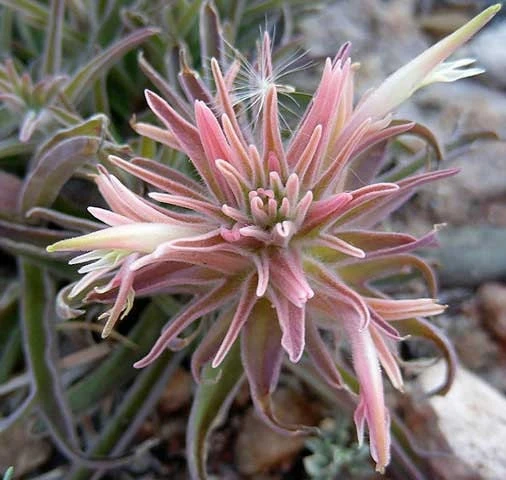
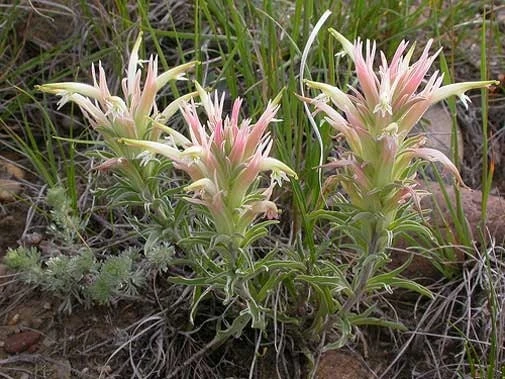
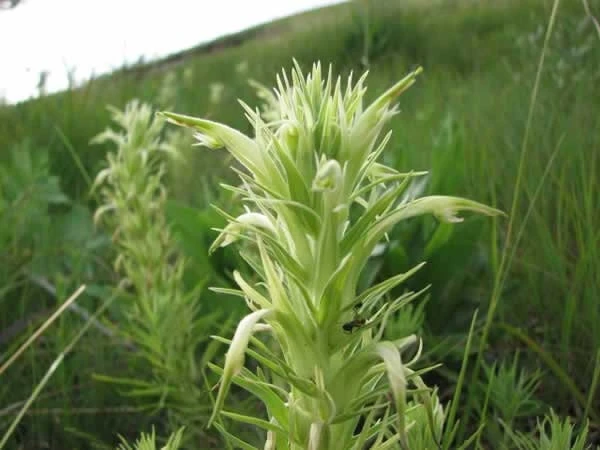
Downy Indian Paintbrush Seeds – Castilleja sessiliflora – 20 Seeds
Original price was: 48.91 $.19.91 $Current price is: 19.91 $.
Cultivate stunning downy Indian paintbrush seeds (Castilleja sessiliflora) in your garden. This unique native wildflower acts as a butterfly host plant, attracting various Checkerspot butterflies. Perfect for naturalized landscapes, these parasitic plant seeds require a host grass for optimal growth.
Estimated arrival
Nov 26
Dec 01 - Dec 03
Dec 03 - Dec 08
See our Shipping Policy.
Get in touch with us via email, and our team will review your concerns.
Our Alive & Thrive Guarantee covers issues with your plants within the first 30 days. Read our Refund & Returns Policy.
-
USDA Hardiness Zone
3 to 8 -
Soil Type
Well-draining soil -
Sunlight Exposure
Full sun -
Expected Planting Period
Fall to early spring
Overview
Embark on a rewarding gardening journey by growing downy Indian paintbrush seeds. Also scientifically known as Castilleja sessiliflora, or commonly as downy paintedcup, this fascinating native wildflower offers a unique addition to any garden. Unlike many plants, the Castilleja sessiliflora is partially parasitic, meaning it taps into the root systems of nearby host plants (typically short grasses) to supplement its nutrient and water intake. This ecological characteristic makes it an intriguing specimen and a conversation starter in any naturalized or wildflower setting. Growing to a height of up to 1 foot, it provides delicate beauty and vital ecological support, particularly for native butterfly populations. These native wildflower seeds allow you to introduce a piece of the prairie into your own backyard, fostering biodiversity and enjoying its subtle charm.
Key Benefits
Planting downy Indian paintbrush seeds offers a multitude of benefits for both your garden and local ecosystem:
- Attracts Butterflies: This plant is a crucial butterfly host plant for several species, including the Leanira, Theona, Black, and Edith’s Checkerspot butterflies. By growing it, you’re directly supporting these beautiful pollinators’ life cycles.
- Unique Growth Habit: Its partial parasitic nature makes it a fascinating botanical subject, showcasing the intricate relationships within an ecosystem. It’s a great educational plant for children and adults alike.
- Native Wildflower Beauty: The subtle, often creamy yellow to pinkish-purple flowers add a touch of natural elegance to native plant gardens, rock gardens, or meadows.
- Drought Tolerant: Once established, Castilleja sessiliflora is known for its resilience and ability to thrive in drier conditions, making it a low-maintenance choice for appropriate climates.
- Ecological Contribution: By cultivating these native wildflower seeds, you contribute to local biodiversity and help restore natural habitats, providing food and shelter for various insects.
- Edible Flowers: The flowers of the downy Indian paintbrush seeds can be eaten in small amounts and in moderation, offering a unique culinary experience (consume with caution and in small quantities).
- Hardy & Resilient: Suitable for a wide range of climates, thriving in USDA Hardiness Zones 3 to 8, making it adaptable to many regions.
Plant Care & Growing Tips
Growing downy Indian paintbrush seeds successfully requires understanding its unique needs, particularly its partial parasitic nature. These parasitic plant seeds need to be sown directly near a suitable host plant, typically a short grass. Prepare a well-draining soil mix; while it can tolerate a variety of soil types, good drainage is key. Plant the seeds in a sunny location, ensuring they receive at least 6 hours of direct sunlight per day. Adequate sunlight is crucial for the plant’s photosynthetic activity, even though it relies on a host for some nutrients.
Watering should be consistent but not excessive, especially during establishment. Once mature, Castilleja sessiliflora is quite drought-tolerant. Fertilization is generally not needed, as the plant obtains nutrients from its host. The most critical step is ensuring the presence of a host plant; consider planting with a native short grass species to give your downy Indian paintbrush seeds the best chance to thrive. Monitor for common garden pests, though native plants often exhibit good resistance. These wildflowers are an excellent choice for a low-maintenance, ecologically beneficial garden once established.
Size & Details
This product offers 20 seeds of downy Indian paintbrush seeds (Castilleja sessiliflora). Once established, the plants typically grow to a maximum height of 1 foot, forming an upright, slender structure. These plants are ideal for naturalized plantings, rock gardens, or wildflower meadows where their unique growth habit can be appreciated. They are shipped as viable seeds, ready for planting. The expected time to bloom can vary but generally occurs in late spring to early summer, providing a splash of color and attracting beneficial insects. The long-term establishment of these parasitic plant seeds depends on successful host plant integration and appropriate growing conditions.
Frequently Asked Questions
- Q: How big does the Downy Indian Paintbrush get? A: The downy Indian paintbrush seeds will grow into plants that typically reach a maximum height of 1 foot, making them a compact addition to your garden.
- Q: Is this an indoor or outdoor plant? A: Castilleja sessiliflora is an outdoor plant, best suited for gardens, meadows, or naturalized areas where it can establish its parasitic relationship with host grasses.
- Q: How much sunlight does it need? A: The Downy Indian Paintbrush thrives in full sun, requiring at least 6 hours of direct sunlight daily for optimal growth and flowering.
- Q: Is this plant easy to care for? A: While growing downy Indian paintbrush seeds requires understanding its parasitic nature and providing a host plant, once established, it is relatively low-maintenance and drought-tolerant.
- Q: What condition will the seeds arrive in? A: You will receive 20 seeds in a protective packet, ready for planting in your garden.
- Q: Can I use Downy Indian Paintbrush in cooking? A: The flowers of the Downy Indian Paintbrush can be consumed in small amounts and in moderation. However, other parts of the plant are toxic due to high selenium content, so exercise caution.
- Q: When is the best time to plant Downy Indian Paintbrush seeds? A: For best results, sow these native wildflower seeds in late fall or early spring, allowing for natural stratification if needed.
- Q: Will it survive winter in my zone? A: Yes, Castilleja sessiliflora is very hardy and suitable for USDA Hardiness Zones 3 to 8, meaning it can withstand cold winters in a wide range of regions.
- Q: What kind of host plant does Downy Indian Paintbrush need? A: This parasitic plant seeds requires a suitable host, typically a short grass species, to tap into for nutrients. Planting it alongside native grasses is recommended.
- Q: Why are these called ‘paintedcup’? A: The common name ‘paintedcup’ refers to the vibrant, often colorful bracts (leaf-like structures) that surround the small, inconspicuous flowers, giving the appearance of a painted cup.
Be the first to review “Downy Indian Paintbrush Seeds – Castilleja sessiliflora – 20 Seeds”
Related products


Flower Seeds


Flower Seeds
Blue Stock Matthiola Incana Seeds – 50 Fragrant Gillyflower Seeds – Ten-Week Blue Stock


You May Like

How to Grow Passion Flower (Passiflora) for Tropical Blooms
Few climbing vines in the home garden command attention quite like the exotic Passion Flower (Passiflora). [...]
Nov

Thanksgiving Cactus Care: How to Get Thanksgiving Cactus to Bloom
Is your Thanksgiving cactus growing well but not giving you any flowers? Maybe it looked [...]
Nov

How to Grow Garlic for a Bountiful Home Harvest
Garlic (Allium sativum) is one of the most satisfying, low-maintenance, and flavor-packed crops you can [...]
Oct

Hardneck vs. Softneck Garlic: Which Should You Grow?
Have you ever stood in front of a seed catalog in mid-September, staring at dozens [...]
1 Comment
Oct

When to Plant Music Garlic: Ultimate US Fall Guide
Have you ever spent your fall weekend placing carefully chosen garlic cloves into rich, dark [...]
1 Comment
Oct

5 Best Bulbs for Fall Planting: Brighten Your Garden This Spring
Are you dreaming of a garden full of vibrant colors in the spring? The key [...]
Aug

10 Houseplants That Will Thrive in Your Kitchen
Are you tired of your kitchen feeling dull and lifeless? Want to add a little [...]
1 Comment
Aug
Reviews
There are no reviews yet.