
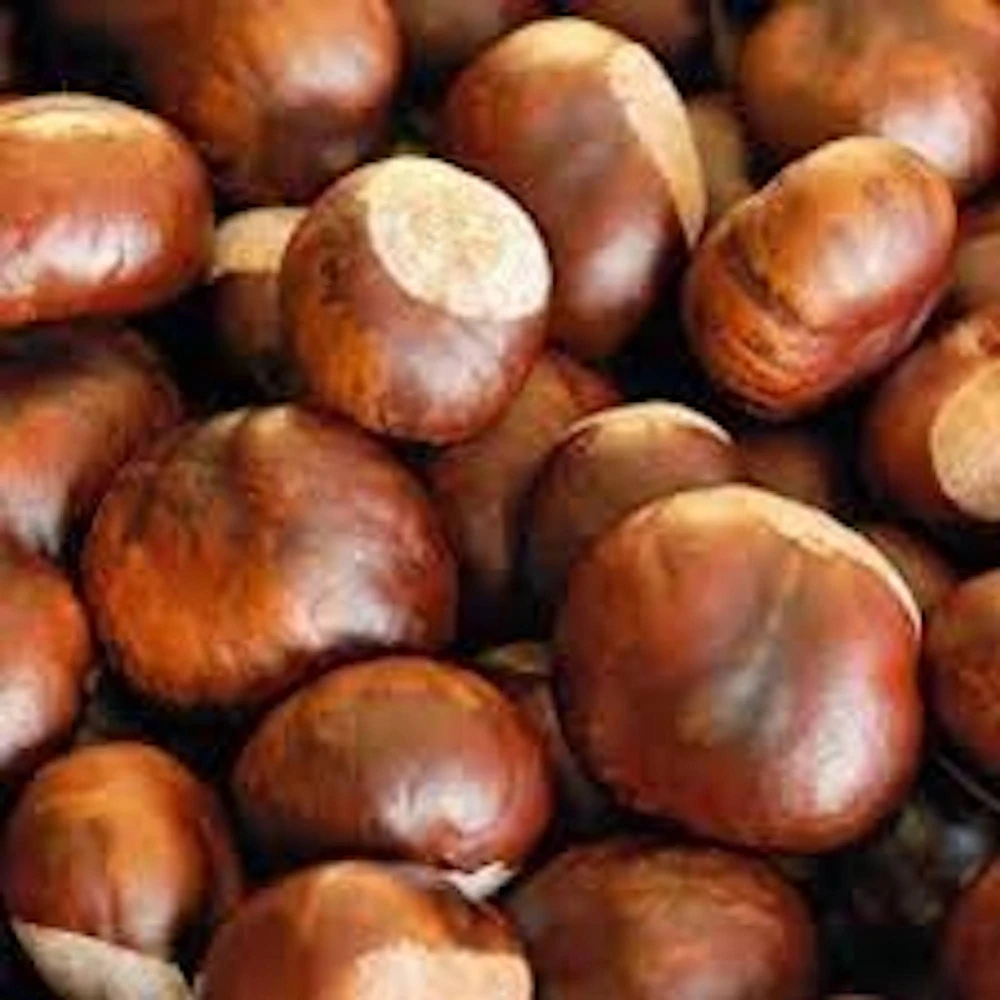
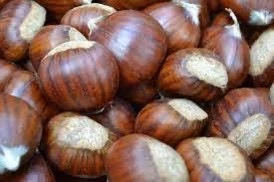
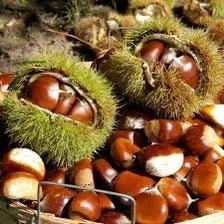
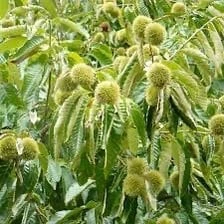
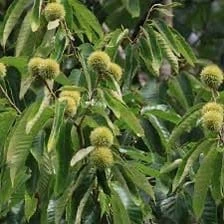
Dunstan Chestnut Tree Seeds – Blight Resistant American Hybrid for Planting
Original price was: 48.50 $.18.50 $Current price is: 18.50 $.
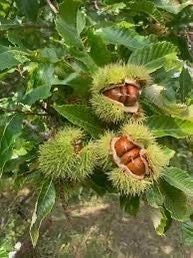
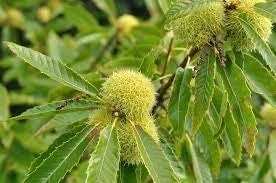
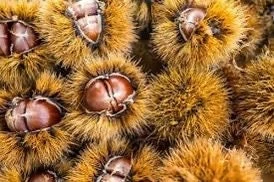
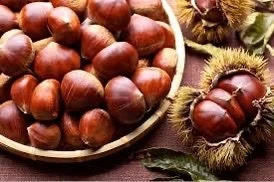
Start your own grove with Dunstan Chestnut tree seeds, a proven blight resistant chestnut American hybrid. These high-quality seeds are perfect for planting and growing robust, nut-producing trees. Ideal for growers and wildlife enthusiasts.
Estimated arrival
Nov 27
Dec 02 - Dec 04
Dec 04 - Dec 09
See our Shipping Policy.
Get in touch with us via email, and our team will review your concerns.
Our Alive & Thrive Guarantee covers issues with your plants within the first 30 days. Read our Refund & Returns Policy.
-
USDA Hardiness Zone
USDA zones 5-9 -
Soil Type
Well-draining sandy loam -
Sunlight Exposure
Full sun -
Expected Planting Period
Early spring
Overview
Cultivate a legacy with our premium Dunstan Chestnut tree seeds, a remarkable blight resistant chestnut American hybrid. These seeds offer an excellent opportunity to grow strong, productive chestnut trees, known for their abundant and delicious nuts. Originating from the renowned Dr. Dunstan strain, these chestnuts have a long-standing reputation for vigor and disease resistance, making them a superior choice for both experienced horticulturists and novice gardeners. Each seed is carefully selected and prepared for optimal germination, ensuring you receive the best possible start for your future chestnut grove. Whether you’re aiming to restore native chestnut populations, provide food for wildlife, or enjoy fresh, homegrown nuts, these American hybrid chestnut seeds are an ideal foundation.
Our commitment to quality means these chestnut seeds for planting are meticulously float-tested and kept in cold storage, undergoing a natural cold stratification process to mimic winter conditions. This stratification is crucial for breaking dormancy and preparing the seeds for successful germination once planted. By choosing these seeds, you’re investing in a proven strain that consistently produces beautiful, healthy trees capable of yielding bountiful harvests. The nuts are not only a treat for humans but also a vital food source for various wildlife, contributing to local ecosystems. Experience the satisfaction of nurturing a magnificent tree from a single seed, knowing you’re growing a resilient and fruitful American hybrid.
Key Benefits
Our Dunstan Chestnut tree seeds offer numerous advantages for growers and the environment:
- Blight Resistance: These seeds are from a blight resistant chestnut strain, significantly increasing the chances of growing healthy, long-lived trees in areas affected by chestnut blight. This resistance is a critical factor in the successful reintroduction of chestnuts.
- American Hybrid Vigor: As an American hybrid chestnut, these trees combine the best traits of American and Chinese chestnuts, offering robust growth, adaptability, and high nut production. They are designed to thrive in various climates and soil types.
- High Nut Production: Mature trees grown from these seeds are known for their generous yields of large, sweet, and flavorful nuts, perfect for roasting, baking, or eating fresh. You can expect a consistent supply of delicious chestnuts.
- Wildlife Food Source: The abundant nuts provide an excellent and highly nutritious food source for deer, turkeys, squirrels, and other wildlife, making these trees a valuable addition to any property focused on ecological support or hunting.
- Ecological Restoration: Planting these chestnut seeds for planting contributes to the restoration of the American chestnut, a once-dominant tree species that was decimated by blight. Your efforts help bring back a vital part of forest ecosystems.
- Easy to Grow: With proper care and stratification, these seeds are straightforward to germinate and grow into saplings, suitable for both experienced gardeners and those new to growing trees from seed.
- Long-Term Investment: A chestnut tree is a long-term asset, providing beauty, shade, and a consistent food source for decades. Growing from seed offers the satisfaction of seeing a tree mature from its very beginning.
Plant Care & Growing Tips
To successfully grow chestnut tree from our Dunstan Chestnut tree seeds, careful attention to stratification, planting, and ongoing care is essential. Upon arrival, keep your seeds refrigerated (do not freeze) until you are ready to plant. The seeds have already undergone initial cold stratification, but maintaining this cool, moist environment is vital for their viability. Plant your seeds in well-draining soil, ideally a sandy loam with a slightly acidic to neutral pH (5.5-7.0). Good drainage is critical, as chestnuts are susceptible to root rot in waterlogged conditions. Consider adding organic matter to improve soil structure and nutrient content. For outdoor planting, choose a site that receives full sun, meaning at least 6-8 hours of direct sunlight per day. Adequate sunlight is crucial for strong growth and nut production.
When planting, bury the seeds about 1-2 inches deep with the flat side down, or on their side to prevent water from pooling on top. Space them appropriately if planting multiple seeds in a nursery bed, allowing enough room for initial growth before transplanting. Water thoroughly after planting to settle the soil. Consistent moisture is important, especially during the first few years of growth, but avoid overwatering. Fertilize sparingly in the first year, focusing on a balanced, slow-release formula if needed. Protect young seedlings from pests and browsing animals, as they are particularly vulnerable. The ideal USDA hardiness zones for growing Dunstan Chestnut tree seeds are typically 5-9, though specific microclimates can extend this range. Ensure your chosen location provides sufficient protection from harsh winds and extreme temperatures, especially for young trees. Monitor for any signs of disease or pests and address them promptly to ensure healthy development of your American hybrid chestnut trees.
Size & Details
These Dunstan Chestnut tree seeds are provided ready for planting, having undergone essential cold stratification to promote germination. Each seed is a potential future tree, capable of growing into a magnificent specimen. Mature American hybrid chestnut trees typically reach heights of 30-50 feet, with a spread of 20-30 feet, creating a substantial canopy. The growth rate is moderate to fast, depending on growing conditions, with trees often beginning to produce nuts within 3-5 years after planting. The seeds are shipped in peat moss to maintain ideal moisture and temperature during transit, ensuring they arrive in optimal condition for the grower. While specific individual seed dimensions vary, they are suitable for direct planting or starting in pots before transplanting to their permanent outdoor location. With proper care, these seeds will develop into robust trees, offering both aesthetic beauty and a valuable harvest for many years.
Frequently Asked Questions
- Q: How big do trees grown from these Dunstan Chestnut tree seeds get? A: Mature trees grown from these Dunstan Chestnut tree seeds typically reach impressive heights of 30-50 feet, with a canopy spread of 20-30 feet. Their size makes them excellent shade trees and a significant presence in the landscape.
- Q: Is this an indoor or outdoor plant? A: These chestnut seeds are for growing outdoor trees. While you can start them indoors in pots, they need to be transplanted outdoors to a suitable location to develop into full-sized, nut-producing trees. They are not suitable as permanent indoor plants.
- Q: How much sunlight does a blight resistant chestnut tree need? A: To thrive and produce abundant nuts, a blight resistant chestnut tree requires full sun exposure. This means at least 6-8 hours of direct sunlight per day is necessary for optimal growth and fruit development.
- Q: What condition will the chestnut seeds arrive in? A: Your chestnut seeds for planting will arrive carefully packed in peat moss. This ensures they remain moist and cool during transit, preserving their viability and continuing their cold stratification process until you are ready to plant them.
- Q: Is this American hybrid chestnut easy to care for? A: Growing an American hybrid chestnut from seed requires some initial care, especially regarding stratification and protection for young seedlings. Once established, they are relatively low-maintenance but benefit from consistent watering during dry periods and protection from pests.
- Q: How long until trees grown from these seeds produce nuts? A: Trees grown from these seeds typically begin to produce nuts within 3-5 years after planting, depending on growing conditions and care. As they mature, nut production will increase significantly.
- Q: What is the best time to plant these Dunstan Chestnut tree seeds? A: The best time to plant these stratified Dunstan Chestnut tree seeds is in early spring, after the last frost. This allows them to establish before the heat of summer and prepares them for their first growing season.
Be the first to review “Dunstan Chestnut Tree Seeds – Blight Resistant American Hybrid for Planting”
Related products


You May Like

How to Grow Passion Flower (Passiflora) for Tropical Blooms
Few climbing vines in the home garden command attention quite like the exotic Passion Flower (Passiflora). [...]
Nov

Thanksgiving Cactus Care: How to Get Thanksgiving Cactus to Bloom
Is your Thanksgiving cactus growing well but not giving you any flowers? Maybe it looked [...]
Nov

How to Grow Garlic for a Bountiful Home Harvest
Garlic (Allium sativum) is one of the most satisfying, low-maintenance, and flavor-packed crops you can [...]
Oct

Hardneck vs. Softneck Garlic: Which Should You Grow?
Have you ever stood in front of a seed catalog in mid-September, staring at dozens [...]
1 Comment
Oct

When to Plant Music Garlic: Ultimate US Fall Guide
Have you ever spent your fall weekend placing carefully chosen garlic cloves into rich, dark [...]
1 Comment
Oct

5 Best Bulbs for Fall Planting: Brighten Your Garden This Spring
Are you dreaming of a garden full of vibrant colors in the spring? The key [...]
Aug

10 Houseplants That Will Thrive in Your Kitchen
Are you tired of your kitchen feeling dull and lifeless? Want to add a little [...]
1 Comment
Aug
Reviews
There are no reviews yet.