
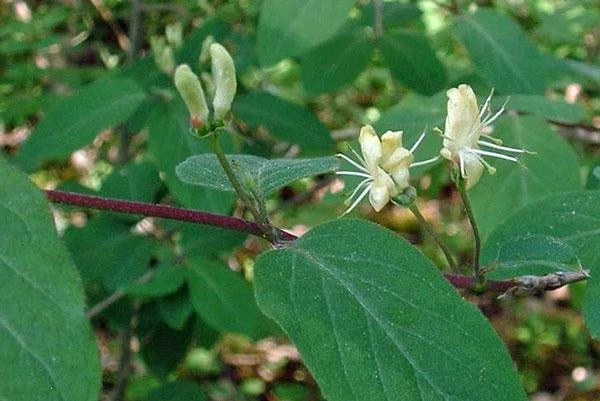
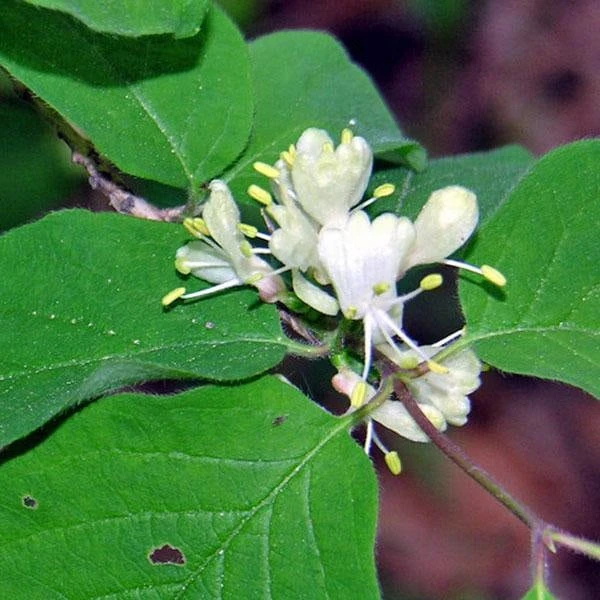
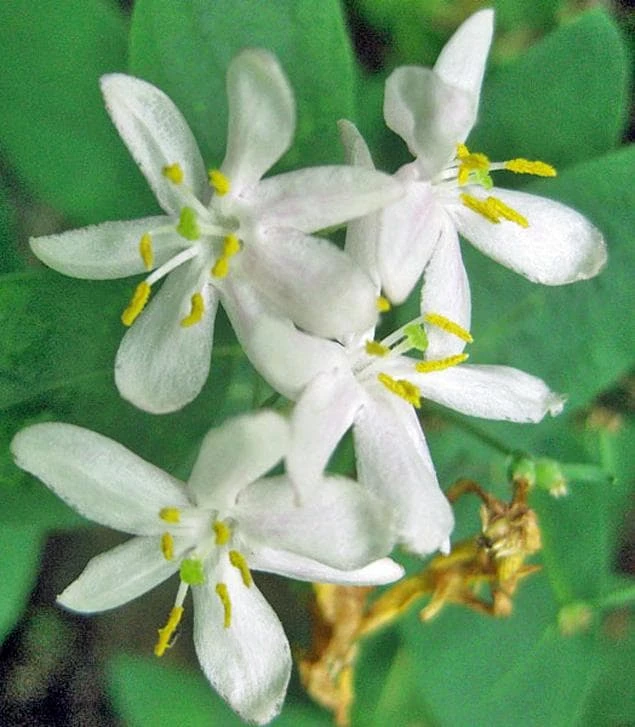
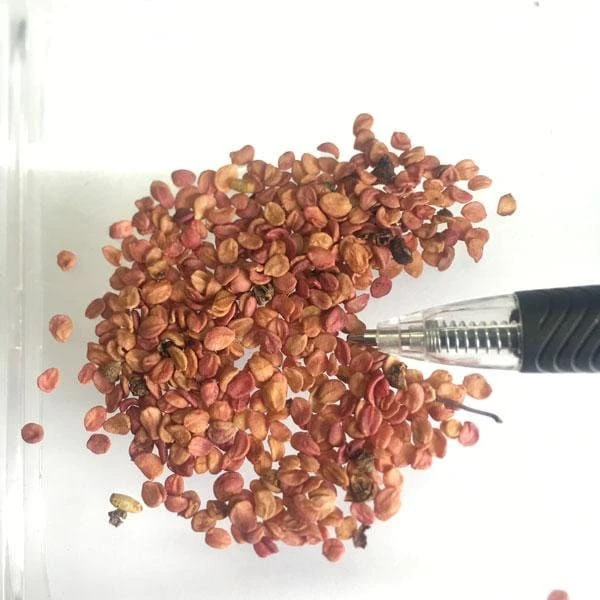
Dwarf Fly Honeysuckle Seeds – Lonicera xylosteum – 25 Seeds for Outdoor Planting
Original price was: 25.00 $.17.50 $Current price is: 17.50 $.
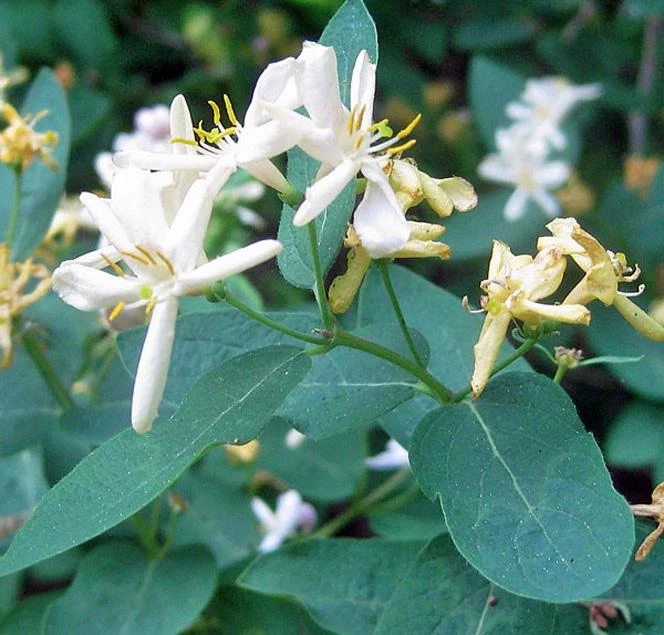
Cultivate a charming, resilient landscape with dwarf fly honeysuckle seeds. This packet contains 25 seeds of Lonicera xylosteum, a deciduous shrub known for its attractive yellowish-white flowers and ability to attract insects and birds. Ideal for hedges in colder regions, it’s also deer and drought tolerant.
Estimated arrival
Nov 27
Dec 02 - Dec 04
Dec 04 - Dec 09
See our Shipping Policy.
Get in touch with us via email, and our team will review your concerns.
Our Alive & Thrive Guarantee covers issues with your plants within the first 30 days. Read our Refund & Returns Policy.
-
USDA Hardiness Zone
Zones 4-6 -
Soil Type
Well-drained, sandy compost -
Sunlight Exposure
Full sun to partial shade -
Expected Planting Period
Late winter to early spring (after cold stratification)
Overview
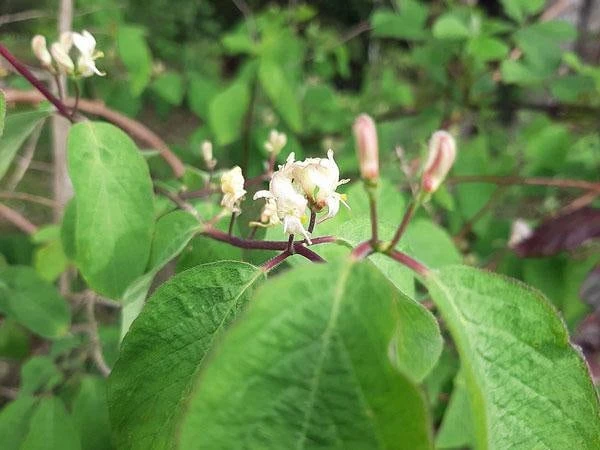
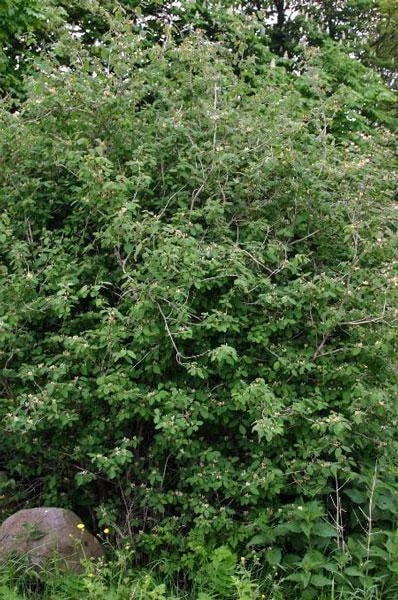
Embark on a rewarding gardening journey by planting dwarf fly honeysuckle seeds. This packet contains 25 high-quality seeds of Lonicera xylosteum, also known as European fly honeysuckle or fly woodbine. This deciduous perennial shrub is a delightful addition to any garden, offering both aesthetic appeal and ecological benefits. Native to Europe, Caucasus, Siberia, and China, this resilient plant thrives in various conditions. The Lonicera xylosteum seeds will grow into a robust shrub that can reach up to 10 feet tall and 12 feet wide, making it an excellent choice for creating natural hedges or providing a focal point in your landscape. Its yellowish-white blooms, appearing from May to June, are not only beautiful but also attract a variety of beneficial insects and birds, contributing to your garden’s biodiversity. Known for its hardiness, this plant is also deer and drought tolerant, making it a low-maintenance option for busy gardeners.
Growing dwarf fly honeysuckle seeds allows you to cultivate a plant that is both beautiful and functional. Whether you’re aiming to establish a wildlife-friendly garden or simply seeking a resilient and attractive shrub, Lonicera xylosteum is an excellent choice. Its adaptability to different climates and soil types further enhances its appeal. With proper care, your honeysuckle will flourish, providing years of natural beauty and ecological support. These honeysuckle shrub seeds offer an economical and satisfying way to expand your garden’s offerings.
Key Benefits
The dwarf fly honeysuckle seeds offer numerous advantages for gardeners looking to enhance their outdoor spaces. This plant is celebrated for its ease of care and its positive impact on local ecosystems.
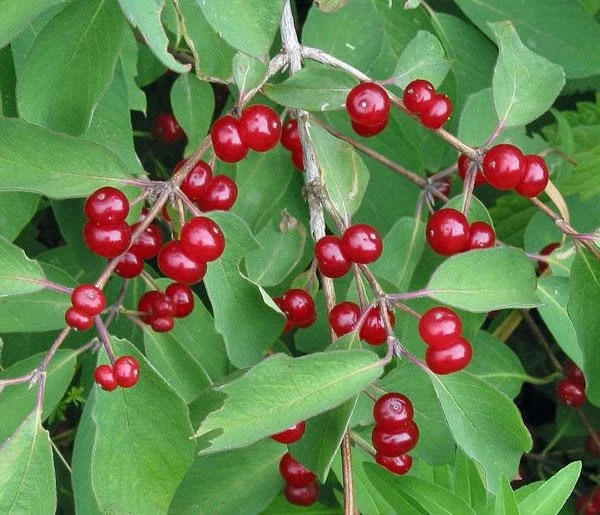
- Attracts Wildlife: The yellowish-white blooms of Lonicera xylosteum are a magnet for various insects, including pollinators, and its berries provide a food source for birds, enriching your garden’s biodiversity.
- Deer and Drought Tolerant: Once established, this shrub is highly resistant to deer browsing and can withstand periods of drought, reducing the need for constant attention and watering.
- Versatile Landscaping Use: Its robust growth habit makes it ideal for use as a natural hedge, providing privacy and structure to your garden. It can also be grown as a standalone specimen.
- Low Maintenance: This hardy plant requires minimal care, thriving with basic attention, making it suitable for both experienced and novice gardeners. Growing European fly honeysuckle is a straightforward process.
- Attractive Blooms: The delicate yellowish-white flowers that emerge in late spring to early summer add a charming touch to any garden setting.
- Adaptable to Zones 4-6: The dwarf fly honeysuckle is well-suited for a wide range of climates, demonstrating excellent cold hardiness.
- Erosion Control: Its extensive root system can help stabilize soil on slopes, preventing erosion and maintaining garden integrity.
Plant Care & Growing Tips
Successfully growing dwarf fly honeysuckle seeds requires attention to specific conditions to ensure robust growth. The initial germination process is crucial. Begin by mixing the Lonicera xylosteum seeds with moistened soil in a ziplock bag. Label the bag clearly and place it in the refrigerator for 60 days. This cold stratification period mimics natural winter conditions and helps break seed dormancy, preparing them for germination. After stratification, sow the seeds into a well-drained, sandy compost. Cover the seeds to their own depth with sand or fine grit. Place the seed tray in bright light and ensure the compost remains consistently moist but not waterlogged. Germination may be slow, so patience is key.
Once seedlings emerge and are ready for transplanting, choose a suitable location in your garden. Dwarf fly honeysuckle prefers full sun but will benefit from some afternoon shade, especially in hotter climates, to prevent leaf scorch. It is adaptable to a variety of soil types, but thrives best in well-drained soil. Good drainage is essential to prevent root rot. While established plants are drought tolerant, young plants will require regular watering to help them establish strong root systems. For USDA Zones 4-6, this shrub is reliably hardy and can withstand cold winters. Fertilization is generally not heavily required, but a balanced slow-release fertilizer in early spring can promote vigorous growth. Pruning can be done in late winter or early spring to maintain shape and remove any dead or damaged branches. Keep an eye out for common pests, though this plant is relatively resistant, and address any issues promptly with organic solutions.
Size & Details
This product includes 25 dwarf fly honeysuckle seeds, ready for planting to cultivate your own Lonicera xylosteum shrubs. Once mature, these resilient plants can reach an impressive height of up to 10 feet and spread up to 12 feet wide, forming a substantial and attractive presence in your garden. Their relatively fast growth rate means you won’t have to wait long to see significant development. The yellowish-white blooms typically appear from May to June, providing a seasonal display of delicate flowers.
The seeds are shipped in a protective packet, ensuring their viability upon arrival. With proper care and a successful germination process, you can expect these seeds to develop into healthy, mature shrubs over several growing seasons. The ultimate size and density of your honeysuckle shrub seeds will depend on growing conditions, including sunlight, soil quality, and available space. This plant is a long-term investment, offering years of beauty and ecological benefits.
Frequently Asked Questions
- Q: How big does this plant get? A: The dwarf fly honeysuckle can grow to an impressive size, typically reaching up to 10 feet tall and spreading 12 feet wide at maturity, making it suitable for hedges or large garden spaces.
- Q: Is this an indoor or outdoor plant? A: This is primarily an outdoor plant, well-suited for garden beds, hedges, and landscaping. It is hardy in USDA Zones 4-6.
- Q: How much sunlight does it need? A: Lonicera xylosteum prefers full sun exposure, but it will also benefit from some afternoon shade, especially in regions with intense summer heat.
- Q: Is this plant easy to care for? A: Yes, the dwarf fly honeysuckle is considered a low-maintenance plant. It is deer and drought tolerant once established, making it a good choice for beginners or busy gardeners.
- Q: What condition will the seeds arrive in? A: The Lonicera xylosteum seeds will arrive in a protective packet, ensuring their quality and readiness for planting.
- Q: How long until it blooms? A: After successful germination and establishment, the shrub typically begins to produce its yellowish-white blooms from May to June, usually within a few years of planting.
- Q: Will it survive winter in my zone? A: Yes, this plant is hardy in USDA Zones 4-6, meaning it is well-equipped to survive the cold winters within these regions.
- Q: What is the best soil type for these seeds? A: The fly woodbine seeds thrive in well-drained, sandy compost. Good drainage is crucial to prevent waterlogging and promote healthy root development.
- Q: Can I grow European fly honeysuckle in a container? A: While it can grow quite large, younger plants or smaller varieties might be kept in large containers, especially in regions outside its ideal hardiness zones. However, it’s generally best suited for inground planting due to its mature size.
- Q: What are the benefits of planting this honeysuckle? A: Beyond its attractive flowers, this honeysuckle attracts pollinators and birds, is deer and drought tolerant, and can be used for effective hedging, making it a valuable addition to any garden.
Be the first to review “Dwarf Fly Honeysuckle Seeds – Lonicera xylosteum – 25 Seeds for Outdoor Planting”
Related products


You May Like

How to Grow Passion Flower (Passiflora) for Tropical Blooms
Few climbing vines in the home garden command attention quite like the exotic Passion Flower (Passiflora). [...]
Nov

Thanksgiving Cactus Care: How to Get Thanksgiving Cactus to Bloom
Is your Thanksgiving cactus growing well but not giving you any flowers? Maybe it looked [...]
Nov

How to Grow Garlic for a Bountiful Home Harvest
Garlic (Allium sativum) is one of the most satisfying, low-maintenance, and flavor-packed crops you can [...]
Oct

Hardneck vs. Softneck Garlic: Which Should You Grow?
Have you ever stood in front of a seed catalog in mid-September, staring at dozens [...]
1 Comment
Oct

When to Plant Music Garlic: Ultimate US Fall Guide
Have you ever spent your fall weekend placing carefully chosen garlic cloves into rich, dark [...]
1 Comment
Oct

5 Best Bulbs for Fall Planting: Brighten Your Garden This Spring
Are you dreaming of a garden full of vibrant colors in the spring? The key [...]
Aug

10 Houseplants That Will Thrive in Your Kitchen
Are you tired of your kitchen feeling dull and lifeless? Want to add a little [...]
1 Comment
Aug
Reviews
There are no reviews yet.