
Eastwood’s Manzanita Seeds – Arctostaphylos Glandulosa – 20 Seeds – Outdoor Perennial
Original price was: 19.98 $.15.99 $Current price is: 15.99 $.
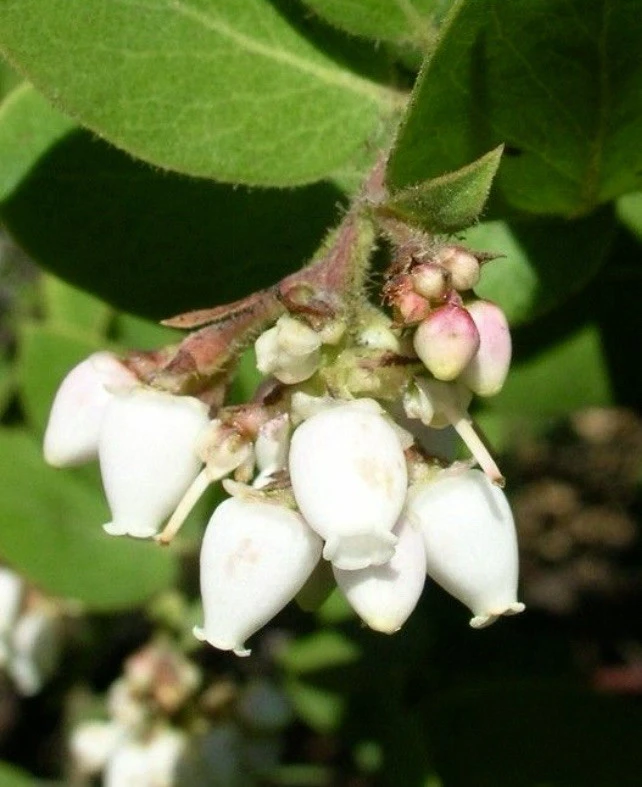
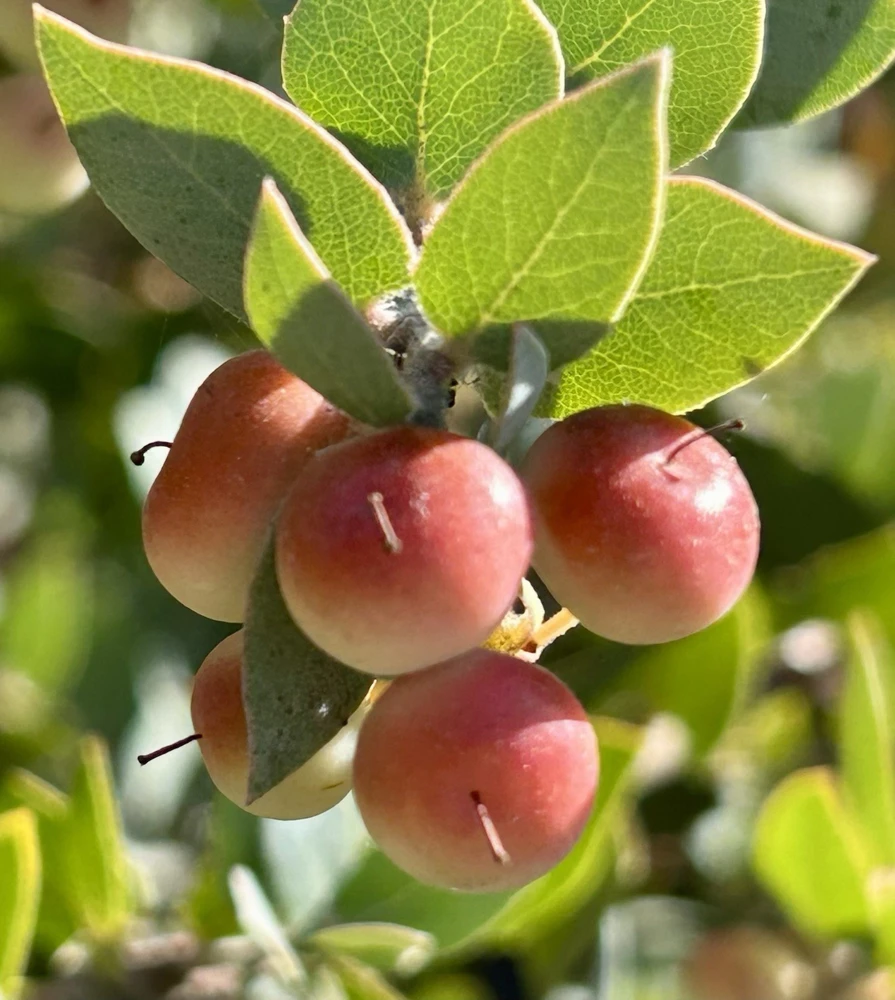
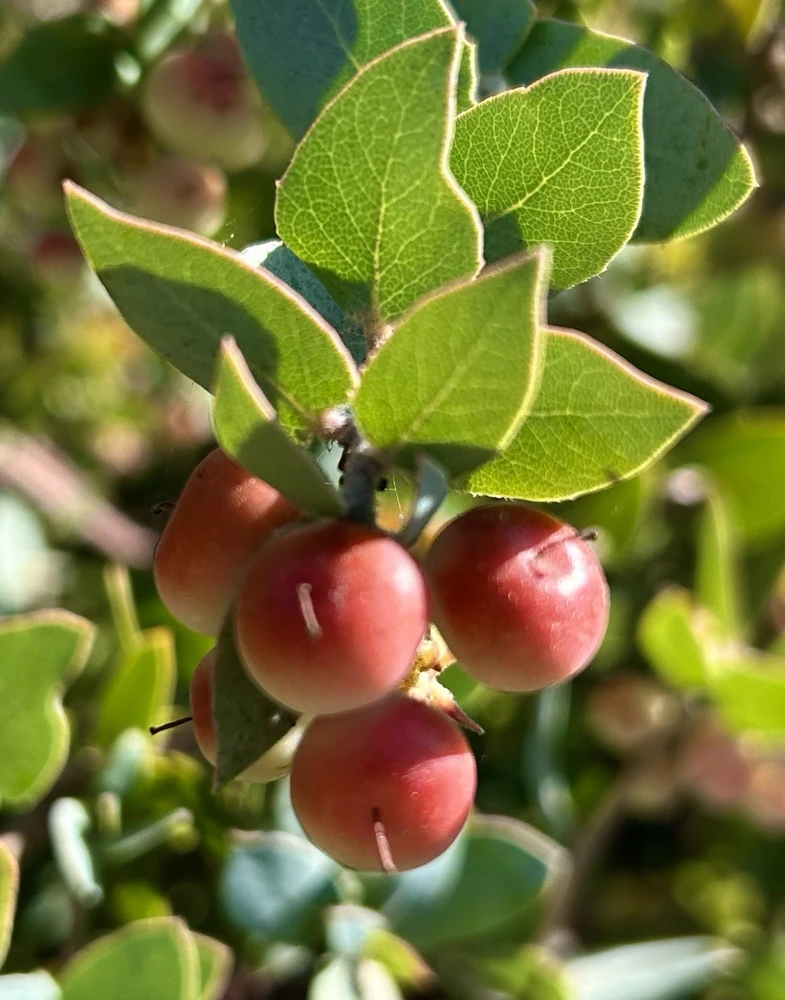
Cultivate the stunning Eastwood’s Manzanita seeds (Arctostaphylos Glandulosa) for a beautiful, drought-tolerant addition to your outdoor landscape. This pack contains 20 seeds, perfect for starting your own perennial shrub with green, white, and pink blooms. Ideal for full to medium sun exposure.
Estimated arrival
Nov 26
Dec 01 - Dec 03
Dec 03 - Dec 08
See our Shipping Policy.
Get in touch with us via email, and our team will review your concerns.
Our Alive & Thrive Guarantee covers issues with your plants within the first 30 days. Read our Refund & Returns Policy.
-
USDA Hardiness Zone
USDA zones 7-10 -
Soil Type
Well-draining, sandy or loamy soil -
Sunlight Exposure
Full Sun, Medium Sun -
Expected Planting Period
Fall or Spring after stratification
Overview
Embark on a rewarding gardening journey with Eastwood’s Manzanita seeds. This offering provides 20 high-quality seeds of Arctostaphylos Glandulosa, commonly known as Eastwood’s Manzanita. Originating from the United States, this resilient and attractive perennial shrub is celebrated for its distinctive clumping growth habit, striking green foliage, and delicate flowers that often feature shades of white and pink. Growing Eastwood’s Manzanita from seed allows you to witness the full life cycle of this remarkable plant, making it a fulfilling project for both novice and experienced gardeners. These seeds are a fantastic way to introduce a touch of native Californian beauty and ecological resilience into your garden landscape, contributing to local biodiversity and providing year-round interest.
Arctostaphylos Glandulosa seeds are ideal for those looking to create a low-maintenance, water-wise garden. Eastwood’s Manzanita thrives in outdoor environments, preferring full to medium sun exposure. Its evergreen nature ensures your garden maintains vibrancy throughout the seasons, with a particular season of interest spanning fall, spring, and summer when its characteristic blooms appear. This species is an excellent choice for xeriscaping, rock gardens, or as a naturalistic planting in native plant landscapes. The process of germinating and nurturing these seeds offers a unique connection to nature and the satisfaction of growing a robust, long-lived plant from its very beginning.
Key Benefits
Growing Eastwood’s Manzanita seeds brings a multitude of advantages to your garden and local ecosystem. This robust perennial offers aesthetic appeal combined with practical benefits:
- Drought Tolerance: Once established, Eastwood’s Manzanita is exceptionally drought-tolerant, requiring minimal water and making it an ideal choice for water-wise gardening and arid climates. This significantly reduces your garden’s water consumption.
- Year-Round Interest: As an evergreen shrub, it provides continuous green foliage throughout the year, with beautiful green, white, and pink flowers adding seasonal pops of color in fall, spring, and summer.
- Attracts Wildlife: The flowers of Arctostaphylos Glandulosa are a magnet for native pollinators, including bees and hummingbirds, supporting local ecosystems and enhancing garden biodiversity.
- Low Maintenance: This native plant is naturally adapted to its environment, meaning it requires less pruning, fertilizing, and general care compared to many non-native species, making Manzanita plant care relatively easy.
- Erosion Control: Its strong root system helps stabilize soil, making it an excellent choice for slopes and areas prone to erosion.
- Native Plant Appeal: Incorporating native plants like Eastwood’s Manzanita helps preserve local flora and provides essential habitat and food sources for native wildlife.
- Adaptable to Various Soils: While preferring well-draining soil, this species is quite adaptable and can thrive in a range of soil types, especially those found in its native habitat.
Plant Care & Growing Tips
Successfully growing Eastwood’s Manzanita seeds requires attention to specific environmental conditions, mimicking its native habitat. For germination, a period of cold stratification is often beneficial. Place seeds in a moist medium (like sand or peat) in a sealed bag and refrigerate for 60-90 days before planting. Once stratified, sow seeds thinly in a well-draining seed-starting mix, just barely covering them with soil. Maintain consistent moisture but avoid overwatering, which can lead to rot. Germination can be slow and sporadic, so patience is key.
Once seedlings emerge, provide them with bright, indirect light for the first few weeks, gradually transitioning them to full sun. Eastwood’s Manzanita thrives in full sun to medium sun exposure, needing at least 6 hours of direct sunlight per day to develop robustly and produce abundant blooms. The ideal soil type is well-draining, sandy, or loamy soil with a slightly acidic to neutral pH. Avoid heavy clay soils that retain too much moisture, as this can be detrimental to the roots. When transplanting, be mindful of the root system; Manzanitas generally do not like disturbance. Planting in the fall or spring is often recommended to allow plants to establish before extreme temperatures.
Watering should be consistent but moderate during the establishment phase. Once mature, Eastwood’s Manzanita is highly drought-tolerant and will only require supplemental watering during prolonged dry spells or extreme heat. Overwatering is a common cause of failure for this species. Fertilization is generally not necessary for established plants, especially in nutrient-poor native soils; excessive fertilizer can harm them. Pruning should be minimal, primarily to remove dead or damaged branches or to shape the plant lightly. Understanding how to grow Manzanita successfully involves appreciating its natural preferences and avoiding over-care, letting its inherent resilience shine.
Size & Details
This product includes 20 viable Eastwood’s Manzanita seeds (Arctostaphylos Glandulosa), providing a generous quantity to start your garden project. Eastwood’s Manzanita is a clumping perennial shrub that typically grows to a mature height of 3 to 10 feet (approximately 0.9 to 3 meters) with a similar spread, forming a dense, rounded or spreading silhouette. The growth rate is moderate, and plants will generally take a few years to reach a significant size, though flowering can begin within 2-3 years after germination. The seeds are packaged to ensure freshness and viability for planting in the current or upcoming season. Expect to see the characteristic green leaves and beautiful green, white, and pink flowers during its long season of interest from fall through summer. These seeds offer the opportunity to cultivate a robust and long-lived native shrub that will enhance your outdoor space for many years.
Frequently Asked Questions
- Q: How big does this plant get? A: Eastwood’s Manzanita typically grows into a substantial shrub, reaching heights of 3 to 10 feet with a similar spread. Its clumping growth habit forms a dense and attractive presence in the garden.
- Q: What is the best time to plant Eastwood’s Manzanita seeds? A: After cold stratification, the best time to plant Arctostaphylos Glandulosa seeds is in late fall or early spring. This allows the seedlings to establish themselves before the intense heat of summer or the deep cold of winter.
- Q: Is this an indoor or outdoor plant? A: Eastwood’s Manzanita is an outdoor perennial shrub. It thrives in natural garden settings and is not typically grown as an indoor houseplant due to its size and specific light requirements.
- Q: How much sunlight does it need? A: This plant prefers full sun to medium sun, meaning it needs at least 6 hours of direct sunlight per day to grow optimally and produce its characteristic green, white, and pink flowers.
- Q: Is this plant easy to care for? A: Once established, Manzanita plant care is relatively low-maintenance, especially in suitable climates. It’s drought-tolerant and generally requires minimal pruning and no fertilization. Initial care during germination and establishment is key.
- Q: What condition will the seeds arrive in? A: The perennial shrub seeds will arrive in a protective package, ensuring their viability and readiness for planting. We recommend proper storage and stratification upon receipt for best results.
- Q: How long until it blooms? A: While germination can take time, Eastwood’s Manzanita plants typically begin to flower within 2-3 years after the seeds have successfully germinated and the plants have established a healthy root system.
- Q: What type of soil does Eastwood’s Manzanita prefer? A: This plant thrives in well-draining, sandy, or loamy soils. It is crucial to avoid heavy clay soils that retain too much moisture, as excellent drainage is vital for its health.
- Q: Will it survive winter in my zone? A: Eastwood’s Manzanita is generally hardy in USDA zones 7-10, though specific hardiness can vary by cultivar and microclimate. It is a robust native species adapted to a range of mild winter conditions.
- Q: Can I grow Eastwood’s Manzanita in a container? A: While possible to start in containers, due to its mature size as a shrub, how to grow Manzanita long-term is best achieved by transplanting it into the ground where its root system can spread.
Be the first to review “Eastwood’s Manzanita Seeds – Arctostaphylos Glandulosa – 20 Seeds – Outdoor Perennial”
Related products


You May Like

How to Grow Passion Flower (Passiflora) for Tropical Blooms
Few climbing vines in the home garden command attention quite like the exotic Passion Flower (Passiflora). [...]
Nov

Thanksgiving Cactus Care: How to Get Thanksgiving Cactus to Bloom
Is your Thanksgiving cactus growing well but not giving you any flowers? Maybe it looked [...]
Nov

How to Grow Garlic for a Bountiful Home Harvest
Garlic (Allium sativum) is one of the most satisfying, low-maintenance, and flavor-packed crops you can [...]
Oct

Hardneck vs. Softneck Garlic: Which Should You Grow?
Have you ever stood in front of a seed catalog in mid-September, staring at dozens [...]
1 Comment
Oct

When to Plant Music Garlic: Ultimate US Fall Guide
Have you ever spent your fall weekend placing carefully chosen garlic cloves into rich, dark [...]
1 Comment
Oct

5 Best Bulbs for Fall Planting: Brighten Your Garden This Spring
Are you dreaming of a garden full of vibrant colors in the spring? The key [...]
Aug

10 Houseplants That Will Thrive in Your Kitchen
Are you tired of your kitchen feeling dull and lifeless? Want to add a little [...]
1 Comment
Aug
Reviews
There are no reviews yet.