
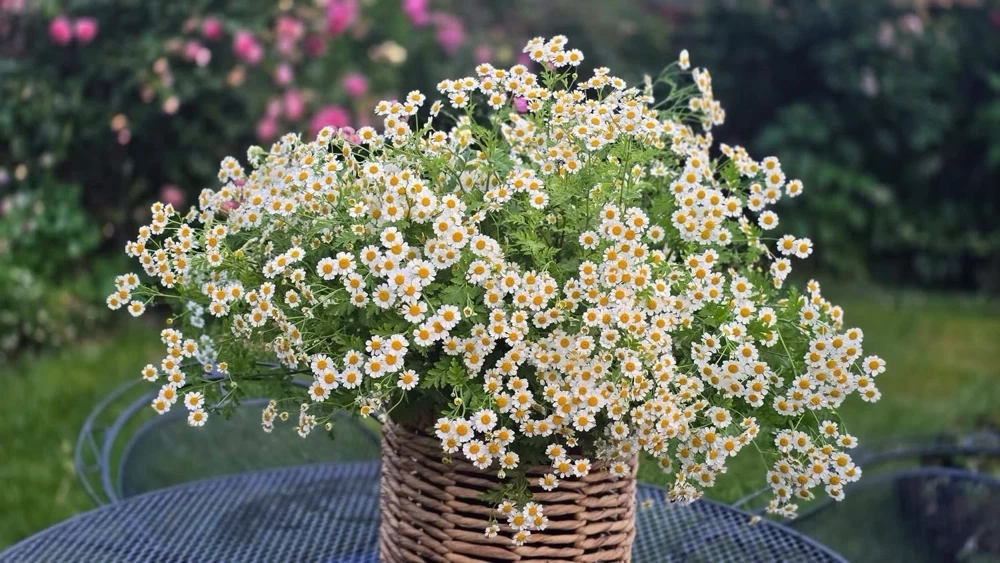
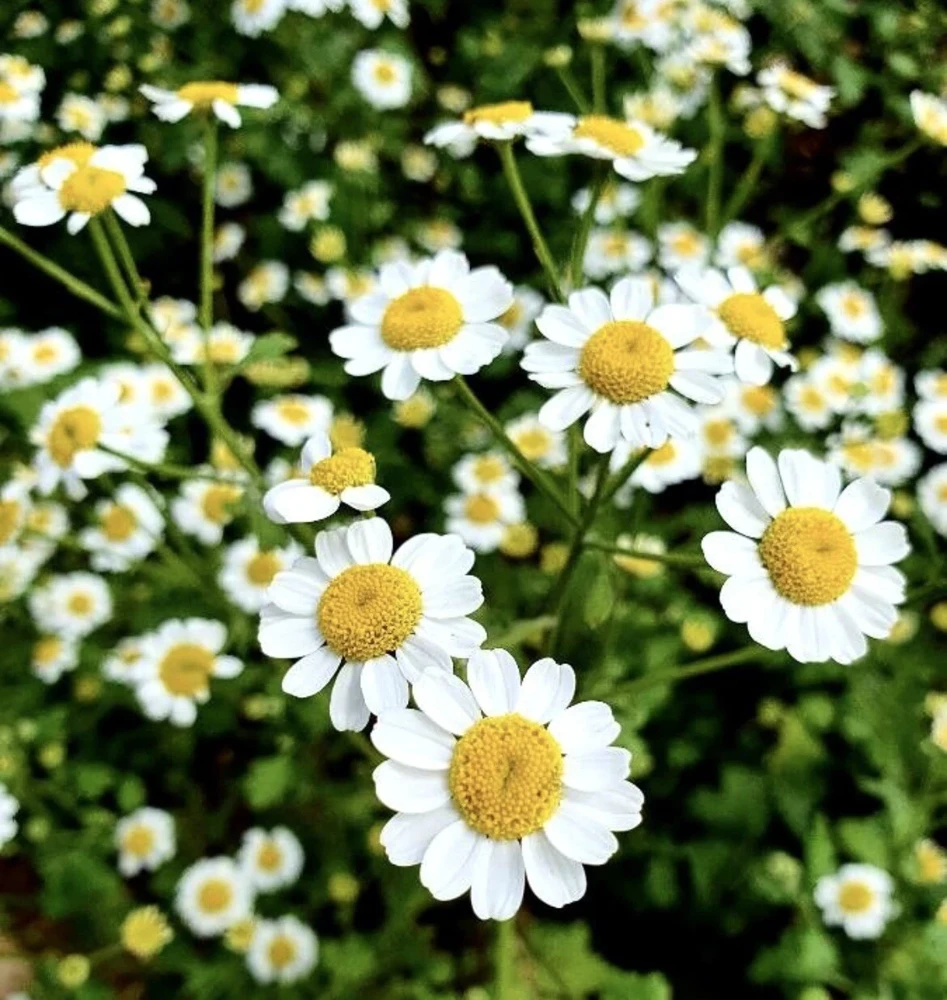
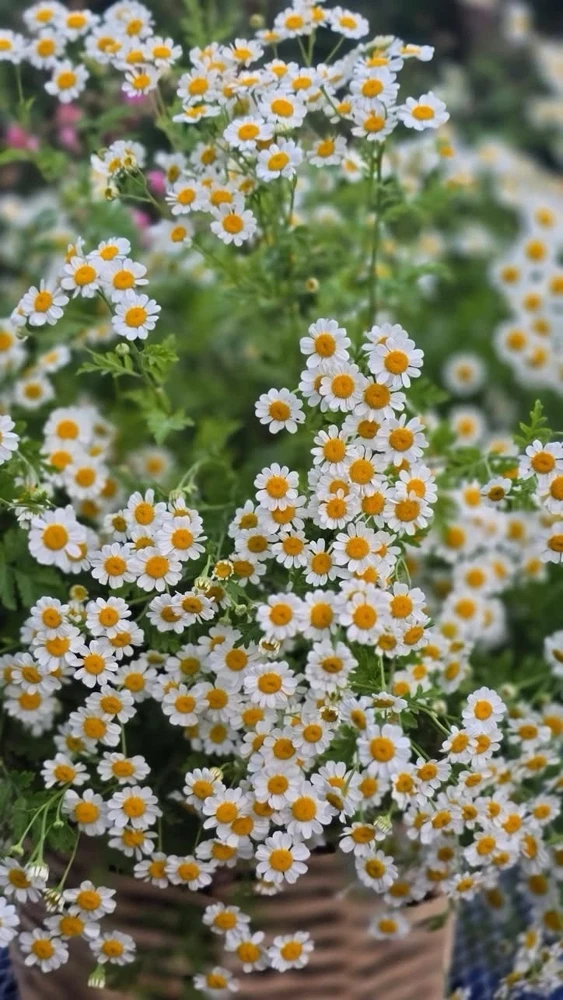
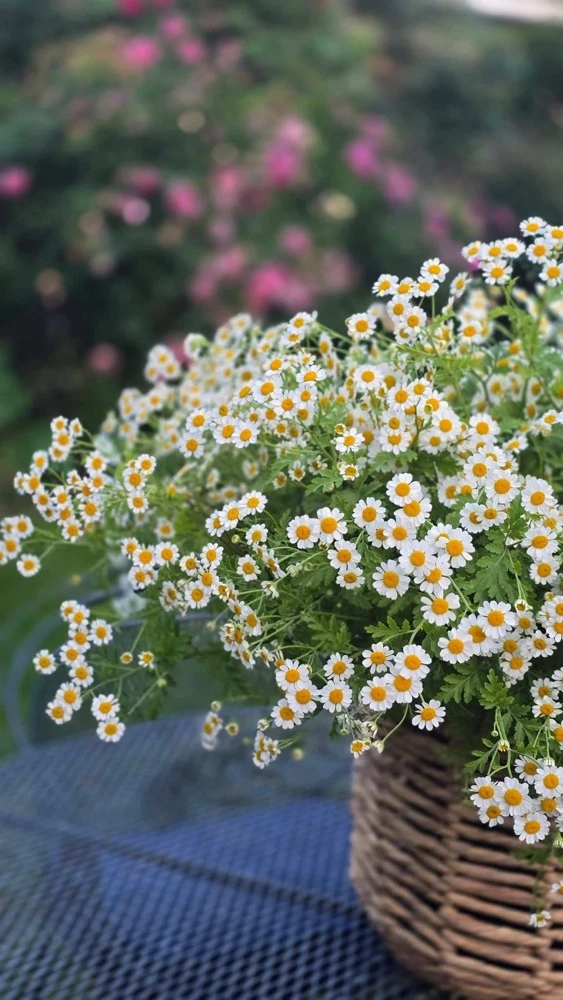
Feverfew Seeds – Tanacetum Parthenium – 200 Seeds – Perennial Flower
Original price was: 7.98 $.3.99 $Current price is: 3.99 $.
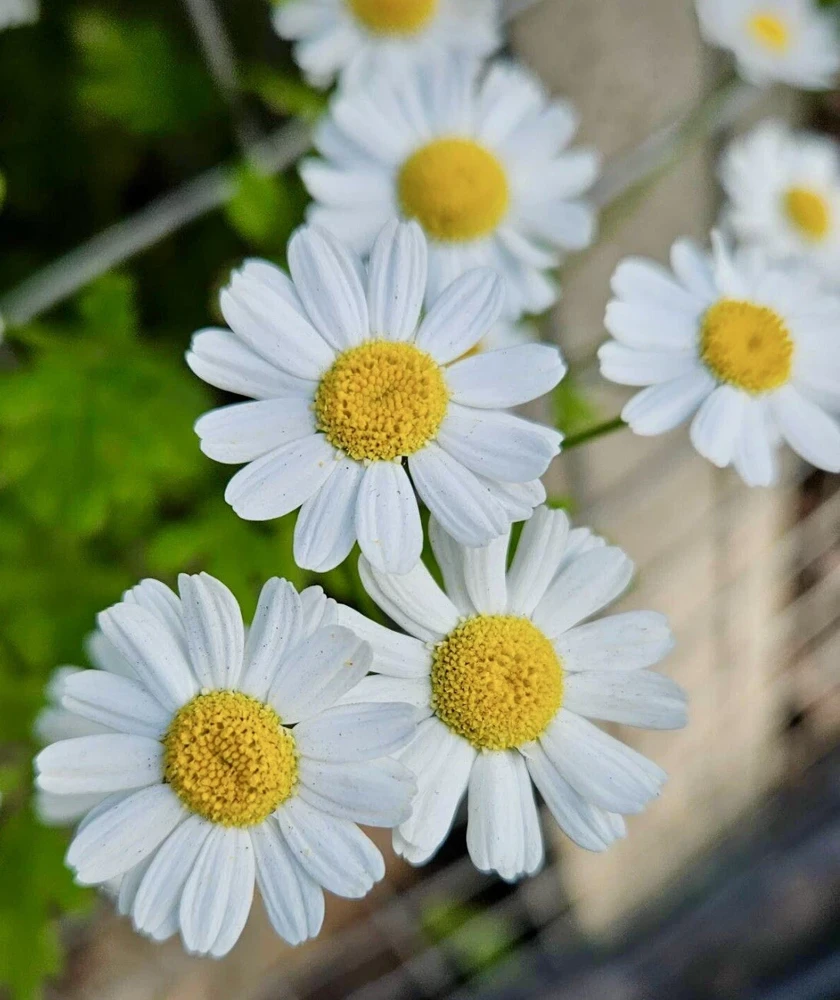
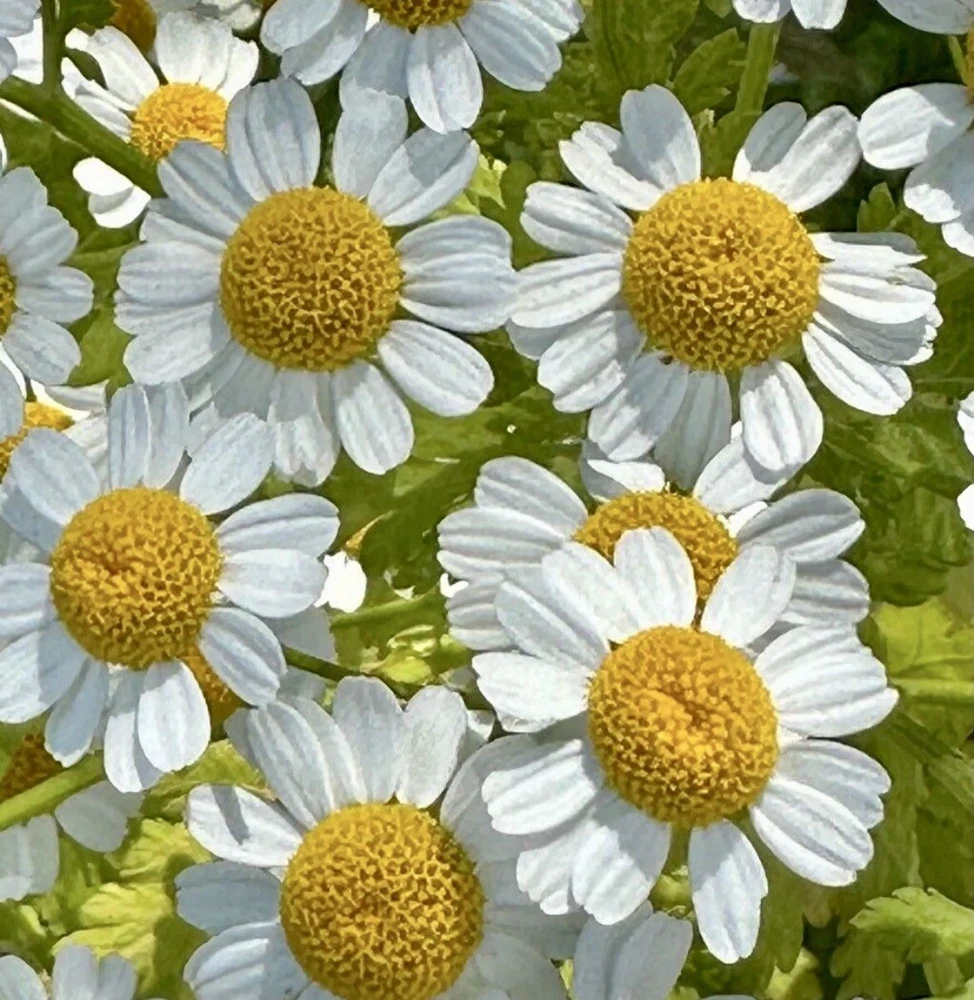
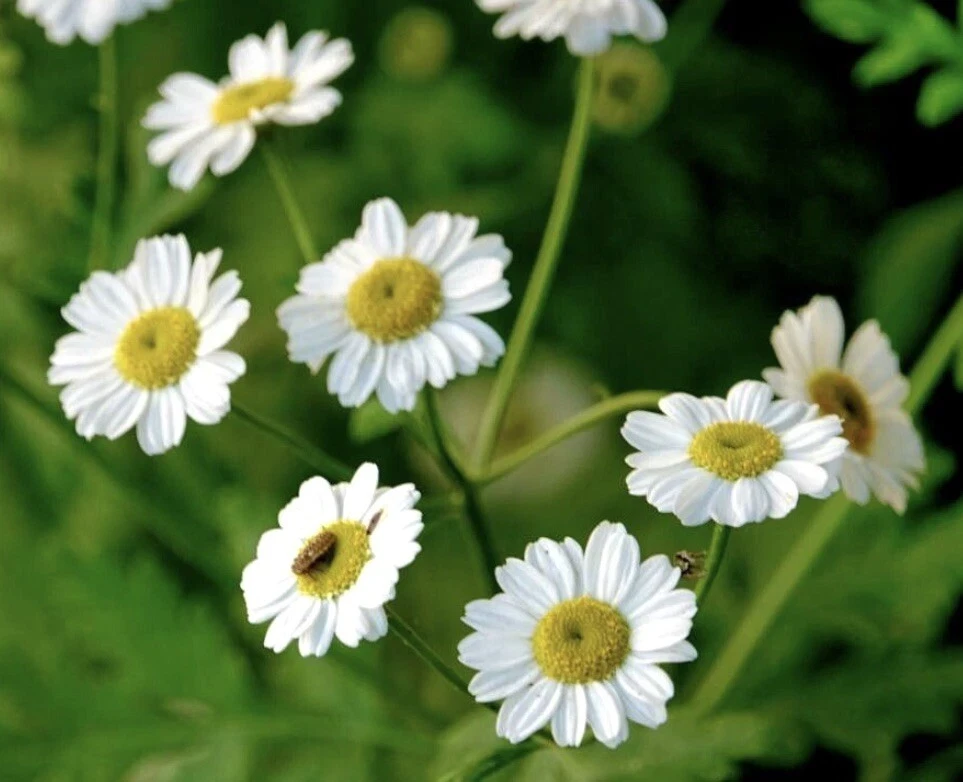
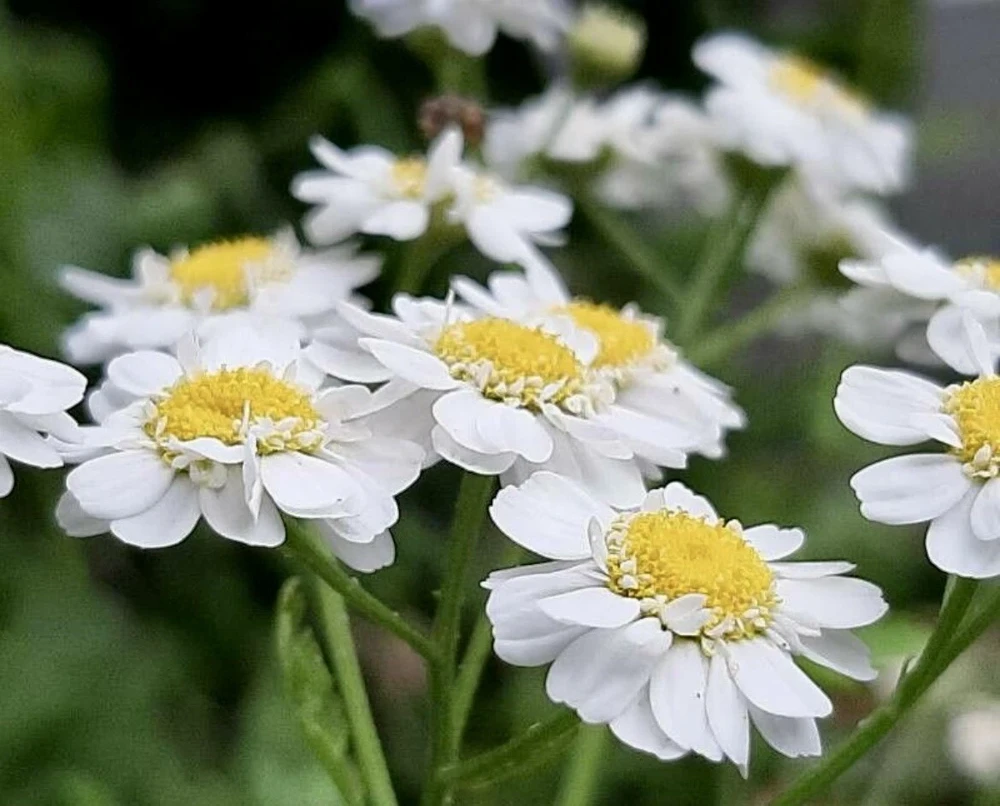
Cultivate charming white and yellow blooms with feverfew seeds (Tanacetum Parthenium). These perennial flower seeds are easy to grow outdoors, offering continuous beauty from spring to fall. Perfect for adding a touch of natural elegance to your garden landscape.
Estimated arrival
Nov 29
Dec 04 - Dec 06
Dec 06 - Dec 11
See our Shipping Policy.
Get in touch with us via email, and our team will review your concerns.
Our Alive & Thrive Guarantee covers issues with your plants within the first 30 days. Read our Refund & Returns Policy.
-
USDA Hardiness Zone
USDA Zones 5-9 -
Soil Type
Well-draining soil -
Sunlight Exposure
Full Sun, Medium Sun -
Expected Planting Period
Spring to early summer
Overview
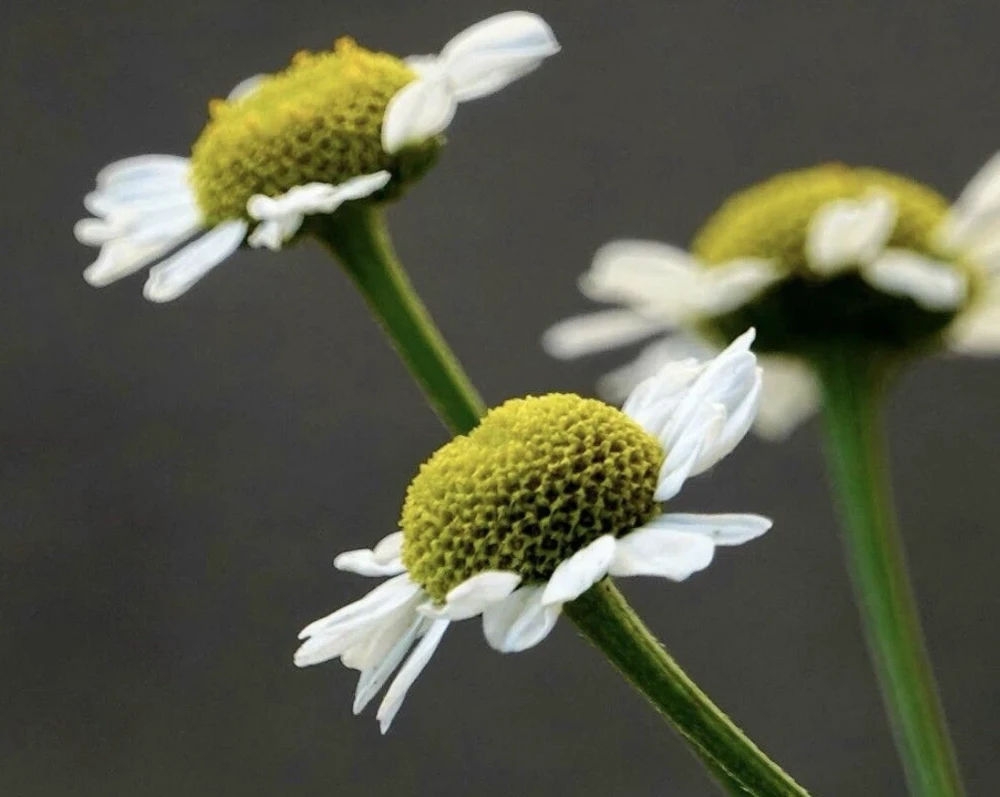
Discover the joy of growing your own beautiful flowers with our premium feverfew seeds (Tanacetum Parthenium). Feverfew is a delightful perennial herb celebrated for its profusion of small, daisy-like flowers with bright white petals and cheerful yellow centers. These charming blooms create a soft, cottage garden aesthetic, making them a favorite among gardeners. Our tanacetum parthenium seeds provide an excellent opportunity to establish a robust and attractive patch of this beneficial plant. Known for its resilience and ease of cultivation, feverfew is a wonderful addition to borders, herb gardens, or naturalized areas, attracting pollinators and adding continuous color throughout the growing season. Each packet contains 200 seeds, ensuring a generous supply to kickstart your vibrant garden display. Learn how to grow feverfew from seed and enjoy its beauty year after year.
Feverfew, also commonly known as Bachelor’s Buttons, is a member of the Asteraceae family and has been cultivated for centuries for both its ornamental appeal and traditional uses. The plant typically forms a bushy mound of aromatic, fern-like foliage that serves as an attractive backdrop to its abundant flowers. These perennial flower seeds are perfect for gardeners looking for low-maintenance yet high-impact floral options. Whether you’re a seasoned gardener or just starting out, growing feverfew seeds offers a rewarding experience with stunning results.
Key Benefits
Growing feverfew seeds in your garden offers a multitude of advantages, from aesthetic appeal to ecological benefits. These resilient plants provide continuous beauty and contribute positively to your garden’s ecosystem. Our tanacetum parthenium seeds are a fantastic choice for any garden enthusiast.
- Continuous Blooms: Feverfew produces a long season of cheerful white and yellow flowers, typically from late spring through fall, ensuring your garden remains vibrant for months. These continuous blooms make it an excellent choice for consistent garden color.
- Attracts Pollinators: The daisy-like flowers are a magnet for beneficial insects such as bees and butterflies, contributing to the health and biodiversity of your garden ecosystem. Planting feverfew seeds helps support local pollinator populations.
- Low Maintenance: Once established, feverfew is incredibly hardy and requires minimal care, making it an ideal plant for busy gardeners or those new to gardening. It’s a forgiving plant that thrives with little intervention.
- Deer Resistant: Its aromatic foliage tends to deter deer, protecting your garden from unwanted browsing while adding beauty. This natural defense mechanism is a significant benefit for gardens prone to deer visits.
- Versatile Use: Perfect for borders, cottage gardens, rockeries, or as a naturalized ground cover. Its adaptable nature means it can fit into various garden designs. You can easily grow feverfew from seed in multiple settings.
- Perennial Growth: As a perennial, feverfew returns year after year, saving you the effort and expense of replanting annually. These perennial flower seeds offer long-term garden enjoyment.
- Easy to Establish: These feverfew seeds are known for their high germination rate and vigorous growth, ensuring a successful start to your feverfew patch.
Plant Care & Growing Tips
Successfully cultivating feverfew seeds is straightforward, even for novice gardeners. These hardy plants are quite forgiving and, with a few basic considerations, will flourish in your garden. The key to successful growth begins with proper planting and understanding their environmental preferences. Knowing how to grow feverfew from seed ensures a vibrant display.
Sunlight and Location: Feverfew thrives in full sun to medium sun exposure, meaning it prefers at least 6 hours of direct sunlight per day. While it can tolerate some partial shade, too little sun may result in fewer blooms and leggy growth. Choose a well-drained spot in your garden where it can receive ample light. It is an outdoor plant, well-suited for garden beds, borders, and containers placed in sunny locations. Providing adequate sunlight is crucial for maximizing the flowering potential of your tanacetum parthenium seeds.
Soil and Watering: These plants are not particularly fussy about soil type but prefer well-draining soil. A sandy loam or general garden soil amended with some compost will work well. Avoid heavy, waterlogged soils, as this can lead to root rot. Once established, feverfew is relatively drought-tolerant, but consistent moisture will promote healthier growth and more abundant flowering. Water regularly during dry spells, allowing the top inch or two of soil to dry out between waterings. Overwatering is a common mistake, so ensure good drainage. Proper watering techniques are vital for the health of your perennial flower seeds.
Temperature and Fertilization: Feverfew is a hardy perennial and can tolerate a wide range of temperatures. It is generally hardy in USDA zones 5-9. In colder climates, it may die back in winter but often re-emerges in spring, or self-seeds readily. Fertilization is usually not necessary, especially if planted in rich, well-amended soil. If your soil is poor, a light application of a balanced, all-purpose fertilizer in spring can encourage vigorous growth. Deadheading spent flowers will encourage more blooms and prevent excessive self-seeding, helping you maintain a tidy garden. This simple care routine will help your feverfew seeds develop into strong, healthy plants.
Size & Details
This package contains 200 seeds of Feverfew (Tanacetum Parthenium). When mature, feverfew plants typically reach a height of 1-3 feet (30-90 cm) and spread about 1-2 feet wide, forming a bushy, mounding habit. The plants are shipped as seeds, providing you with the opportunity to start them fresh in your preferred growing environment. Germination typically occurs within 7-14 days under optimal conditions, and plants will generally begin to flower in their first year if sown early enough, or in their second year if sown later. The small, daisy-like flowers are approximately 0.5-1 inch in diameter, creating a delicate yet impactful display. These perennial flower seeds offer a long-term investment in your garden’s beauty.
Feverfew is known for its relatively fast growth rate, quickly establishing itself to provide lush foliage and abundant blooms. The seeds are suitable for direct sowing outdoors after the last frost or can be started indoors several weeks before the last frost for an earlier bloom. Each seed has the potential to grow into a robust plant, offering excellent value and the satisfaction of nurturing your garden from the very beginning. Remember to provide adequate space for growth, as mature plants can fill out quite nicely, forming a charming clump of foliage and flowers. This allows you to effectively grow feverfew from seed to a mature plant.
Frequently Asked Questions
- Q: How big does a feverfew plant get? A: A: Feverfew plants typically grow to a height of 1 to 3 feet (30-90 cm) and spread about 1 to 2 feet wide, forming a bushy mound. This makes them suitable for various garden settings, from borders to containers.
- Q: Is feverfew an indoor or outdoor plant? A: Feverfew is primarily an outdoor plant, thriving in garden beds, borders, and outdoor containers. While it can be grown indoors temporarily, it truly flourishes when exposed to full sun and fresh air.
- Q: How much sunlight does feverfew need? A: Feverfew seeds grow best in full sun to medium sun, requiring at least 6 hours of direct sunlight per day. Adequate sunlight is crucial for abundant flowering and healthy growth.
- Q: Is this plant easy to care for? A: Yes, feverfew is considered an easy-to-care-for plant, making it excellent for beginners and experienced gardeners alike. Once established, it is quite hardy and requires minimal maintenance. Learning feverfew plant care is simple.
- Q: What condition will the seeds arrive in? A: The product will arrive as a packet of 200 seeds, ready for planting. We ensure the seeds are viable and properly packaged for safe delivery.
- Q: How long until feverfew blooms from seed? A: If sown early in the season, feverfew can begin to bloom in its first year. Otherwise, it will typically establish itself in the first year and produce abundant flowers in the second year and beyond.
- Q: When is the best time to plant feverfew seeds? A: The best time to plant feverfew seeds outdoors is after the last spring frost. For an earlier bloom, you can start them indoors 6-8 weeks before the last frost.
- Q: Will feverfew survive winter in my zone? A: Feverfew is a hardy perennial, generally thriving in USDA Zones 5-9. In these zones, it will typically die back in winter and regrow in spring. In colder zones, it may behave as an annual or self-seed.
- Q: What is the genus of these seeds? A: These are Tanacetum parthenium seeds, part of the Tanacetum genus, known for its attractive flowering plants.
- Q: Can I grow feverfew from seed in containers? A: Absolutely! Feverfew grows very well in containers, provided they are large enough to accommodate the mature plant and have good drainage. Ensure the container is placed in a sunny spot.
Be the first to review “Feverfew Seeds – Tanacetum Parthenium – 200 Seeds – Perennial Flower”
Related products


You May Like

How to Grow Passion Flower (Passiflora) for Tropical Blooms
Few climbing vines in the home garden command attention quite like the exotic Passion Flower (Passiflora). [...]
Nov

Thanksgiving Cactus Care: How to Get Thanksgiving Cactus to Bloom
Is your Thanksgiving cactus growing well but not giving you any flowers? Maybe it looked [...]
Nov

How to Grow Garlic for a Bountiful Home Harvest
Garlic (Allium sativum) is one of the most satisfying, low-maintenance, and flavor-packed crops you can [...]
Oct

Hardneck vs. Softneck Garlic: Which Should You Grow?
Have you ever stood in front of a seed catalog in mid-September, staring at dozens [...]
1 Comment
Oct

When to Plant Music Garlic: Ultimate US Fall Guide
Have you ever spent your fall weekend placing carefully chosen garlic cloves into rich, dark [...]
1 Comment
Oct

5 Best Bulbs for Fall Planting: Brighten Your Garden This Spring
Are you dreaming of a garden full of vibrant colors in the spring? The key [...]
Aug

10 Houseplants That Will Thrive in Your Kitchen
Are you tired of your kitchen feeling dull and lifeless? Want to add a little [...]
1 Comment
Aug
Reviews
There are no reviews yet.