
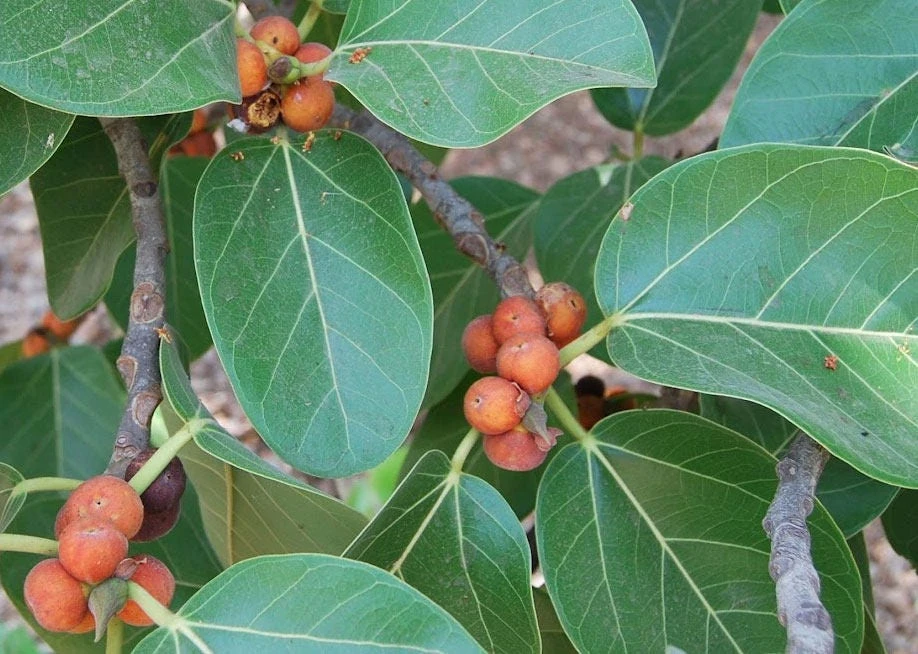
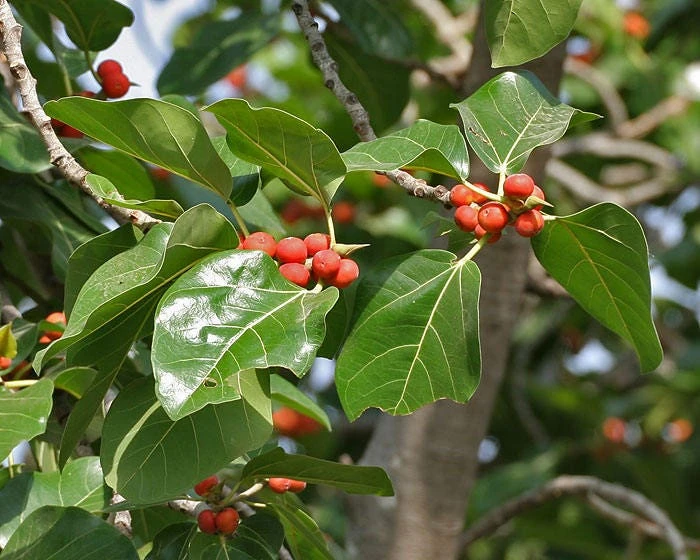
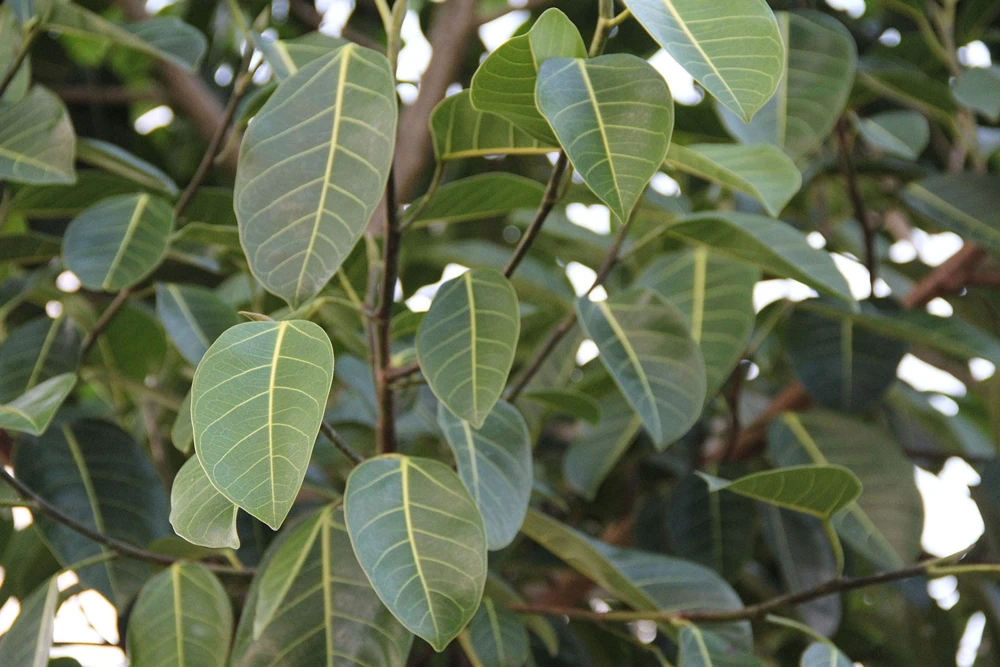
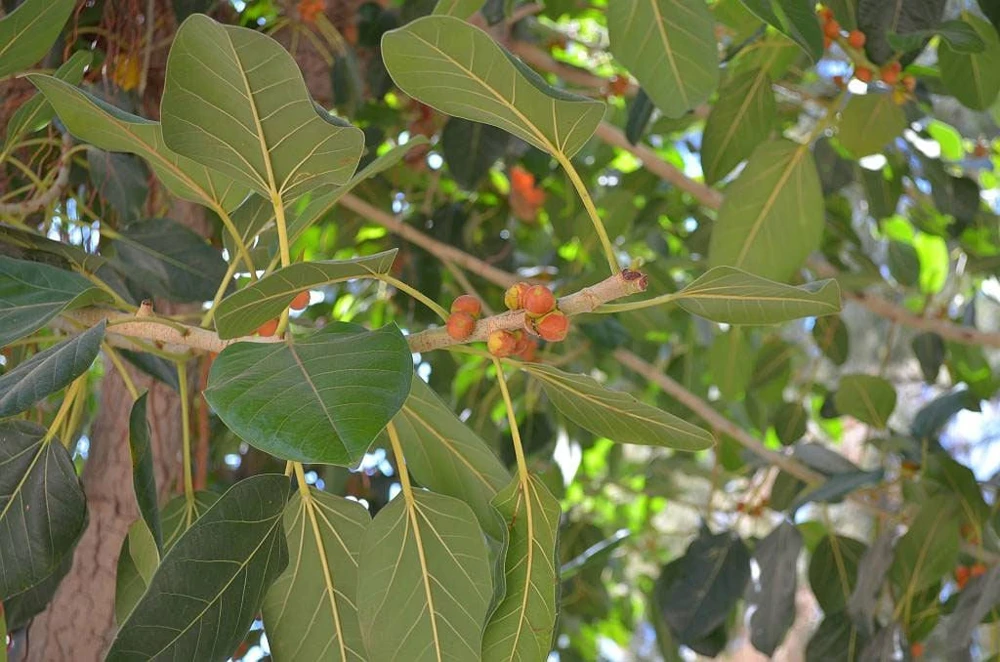
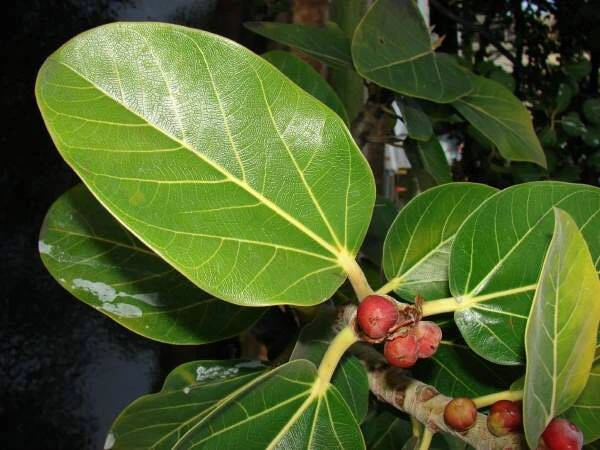
Ficus Benghalensis Seeds – Indian Banyan Fig Tree Seeds – 100 Count
Original price was: 48.91 $.19.91 $Current price is: 19.91 $.
Cultivate the majestic Ficus benghalensis seeds, also known as the Indian Banyan Fig. This offering includes 100 viable seeds to grow your own sacred national tree of India, renowned for its expansive shade and cultural significance. Perfect for creating a grand landscape feature in warm climates or a unique bonsai.
Estimated arrival
Nov 26
Dec 01 - Dec 03
Dec 03 - Dec 08
See our Shipping Policy.
Get in touch with us via email, and our team will review your concerns.
Our Alive & Thrive Guarantee covers issues with your plants within the first 30 days. Read our Refund & Returns Policy.
-
USDA Hardiness Zone
10-11 -
Soil Type
Well-draining, fertile soil -
Sunlight Exposure
Full sun to bright indirect light -
Expected Planting Period
Year-round indoors; spring to summer outdoors in suitable climates
Overview
Embark on a rewarding horticultural journey with these premium Ficus benghalensis seeds. Each packet contains 100 viable seeds of the magnificent Indian Banyan Fig, a tree revered as the national tree of India. Known scientifically as Ficus benghalensis, this species is celebrated for its incredible ability to provide extensive shade, making it a natural wonder in its native habitats. Growing your own Indian Banyan Fig seeds allows you to cultivate a piece of living history and cultural significance, whether you aim for a grand outdoor specimen or a unique indoor bonsai project. These seeds offer the opportunity to nurture a plant that symbolizes enlightenment and longevity, bringing a touch of the exotic and sacred to your garden or home.
The Indian Banyan is famous for its aerial prop roots that descend from branches, eventually rooting in the soil to form secondary trunks. This unique growth habit creates a single tree that can spread over several acres, providing unparalleled shade and a striking architectural presence. Our Ficus benghalensis seeds are carefully selected to ensure high germination rates, giving you the best chance to grow this iconic tree. Whether you are an experienced gardener or a curious beginner, cultivating the Indian Banyan from seed is a fascinating and fulfilling endeavor that connects you with nature’s grandeur.
Key Benefits
Growing the Indian Banyan Fig from Ficus benghalensis seeds offers a multitude of benefits, from its impressive aesthetic appeal to its ecological contributions and cultural significance. This remarkable tree is more than just a plant; it’s a living monument.
- Exceptional Shade Provider: The Indian Banyan is world-renowned for its vast canopy, offering the most extensive shade of any tree on Earth. Planting these Indian Banyan Fig seeds can eventually lead to a magnificent natural umbrella, perfect for large landscapes, parks, or as a focal point in spacious gardens.
- Cultural and Spiritual Significance: Revered as a sacred tree in India, the Banyan is associated with enlightenment and spiritual growth. Cultivating this tree from Banyan tree seeds brings a sense of peace and historical depth to your environment, connecting you to ancient traditions.
- Unique Growth Habit: Its distinctive aerial roots that develop into secondary trunks create a visually stunning and architecturally interesting specimen. This unique characteristic makes it a captivating addition to any botanical collection or landscape design.
- Ecological Value: As a larval host plant for various insects, including the Fig sphinx moth and Antillean Daggerwing butterfly, the Indian Banyan supports local biodiversity. Growing these seeds contributes to creating a healthier ecosystem.
- Long-Lived and Resilient: Once established, the Indian Banyan is a robust and long-lived tree, capable of thriving for centuries. This makes it a lasting legacy for future generations.
- Bonsai Potential: For those with limited space or an interest in the art of bonsai, the Indian Banyan can be cultivated as a stunning bonsai specimen, showcasing its unique root structure and foliage in miniature.
Plant Care & Growing Tips
Successfully germinating and growing Ficus benghalensis seeds requires patience and attention to specific environmental conditions. Begin by scarifying the seeds lightly with sandpaper or nicking them with a knife to help water penetrate the hard seed coat, followed by a 24-hour soak in warm water. Sow the treated seeds in a well-draining seed-starting mix, lightly covering them with a thin layer of soil. Maintain a warm and consistently moist environment, ideally around 70-80°F (21-27°C), using a heat mat if necessary. Germination can be erratic, sometimes taking several weeks to a few months, so consistent moisture and warmth are crucial.
Once seedlings emerge, provide them with bright, indirect light. As they grow, gradually acclimate them to more light. For mature trees, the Indian Banyan thrives in full sun, requiring at least 6-8 hours of direct sunlight daily to develop its expansive canopy and strong root system. Water young plants regularly to keep the soil consistently moist but not waterlogged. Established trees are more drought-tolerant but benefit from deep watering during dry spells. These trees prefer well-draining, fertile soil. A slightly acidic to neutral pH is ideal. In their native habitat, they can grow in various soil types, but good drainage is paramount to prevent root rot. Fertilize young plants with a balanced liquid fertilizer every 2-4 weeks during the growing season. Mature trees may require less frequent fertilization, perhaps once or twice a year with a slow-release granular fertilizer formulated for trees.
The Indian Banyan Fig seeds are best suited for USDA Hardiness Zones 10 to 11, where temperatures rarely drop below freezing. In cooler climates, they can be grown in containers and brought indoors during winter or cultivated as a greenhouse specimen. Common problems include root rot from overwatering and various pests like spider mites or scale insects, especially when grown indoors. Ensuring proper air circulation and monitoring for pests can help maintain a healthy plant. Pruning can be done to shape the tree, encourage bushier growth, or manage its size, particularly for bonsai specimens. Understanding how to grow Ficus benghalensis successfully ensures a majestic plant.
Size & Details
This offering includes 100 high-quality Ficus benghalensis seeds, providing a generous quantity for multiple attempts at germination and to ensure successful establishment. When grown in optimal conditions, the Indian Banyan Fig is a fast-growing tree, especially in its early years. In its natural habitat, it can reach immense proportions, often exceeding 100 feet in height with a canopy spread of several acres, as exemplified by famous specimens like Dodda Aladha Mara. For cultivation outside its native range or in containers, its size can be managed through pruning.
These seeds will arrive in a protective packet, ready for planting. The expected time to maturity for a significant canopy to develop can be several decades, but young trees will show vigorous growth. As a bonsai, it can achieve a mature appearance within a few years with proper training. The seeds themselves are small, typical of fig seeds, and require careful handling. Successful germination will lead to robust seedlings that can be transplanted as they grow larger. These sacred fig seeds offer the potential for a truly magnificent botanical project.
Frequently Asked Questions
- Q: How big does the Indian Banyan tree get from these Ficus benghalensis seeds? A: In ideal tropical conditions, the Indian Banyan can grow into a massive tree, reaching over 100 feet tall with a canopy spreading several acres due to its aerial roots. When grown in containers or outside its native range, its size can be managed through pruning, making it suitable even for large indoor spaces or as a bonsai.
- Q: Is this an indoor or outdoor plant? A: The Indian Banyan is primarily an outdoor tree in USDA Hardiness Zones 10-11. In cooler climates, it can be grown outdoors during warm months and brought indoors as a houseplant or greenhouse specimen during winter. Young plants can thrive indoors with adequate light.
- Q: How much sunlight do these Banyan tree seeds need to germinate and grow? A: For germination, seeds need warmth and indirect light. Once sprouted, seedlings require bright, indirect light. Mature Indian Banyan trees thrive in full sun, needing at least 6-8 hours of direct sunlight daily to develop robustly.
- Q: Is this plant easy to care for, especially for beginners? A: Germinating Ficus benghalensis seeds can be challenging due to their hard seed coat and erratic germination times, requiring patience. Once established, young plants are moderately easy to care for, needing consistent watering and bright light. Mature trees are quite resilient in suitable climates.
- Q: What condition will the seeds arrive in? A: The 100 Indian Banyan Fig seeds will arrive in a sealed, protective packet, ensuring their viability and freshness for planting. They are dry and ready for scarification and soaking before sowing.
- Q: How long until the seeds germinate? A: Germination can vary widely. With proper scarification, soaking, and consistent warmth (70-80°F), you can expect germination to occur anywhere from a few weeks to several months. Patience is key when growing from these sacred fig seeds.
- Q: What’s the minimum temperature these plants can tolerate? A: The Indian Banyan is tropical and not frost-hardy. It thrives in temperatures above 50°F (10°C). Prolonged exposure to temperatures below 40°F (4°C) can cause damage or be fatal, which is why it’s best suited for USDA Zones 10-11 outdoors.
- Q: Can I grow this as a bonsai? A: Yes, the Indian Banyan is an excellent candidate for bonsai cultivation. Its unique aerial roots, sturdy trunk, and relatively small leaves when pruned make it a popular choice for creating stunning miniature landscapes and specimens.
- Q: What kind of soil is best for growing Ficus benghalensis? A: A well-draining, fertile soil mix is ideal. For seedlings, use a sterile seed-starting mix. For established plants, a good quality potting mix with added perlite or sand for drainage works well. Outdoors, they prefer loamy soils.
- Q: Are these seeds fresh? A: We source and provide fresh, viable Ficus benghalensis seeds to ensure you have the best possible chance for successful germination and growth of your Indian Banyan Fig tree.
Be the first to review “Ficus Benghalensis Seeds – Indian Banyan Fig Tree Seeds – 100 Count”
Related products




Tree Seeds
Canino Olive Tree Seeds – 10 Pack Olea Europaea Canino for Edible Olives, Full Sun, Zones 9-11


You May Like

How to Grow Passion Flower (Passiflora) for Tropical Blooms
Few climbing vines in the home garden command attention quite like the exotic Passion Flower (Passiflora). [...]
Nov

Thanksgiving Cactus Care: How to Get Thanksgiving Cactus to Bloom
Is your Thanksgiving cactus growing well but not giving you any flowers? Maybe it looked [...]
Nov

How to Grow Garlic for a Bountiful Home Harvest
Garlic (Allium sativum) is one of the most satisfying, low-maintenance, and flavor-packed crops you can [...]
Oct

Hardneck vs. Softneck Garlic: Which Should You Grow?
Have you ever stood in front of a seed catalog in mid-September, staring at dozens [...]
1 Comment
Oct

When to Plant Music Garlic: Ultimate US Fall Guide
Have you ever spent your fall weekend placing carefully chosen garlic cloves into rich, dark [...]
1 Comment
Oct

5 Best Bulbs for Fall Planting: Brighten Your Garden This Spring
Are you dreaming of a garden full of vibrant colors in the spring? The key [...]
Aug

10 Houseplants That Will Thrive in Your Kitchen
Are you tired of your kitchen feeling dull and lifeless? Want to add a little [...]
1 Comment
Aug
Reviews
There are no reviews yet.