
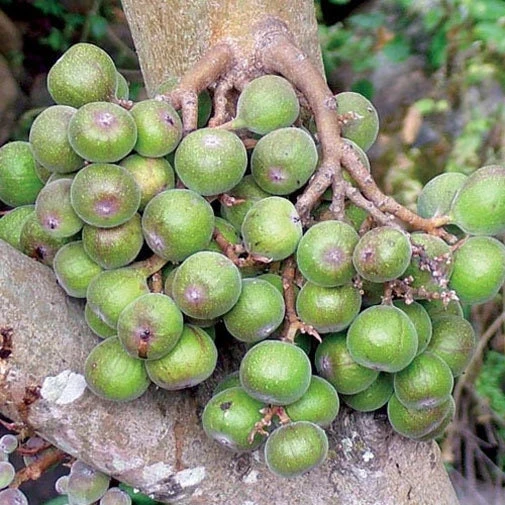
Ficus racemosa Seeds – Indian Cluster Fig Tree (Goolar/Gular) – 200 Seeds
Original price was: 48.91 $.19.91 $Current price is: 19.91 $.
Cultivate the unique Ficus racemosa seeds, also known as the Indian Cluster Fig tree or Goolar fig seeds. This packet contains 200 seeds to grow a beautiful, shade-providing tree with edible fruits, suitable for USDA Zones 10-11.
Estimated arrival
Nov 27
Dec 02 - Dec 04
Dec 04 - Dec 09
See our Shipping Policy.
Get in touch with us via email, and our team will review your concerns.
Our Alive & Thrive Guarantee covers issues with your plants within the first 30 days. Read our Refund & Returns Policy.
-
USDA Hardiness Zone
10 to 11 -
Soil Type
Well-draining, rich loam -
Sunlight Exposure
Full sun to partial shade -
Expected Planting Period
Spring to early summer
Overview
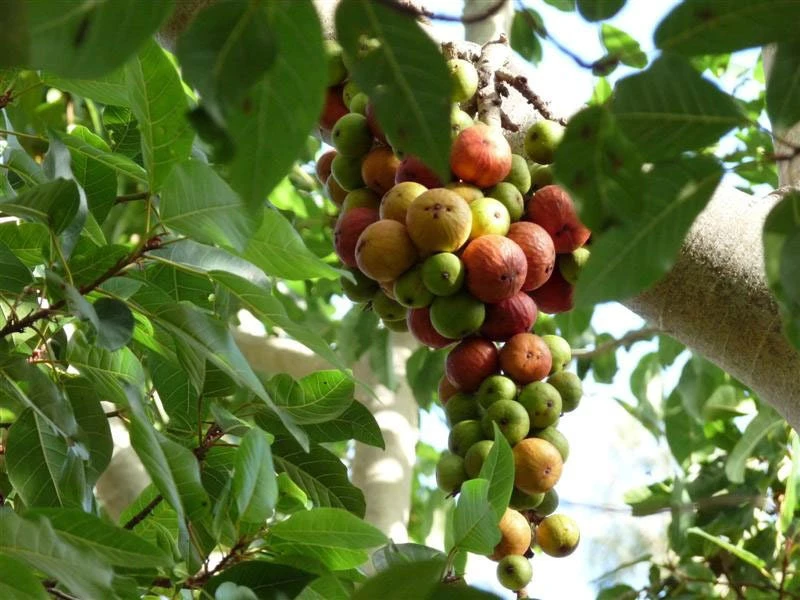
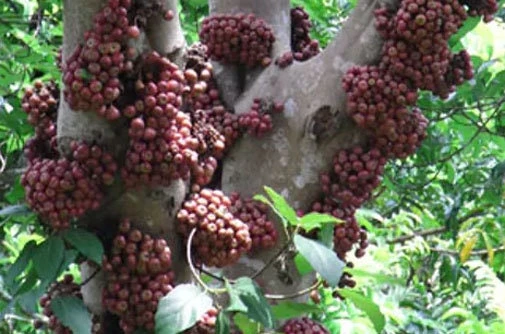
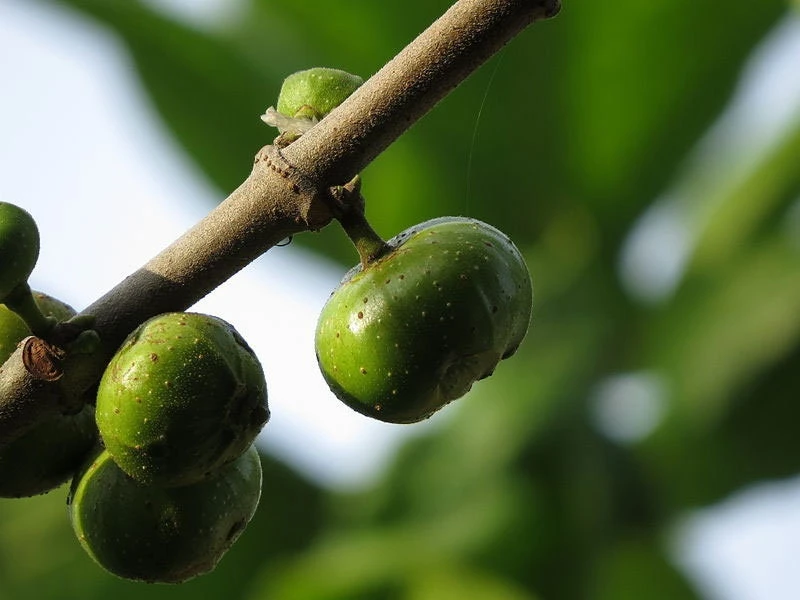
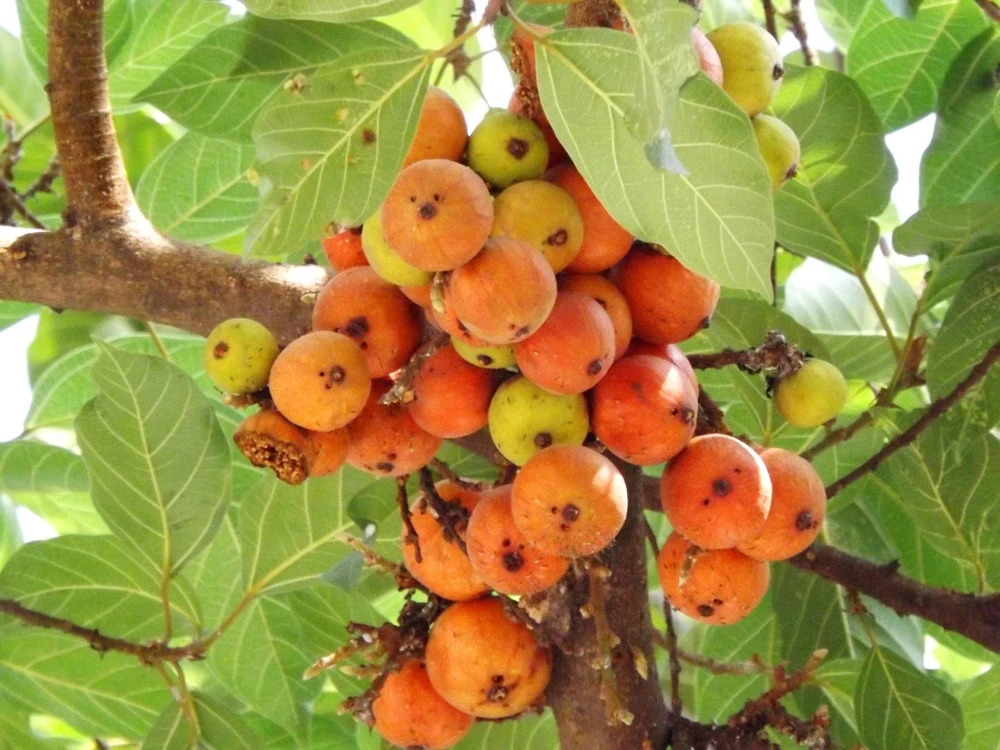
Embark on a rewarding botanical journey with our premium Ficus racemosa seeds. Also known as the Indian Cluster Fig tree, Goolar fig, or Gular fig, this fascinating species (Ficus racemosa) is renowned for its distinctive growth habit and cultural significance. Unlike many fig varieties, Ficus racemosa produces its fruit in clusters directly on the trunk and older branches, creating a unique visual spectacle. These seeds offer you the opportunity to cultivate a robust and beautiful tree, adding a touch of the tropics to your landscape. The Indian Cluster Fig is not only an ornamental delight but also serves as an important food source for wildlife and has traditional uses in various cultures. Growing your own Ficus racemosa from seed provides a deep connection to nature and allows you to nurture this remarkable plant from its very beginning.
Our carefully selected Ficus racemosa seeds are ideal for enthusiasts looking to grow a tree that is both aesthetically pleasing and ecologically valuable. This deciduous to semi-deciduous tree can grow quite large, offering ample shade and a lush green canopy. The fruits, while not typically consumed raw in large quantities by humans, are a favorite among certain animal species, highlighting its role in local ecosystems. If you’re searching for Goolar fig seeds or Gular fig seeds to start your own tree, our 200-seed packet provides an excellent foundation for success. Prepare to witness the unique beauty and vitality of this extraordinary fig tree as it establishes itself in your garden.
Key Benefits
Growing the Ficus racemosa seeds offers a multitude of benefits, from enhancing your garden’s biodiversity to providing unique aesthetic appeal. This tree is a fantastic addition for those looking to create a vibrant and engaging outdoor space.
- Unique Fruiting Display: Observe the captivating spectacle of figs growing in clusters directly on the trunk and main branches, a characteristic feature that sets the Indian Cluster Fig tree apart from other fig varieties. This provides year-round visual interest.
- Wildlife Attraction: The fruits of the Ficus racemosa are a beloved food source for various birds and mammals, including monkeys, making it an excellent choice for attracting local wildlife to your garden and promoting biodiversity.
- Shade & Canopy: As it matures, the Indian Cluster Fig tree develops a broad, dense canopy, providing excellent shade and a lush, tropical feel to your outdoor living areas, perfect for hot climates.
- Cultural Significance: Known as Goolar or Gular, this tree holds cultural importance in many regions, with its fruits used in traditional practices and folklore, adding a layer of historical richness to your garden.
- Larval Host Plant: Ficus racemosa serves as a larval host plant for specific butterfly species, such as the Two-brand Crow butterfly, and Ficus species in general support the Fig sphinx moth and Antillean Daggerwing butterfly, aiding local insect populations.
- Adaptability: While thriving in tropical and subtropical climates, the Ficus racemosa seeds can be grown in USDA Hardiness Zones 10 to 11, demonstrating a good range of adaptability in warmer regions.
- Edible & Medicinal Uses: The fruits, though not commonly eaten raw by humans, are used in traditional medicine and for brewing, offering a link to traditional practices and potential uses.
Plant Care & Growing Tips
To successfully cultivate your Ficus racemosa seeds into thriving trees, understanding their specific care requirements is crucial. Germination can take time, so patience is key. Start by sowing the seeds in a well-draining seed-starting mix, lightly covering them with soil. Maintain consistent moisture and warmth, ideally using a heat mat, to encourage germination. Once seedlings emerge, provide bright, indirect light. As they grow, gradually acclimate them to outdoor conditions if you plan to plant them in the ground. The Indian Cluster Fig tree prefers a location with full sun to partial shade, meaning at least 6 hours of direct sunlight per day, especially in cooler climates. In hotter, arid regions, some afternoon shade can be beneficial to prevent leaf scorch.
Watering is critical, especially for young plants. Keep the soil consistently moist but never waterlogged. Once established, Ficus racemosa is relatively drought-tolerant but will benefit from regular watering during dry spells. The ideal soil type for the Indian Cluster Fig tree is rich, well-draining loam. Amend heavy clay soils with organic matter to improve drainage and aeration. Fertilize young trees with a balanced, slow-release fertilizer during the growing season (spring and summer) to promote healthy growth. Mature trees may require less frequent fertilization. The USDA Hardiness Zones for Ficus racemosa are 10 to 11, meaning it thrives in warm, frost-free environments. Protect young plants from any unexpected cold snaps. Pruning can be done to shape the tree and remove any dead or diseased branches, typically during the dormant season. Keep an eye out for common fig pests, though Ficus racemosa is generally quite resilient. If you’re looking for detailed information on Ficus racemosa care, ensuring proper light, water, and soil conditions will be paramount to success.
Size & Details
This offering includes 200 Ficus racemosa seeds, providing ample opportunity to grow several Indian Cluster Fig trees. Upon germination, seedlings will initially be small, growing steadily with proper care. The mature Indian Cluster Fig tree is a medium to large-sized tree, typically reaching heights of 30-60 feet (9-18 meters) with a comparable spread, though its size can be managed with pruning. The growth rate is moderate to fast under optimal conditions. The fruits, which are edible, typically ripen from the middle of Summer until early Fall, offering a prolonged season of interest. These seeds are ready for planting and will arrive in a protective packet, ensuring their viability for your gardening project. Expect to see initial growth within a few weeks to a few months after proper sowing, depending on environmental conditions and seed dormancy.
Frequently Asked Questions
- Q: How big does this plant get? A: The Indian Cluster Fig tree (Ficus racemosa) can grow quite large, typically reaching heights of 30 to 60 feet (9-18 meters) with a broad canopy at maturity. Its size can be influenced by growing conditions and pruning.
- Q: Is this an indoor or outdoor plant? A: The Indian Cluster Fig tree is primarily an outdoor plant, especially in its preferred USDA Hardiness Zones 10-11, where it can grow to its full potential. It requires significant space and sunlight.
- Q: How much sunlight does it need? A: This tree thrives in full sun to partial shade. Aim for at least 6 hours of direct sunlight per day for optimal growth, especially when cultivating your Ficus racemosa seeds.
- Q: Is this plant easy to care for? A: While germinating Ficus racemosa seeds requires patience and consistent conditions, established trees are relatively low-maintenance, needing consistent watering and well-draining soil. Understanding Ficus racemosa care is key.
- Q: What condition will it arrive in? A: You will receive 200 high-quality Ficus racemosa seeds, carefully packaged to ensure their integrity and viability for planting.
- Q: How long until it blooms or fruits? A: Growing from seed means it will take several years for the tree to mature and begin producing its characteristic cluster figs. Patience is required, but the reward is a magnificent specimen.
- Q: When is the best time to plant these seeds? A: The best time to sow Ficus racemosa seeds is in spring or early summer, when temperatures are consistently warm, which aids in germination.
- Q: Will it survive winter in my zone? A: The Indian Cluster Fig tree is hardy in USDA Zones 10 to 11. If you live outside these zones, you may need to grow it in a greenhouse or protect it from frost.
- Q: Can I use the fruits from the Goolar fig? A: The fruits of the Goolar fig are edible and are consumed by various animals. While not a primary human food source in many cultures, they are used in traditional preparations and for brewing in some regions.
- Q: What makes this tree unique? A: Its most unique feature is its cauliflorous habit, meaning the figs grow in clusters directly on the trunk and main branches, making the Indian Cluster Fig tree a standout specimen.
Be the first to review “Ficus racemosa Seeds – Indian Cluster Fig Tree (Goolar/Gular) – 200 Seeds”
Related products


You May Like

How to Grow Passion Flower (Passiflora) for Tropical Blooms
Few climbing vines in the home garden command attention quite like the exotic Passion Flower (Passiflora). [...]
Nov

Thanksgiving Cactus Care: How to Get Thanksgiving Cactus to Bloom
Is your Thanksgiving cactus growing well but not giving you any flowers? Maybe it looked [...]
Nov

How to Grow Garlic for a Bountiful Home Harvest
Garlic (Allium sativum) is one of the most satisfying, low-maintenance, and flavor-packed crops you can [...]
Oct

Hardneck vs. Softneck Garlic: Which Should You Grow?
Have you ever stood in front of a seed catalog in mid-September, staring at dozens [...]
1 Comment
Oct

When to Plant Music Garlic: Ultimate US Fall Guide
Have you ever spent your fall weekend placing carefully chosen garlic cloves into rich, dark [...]
1 Comment
Oct

5 Best Bulbs for Fall Planting: Brighten Your Garden This Spring
Are you dreaming of a garden full of vibrant colors in the spring? The key [...]
Aug

10 Houseplants That Will Thrive in Your Kitchen
Are you tired of your kitchen feeling dull and lifeless? Want to add a little [...]
1 Comment
Aug
Reviews
There are no reviews yet.