
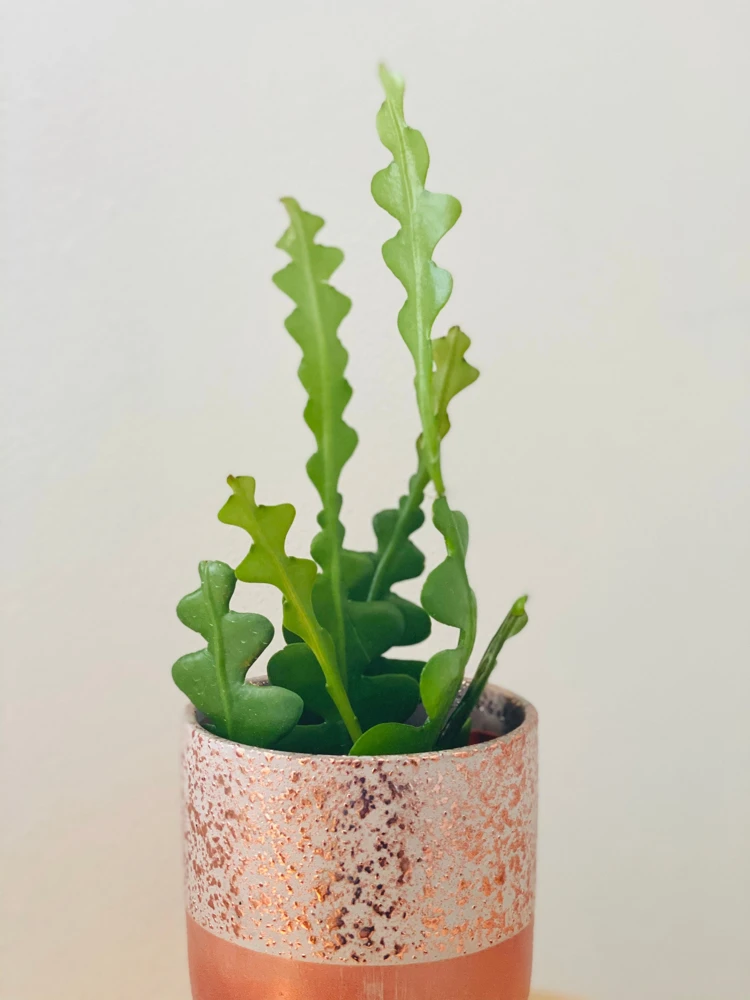
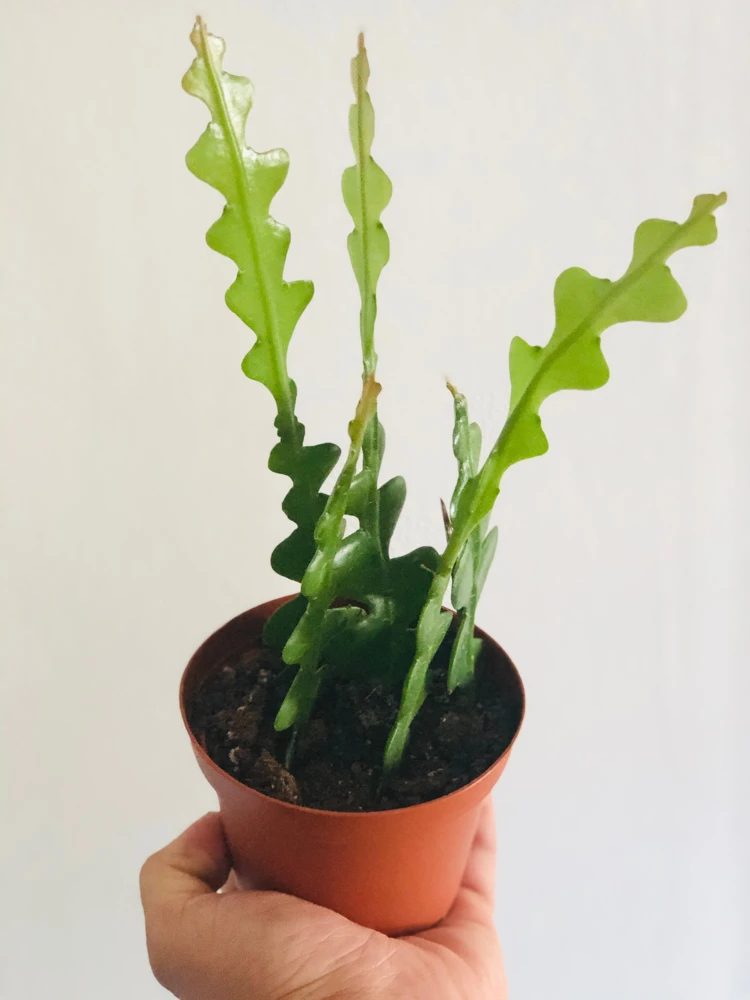
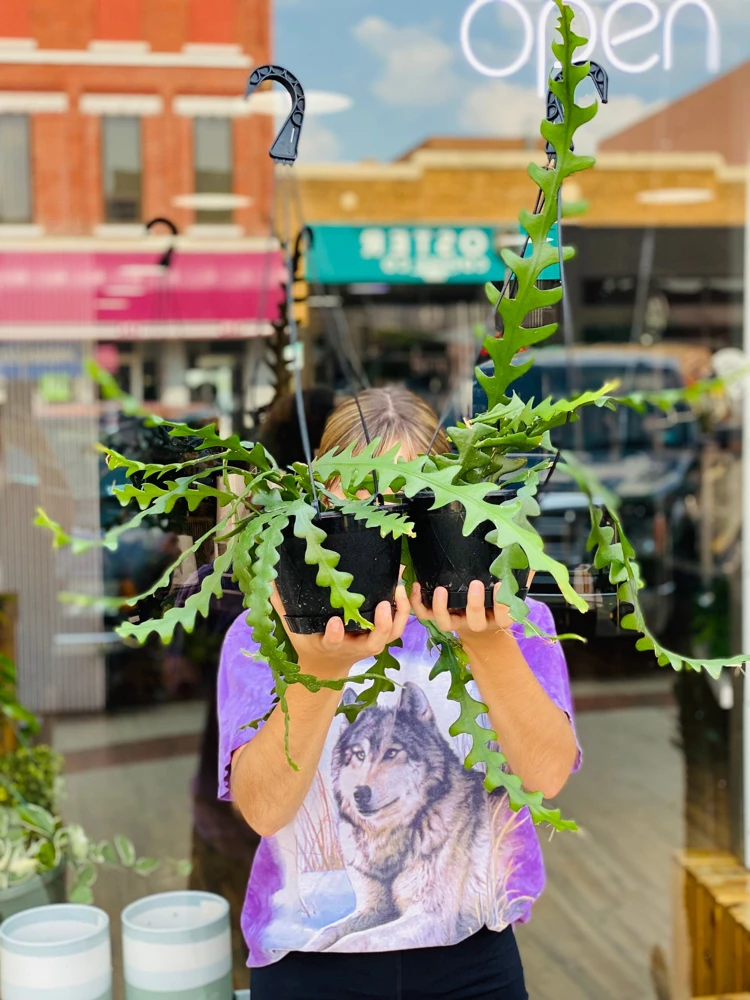
Fishbone Cactus Live Plant – Epiphyllum Anguliger Tropical – 3″ 4″ 6″ Pot – Indoor
Original price was: 57.51 $.27.51 $Current price is: 27.51 $.
Bring unique charm to your home with a fishbone cactus live plant (Epiphyllum anguliger). Known for its distinctive zig-zag foliage, this tropical cactus indoor plant is surprisingly easy to care for and thrives in indirect light. Perfect for adding a vibrant, bohemian touch to any room.
Estimated arrival
Nov 27
Dec 02 - Dec 04
Dec 04 - Dec 09
See our Shipping Policy.
Get in touch with us via email, and our team will review your concerns.
Our Alive & Thrive Guarantee covers issues with your plants within the first 30 days. Read our Refund & Returns Policy.
-
USDA Hardiness Zone
USDA zones 10-12 (outdoors), adaptable indoors -
Soil Type
Well-draining orchid or cactus potting mix -
Sunlight Exposure
Bright indirect light -
Expected Planting Period
Year-round indoors
Overview
Introduce an exotic touch to your indoor plant collection with the fascinating fishbone cactus live plant, scientifically known as Epiphyllum anguliger. This unique tropical succulent, often called the zig-zag cactus or ric-rac cactus, stands out with its intricate, saw-toothed foliage that resembles a fishbone pattern. Originating from the rainforests of Mexico, this epiphytic cactus offers a striking visual appeal unlike typical desert cacti. It’s a fantastic choice for plant enthusiasts seeking a distinctive, low-maintenance houseplant that adds a vibrant, bohemian aesthetic to any living space. The Epiphyllum anguliger care is straightforward, making it suitable for both novice and experienced growers.
Unlike its desert cousins, the fishbone cactus live plant thrives in humid environments with bright, indirect light, making it perfectly adapted for indoor settings. Its fast-growing nature ensures a lush display, and with proper care, it can produce beautiful, fragrant nocturnal flowers, adding another layer of allure. Whether displayed in hanging baskets where its unique foliage can cascade gracefully or placed on a shelf to highlight its architectural form, this plant is sure to be a conversation starter. Embrace the beauty of this tropical marvel and transform your home into a verdant sanctuary.
Key Benefits
The fishbone cactus live plant offers a multitude of benefits, making it a highly desirable addition to any indoor plant collection. Its unique appearance and easy-care nature contribute to its popularity:
- Unique Aesthetic Appeal: The distinctive zig-zag or fishbone-like foliage of the Epiphyllum anguliger creates a captivating visual interest, adding a modern, architectural, and bohemian flair to any room. It’s a truly eye-catching succulent that stands out.
- Low Maintenance: This tropical cactus is surprisingly easy to care for, requiring minimal attention once its basic needs for light and water are met. It’s an excellent choice for busy individuals or those new to plant ownership looking for low maintenance houseplants.
- Adaptable Indoor Plant: Thrives in typical household conditions, preferring bright, indirect light and moderate humidity. It adapts well to various indoor environments, making it a versatile decorative element.
- Air Purifying Qualities: Like many houseplants, the fishbone cactus live plant contributes to a healthier indoor environment by helping to filter airborne toxins and improve air quality, creating a fresher living space.
- Fast Growing: With adequate light and water, this cactus grows relatively quickly, allowing you to enjoy a lush, mature plant in a shorter amount of time compared to many other succulents.
- Potential for Beautiful Blooms: While primarily grown for its foliage, mature fishbone cacti can produce stunning, fragrant white or yellow flowers that open at night, adding an unexpected and delightful surprise.
- Terracotta Pairing: This plant looks exceptional when paired with terracotta pots, which not only complement its vibrant green foliage but also help absorb excess moisture, preventing root rot.
Plant Care & Growing Tips
Caring for your fishbone cactus live plant is relatively simple, allowing even beginner plant parents to enjoy its unique beauty. Understanding its native rainforest environment helps in replicating ideal conditions indoors. For optimal growth, provide bright, indirect light. Direct sunlight, especially harsh afternoon sun, can scorch its delicate foliage, leading to yellowing or browning. An east-facing window or a spot several feet away from a south or west-facing window is usually ideal. If light is too low, the plant may become leggy and produce fewer flowers.
Watering is crucial for epiphyllum anguliger care. These are tropical cacti, so they appreciate more water than desert cacti, but still require well-draining soil to prevent root rot. Water thoroughly when the top 1-2 inches of soil feel dry to the touch. During active growth in spring and summer, this might be once a week or every ten days. Reduce watering in fall and winter when the plant’s growth slows. Ensure the pot has drainage holes. When transplanting, we recommend using a well-draining orchid or cactus potting mix, which will provide the necessary aeration and moisture retention. A good quality potting mix designed for epiphytes will mimic its natural growing conditions.
The ideal temperature range for a tropical cactus indoor plant like the fishbone cactus is between 60-75°F (15-24°C). Avoid temperatures below 50°F (10°C), as it is not frost-tolerant. While it appreciates humidity, average household humidity is usually sufficient, but occasional misting can be beneficial, especially in dry climates. Fertilize sparingly during the growing season (spring and summer) with a balanced liquid fertilizer diluted to half strength. Common problems include root rot from overwatering and sunburn from too much direct light. Keeping an eye on these factors will ensure your zig zag cactus plant thrives and becomes a vibrant centerpiece in your home.
Size & Details
Your fishbone cactus live plant will arrive as a healthy, thriving specimen, ready to be integrated into your home. It is available in various nursery pot sizes, including 3 inch, 4 inch, or 6 inch diameter options, allowing you to choose the perfect size for your space. Smaller sizes may be slightly less rooted but are actively growing and establishing well. These plants exhibit a moderate to fast growth rate, quickly developing their distinctive zig-zag stems.
When mature, the trailing stems can reach lengths of 2-3 feet or more, making it an excellent candidate for hanging baskets or elevated shelves where its unique form can be fully appreciated. The plant is shipped in a nursery pot, ensuring it is well-protected and ready for continued growth upon arrival. With proper epiphyllum anguliger care, you can expect your plant to develop into a lush, vibrant display, potentially producing its beautiful nocturnal flowers in its second or third year.
Frequently Asked Questions
- Q: How big does this plant get? A: A fishbone cactus live plant can produce trailing stems that grow 2-3 feet long or more when mature, making it ideal for hanging displays. Its growth rate is moderate to fast under good conditions.
- Q: What size pot does it come in? A: This plant is available in 3 inch, 4 inch, or 6 inch nursery pots, giving you flexibility to choose the size that best suits your needs. It will arrive in a grower’s pot.
- Q: Is this an indoor or outdoor plant? A: The Epiphyllum anguliger is primarily an indoor tropical cactus in most climates due to its sensitivity to cold. It can be moved outdoors in warm, shaded areas during summer in appropriate USDA zones.
- Q: How much sunlight does it need? A: This plant thrives in bright, indirect light. Avoid direct, harsh sunlight, which can scorch its foliage. An east-facing window or a filtered light spot is ideal for your fishbone cactus live plant.
- Q: Is this plant easy to care for? A: Yes, the fishbone cactus live plant is considered low-maintenance, making it a great option for beginners. Its care requirements are straightforward, mainly focusing on proper watering and indirect light. It’s one of the easier low maintenance houseplants.
- Q: What condition will it arrive in? A: Your plant will arrive in a nursery pot, carefully packaged to ensure its health and safety during transit. Smaller plants may be slightly rooted but are actively growing.
- Q: Can I use regular potting soil for this plant? A: It’s best to use a well-draining soil mix, such as an orchid mix or a cactus and succulent blend. Regular potting soil can retain too much moisture, which can lead to root rot for your tropical cactus indoor plant.
- Q: How often should I water my fishbone cactus? A: Water thoroughly when the top 1-2 inches of soil are dry to the touch. Reduce watering in the cooler, darker months. Always ensure proper drainage to prevent waterlogging.
- Q: Is the fishbone cactus pet-safe? A: The Epiphyllum anguliger is generally considered non-toxic to pets, making it a safe choice for homes with cats and dogs.
- Q: When is the best time to repot this plant? A: Repot your zig zag cactus plant in the spring or early summer when it has outgrown its current pot. Choose a pot that is only slightly larger than the previous one.
Be the first to review “Fishbone Cactus Live Plant – Epiphyllum Anguliger Tropical – 3″ 4″ 6″ Pot – Indoor”
Related products


HousePlants

You May Like

How to Grow Passion Flower (Passiflora) for Tropical Blooms
Few climbing vines in the home garden command attention quite like the exotic Passion Flower (Passiflora). [...]
Nov

Thanksgiving Cactus Care: How to Get Thanksgiving Cactus to Bloom
Is your Thanksgiving cactus growing well but not giving you any flowers? Maybe it looked [...]
Nov

How to Grow Garlic for a Bountiful Home Harvest
Garlic (Allium sativum) is one of the most satisfying, low-maintenance, and flavor-packed crops you can [...]
Oct

Hardneck vs. Softneck Garlic: Which Should You Grow?
Have you ever stood in front of a seed catalog in mid-September, staring at dozens [...]
1 Comment
Oct

When to Plant Music Garlic: Ultimate US Fall Guide
Have you ever spent your fall weekend placing carefully chosen garlic cloves into rich, dark [...]
1 Comment
Oct

5 Best Bulbs for Fall Planting: Brighten Your Garden This Spring
Are you dreaming of a garden full of vibrant colors in the spring? The key [...]
Aug

10 Houseplants That Will Thrive in Your Kitchen
Are you tired of your kitchen feeling dull and lifeless? Want to add a little [...]
1 Comment
Aug
Reviews
There are no reviews yet.