
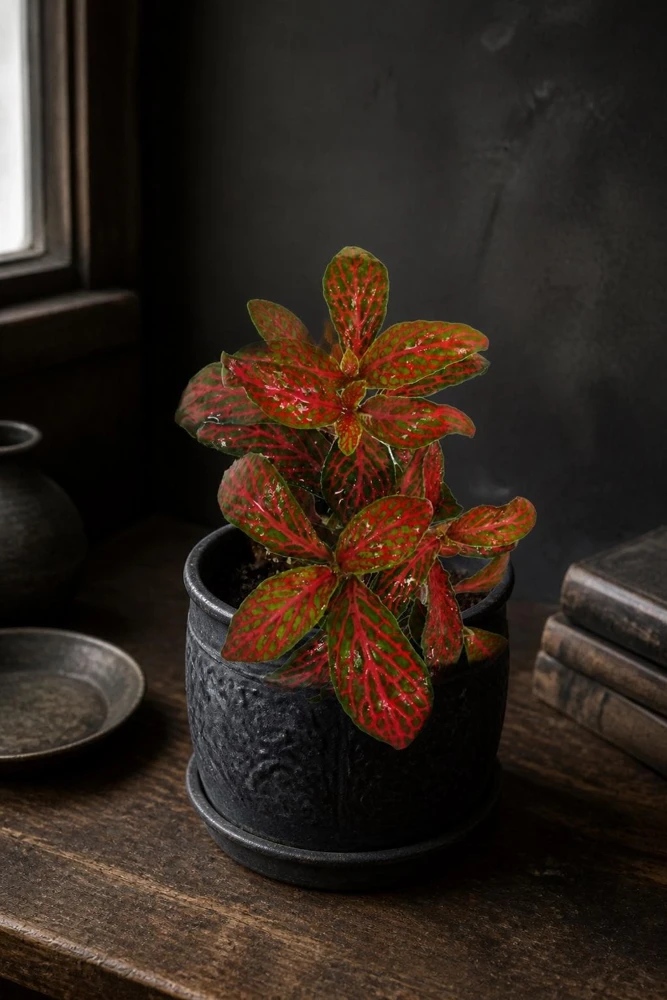
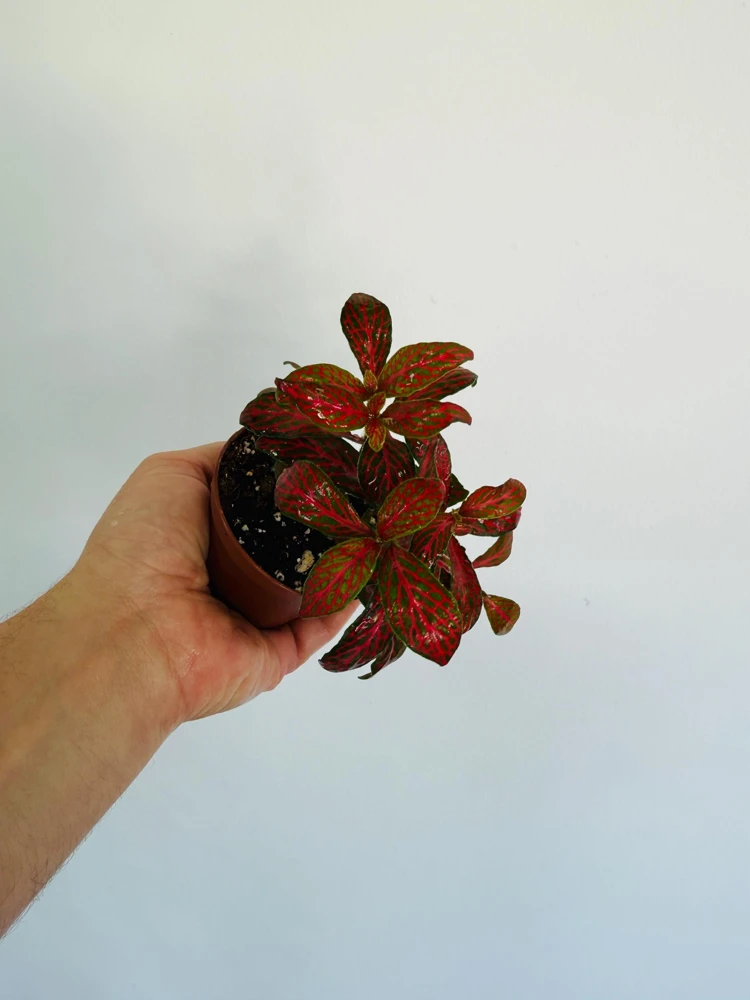
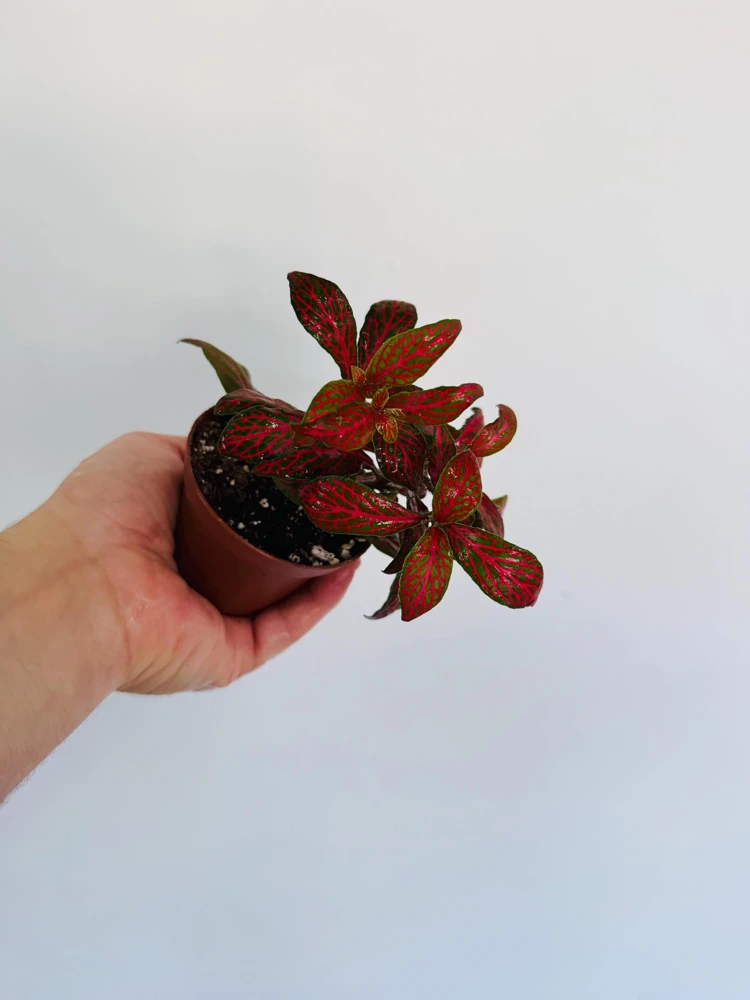
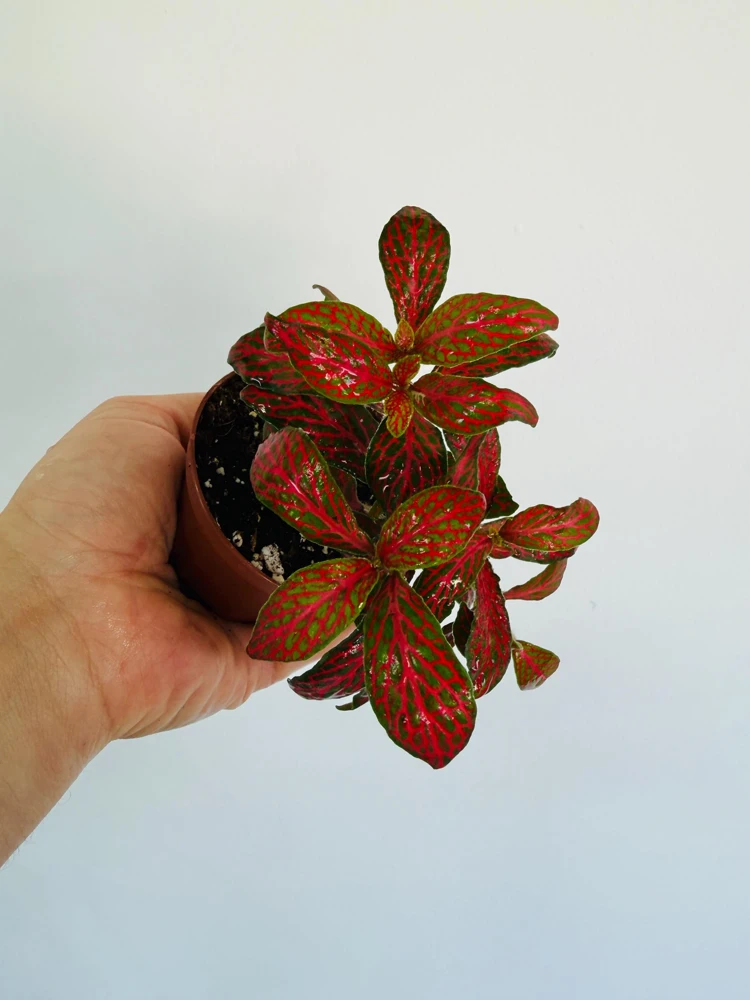
Fittonia Jade Lotus – Nerve Plant – Easy Plants – Beginner Plant – Live Houseplant in 3” Pot
Original price was: 48.51 $.18.51 $Current price is: 18.51 $.
Estimated arrival
Nov 26
Dec 01 - Dec 03
Dec 03 - Dec 08
See our Shipping Policy.
Get in touch with us via email, and our team will review your concerns.
Our Alive & Thrive Guarantee covers issues with your plants within the first 30 days. Read our Refund & Returns Policy.
“`json { “meta_title”: “Fittonia Jade Lotus Nerve Plant – Easy Care Live Houseplant 3″ Pot”, “google_title”: “Fittonia Jade Lotus Nerve Plant Live Houseplant – 3 inch Pot – Indoor”, “meta_description”: “Discover the Fittonia Jade Lotus Nerve Plant, an easy-care live houseplant perfect for beginners. Enjoy its vibrant red and yellow foliage in a 3-inch pot.”, “meta_focus_keyword”: “fittonia jade lotus nerve plant, nerve plant care, easy houseplants for beginners, fittonia plant indoors, fittonia red on yellow”, “categories”: “HousePlants”, “google_product_category_path”: “Home & Garden> Plants> Indoor & Outdoor Plants> Potted Houseplants”, “google_product_category_id”: “unknown”, “short_description”: “
Bring home the beautiful fittonia jade lotus nerve plant, a vibrant and easy-to-care-for live houseplant. Perfect for beginners, this plant features striking red and yellow foliage and comes in a convenient 3-inch pot, ideal for indoor display.
“, “long_description”: “
Overview
n
Introduce a splash of vibrant color and unique texture to your indoor plant collection with the stunning fittonia jade lotus nerve plant. This captivating live houseplant, also known simply as the Nerve Plant, is celebrated for its intricate vein patterns and bright foliage. The ‘Jade Lotus’ variety specifically boasts a beautiful red on red on yellow coloring, creating a dramatic visual appeal that instantly brightens any room. Originating from the tropical rainforests of South America, Fittonia plants are known for their relatively compact size and bushy growth habit, making them excellent choices for terrariums, small pots, or as part of a larger indoor plant arrangement. Its distinctive appearance and manageable care requirements make it a favorite among plant enthusiasts, especially those new to gardening. The fittonia jade lotus nerve plant is a true gem for adding decorative flair.
n
This particular offering provides a healthy, thriving specimen in a 3-inch nursery pot, ready to be displayed or transplanted. As a fittonia jade lotus nerve plant, it quickly grows and can develop into a lush, full plant that looks fantastic in a hanging basket once mature. Its adaptable nature and striking appearance make it a versatile addition to various home decor styles, from modern minimalist to bohemian chic. Embrace the beauty and simplicity of caring for this delightful tropical plant.
nn
Key Benefits
n
The fittonia jade lotus nerve plant offers numerous advantages for both seasoned plant parents and those just starting their green journey. Its unique characteristics contribute to a more vibrant and inviting living space.
n
- n
- Stunning Foliage: The primary appeal of this plant lies in its vibrant red on red on yellow coloring and distinctive veining, which adds a unique decorative touch to any indoor setting. The intricate patterns make it a focal point.
- Beginner-Friendly: Often considered one of the easy houseplants for beginners, the fittonia jade lotus nerve plant is forgiving and relatively straightforward to care for, making it an excellent choice for those new to plant ownership. It tolerates minor inconsistencies in care.
- Compact Size: Growing in a 3-inch pot, this Fittonia maintains a manageable size, perfect for desks, shelves, windowsills, or as part of a miniature garden. Its compact nature makes it versatile for small spaces.
- Air Purification: Like many houseplants, the Nerve Plant contributes to improved indoor air quality by filtering out common toxins, creating a healthier environment in your home or office. Enjoy cleaner, fresher air.
- Versatile Display: Its trailing habit as it matures makes it suitable for various displays, including standard pots, hanging baskets, or even terrariums, allowing for creative decorating options.
- Stress Reducer: The presence of greenery and the act of caring for a plant like the fittonia jade lotus nerve plant can have a calming effect, helping to reduce stress and improve overall well-being.
- Unique Texture: The slightly textured leaves add another layer of visual interest, contrasting beautifully with smoother-leaved plants.
n
n
n
n
n
n
nn
Plant Care & Growing Tips
n
Caring for your fittonia jade lotus nerve plant is a rewarding experience, especially given its relatively low-maintenance nature. To ensure your plant thrives and maintains its vibrant coloring, understanding its specific needs is crucial. These plants prefer bright, indirect light. Direct sunlight can scorch their delicate leaves, causing them to fade or burn. An east-facing window is often ideal, or a few feet away from a south or west-facing window. If the leaves appear pale or the colors aren’t as vibrant, it might be receiving too little light, while crispy edges often indicate too much direct sun.
n
Watering is key for proper nerve plant care. Fittonias enjoy consistently moist soil, but not waterlogged. Water thoroughly when the top two inches of soil feel dry to the touch. It’s better to slightly underwater than overwater, as root rot can be a common issue with excessive moisture. These plants are also known for their dramatic wilting when thirsty, but they typically perk up quickly after a good drink. Use a well-draining potting mix that retains some moisture. A standard houseplant mix with added perlite or coco coir works well.
n
Temperature and humidity are also important factors for the fittonia plant indoors. They prefer warm temperatures between 65-80°F (18-27°C) and high humidity, mimicking their native tropical environment. Avoid placing them near cold drafts or heating vents. To boost humidity, you can mist the leaves regularly, place the pot on a pebble tray with water, or group it with other plants. Fertilize sparingly during the growing season (spring and summer) with a balanced liquid fertilizer diluted to half strength. This helps support healthy growth and vibrant foliage. Watch out for common pests like spider mites or mealybugs; inspect your plant regularly and treat promptly if found. Understanding these simple steps will ensure your fittonia jade lotus nerve plant flourishes.
nn
Size & Details
n
This offering includes one healthy fittonia jade lotus nerve plant, carefully cultivated and shipped in a 3-inch nursery pot. The plant’s compact size makes it an ideal choice for small spaces, office desks, or as an accent plant in a larger collection. At the time of shipping, the plant will typically stand between 3 to 6 inches tall, including the pot, with a spread of similar dimensions, offering a robust starter specimen. Fittonias are known for their moderate growth rate, quickly filling out their pots and potentially trailing over the edges as they mature, especially when provided with optimal conditions.
n
The plant is shipped in its nursery pot with soil, ensuring minimal stress during transit and an easy transition to your home. While individual plants may vary slightly in exact shape and leaf count due to their natural growth, each specimen is selected to be representative of the ‘Jade Lotus’ variety’s characteristic red on red on yellow coloring. Expect your fittonia jade lotus nerve plant to begin acclimating and showing new growth shortly after arrival, especially when placed in a suitable environment.
nn
Frequently Asked Questions
n
- n
- Q: How big does this plant get? A: The fittonia jade lotus nerve plant typically grows to about 6-12 inches tall with a similar spread. In a 3-inch pot, it will remain compact but can grow larger if repotted into a bigger container.
- Q: Is this an indoor or outdoor plant? A: This is primarily an fittonia plant indoors. While it can tolerate outdoor conditions in very warm, humid climates (USDA zones 11+), it thrives best as a houseplant due to its need for consistent warmth and high humidity.
- Q: How much sunlight does it need? A: The Nerve Plant prefers bright, indirect light. Avoid direct sun, which can scorch its leaves. An east-facing window or a spot a few feet from a south or west-facing window is usually ideal.
- Q: Is this plant easy to care for? Is it good for beginners? A: Yes, the fittonia jade lotus nerve plant is considered an easy houseplants for beginners. It’s relatively forgiving, though it will dramatically wilt when thirsty, quickly recovering after watering, making its needs quite clear.
- Q: What condition will it arrive in? A: Your plant will arrive healthy and well-packaged in its 3-inch nursery pot with soil. It’s normal for plants to experience some minor stress during transit, but they typically recover quickly with proper care.
- Q: How often should I water my Nerve Plant? A: Water your fittonia jade lotus nerve plant when the top two inches of soil feel dry to the touch. Ensure the soil remains consistently moist but never waterlogged to prevent root rot.
- Q: Is the ‘red on red on yellow’ coloring distinct? A: Yes, the ‘Jade Lotus’ variety is specifically known for its striking red on red on yellow coloring, making it a very distinct and attractive type of Fittonia. This vibrant pattern is a key feature of the fittonia red on yellow variety.
- Q: Does this plant require high humidity? A: Yes, Fittonias thrive in high humidity. You can increase humidity by misting regularly, using a pebble tray, or placing it in a naturally humid area like a bathroom.
- Q: Is this plant pet-safe? A: Fittonia plants are generally considered non-toxic to cats and dogs, making them a safer choice for homes with pets. However, it’s always best to prevent pets from munching on plants.
- Q: What kind of soil is best for this plant? A: A well-draining potting mix that retains some moisture is ideal. A standard houseplant mix amended with perlite or coco coir will provide the perfect balance for optimal nerve plant care.
n
n
n
n
n
n
n
n
n
n
“, “key_features”: { “usda_zone”: “unknown”, “soil_type”: “well-draining potting mix”, “sunlight_exposure”: “bright indirect light”, “expected_planting_period”: “year-round indoors” } } “`
Be the first to review “Fittonia Jade Lotus – Nerve Plant – Easy Plants – Beginner Plant – Live Houseplant in 3” Pot”
Related products


You May Like

How to Grow Passion Flower (Passiflora) for Tropical Blooms
Few climbing vines in the home garden command attention quite like the exotic Passion Flower (Passiflora). [...]
Nov

Thanksgiving Cactus Care: How to Get Thanksgiving Cactus to Bloom
Is your Thanksgiving cactus growing well but not giving you any flowers? Maybe it looked [...]
Nov

How to Grow Garlic for a Bountiful Home Harvest
Garlic (Allium sativum) is one of the most satisfying, low-maintenance, and flavor-packed crops you can [...]
Oct

Hardneck vs. Softneck Garlic: Which Should You Grow?
Have you ever stood in front of a seed catalog in mid-September, staring at dozens [...]
1 Comment
Oct

When to Plant Music Garlic: Ultimate US Fall Guide
Have you ever spent your fall weekend placing carefully chosen garlic cloves into rich, dark [...]
1 Comment
Oct

5 Best Bulbs for Fall Planting: Brighten Your Garden This Spring
Are you dreaming of a garden full of vibrant colors in the spring? The key [...]
Aug

10 Houseplants That Will Thrive in Your Kitchen
Are you tired of your kitchen feeling dull and lifeless? Want to add a little [...]
1 Comment
Aug
Reviews
There are no reviews yet.