
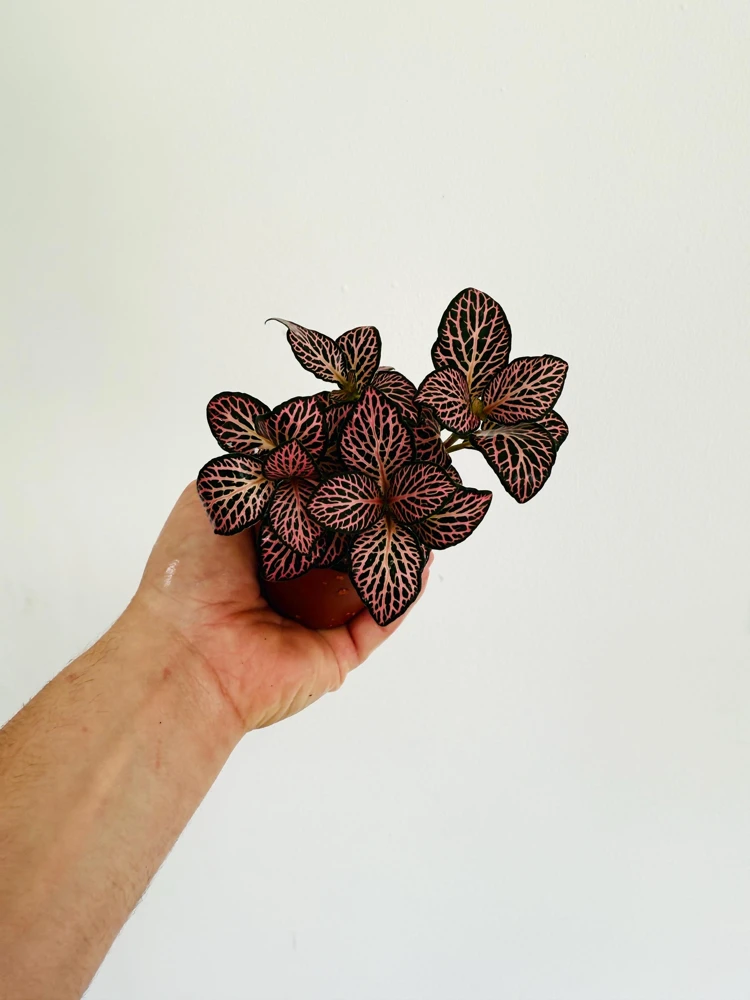
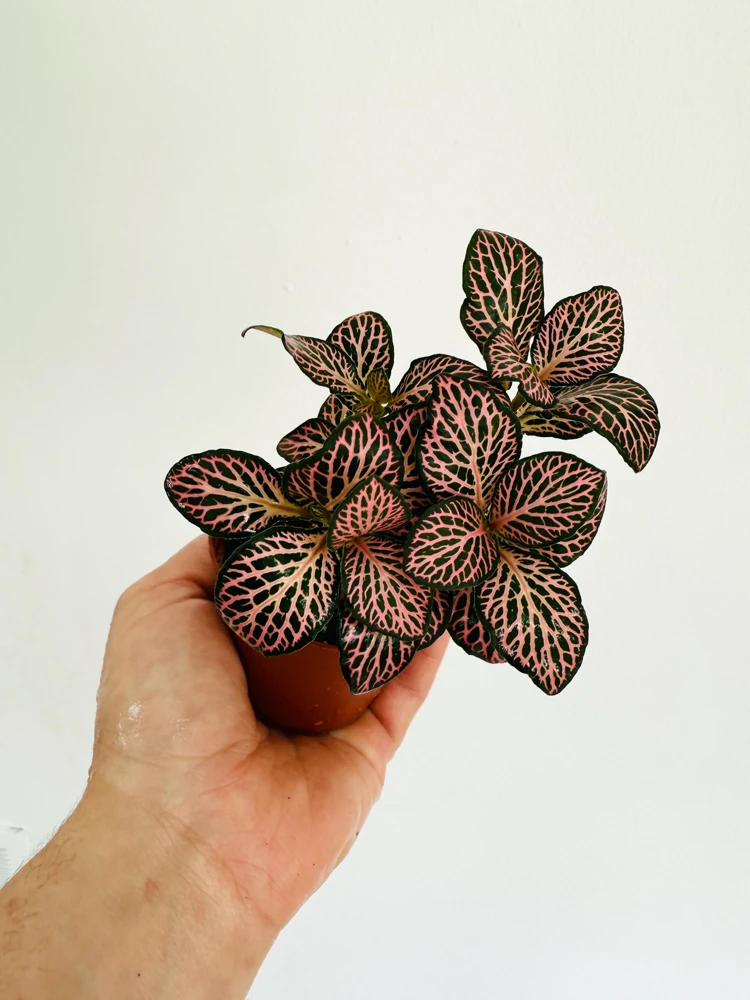
Fittonia Pink Angel Live Plant – Potted Nerve Plant – Easy Indoor Plant – 7.5 cm Pot
Original price was: 51.99 $.21.99 $Current price is: 21.99 $.
Bring vibrant color to your home with the Fittonia Pink Angel live plant. This stunning nerve plant indoor variety boasts beautiful pink and black foliage, making it a captivating addition to any space. Known as an easy care houseplant, it’s perfect for beginners and thrives with bright indirect light and consistent watering. Shipped in a 7.5 cm pot, ready to display.
Estimated arrival
Nov 26
Dec 01 - Dec 03
Dec 03 - Dec 08
See our Shipping Policy.
Get in touch with us via email, and our team will review your concerns.
Our Alive & Thrive Guarantee covers issues with your plants within the first 30 days. Read our Refund & Returns Policy.
-
USDA Hardiness Zone
Year-round indoors -
Soil Type
Well-draining potting mix -
Sunlight Exposure
Bright indirect light -
Expected Planting Period
Year-round indoors
Overview
Introduce a splash of vibrant color and intricate patterns to your indoor garden with the Fittonia Pink Angel live plant. This captivating variety, often referred to as a nerve plant, is celebrated for its striking pink and black variegated foliage, which creates a mesmerizing visual display. Originating from tropical rainforests, Fittonia plants are known for their delicate yet eye-catching leaves and their dramatic response to dehydration, often called ‘fainting’ before perking up quickly after watering. The ‘Pink Angel’ cultivar is particularly sought after for its intense coloration, making it a standout among other Fittonia varieties. This nerve plant indoor is not only beautiful but also relatively easy to care for, making it an excellent choice for both seasoned plant enthusiasts and those new to indoor gardening.
The Fittonia, or Nerve Plant (Fittonia albivenis), gets its common name from the prominent, contrasting veins that crisscross its leaves, resembling a network of nerves. The ‘Pink Angel’ cultivar highlights this feature with its vivid pink veining against a deep green or nearly black background. This compact plant is ideal for terrariums, small pots, or as a vibrant accent on a desk or shelf. It’s a wonderful way to add a touch of the tropics to your living space, creating a lush, miniature jungle feel. Its manageable size and unique appearance make it a popular choice for those looking to diversify their houseplant collection with something truly special.
Key Benefits
The Fittonia Pink Angel live plant offers numerous benefits, making it a delightful and rewarding addition to any indoor environment. Its striking appearance and relatively straightforward care contribute to its popularity:
- Stunning Visual Appeal: The most immediate benefit is the plant’s breathtaking aesthetics. Its vibrant pink veins against dark green or black leaves create a dramatic and beautiful contrast that instantly draws attention and enhances any room’s decor.
- Compact & Versatile Size: This nerve plant indoor remains relatively small, making it perfect for various settings such as tabletops, shelves, terrariums, or even as part of a mixed plant arrangement. Its compact growth habit means it won’t outgrow its space quickly.
- Air Purification: Like many houseplants, Fittonia contributes to a healthier indoor environment by helping to filter airborne toxins, improving the overall air quality in your home or office.
- Boosts Mood & Well-being: Surrounding yourself with living plants, especially those as visually appealing as the pink fittonia, has been shown to reduce stress, improve focus, and enhance overall mood and well-being.
- Easy Care for Beginners: Despite its delicate appearance, the Fittonia Pink Angel is considered an easy care houseplant once its basic needs for humidity and watering are met. Its dramatic ‘fainting’ behavior is an obvious signal for when it needs water, making it a great teacher for new plant parents.
- Unique Conversation Starter: The distinctive foliage and charming ‘fainting’ habit make this plant a fascinating topic of conversation, sure to intrigue guests and visitors.
Plant Care & Growing Tips
Caring for your Fittonia Pink Angel live plant is straightforward, especially if you understand its tropical origins. These plants thrive in conditions that mimic their native rainforest environment, primarily focusing on consistent moisture and high humidity. For sunlight, the Fittonia prefers bright, indirect light. Direct sunlight can scorch its delicate leaves, causing them to fade or burn, while too little light can lead to leggy growth and duller coloration. An east or north-facing window is often ideal, or a spot a few feet away from a south or west-facing window. If the plant starts to look pale or its vibrant colors diminish, it may need slightly more light.
Watering is crucial for this nerve plant indoor. It prefers consistently moist, but not waterlogged, soil. Allow the top inch of soil to dry out slightly before watering again. The Fittonia is famous for its dramatic wilting when thirsty, which serves as a clear indicator that it needs water. While it may look alarming, it usually perks right back up within an hour or two after a good drink. Avoid letting the plant sit in standing water, as this can lead to root rot. High humidity is also vital; consider placing your plant near a humidifier, on a pebble tray, or misting it regularly, especially in drier indoor environments. Grouping it with other plants can also help create a more humid microclimate.
For soil, a well-draining potting mix that retains some moisture is best. A standard houseplant mix with added perlite or coco coir works well. Temperatures between 65-80°F (18-27°C) are ideal, so avoid cold drafts or extreme temperature fluctuations. This plant is not frost-tolerant and should be kept indoors year-round in most climates. Fertilize sparingly during the growing season (spring and summer) with a diluted liquid houseplant fertilizer, about once a month. Reduce or stop fertilizing in fall and winter. While generally robust, keep an eye out for common houseplant pests like spider mites or mealybugs, especially in dry conditions. Regular inspection and prompt treatment will keep your beginner friendly plant healthy.
Size & Details
The Fittonia Pink Angel live plant is typically shipped as a young, actively growing specimen in a 7.5 cm (approximately 3-inch) nursery pot with soil. At this stage, it is a compact plant, perfect for transplanting into a decorative container or integrating into a terrarium. When mature, Fittonia plants generally reach a height of 6 to 12 inches (15-30 cm) and can spread 6 to 18 inches (15-45 cm), depending on growing conditions and pruning. Its relatively slow to moderate growth rate means it will maintain its appealing size for some time, making it a manageable addition to smaller spaces.
This pink fittonia is supplied as a healthy, rooted plant, ready to thrive in your home. It’s a fantastic choice for creating lush, vibrant displays, and its unique foliage ensures it will be a focal point wherever it’s placed. Expect your plant to arrive well-packaged, ensuring its safety during transit. Once established, with proper care, it will continue to grow and develop its stunning coloration, providing long-lasting beauty. This particular variety is selected for its robust nature and strong, healthy growth, ready to bring joy to its new owner.
Frequently Asked Questions
- Q: How big does this Fittonia Pink Angel live plant get? A: This plant typically grows to about 6-12 inches (15-30 cm) in height and can spread 6-18 inches (15-45 cm) wide. It maintains a compact size, making it ideal for indoor spaces.
- Q: What size pot does the nerve plant indoor come in? A: Your Fittonia Pink Angel live plant will arrive in a 7.5 cm (approximately 3-inch) nursery pot, ready for you to enjoy or repot into a decorative container.
- Q: Is this an indoor or outdoor plant? A: The Fittonia Pink Angel is primarily an indoor plant, especially in temperate climates. It thrives indoors where consistent temperatures and high humidity can be maintained. It is not cold hardy.
- Q: How much sunlight does this easy care houseplant need? A: This plant prefers bright, indirect light. Avoid direct sunlight, which can scorch its leaves, and too little light, which can cause dull colors and leggy growth.
- Q: Is this plant easy to care for? Is it good for beginners? A: Yes, the pink fittonia is considered an easy care houseplant and is great for beginners. It’s very communicative, famously wilting when it needs water, making it easy to know when to tend to it.
- Q: What condition will my Fittonia Pink Angel arrive in? A: Your plant will arrive healthy and actively growing, carefully packaged to ensure it withstands the journey. It will be shipped in its nursery pot with soil.
- Q: How often should I water my nerve plant? A: Water when the top inch of soil feels dry. The plant will often dramatically wilt or ‘faint’ when it’s thirsty, which is a clear sign it needs water. It usually recovers quickly after watering.
- Q: Does this plant require high humidity? A: Yes, Fittonia plants thrive in high humidity. You can increase humidity by misting regularly, using a pebble tray, or placing it near a humidifier.
- Q: Is the Fittonia Pink Angel pet-safe? A: Fittonia plants are generally considered non-toxic to cats and dogs, making them a safe choice for homes with pets.
- Q: What type of soil is best for this beginner friendly plant? A: A well-draining potting mix that retains some moisture is ideal. A standard houseplant mix amended with perlite or coco coir works well.
Be the first to review “Fittonia Pink Angel Live Plant – Potted Nerve Plant – Easy Indoor Plant – 7.5 cm Pot”
Related products


HousePlants
White Christmas Caladium Live Plant with Roots – Fancy Leaf Elephant Ear Tropical Shade Plant


You May Like

How to Grow Passion Flower (Passiflora) for Tropical Blooms
Few climbing vines in the home garden command attention quite like the exotic Passion Flower (Passiflora). [...]
Nov

Thanksgiving Cactus Care: How to Get Thanksgiving Cactus to Bloom
Is your Thanksgiving cactus growing well but not giving you any flowers? Maybe it looked [...]
Nov

How to Grow Garlic for a Bountiful Home Harvest
Garlic (Allium sativum) is one of the most satisfying, low-maintenance, and flavor-packed crops you can [...]
Oct

Hardneck vs. Softneck Garlic: Which Should You Grow?
Have you ever stood in front of a seed catalog in mid-September, staring at dozens [...]
1 Comment
Oct

When to Plant Music Garlic: Ultimate US Fall Guide
Have you ever spent your fall weekend placing carefully chosen garlic cloves into rich, dark [...]
1 Comment
Oct

5 Best Bulbs for Fall Planting: Brighten Your Garden This Spring
Are you dreaming of a garden full of vibrant colors in the spring? The key [...]
Aug

10 Houseplants That Will Thrive in Your Kitchen
Are you tired of your kitchen feeling dull and lifeless? Want to add a little [...]
1 Comment
Aug
Reviews
There are no reviews yet.