
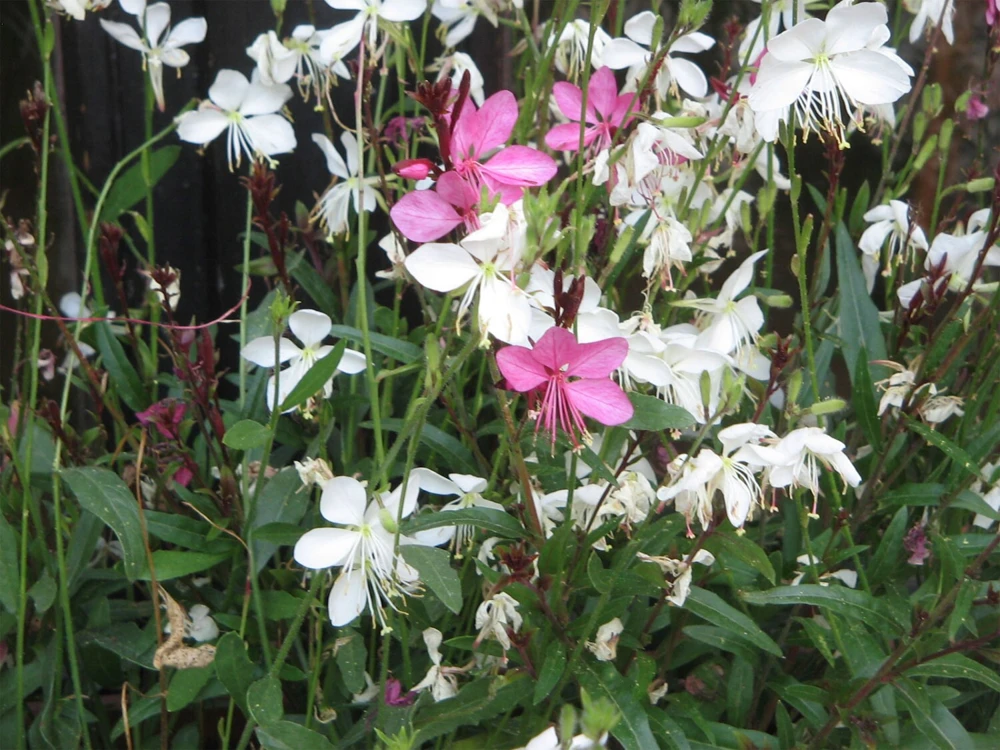
Gaura Seeds Pink & White Indian Feather – 10 Seeds Per Packet – Outdoor Perennial
Original price was: 48.91 $.19.91 $Current price is: 19.91 $.
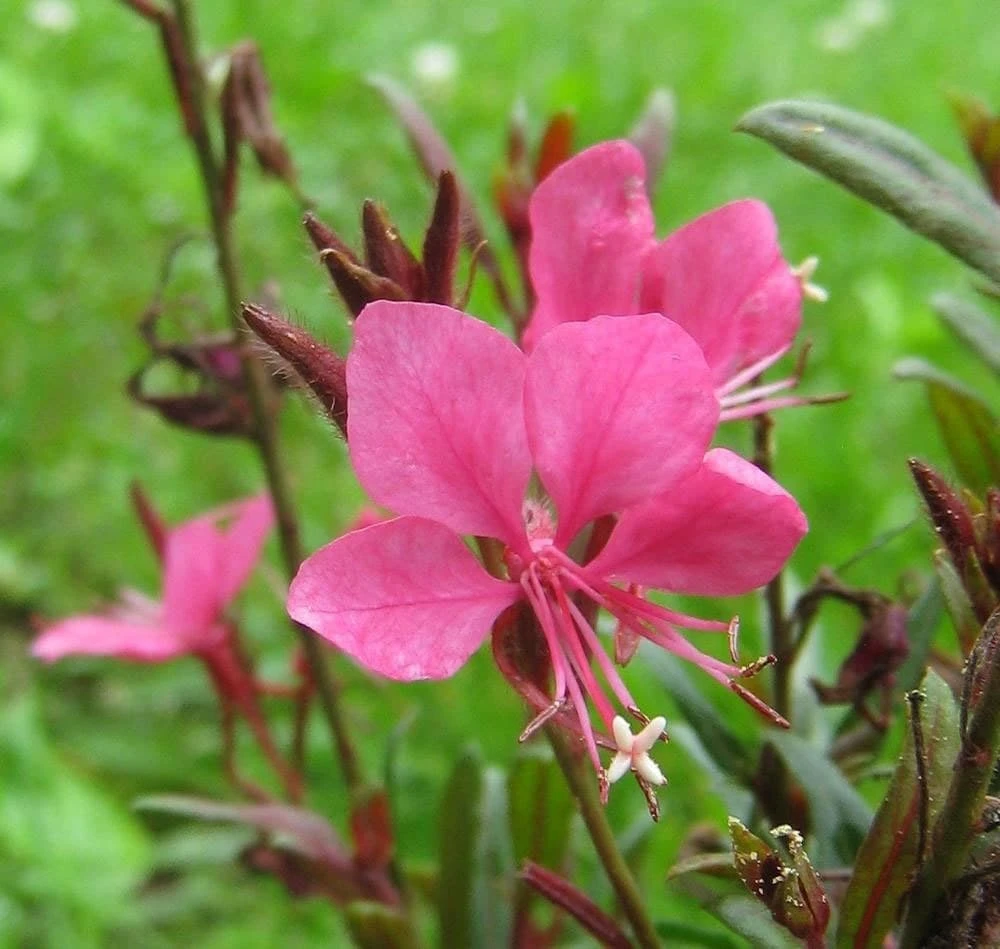
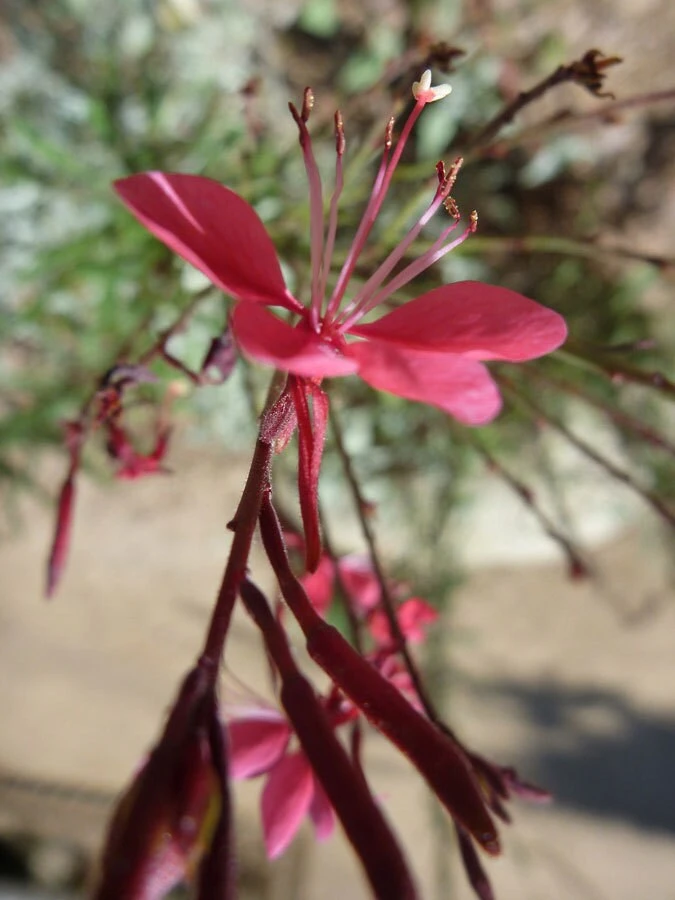
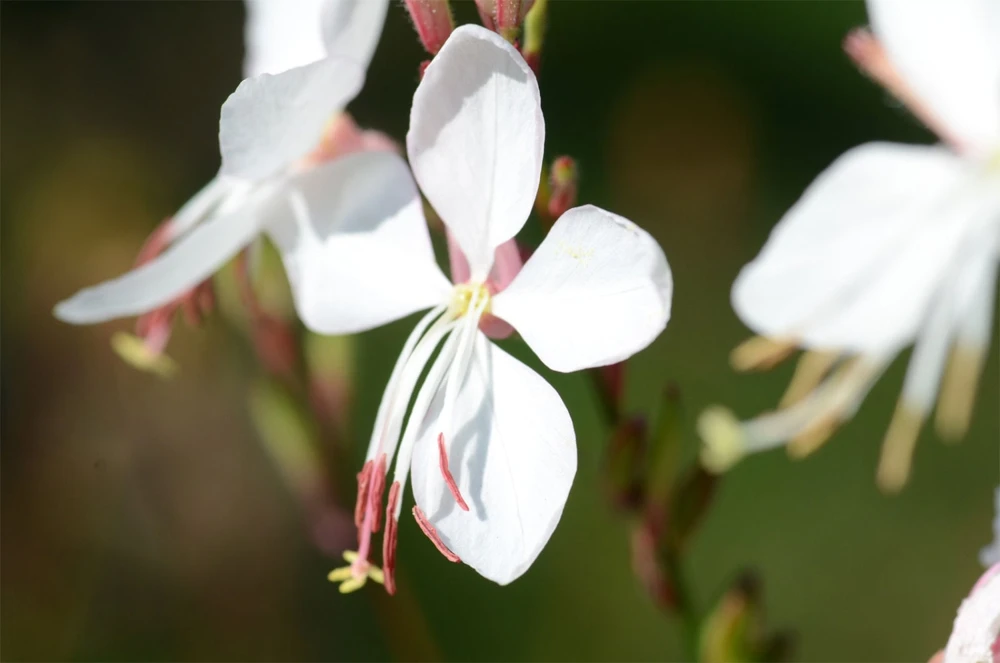
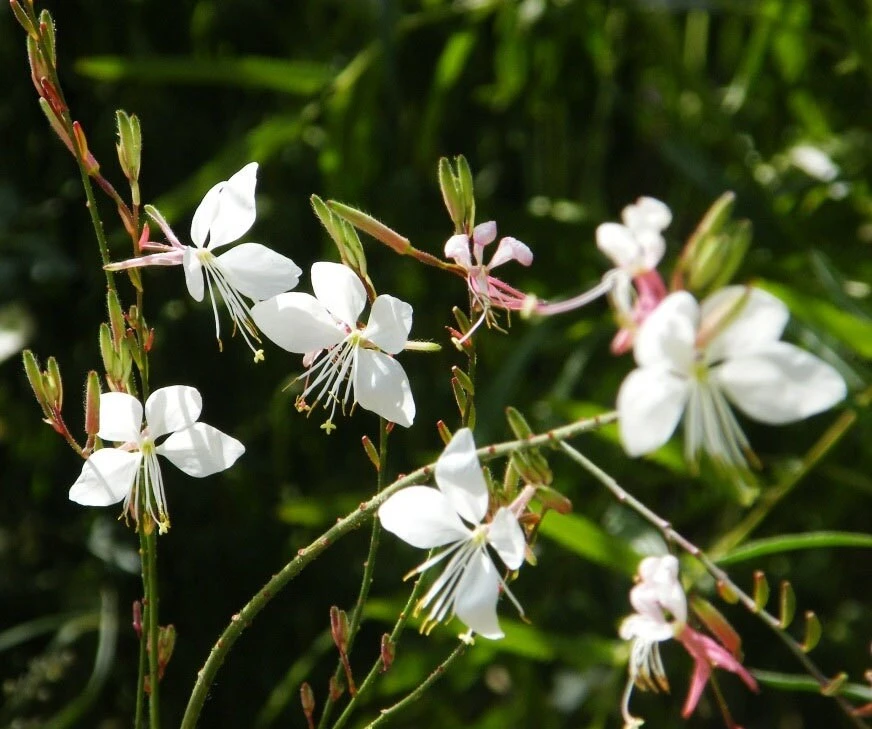
Cultivate stunning Gaura seeds, known as Indian Feather seeds, with this packet of 10 high-quality perennial seeds. Enjoy delicate pink and white blooms that attract birds, bees, and butterflies to your garden from summer to fall.
Estimated arrival
Nov 27
Dec 02 - Dec 04
Dec 04 - Dec 09
See our Shipping Policy.
Get in touch with us via email, and our team will review your concerns.
Our Alive & Thrive Guarantee covers issues with your plants within the first 30 days. Read our Refund & Returns Policy.
-
USDA Hardiness Zone
USDA Hardiness Zones 6 to 9 -
Soil Type
Well-draining soil -
Sunlight Exposure
Full sun to partial shade -
Expected Planting Period
Spring to early summer
Overview
Transform your garden into a haven for pollinators with our premium Gaura seeds. Also known as Oenothera lindheimeri, Indian Feather, or Pink & White Gaura, these perennial flower seeds promise a spectacular display of delicate, butterfly-like blossoms. Each packet contains 10 seeds, ready to grow into elegant plants that sway gracefully in the breeze. The Lindheimer’s beeblossom is celebrated for its ethereal beauty and its ability to thrive with minimal fuss, making it a favorite for both novice and experienced gardeners. These Oenothera lindheimeri seeds are perfect for creating naturalized areas, cottage gardens, or adding a touch of wild elegance to borders. Prepare to enjoy a long season of blooms that will enchant both you and your garden visitors.
Our Indian Feather seeds are carefully selected to ensure high viability, offering you the best chance to cultivate these charming plants. The unique pink and white coloration of the flowers provides a soft, romantic aesthetic that complements a wide range of garden designs. As a perennial, once established, these plants will return year after year, providing continuous beauty and supporting local ecosystems. Growing from Gaura seeds is a rewarding experience, allowing you to witness the full life cycle of this magnificent plant right in your own backyard.
Key Benefits
Growing these beautiful Gaura seeds offers a multitude of advantages for your garden and the local environment. Their ease of care and captivating appearance make them an excellent choice for various landscaping needs.
- Attracts Pollinators: The delicate flowers of Oenothera lindheimeri are a magnet for essential garden visitors. They actively attract birds, bees, and butterflies, helping to support biodiversity and pollinate other plants in your garden. This makes your garden a more vibrant and healthy ecosystem.
- Extended Bloom Season: Enjoy a prolonged period of beauty with these perennials. They typically blossom from the middle of Summer to early Fall, ensuring your garden remains colorful and lively when many other plants have finished their display. This extended bloom time provides continuous visual interest.
- Low Maintenance Perennial: Once established, these plants require minimal attention, making them ideal for busy gardeners. They are known for their resilience and ability to thrive in various conditions, returning year after year with little effort. This reduces the need for frequent replanting.
- Beautiful Pink & White Flowers: The elegant pink and white blooms add a soft, airy touch to any garden design. Their unique appearance, often described as resembling butterflies, creates a dynamic and graceful aesthetic that can enhance borders, rock gardens, or naturalized areas.
- Drought Tolerant: Once mature, Gaura plants are remarkably tolerant of dry conditions. This makes them an excellent choice for xeriscaping or gardens in regions with limited water resources, reducing your watering needs and promoting water conservation.
- Larval Host Plant: These plants serve as a crucial larval host for the White-lined Sphinx moth. By planting these perennial flower seeds, you contribute to supporting the life cycle of this fascinating insect, playing a vital role in local wildlife conservation.
- Versatile Garden Use: Whether you’re aiming for a wild meadow look, a structured border, or a charming cottage garden, these Gaura plants fit seamlessly. Their upright habit and airy flowers provide texture and movement to any garden setting, making them incredibly adaptable.
Plant Care & Growing Tips
Cultivating Oenothera lindheimeri seeds into thriving plants is relatively straightforward, provided you meet their basic needs. These hardy perennials are quite forgiving, but optimal conditions will ensure the most spectacular blooms. Understanding their preferences for sunlight, water, and soil will lead to a successful and beautiful garden.
When it comes to sunlight, Lindheimer’s beeblossom prefers to live in full sun to partial shade. For the best flowering performance and strongest growth, aim for at least 6 hours of direct sunlight per day. In hotter climates, a little afternoon shade can be beneficial to protect the delicate flowers from scorching. These plants are adaptable to various soil types, but they absolutely thrive in well-draining soil. Avoid heavy clay soils that retain too much moisture, as this can lead to root rot. Amending your soil with organic matter like compost can improve drainage and provide essential nutrients for robust growth from your pink and white Gaura.
Watering should be consistent during the establishment phase after planting your Gaura seeds. Once mature, these plants are quite drought-tolerant and prefer drier conditions. Water deeply but infrequently, allowing the soil to dry out completely between waterings. Overwatering is a common mistake and can be detrimental. These perennials are hardy in USDA Hardiness Zones 6 to 9, meaning they can withstand a range of winter temperatures. Fertilization is generally not heavily required; a light application of a balanced slow-release fertilizer in spring is usually sufficient. Deadheading spent flowers can encourage more blooms and prevent self-seeding if desired. Watch out for common pests like aphids, though Gaura is generally quite resistant to most problems.
Size & Details
The Oenothera lindheimeri, grown from our high-quality Gaura seeds, typically reaches a mature height of up to 2 feet tall, creating an airy and upright presence in the garden. Its slender, graceful stems sway gently, adding dynamic movement to your landscape. While individual plant width can vary, they generally form a clump about 1 to 1.5 feet wide. These perennial flower seeds are shipped in a standard seed packet containing 10 individual seeds, providing a good starting quantity for your garden projects. Once planted, you can expect germination to occur within 10-20 days under ideal conditions. The plants will typically establish themselves in their first year, with flowering commencing in the second year from seed, although sometimes late-season blooms can occur in the first year with early planting. The main blooming season, as mentioned, is from mid-summer to early fall, offering a long period of delightful pink and white flowers. These plants will return year after year, growing from their established root systems.
Frequently Asked Questions
- Q: How big do Gaura plants get from these seeds? A: From these Gaura seeds, your plants will typically grow up to 2 feet tall with a spread of about 1 to 1.5 feet. They have an upright, airy growth habit that adds vertical interest to your garden.
- Q: Is this an indoor or outdoor plant? A: Oenothera lindheimeri, or Indian Feather seeds, are best suited for outdoor cultivation. They are hardy perennials in USDA Zones 6 to 9 and thrive in garden beds, borders, and naturalized areas.
- Q: How much sunlight does Oenothera lindheimeri need? A: These plants prefer full sun to partial shade. For the most abundant blooms and healthiest growth, aim to provide at least 6 hours of direct sunlight daily, especially in cooler climates.
- Q: Is this plant easy to care for, especially for beginners? A: Yes, Gaura is considered a relatively easy-care perennial. Once established, it is drought-tolerant and requires minimal attention, making it an excellent choice for beginners or those seeking low-maintenance plants.
- Q: What condition will the seeds arrive in? A: The Gaura seeds will arrive in a protective seed packet, ensuring they are fresh and viable. They are ready to be planted upon arrival according to the provided instructions.
- Q: How long until Gaura plants bloom from seed? A: Typically, Gaura plants grown from perennial flower seeds will establish themselves in the first year and begin to produce their characteristic pink and white blooms in their second year. Early planting might yield some first-year flowers.
- Q: Will these plants survive winter in my zone? A: These Gaura plants are hardy in USDA Zones 6 to 9. If you are within these zones, they should successfully overwinter and return in the spring. In colder zones, they may be grown as annuals.
- Q: What type of soil do these Gaura seeds prefer? A: They prefer well-draining soil. While adaptable to various soil types, ensuring good drainage is crucial to prevent root issues. Amending with compost can improve soil structure.
- Q: Do these flowers attract any specific wildlife? A: Yes, the pink and white Gaura flowers are well-known for attracting birds, bees, and butterflies. They also serve as a larval host plant for the White-lined Sphinx moth, contributing to local ecosystems.
- Q: When is the best time to plant these Indian Feather seeds? A: The best time to plant these seeds is typically in spring after the last frost, or in late summer/early fall in warmer climates. This allows the seedlings to establish before extreme temperatures.
Be the first to review “Gaura Seeds Pink & White Indian Feather – 10 Seeds Per Packet – Outdoor Perennial”
Related products


Flower Seeds

You May Like

How to Grow Passion Flower (Passiflora) for Tropical Blooms
Few climbing vines in the home garden command attention quite like the exotic Passion Flower (Passiflora). [...]
Nov

Thanksgiving Cactus Care: How to Get Thanksgiving Cactus to Bloom
Is your Thanksgiving cactus growing well but not giving you any flowers? Maybe it looked [...]
Nov

How to Grow Garlic for a Bountiful Home Harvest
Garlic (Allium sativum) is one of the most satisfying, low-maintenance, and flavor-packed crops you can [...]
Oct

Hardneck vs. Softneck Garlic: Which Should You Grow?
Have you ever stood in front of a seed catalog in mid-September, staring at dozens [...]
1 Comment
Oct

When to Plant Music Garlic: Ultimate US Fall Guide
Have you ever spent your fall weekend placing carefully chosen garlic cloves into rich, dark [...]
1 Comment
Oct

5 Best Bulbs for Fall Planting: Brighten Your Garden This Spring
Are you dreaming of a garden full of vibrant colors in the spring? The key [...]
Aug

10 Houseplants That Will Thrive in Your Kitchen
Are you tired of your kitchen feeling dull and lifeless? Want to add a little [...]
1 Comment
Aug
Reviews
There are no reviews yet.