
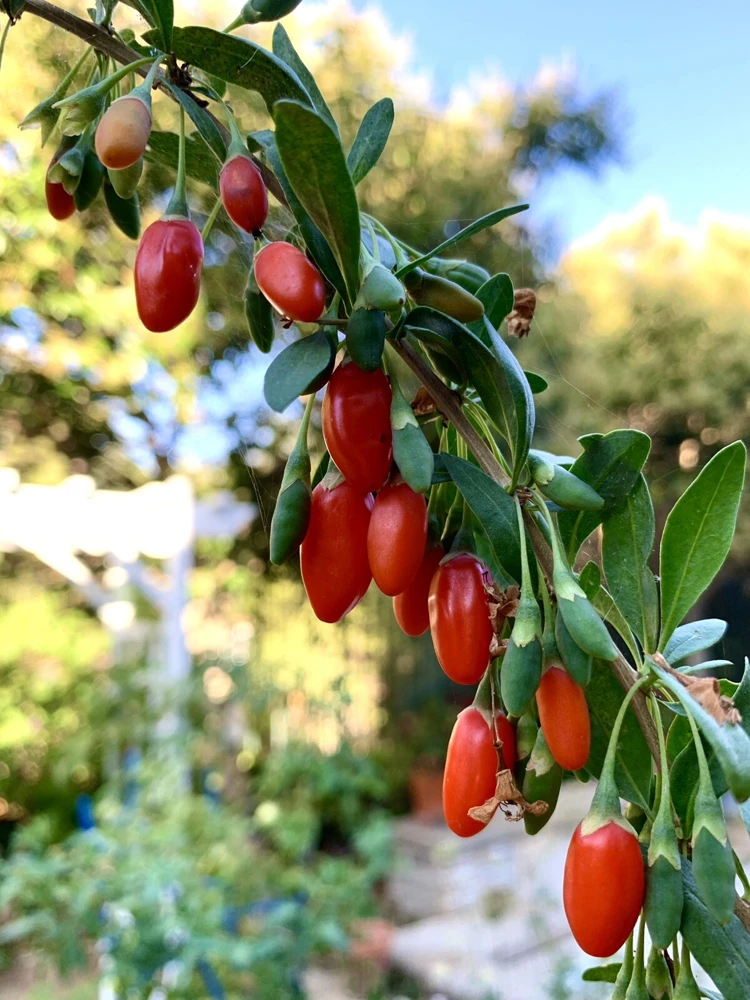
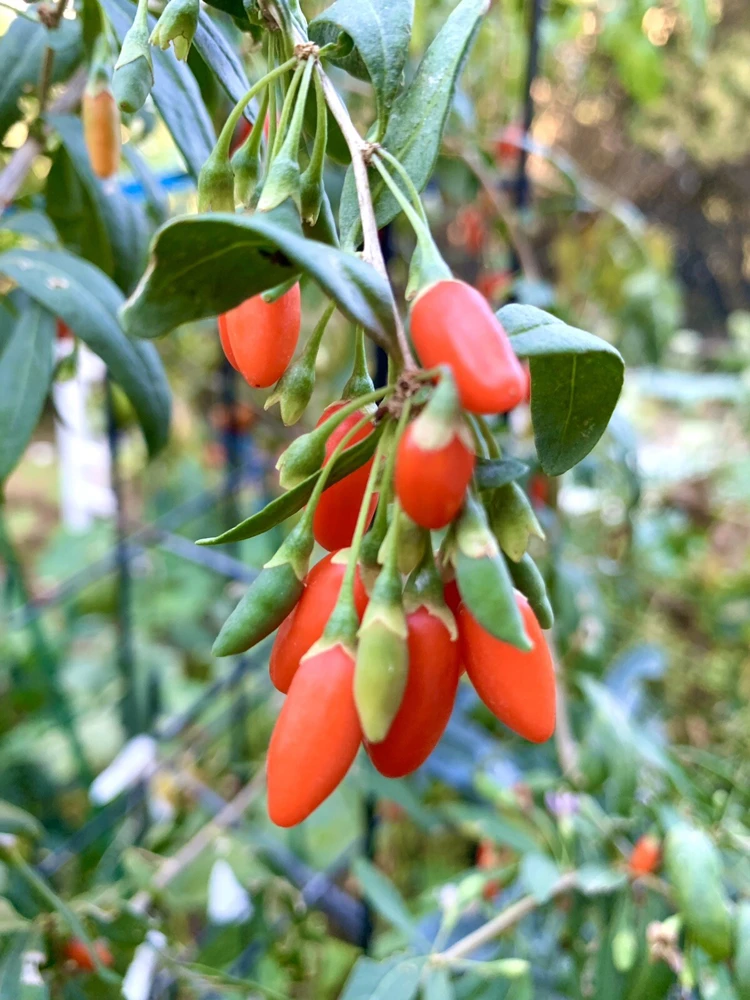
Goji Berry Seeds – 100 Wolfberry Lycium Barbarum Seeds for Outdoor Planting
Original price was: 7.98 $.3.99 $Current price is: 3.99 $.
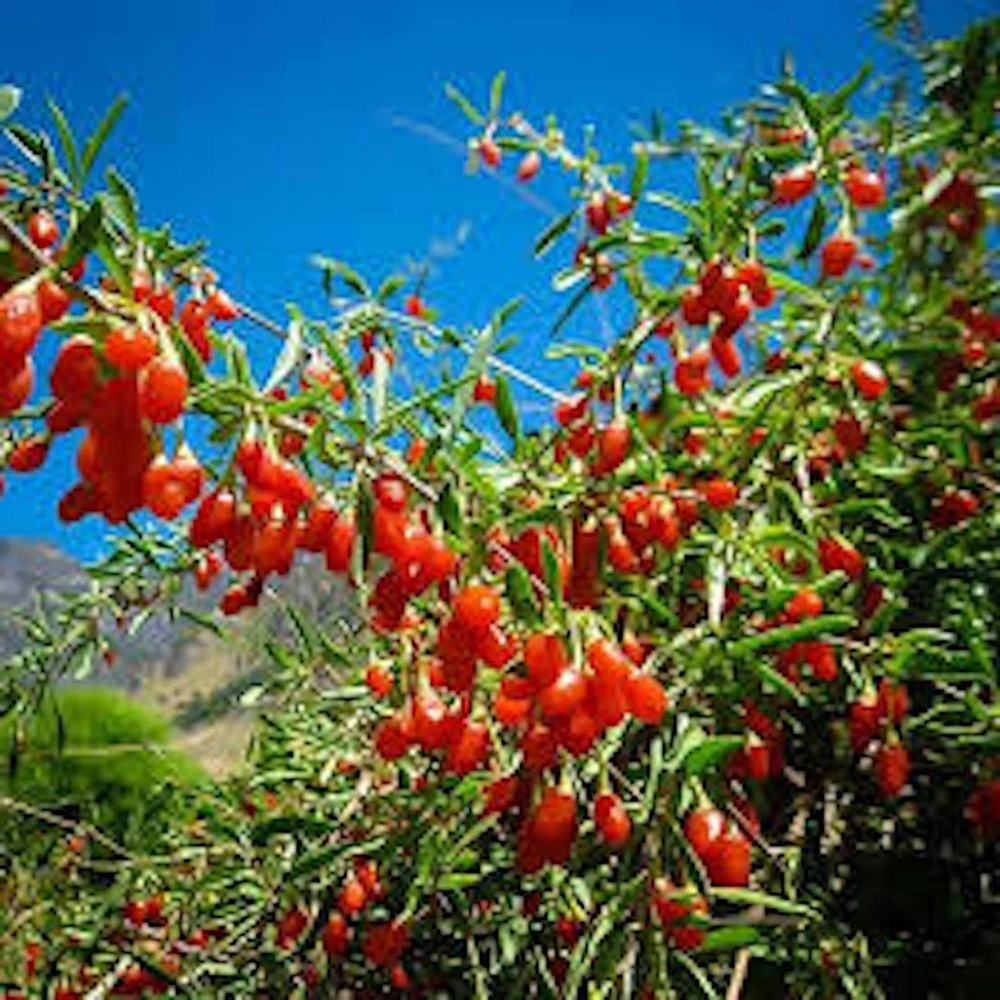
Start your own superfood garden with goji berry seeds. These wolfberry seeds (Lycium Barbarum) are perfect for outdoor planting, producing edible, deciduous, and flowering perennial plants. Enjoy fresh goji berries from your own backyard with moderate care.
Estimated arrival
Nov 29
Dec 04 - Dec 06
Dec 06 - Dec 11
See our Shipping Policy.
Get in touch with us via email, and our team will review your concerns.
Our Alive & Thrive Guarantee covers issues with your plants within the first 30 days. Read our Refund & Returns Policy.
-
USDA Hardiness Zone
USDA Zones 5-9 -
Soil Type
Well-draining soil, pH 6.5-7.0 -
Sunlight Exposure
Full Sun -
Expected Planting Period
Spring to early summer
Overview
Embark on a rewarding gardening journey by cultivating your own superfood with these premium goji berry seeds. Also known as wolfberry seeds or Lycium Barbarum, these seeds offer the opportunity to grow a vibrant, fruit-bearing perennial plant right in your own garden. Native to Asia, the goji berry plant is renowned for its bright red-orange berries, which are celebrated for their nutritional value and sweet-tart flavor. Growing your own goji berries ensures a fresh, organic supply of this healthful fruit. These seeds are an excellent choice for gardeners looking to add an edible and attractive climbing plant to their outdoor space.
Each packet contains 100 high-quality seeds, providing a generous start to establish a thriving goji berry patch. The plants are deciduous, meaning they will shed their leaves seasonally, and produce beautiful flowers before developing their famous fruit. Whether you’re an experienced gardener or just starting out, growing lycium barbarum seeds is a fulfilling project that yields delicious and beneficial results. Prepare to enjoy the fresh taste and health benefits of homegrown goji berries.
Key Benefits
Growing your own goji berries from seed offers numerous advantages, enriching both your garden and your diet. These plants are not only productive but also add an attractive element to your landscape.
- Nutritional Powerhouse: Goji berries are widely considered a superfood, packed with antioxidants, vitamins, and minerals. Growing your own ensures a fresh and healthy supply of these beneficial berries.
- Edible Landscape: The goji berry plant care is relatively straightforward, allowing you to integrate an edible component into your garden design. Its climbing habit makes it versatile for various garden structures.
- Perennial Growth: Once established, goji berry plants are perennial, meaning they will return year after year, providing a continuous harvest without the need for annual replanting.
- Attractive Foliage and Flowers: Beyond their fruit, goji plants feature appealing green foliage and delicate flowers that add ornamental value to your outdoor space.
- Drought Tolerance: Mature goji berry plants are known for their resilience and can tolerate periods of drought, making them a relatively low-maintenance option for many climates.
- Versatile Use: Fresh goji berries can be enjoyed raw, dried, or incorporated into smoothies, desserts, and various culinary dishes, offering a wide range of uses in your kitchen.
- Supports Pollinators: The flowers produced by the goji berry seeds attract beneficial pollinators to your garden, contributing to a healthier ecosystem.
Plant Care & Growing Tips
Successfully growing goji berries from goji berry seeds requires attention to a few key factors, ensuring a bountiful harvest. Goji berries thrive in full sun, meaning they need at least 6-8 hours of direct sunlight per day. Choose a location in your garden that receives ample light throughout the day to encourage strong growth and fruit production. They are adaptable to a range of soil types but prefer well-draining soil with a pH between 6.5 and 7.0. Amending heavy clay soils with organic matter like compost can improve drainage and aeration, which is crucial for root health.
When it comes to watering, young goji plants require consistent moisture, especially during dry spells, to establish a strong root system. Once mature, they become quite drought-tolerant, but regular watering during flowering and fruiting periods will enhance yield. Water deeply at the base of the plant, allowing the top inch or two of soil to dry out between waterings. Goji plants are typically hardy in USDA zones 5-9, tolerating both cold winters and hot summers. Fertilize sparingly in spring with a balanced organic fertilizer to support healthy growth. Pruning is essential for managing their climbing growth habit and encouraging better fruit production; prune in late winter or early spring to remove dead wood and shape the plant. Watch out for common pests like aphids, and treat them with organic insecticidal soap if necessary. Proper goji berry plant care will lead to years of delicious harvests.
Size & Details
This offering includes 100 goji berry seeds, providing a solid foundation for establishing your own goji berry patch. These seeds will grow into perennial plants that can reach a mature height of 6-10 feet with a similar spread, depending on growing conditions and pruning. Goji plants have a climbing growth habit and will benefit from support structures like trellises or fences. The berries typically ripen in late summer to early fall, offering a harvest season that can extend for several weeks. Plants grown from wolfberry seeds usually begin to produce fruit within 1-2 years of planting, with production increasing as the plant matures. These seeds are shipped as a dry seed packet, ready for planting.
Frequently Asked Questions
- Q: How long does it take for goji berry seeds to germinate? A: Goji berry seeds typically germinate within 14-30 days, though it can sometimes take longer. Providing consistent warmth and moisture can aid in successful germination.
- Q: Is this an indoor or outdoor plant? A: Goji berry plants are primarily outdoor plants, thriving in full sun conditions. While they can be started indoors, they need to be transplanted outside to reach their full potential and produce fruit.
- Q: How much sunlight does a goji berry plant need? A: For optimal growth and fruit production, a goji berry plant requires at least 6-8 hours of direct sunlight per day. Full sun exposure is highly recommended.
- Q: What is the best soil type for growing goji berries? A: Goji berries prefer well-draining soil with a slightly acidic to neutral pH (6.5-7.0). They are adaptable but good drainage is crucial to prevent root rot.
- Q: How often should I water my goji berry plant? A: Young plants need consistent moisture. Once established, they are drought-tolerant but benefit from regular watering, especially during dry periods and when fruiting. Allow the top soil to dry between waterings.
- Q: When is the best time to plant goji berry seeds? A: It’s best to sow goji berry seeds indoors 6-8 weeks before the last frost date, or directly outdoors after all danger of frost has passed in spring.
- Q: What condition will the seeds arrive in? A: The seeds will arrive in a protective packet, dry and ready for planting. Detailed instructions for germination and planting are usually included or readily available.
- Q: Are goji berry plants easy to care for? A: Goji berries are considered moderately easy to care for. They are quite resilient once established, but require attention to sunlight, soil, and occasional pruning for best results.
- Q: Can I grow goji berries in a container? A: Yes, goji berries can be grown in large containers, especially if space is limited. Ensure the container has excellent drainage and provide adequate support for its climbing habit.
- Q: What is the USDA hardiness zone for goji berries? A: Goji berry plants are generally hardy in USDA Zones 5-9, capable of withstanding a range of temperatures.
Be the first to review “Goji Berry Seeds – 100 Wolfberry Lycium Barbarum Seeds for Outdoor Planting”
Related products




Shrub Seeds
Black Goji Berry Seeds – Lycium ruthenicum Russian Boxthorn – 100 Seeds for Outdoor Planting
You May Like

How to Grow Passion Flower (Passiflora) for Tropical Blooms
Few climbing vines in the home garden command attention quite like the exotic Passion Flower (Passiflora). [...]
Nov

Thanksgiving Cactus Care: How to Get Thanksgiving Cactus to Bloom
Is your Thanksgiving cactus growing well but not giving you any flowers? Maybe it looked [...]
Nov

How to Grow Garlic for a Bountiful Home Harvest
Garlic (Allium sativum) is one of the most satisfying, low-maintenance, and flavor-packed crops you can [...]
Oct

Hardneck vs. Softneck Garlic: Which Should You Grow?
Have you ever stood in front of a seed catalog in mid-September, staring at dozens [...]
1 Comment
Oct

When to Plant Music Garlic: Ultimate US Fall Guide
Have you ever spent your fall weekend placing carefully chosen garlic cloves into rich, dark [...]
1 Comment
Oct

5 Best Bulbs for Fall Planting: Brighten Your Garden This Spring
Are you dreaming of a garden full of vibrant colors in the spring? The key [...]
Aug

10 Houseplants That Will Thrive in Your Kitchen
Are you tired of your kitchen feeling dull and lifeless? Want to add a little [...]
1 Comment
Aug
Reviews
There are no reviews yet.