
Great Coneflower Seeds – Rudbeckia Maxima – 100 Seeds – Outdoor Flowering Biennial
Original price was: 17.98 $.13.99 $Current price is: 13.99 $.
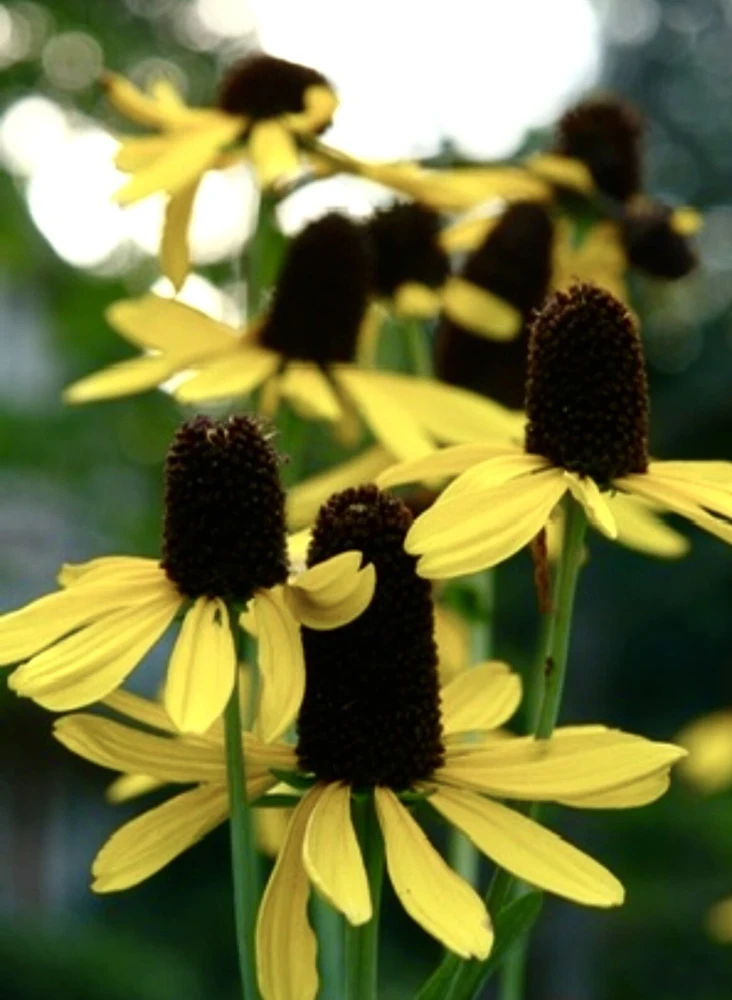
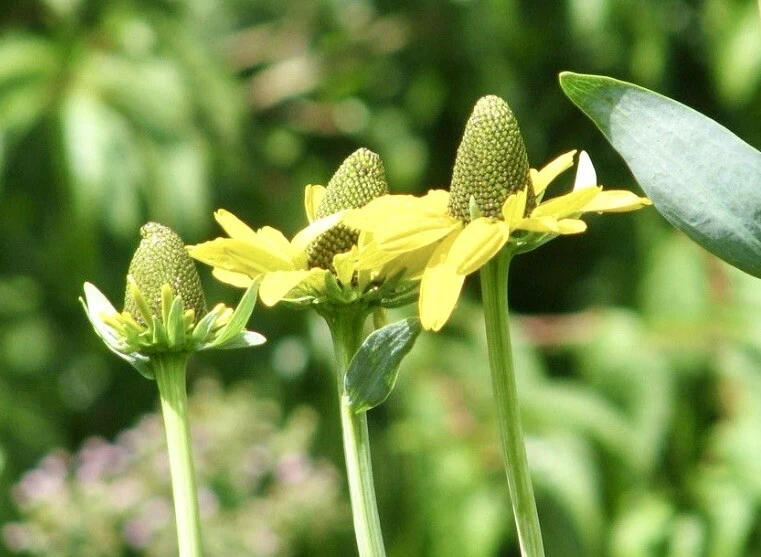
Cultivate stunning Great Coneflower seeds (Rudbeckia Maxima) in your garden with this pack of 100 high-quality seeds. These robust biennial flowers are perfect for creating a vibrant outdoor display, attracting beneficial pollinators, and adding architectural interest to your landscape. Enjoy their unique green-yellow blooms from spring through fall.
Estimated arrival
Nov 27
Dec 02 - Dec 04
Dec 04 - Dec 09
See our Shipping Policy.
Get in touch with us via email, and our team will review your concerns.
Our Alive & Thrive Guarantee covers issues with your plants within the first 30 days. Read our Refund & Returns Policy.
-
USDA Hardiness Zone
USDA zones 4-9 -
Soil Type
Well-draining soil -
Sunlight Exposure
Full sun -
Expected Planting Period
Late fall or early spring
Overview
Introduce a magnificent native perennial to your garden with these premium Great Coneflower seeds. Known botanically as Rudbeckia Maxima, this striking plant is celebrated for its towering stature and unique, elongated central cone surrounded by drooping yellow petals. Each packet contains 100 seeds, providing ample opportunity to establish a beautiful display of these impressive flowers. Ideal for gardeners seeking a distinctive, drought-tolerant plant, the Great Coneflower seeds promise to transform your outdoor space into a haven for pollinators and admirers alike. Rudbeckia Maxima is a biennial, meaning it establishes foliage in its first year and blooms spectacularly in its second, often self-seeding to ensure continuous enjoyment.
The Great Coneflower is a true garden standout, offering a dramatic visual presence that few other plants can match. Its architectural form and long blooming period make it an excellent choice for borders, prairie gardens, or naturalized areas. These Rudbeckia Maxima seeds are sourced for viability, ensuring you have the best start to growing these magnificent plants. Prepare to be captivated by the beauty and resilience of this remarkable coneflower, which brings a touch of wild elegance to any landscape.
Key Benefits
Planting Great Coneflower seeds offers a multitude of advantages for both your garden and the local ecosystem. These robust plants provide significant visual impact and ecological benefits, making them a wise choice for any outdoor space.
- Dramatic Garden Presence: The towering flower stalks, reaching up to 7 feet tall, and large, distinctive blooms create an impressive focal point in any garden. Their unique form adds architectural interest and a touch of wild beauty.
- Attracts Pollinators: The large, nectar-rich cones are a magnet for bees, butterflies, and other beneficial insects, supporting local biodiversity and contributing to a healthy garden ecosystem.
- Drought Tolerant: Once established, Great Coneflowers are remarkably resilient and can withstand periods of drought, making them an excellent choice for low-water gardens or xeriscaping.
- Low Maintenance: These plants are relatively easy to care for, requiring minimal attention once established. They are generally pest and disease resistant, allowing you more time to enjoy their beauty.
- Long Blooming Season: Enjoy their unique green-yellow blooms from late spring through fall, providing continuous color and interest in your garden for several months.
- Excellent Cut Flower: The sturdy stems and long-lasting flowers make Great Coneflowers a fantastic addition to fresh floral arrangements, bringing their unique beauty indoors.
- Seed for Wildlife: After the blooms fade, the dried seed heads provide a valuable food source for finches and other birds through the winter, adding another layer of ecological benefit. Consider these giant coneflower seeds for a truly impactful garden.
Plant Care & Growing Tips
Growing Great Coneflower seeds successfully begins with proper site selection and planting techniques. These plants thrive in full sun, meaning they need at least 6-8 hours of direct sunlight per day to achieve their full height and bloom potential. While they can tolerate some partial sun, performance may be reduced. Ensure your chosen location has good air circulation to prevent fungal issues, especially in humid climates.
For soil, Great Coneflowers prefer well-draining soil. They are adaptable to a range of soil types, from sandy to clay, as long as it doesn’t remain waterlogged. Amending heavy clay soils with organic matter like compost can improve drainage and provide essential nutrients. Sow Rudbeckia Maxima seeds directly outdoors in late fall or early spring after the last frost. Lightly cover the seeds with soil, as they require some light to germinate. Keep the soil consistently moist until germination occurs, which can take 10-20 days. Thin seedlings to about 18-24 inches apart to allow for mature growth. Once established, water regularly during dry periods, but allow the soil to dry out between waterings. Overwatering can lead to root rot. These plants are hardy in USDA zones 4-9.
Fertilization is generally not needed for established Great Coneflowers, especially if planted in rich soil. An annual application of compost around the base of the plants in spring can provide sufficient nutrients. Deadheading spent blooms is not strictly necessary but can encourage a tidier appearance and prevent excessive self-seeding if desired. Leaving the seed heads provides winter interest and food for birds. Look forward to learning how to grow coneflowers successfully with these guidelines. These perennial flower seeds are quite resilient.
Size & Details
These Great Coneflower seeds will develop into impressive plants reaching heights of 5 to 7 feet, with a spread of 2 to 3 feet at maturity. The plants typically form a basal rosette of large, blue-green leaves in their first year. In the second year, the tall flower stalks emerge, topped with the distinctive blooms. Each flower features an elongated, dark brown central cone, often 2-4 inches long, surrounded by drooping, strap-like yellow petals. The seeds are suitable for planting in USDA hardiness zones 4-9, indicating their adaptability to a wide range of climates.
You will receive 100 high-quality seeds, carefully packaged to ensure viability. These seeds are harvested for the current growing season, ensuring optimal germination rates. Expect blooms in the second year after planting, typically from late spring through early fall, depending on your climate. While technically biennial, Great Coneflowers often self-seed, creating a continuous presence in your garden for many years. These Rudbeckia Maxima seeds are a fantastic investment for long-term garden beauty.
Frequently Asked Questions
- Q: How big does this plant get? A: Great Coneflowers (Rudbeckia Maxima) are known for their impressive height, typically growing between 5 to 7 feet tall. They can spread about 2 to 3 feet wide, forming a substantial presence in the garden.
- Q: Is this an indoor or outdoor plant? A: Great Coneflowers are strictly outdoor plants. They require full sun exposure and ample space to grow to their full potential, making them unsuitable for indoor cultivation.
- Q: How much sunlight does it need? A: These plants thrive in full sun, meaning they need a minimum of 6 to 8 hours of direct sunlight per day. Adequate sunlight is crucial for strong growth and abundant flowering.
- Q: Is this plant easy to care for? A: Yes, once established, Great Coneflowers are considered low-maintenance plants. They are drought-tolerant and generally resistant to pests and diseases, making them a good choice for gardeners of all skill levels.
- Q: What condition will the seeds arrive in? A: You will receive 100 high-quality Great Coneflower seeds in a protective packet, ensuring their viability and readiness for planting.
- Q: How long until it blooms? A: Great Coneflowers are biennial. They will establish foliage in their first year and typically bloom in their second year. However, they often self-seed, ensuring continuous blooms in subsequent years.
- Q: When is the best time to plant these seeds? A: The best times to sow Rudbeckia Maxima seeds are in late fall (for natural stratification over winter) or in early spring after the last frost date in your region.
- Q: Will it survive winter in my zone? A: Great Coneflowers are hardy in USDA zones 4 through 9, meaning they can tolerate a wide range of winter temperatures and will generally survive and return in these zones.
- Q: Do I need to fertilize these plants? A: Generally, established Great Coneflowers do not require heavy fertilization. If your soil is poor, a light application of compost in spring can be beneficial, but avoid over-fertilizing.
- Q: What are the best uses for Great Coneflowers in the garden? A: These plants are excellent for creating dramatic backdrops in borders, prairie gardens, naturalized areas, and pollinator gardens. Their height and unique form make them a striking focal point.
Be the first to review “Great Coneflower Seeds – Rudbeckia Maxima – 100 Seeds – Outdoor Flowering Biennial”
Related products


Flower Seeds
Blue Stock Matthiola Incana Seeds – 50 Fragrant Gillyflower Seeds – Ten-Week Blue Stock


You May Like

How to Grow Passion Flower (Passiflora) for Tropical Blooms
Few climbing vines in the home garden command attention quite like the exotic Passion Flower (Passiflora). [...]
Nov

Thanksgiving Cactus Care: How to Get Thanksgiving Cactus to Bloom
Is your Thanksgiving cactus growing well but not giving you any flowers? Maybe it looked [...]
Nov

How to Grow Garlic for a Bountiful Home Harvest
Garlic (Allium sativum) is one of the most satisfying, low-maintenance, and flavor-packed crops you can [...]
Oct

Hardneck vs. Softneck Garlic: Which Should You Grow?
Have you ever stood in front of a seed catalog in mid-September, staring at dozens [...]
1 Comment
Oct

When to Plant Music Garlic: Ultimate US Fall Guide
Have you ever spent your fall weekend placing carefully chosen garlic cloves into rich, dark [...]
1 Comment
Oct

5 Best Bulbs for Fall Planting: Brighten Your Garden This Spring
Are you dreaming of a garden full of vibrant colors in the spring? The key [...]
Aug

10 Houseplants That Will Thrive in Your Kitchen
Are you tired of your kitchen feeling dull and lifeless? Want to add a little [...]
1 Comment
Aug
Reviews
There are no reviews yet.