
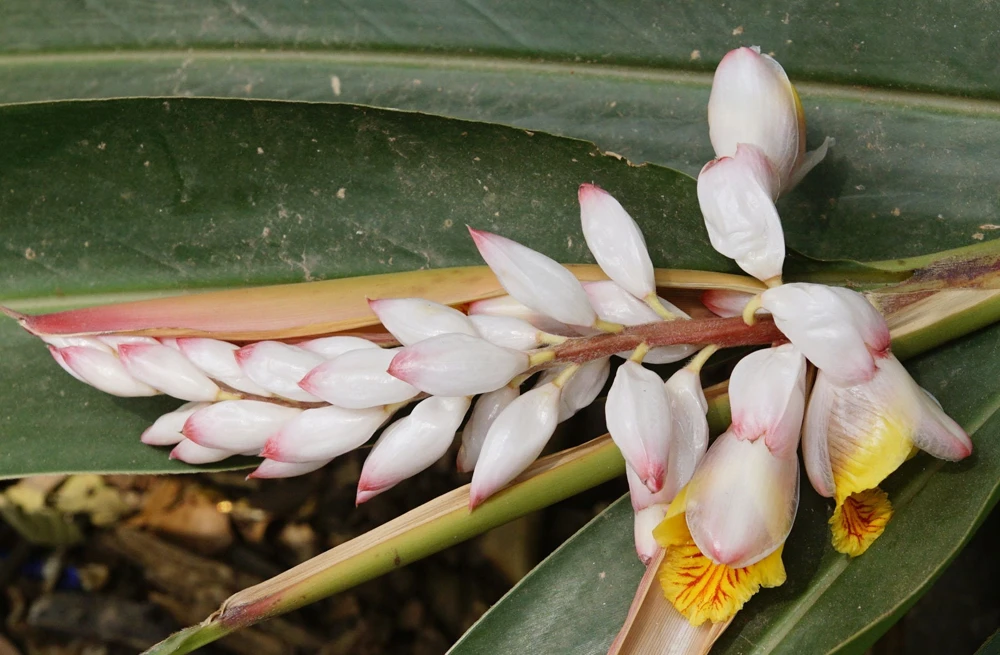
Greater Galangal Seeds – Alpinia galanga, Siamese Ginger, 20 Seeds, USDA Zones 8-10
Original price was: 48.91 $.19.91 $Current price is: 19.91 $.
Cultivate your own culinary spice with these greater galangal seeds. Also known as Alpinia galanga seeds or Siamese ginger seeds, these are perfect for home gardeners and chefs looking to grow this essential ingredient for Thai and Indonesian dishes. Each packet contains 20 seeds, ready for planting.
Estimated arrival
Nov 26
Dec 01 - Dec 03
Dec 03 - Dec 08
See our Shipping Policy.
Get in touch with us via email, and our team will review your concerns.
Our Alive & Thrive Guarantee covers issues with your plants within the first 30 days. Read our Refund & Returns Policy.
-
USDA Hardiness Zone
USDA Hardiness Zones 8 to 10 -
Soil Type
Well-draining, rich potting mix -
Sunlight Exposure
Partial shade to full sun -
Expected Planting Period
Late winter to early spring (indoors), Spring (outdoors)
Overview
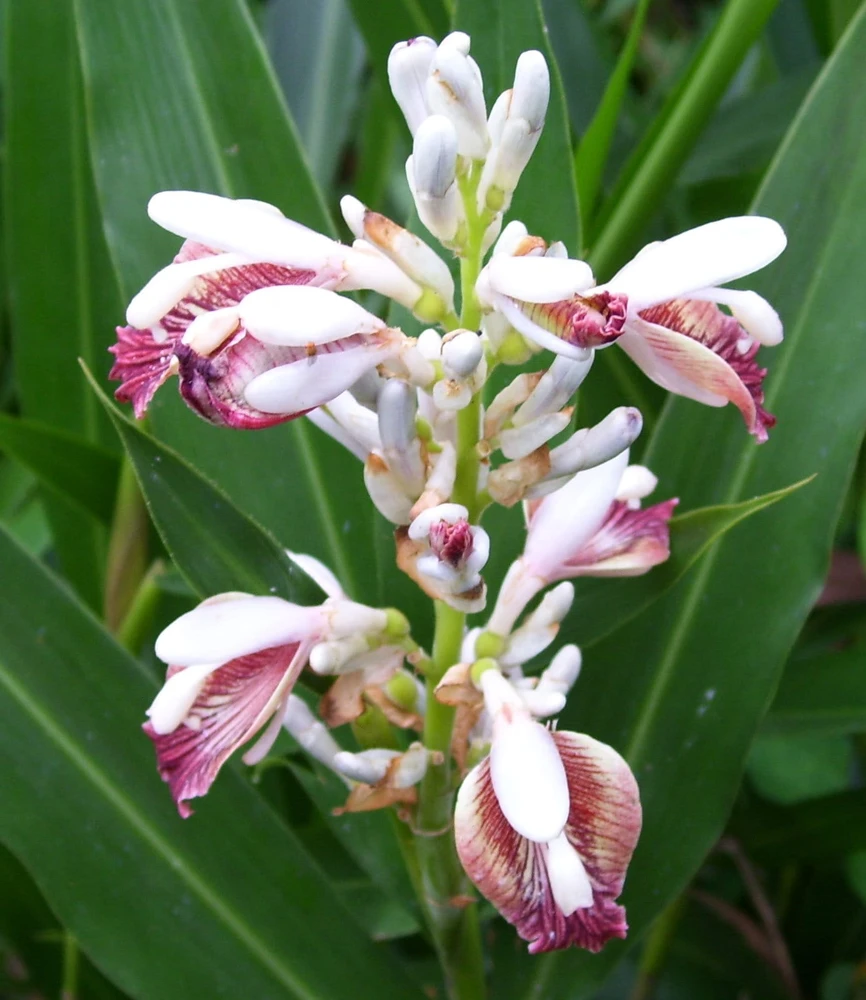
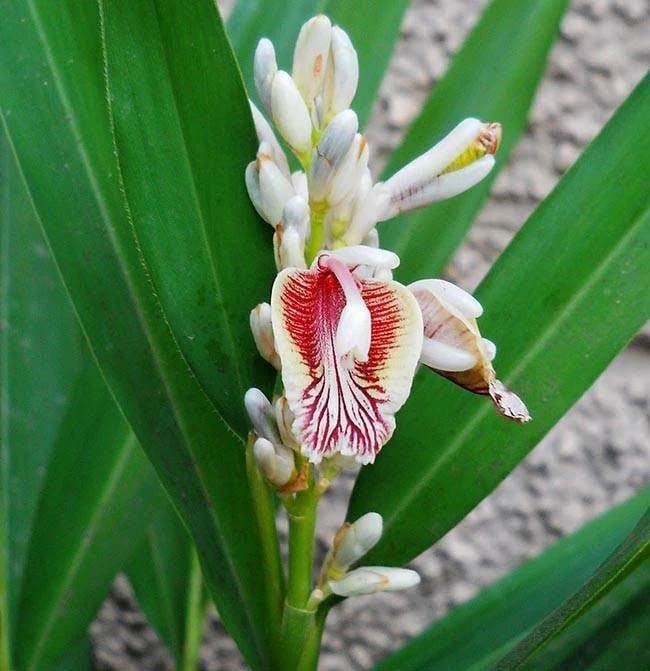
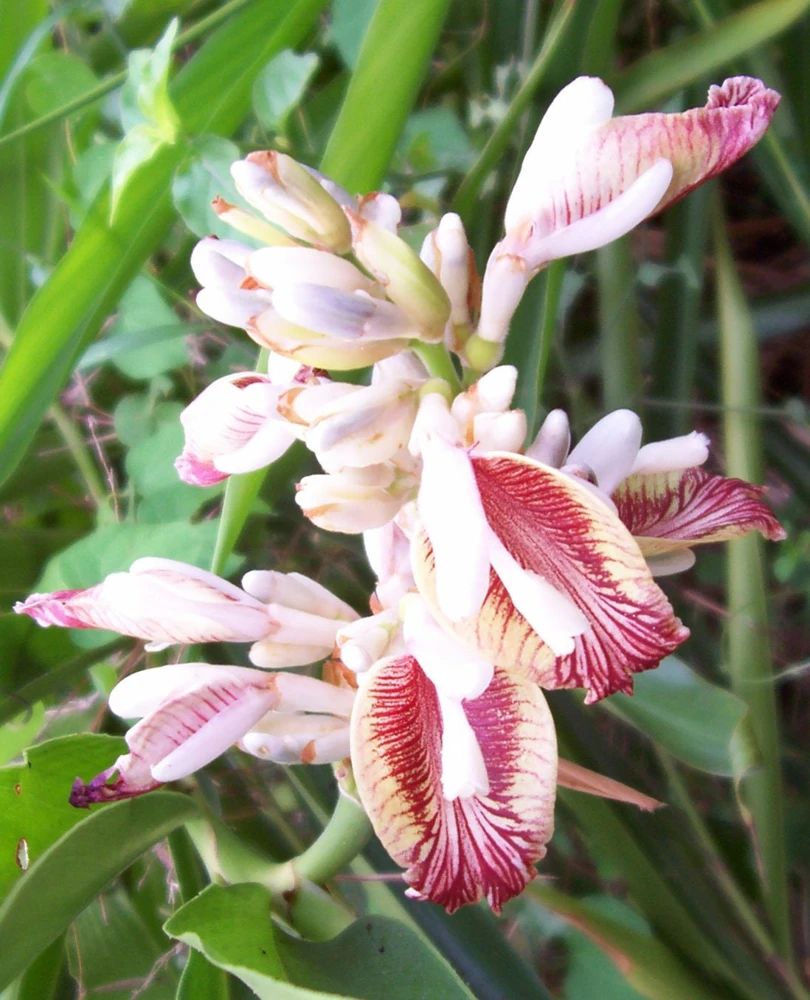
Embark on a flavorful journey by growing your own greater galangal seeds. Also known as Alpinia galanga seeds, Siamese Ginger, False Galangal, blue ginger, Thai ginger, and Spice Ginger, this remarkable plant is a cornerstone of Southeast Asian cuisine. These high-quality seeds allow you to cultivate a plant that not only provides an aromatic and pungent rhizome for cooking but also adds an exotic touch to your garden. Ideal for enthusiasts of authentic Asian flavors, growing greater galangal seeds from scratch is a rewarding experience that connects you directly to the source of your ingredients. The plant itself is robust and can reach impressive heights, making it a beautiful addition to suitable climates.
This offering is specifically for 20 viable seeds, providing a fantastic opportunity to start your own patch of this prized culinary herb. The roots, or rhizomes, are widely celebrated for their unique flavor profile, distinct from common ginger. By planting these Alpinia galanga seeds, you’re not just growing a plant; you’re cultivating a piece of culinary history and ensuring a fresh supply of this essential spice right in your backyard or greenhouse. Learn how to grow galangal from seed and enjoy the freshest possible ingredients for your dishes.
Key Benefits
Growing your own galangal from seed offers numerous advantages, from fresh culinary ingredients to an attractive garden specimen. These siamese ginger seeds provide a pathway to a rewarding gardening experience and a continuous supply of this exotic spice.
- Authentic Culinary Ingredient: Cultivate fresh galangal, a crucial component in traditional Thai and Indonesian dishes, offering a unique peppery, citrusy, and pine-like flavor that cannot be replicated by ginger. Having fresh rhizomes on hand will elevate your cooking to new heights.
- Homegrown Freshness: Enjoy the unparalleled freshness and potency of galangal harvested directly from your garden. Unlike dried or pre-packaged forms, homegrown galangal retains its full aromatic and medicinal qualities. Perfect for those who want to grow galangal from seed for culinary use.
- Exotic Garden Addition: The Alpinia galanga plant itself is an attractive tropical perennial, growing up to 6 feet tall with lush green foliage and red fruits. It adds a beautiful, exotic touch to any garden or large container, especially in warmer climates.
- Medicinal Properties: Beyond its culinary uses, galangal has a long history in traditional medicine, known for its anti-inflammatory and antioxidant properties. Growing your own allows you access to these potential health benefits.
- Sustainable Sourcing: By growing your own thai ginger seeds, you contribute to sustainable practices and reduce your reliance on commercially sourced ingredients, often imported from afar.
- Educational Experience: An excellent project for gardeners of all levels, teaching about tropical plant cultivation and the origins of global spices. Understanding how to grow Alpinia galanga seeds provides valuable botanical knowledge.
- Cost-Effective: Over time, growing your own galangal from seeds can be more economical than repeatedly purchasing fresh rhizomes from specialty markets, especially if you use it frequently.
Plant Care & Growing Tips
Successfully growing greater galangal seeds requires attention to specific environmental conditions, mimicking its tropical origins. While patience is key, the reward of fresh galangal is well worth the effort. Start your Alpinia galanga seeds indoors in a warm environment to give them the best chance.
Sunlight Requirements: Galangal thrives in partial shade to full sun, preferring locations that receive at least 4-6 hours of direct sunlight daily, especially in cooler zones. In very hot climates, afternoon shade is beneficial to prevent leaf scorch. If growing indoors, provide bright, indirect light or supplement with a grow light. Consistent warmth and humidity are crucial for these siamese ginger seeds to germinate and establish.
Watering & Soil: Keep the soil consistently moist but never waterlogged. Good drainage is essential to prevent rhizome rot. Water regularly, especially during dry spells. Allow the top inch of soil to dry slightly before rewatering. For soil, a rich, well-draining potting mix is ideal. Amend garden soil with compost or other organic matter to improve fertility and drainage. The plant prefers slightly acidic to neutral soil (pH 6.0-7.0). Understanding how to grow galangal from seed effectively hinges on proper watering and soil composition.
Temperature & Hardiness: Galangal is a tropical plant and prefers warm temperatures, ideally between 65°F and 85°F (18°C-29°C). It is sensitive to frost. These thai ginger seeds are suitable for USDA Hardiness Zones 8 to 10. In colder zones, it can be grown in containers and brought indoors during winter, or treated as an annual. Provide protection from cold snaps even in zone 8. Fertilize every 4-6 weeks during the growing season with a balanced liquid fertilizer. Watch for common pests like spider mites or mealybugs, and address them promptly with organic insecticidal soap if needed.
Size & Details
These greater galangal seeds will grow into robust plants under optimal conditions. The Alpinia galanga plant typically reaches a height of about 6 feet, developing lush green leaves and eventually producing small red fruits. The valuable part of the plant, the rhizome (or root), spreads underground. The rhizomes are ready for harvest once the plant is mature, usually within 10-12 months of planting, though some harvesting can occur earlier for smaller pieces. This packet contains 20 individual Alpinia galanga seeds, providing ample opportunity to establish several plants.
When you grow galangal from seed, expect a moderate growth rate. The rhizomes can be harvested as needed once established, ensuring a continuous supply. The plant’s red fruit adds an ornamental appeal, though the primary use is the rhizome. These seeds are a cost-effective way to cultivate this culinary essential for your kitchen and garden.
Frequently Asked Questions
- Q: How big does the galangal plant get? A: The Alpinia galanga plant typically grows to about 6 feet (1.8 meters) tall, creating a substantial and attractive presence in your garden or a large container. Its height makes it a good background plant in a tropical-themed garden.
- Q: Is this an indoor or outdoor plant? A: Galangal can be grown both indoors and outdoors. It thrives outdoors in USDA Hardiness Zones 8-10. In colder climates, it is best grown in containers and brought indoors during the winter months, or cultivated as an annual.
- Q: How much sunlight does it need? A: For optimal growth, galangal prefers partial shade to full sun. It needs at least 4-6 hours of direct sunlight per day, but in very hot climates, it benefits from some afternoon shade to protect its foliage.
- Q: Is this plant easy to care for? A: Growing greater galangal seeds requires some patience and consistent care, particularly with watering and temperature. It is considered a moderately easy plant to care for once established, especially for those familiar with growing tropical herbs or ginger.
- Q: What condition will the seeds arrive in? A: You will receive 20 high-quality, viable Alpinia galanga seeds, carefully packaged to ensure their integrity during transit. They are ready for planting upon arrival.
- Q: Can I use galangal in cooking? A: Absolutely! Galangal is a major food ingredient in Thai and Indonesian cooking, known for its distinctive aromatic and pungent flavor. The rhizomes are the primary culinary part used in curries, soups, and stir-fries.
- Q: When is the best time to plant these seeds? A: The best time to plant siamese ginger seeds is in late winter or early spring, allowing them to germinate and establish during the warmer months. Starting them indoors will give them a head start before transplanting.
- Q: Will it survive winter in my zone? A: Galangal is hardy in USDA Zones 8-10. In Zone 8, it may require winter protection like mulching. In zones colder than 8, it will not survive winter outdoors and should be brought inside or treated as an annual.
- Q: How long until I can harvest the rhizomes? A: You can typically begin to harvest small pieces of galangal rhizome from your plants after about 8-10 months, with a more substantial harvest possible after 12-18 months of growth from your thai ginger seeds.
- Q: What kind of soil is best for galangal? A: Galangal prefers rich, well-draining soil with plenty of organic matter. A slightly acidic to neutral pH (6.0-7.0) is ideal. Amending heavy soils with compost or sand can improve drainage.
Be the first to review “Greater Galangal Seeds – Alpinia galanga, Siamese Ginger, 20 Seeds, USDA Zones 8-10”
Related products


Herb Seeds
Munstead Lavender Seeds – 200 English Lavandula Angustifolia Fragrant Purple Flower Herb Seeds


You May Like

How to Grow Passion Flower (Passiflora) for Tropical Blooms
Few climbing vines in the home garden command attention quite like the exotic Passion Flower (Passiflora). [...]
Nov

Thanksgiving Cactus Care: How to Get Thanksgiving Cactus to Bloom
Is your Thanksgiving cactus growing well but not giving you any flowers? Maybe it looked [...]
Nov

How to Grow Garlic for a Bountiful Home Harvest
Garlic (Allium sativum) is one of the most satisfying, low-maintenance, and flavor-packed crops you can [...]
Oct

Hardneck vs. Softneck Garlic: Which Should You Grow?
Have you ever stood in front of a seed catalog in mid-September, staring at dozens [...]
1 Comment
Oct

When to Plant Music Garlic: Ultimate US Fall Guide
Have you ever spent your fall weekend placing carefully chosen garlic cloves into rich, dark [...]
1 Comment
Oct

5 Best Bulbs for Fall Planting: Brighten Your Garden This Spring
Are you dreaming of a garden full of vibrant colors in the spring? The key [...]
Aug

10 Houseplants That Will Thrive in Your Kitchen
Are you tired of your kitchen feeling dull and lifeless? Want to add a little [...]
1 Comment
Aug
Reviews
There are no reviews yet.