
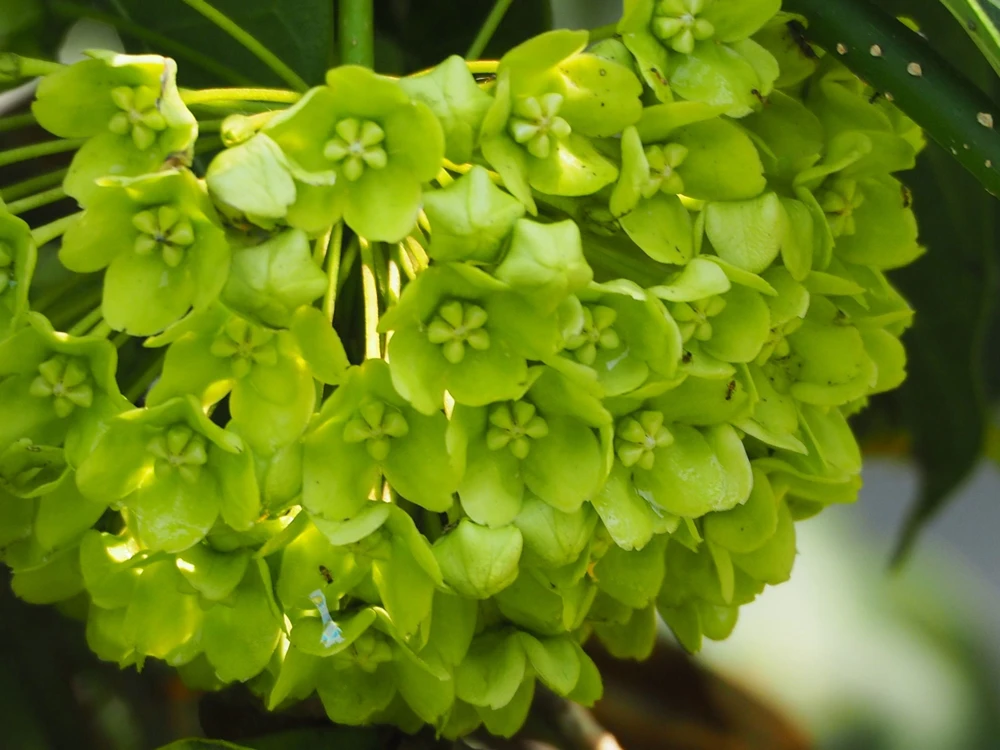
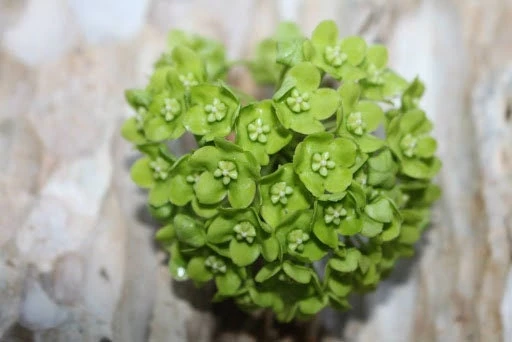
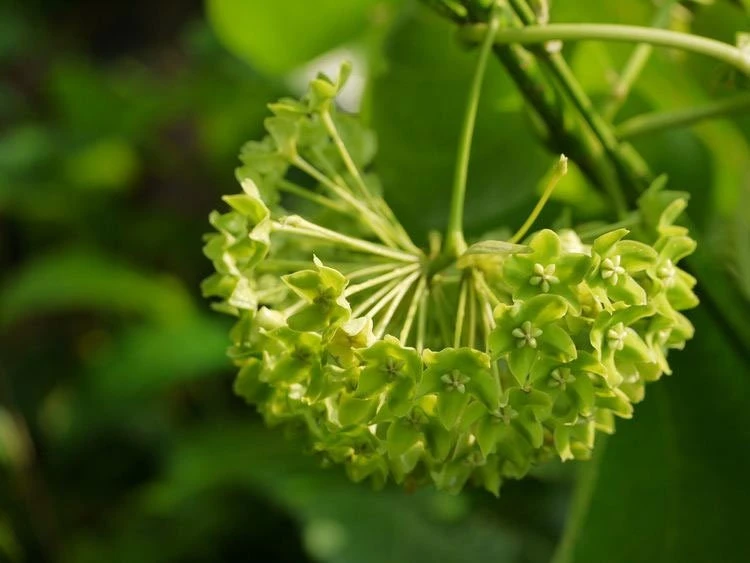
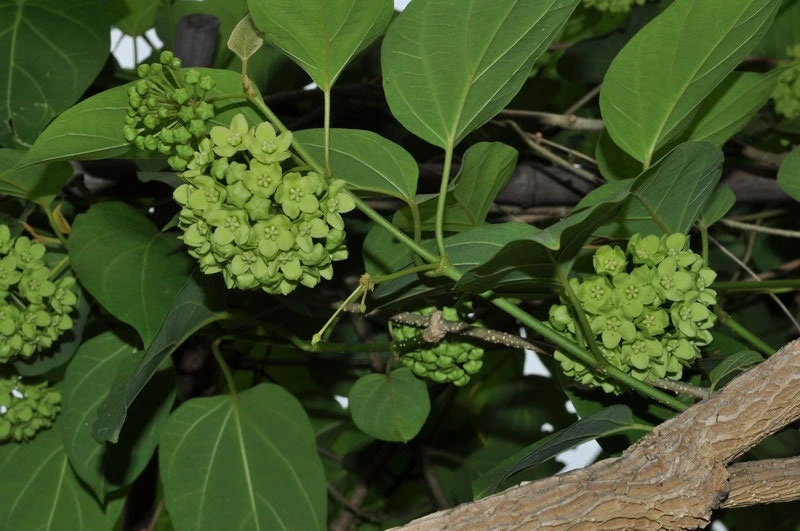
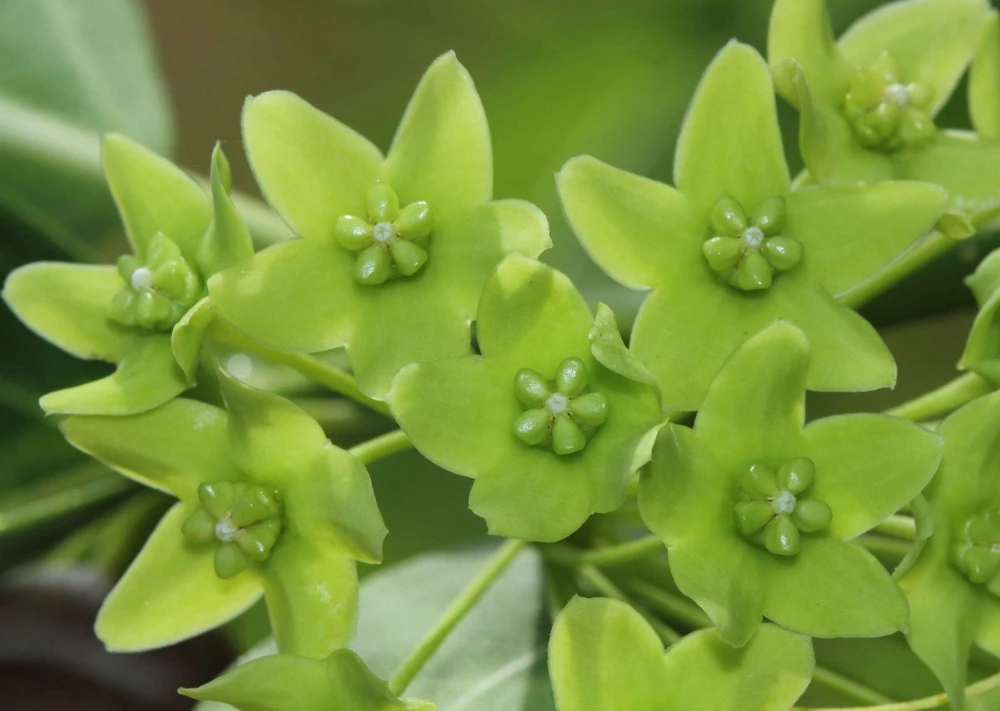
Green Milkweed Seeds – Dregea volubilis, Hemajivanti, Wattakaka volubilis – 20 Seeds
Original price was: 48.91 $.19.91 $Current price is: 19.91 $.
Cultivate the versatile Green Milkweed (Dregea volubilis) with this pack of 20 high-quality seeds. Known as Hemajivanti, this unique plant features edible leaves and shoots, alongside clusters of fascinating green flowers. Ideal for tropical gardens in USDA Zones 10-12, it’s a valuable addition for both its culinary uses and ornamental appeal.
Estimated arrival
Nov 27
Dec 02 - Dec 04
Dec 04 - Dec 09
See our Shipping Policy.
Get in touch with us via email, and our team will review your concerns.
Our Alive & Thrive Guarantee covers issues with your plants within the first 30 days. Read our Refund & Returns Policy.
-
USDA Hardiness Zone
USDA Hardiness Zones 10 to 12 -
Soil Type
Well-draining, rich in organic matter -
Sunlight Exposure
Full sun to partial shade -
Expected Planting Period
Spring to early summer
Overview
Embark on a rewarding gardening journey with our premium green milkweed seeds. This offering includes 20 viable seeds of Dregea volubilis, a fascinating and multi-faceted plant known by several common names, including Hemajivanti, Wattakaka volubilis, cotton milk plant, green milkweed climber, green wax flower, sneezing silk cotton, and sneeze wort. This climbing vine is not only a botanical curiosity with its bunches of subtle green flowers but also a plant of significant utility. Historically and culturally valued, Dregea volubilis can serve both as a source of food and fiber, making it a unique addition to any garden focused on sustainability or edible landscaping. Cultivating green milkweed seeds allows you to grow a plant that offers both aesthetic appeal and practical benefits, distinguishing it from many other ornamental species. Its adaptability and diverse uses make it a truly special plant for enthusiasts and practical gardeners alike.
The plant’s distinctive green flowers add an understated elegance to arbors, trellises, or fences, blending seamlessly into a natural garden setting. Beyond its visual charm, the edible properties of Dregea volubilis are particularly noteworthy. The leaves are a somewhat common vegetable in certain regions, and young shoots and leaves can be enjoyed either raw or cooked. Even the rind can be prepared as a vegetable, and the flowers themselves are also edible when cooked. This makes growing Hemajivanti seeds an excellent choice for those looking to expand their culinary garden with unusual and nutritious options. Its dual purpose as an ornamental and edible plant truly sets it apart.
Key Benefits
Growing green milkweed seeds offers a multitude of advantages, from its unique aesthetic to its practical applications. This versatile plant is a fantastic choice for gardeners seeking something beyond the ordinary.
- Unique Edible Qualities: The young shoots, leaves, rind, and even flowers of the green milkweed plant are edible and can be prepared in various culinary dishes. This provides a fresh, sustainable source of vegetables directly from your garden.
- Ornamental Appeal:Dregea volubilis produces distinctive bunches of green flowers that add a subtle, natural beauty to trellises, fences, or other support structures. Its climbing habit makes it an excellent choice for vertical gardening.
- Versatile Use: Beyond its edible parts, this plant is also known for producing fiber, highlighting its traditional uses and potential for sustainable practices in a home garden setting.
- Rare and Interesting Species: Cultivating Wattakaka volubilis seeds introduces a less common but highly interesting plant to your collection, sparking conversation and botanical intrigue among visitors.
- Supports Biodiversity: As a milkweed species, it may contribute to local ecosystems, although its specific role in supporting pollinators like monarch butterflies needs further research.
- Adaptable Growth: Thriving in warmer climates (USDA Hardiness Zones 10 to 12), the plant demonstrates robust growth once established, making it a reliable choice for suitable environments.
- Educational Value: Growing edible plant seeds like these provides a hands-on learning experience about traditional food sources and the diversity of plant uses.
Plant Care & Growing Tips
Successfully cultivating green milkweed from seeds requires attention to specific environmental conditions to ensure healthy germination and robust growth. Starting with quality green milkweed seeds is the first step, followed by providing the right light, water, and soil. These plants thrive in warmer climates, making USDA Hardiness Zones 10 to 12 ideal. If you are outside these zones, consider growing them in containers that can be moved indoors during colder months, or treat them as annuals.
For optimal growth, Dregea volubilis prefers a location with full sun to partial shade. In very hot climates, some afternoon shade can prevent leaf scorch. The soil should be well-draining, rich in organic matter. A sandy loam mix is often ideal, allowing roots to establish without becoming waterlogged. Consistent moisture is crucial, especially during germination and the plant’s active growing season. However, avoid overwatering, which can lead to root rot. Allow the top inch or two of soil to dry out slightly between waterings. Fertilize sparingly with a balanced liquid fertilizer during the growing season to encourage lush foliage and flowering. Providing a sturdy trellis or support structure early on will assist its natural climbing habit.
Common problems to watch out for include typical garden pests like aphids, which can be managed with organic insecticidal soaps or neem oil. Ensure good air circulation to prevent fungal issues. While these Hemajivanti seeds are relatively straightforward to grow in the right conditions, patience is key, as germination can sometimes be erratic. With proper care, your Dregea volubilis will establish into a beautiful and productive vine, providing both ornamental beauty and edible bounty. Understanding the specific needs of Wattakaka volubilis seeds will lead to a thriving plant.
Size & Details
This offering includes 20 green milkweed seeds, providing ample opportunity to establish several plants. As a climbing vine, Dregea volubilis can reach considerable lengths, typically growing several feet per season when provided with adequate support and optimal conditions. The exact mature size will depend on growing conditions, climate, and available support, but it can easily cover a large trellis or arbor. The seeds are suitable for planting in USDA Hardiness Zones 10 to 12, indicating its preference for warm, frost-free environments. Outside these zones, it can be grown as an annual or overwintered indoors.
The seeds are shipped in a protective packet, ensuring their viability upon arrival. Expect germination to occur within a few weeks under ideal conditions, though it can sometimes be longer. Once established, the plant will develop its characteristic bunches of green flowers, typically appearing in the warmer months. The edible leaves and shoots can be harvested as the plant matures. Growing these edible plant seeds allows you to witness the full life cycle of this remarkable species, from tiny seed to a flourishing vine offering both beauty and sustenance.
Frequently Asked Questions
- Q: How big does this green milkweed plant get? A: Dregea volubilis is a climbing vine that can grow several feet long in a single season when given proper support and ideal conditions. Its mature size will depend on the growing environment and whether it’s grown as an annual or perennial.
- Q: Is this an indoor or outdoor plant? A: This plant is primarily an outdoor plant, thriving in USDA Hardiness Zones 10 to 12. In colder climates, it can be grown in containers and brought indoors during winter, or treated as an annual.
- Q: How much sunlight does it need? A: Green milkweed prefers full sun to partial shade. In regions with intense summer heat, some afternoon shade can be beneficial to protect the foliage.
- Q: Is this plant easy to care for? A: Once established in the correct climate, Dregea volubilis is relatively easy to care for, requiring consistent watering, well-draining soil, and a support structure for its climbing habit.
- Q: What condition will the green milkweed seeds arrive in? A: The green milkweed seeds will arrive securely packaged in a protective packet, ensuring their quality and viability for planting.
- Q: Can I use the leaves and shoots for cooking? A: Yes, the young shoots, leaves, rind, and even flowers of Dregea volubilis are edible and can be cooked or eaten raw in various dishes. This makes growing Hemajivanti seeds very rewarding.
- Q: What’s the minimum temperature this plant can tolerate? A: As a plant for USDA Zones 10-12, it is not tolerant of frost. The minimum temperature it can withstand is typically around 30-35°F (about -1 to 2°C) for very short periods, but it thrives in warmer, frost-free conditions.
- Q: How long does it take for the seeds to germinate? A: Germination time for Wattakaka volubilis seeds can vary, but typically occurs within a few weeks under optimal conditions of warmth and moisture. Patience is sometimes required.
- Q: What type of soil is best for these edible plant seeds? A: A well-draining soil rich in organic matter is ideal. A sandy loam mix works well to prevent waterlogging and promote healthy root development.
- Q: Do I need to provide a trellis for this plant? A: Yes, as a climbing vine, Dregea volubilis will greatly benefit from a sturdy trellis, arbor, or other support structure to climb upon as it grows.
Be the first to review “Green Milkweed Seeds – Dregea volubilis, Hemajivanti, Wattakaka volubilis – 20 Seeds”
Related products




You May Like

How to Grow Passion Flower (Passiflora) for Tropical Blooms
Few climbing vines in the home garden command attention quite like the exotic Passion Flower (Passiflora). [...]
Nov

Thanksgiving Cactus Care: How to Get Thanksgiving Cactus to Bloom
Is your Thanksgiving cactus growing well but not giving you any flowers? Maybe it looked [...]
Nov

How to Grow Garlic for a Bountiful Home Harvest
Garlic (Allium sativum) is one of the most satisfying, low-maintenance, and flavor-packed crops you can [...]
Oct

Hardneck vs. Softneck Garlic: Which Should You Grow?
Have you ever stood in front of a seed catalog in mid-September, staring at dozens [...]
1 Comment
Oct

When to Plant Music Garlic: Ultimate US Fall Guide
Have you ever spent your fall weekend placing carefully chosen garlic cloves into rich, dark [...]
1 Comment
Oct

5 Best Bulbs for Fall Planting: Brighten Your Garden This Spring
Are you dreaming of a garden full of vibrant colors in the spring? The key [...]
Aug

10 Houseplants That Will Thrive in Your Kitchen
Are you tired of your kitchen feeling dull and lifeless? Want to add a little [...]
1 Comment
Aug
Reviews
There are no reviews yet.