
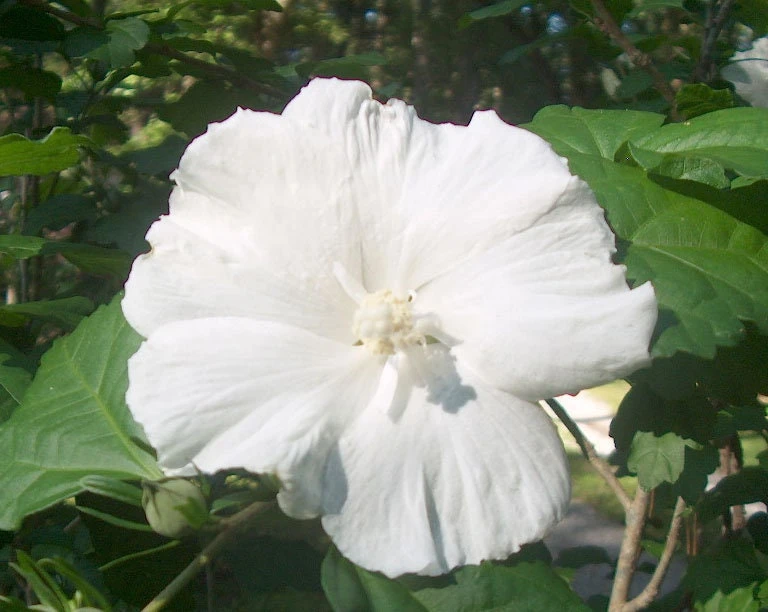
Hibiscus syriacus Diana Seeds – Shrub Althea – 10 Seeds – White Blooms
Original price was: 48.91 $.19.91 $Current price is: 19.91 $.
Cultivate your garden with hibiscus syriacus diana seeds. This shrub althea seeds variety produces stunning white blossoms from summer to fall and can reach up to 10 feet tall. Enjoy its beauty and discover its edible flowers and leaves.
Estimated arrival
Nov 29
Dec 04 - Dec 06
Dec 06 - Dec 11
See our Shipping Policy.
Get in touch with us via email, and our team will review your concerns.
Our Alive & Thrive Guarantee covers issues with your plants within the first 30 days. Read our Refund & Returns Policy.
-
USDA Hardiness Zone
5 to 8 -
Soil Type
Well-draining soil, adaptable to various types -
Sunlight Exposure
Full sun to partial shade -
Expected Planting Period
Spring to early summer
Overview
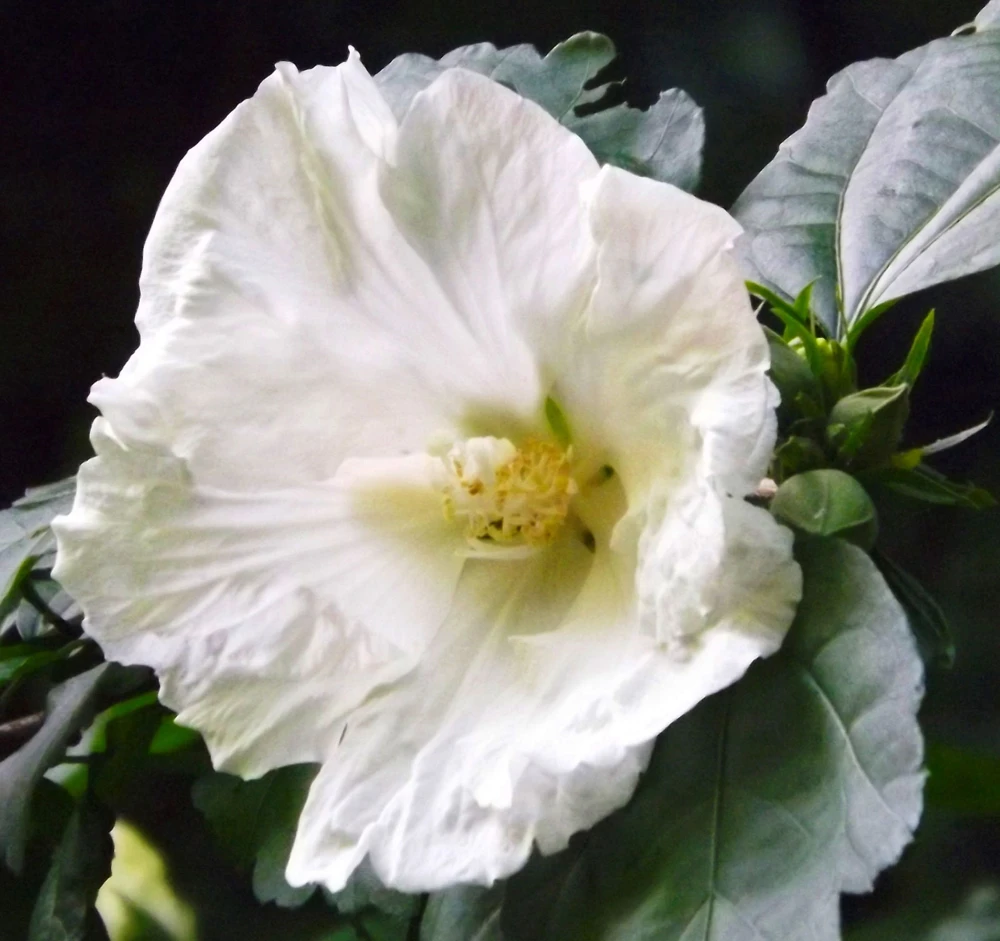
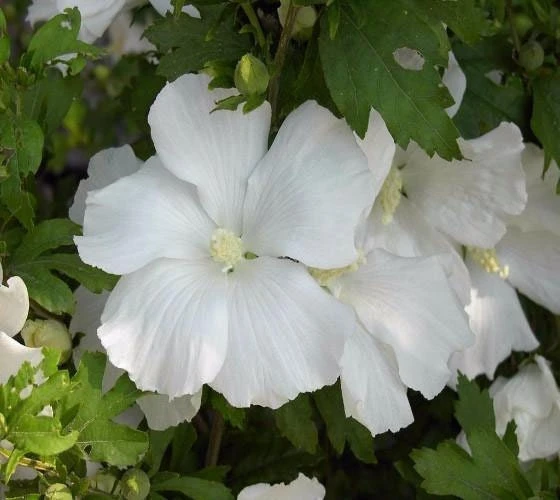
Embark on a rewarding gardening journey with our premium hibiscus syriacus diana seeds. This offering provides you with 10 seeds of the beautiful Shrub Althea ‘Diana’ (Hibiscus syriacus ‘Diana’), a deciduous shrub renowned for its elegant white blossoms. Perfect for gardeners looking to add a touch of classic beauty to their landscape, this plant is not only visually appealing but also a vibrant part of the ecosystem. The Diana variety is celebrated for its large, pure white, single flowers that stand out against its green foliage, blooming profusely from mid-summer through early fall. Growing hibiscus syriacus diana seeds allows you to witness the full life cycle of this magnificent plant, from tiny seed to a towering shrub. It’s an excellent choice for borders, hedges, or as a striking specimen plant, providing continuous interest throughout the warmer months. These shrub althea seeds are carefully selected to ensure high viability and robust growth, promising a successful cultivation experience for both novice and experienced gardeners.
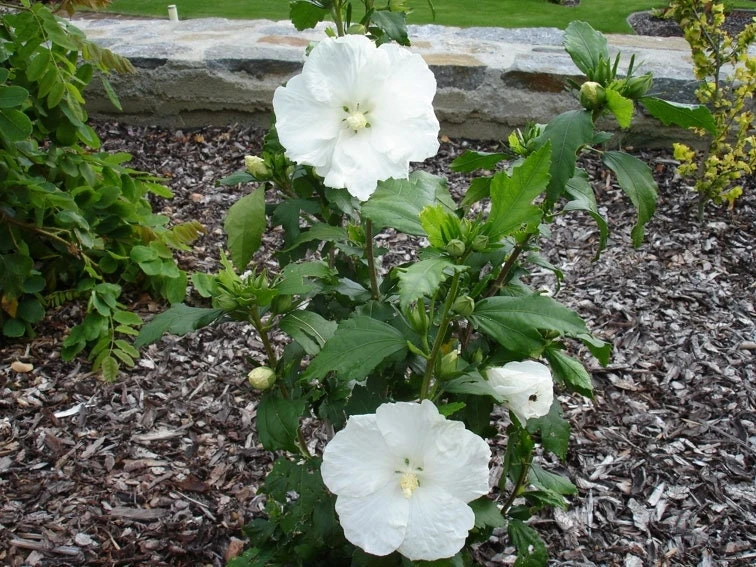
The hibiscus syriacus diana seeds promise a plant that can grow up to 10 feet high, thriving in sun to partial shade. Its captivating white blossoms are a magnet for pollinators, making your garden a lively haven. Beyond its ornamental value, the Hibiscus syriacus ‘Diana’ offers an intriguing culinary aspect. Its flowers, leaves, and roots are edible, often used in salads or as vegetables. The leaves can also be dried to make a unique herbal tea. This versatility makes growing hibiscus from seed an even more appealing endeavor, providing both beauty and utility. The plant’s hardiness and adaptability make it a popular choice across various climates, ensuring that with proper care, you can enjoy its splendor year after year. Discover the joy of nurturing this remarkable plant from seed.
Key Benefits
Cultivating hibiscus syriacus diana seeds offers a multitude of advantages for your garden and lifestyle. This resilient shrub provides continuous beauty and ecological benefits. Here are some of the key benefits you can expect from these shrub althea seeds:
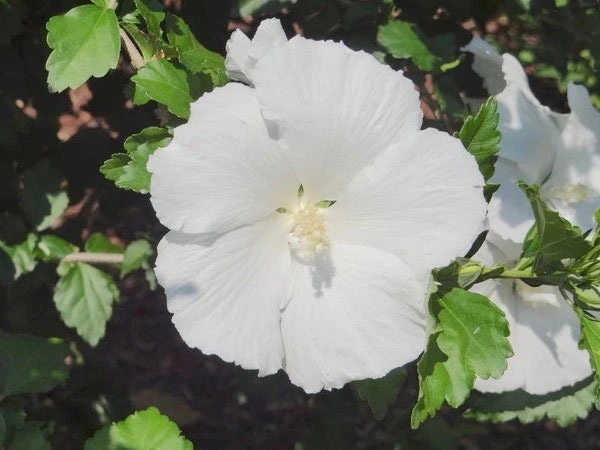
- Stunning White Blooms: Enjoy an abundance of large, pristine white flowers that bloom from mid-summer to early fall, adding elegance and a classic touch to any garden space. The pure white petals create a striking contrast against green foliage.
- Attracts Pollinators: The vibrant flowers of Hibiscus syriacus Diana serve as an excellent nectar source for a variety of butterflies, including Cloudless Sulphur, Large Orange Sulphur, and various hairstreaks and skippers, enriching your garden’s biodiversity. It also supports moth species as larval hosts.
- Edible Plant Parts: The flowers, leaves, and roots of the edible hibiscus plant are all edible. They can be incorporated into salads, used as vegetables, or dried for tea, offering a unique culinary experience directly from your garden.
- Adaptable & Hardy: This shrub thrives in a wide range of conditions, tolerating sun to partial shade and suitable for USDA Hardiness Zones 5 to 8, making it a versatile choice for many landscapes. Its robustness ensures long-term enjoyment.
- Low Maintenance: Once established, the Hibiscus syriacus ‘Diana’ is relatively easy to care for, requiring minimal intervention to maintain its health and prolific blooming. This makes hibiscus diana care straightforward for most gardeners.
- Versatile Landscaping: Ideal for use as a specimen plant, in mixed borders, as an informal hedge, or even in large containers, providing flexibility in garden design. Its upright growth habit adds structure to the landscape.
- Long Blooming Season: With flowers appearing from the middle of summer until early fall, this plant provides extended seasonal interest when many other plants have finished blooming, ensuring your garden remains colorful.
Plant Care & Growing Tips
Successful cultivation of hibiscus syriacus diana seeds begins with understanding its specific needs. To ensure your shrub althea seeds germinate and grow into healthy, flourishing plants, consistent care is key. Start by scarifying the seeds gently to improve germination rates, then sow them in a well-draining seed starting mix. Maintain consistent moisture without waterlogging the soil. Once seedlings emerge, provide ample light to encourage strong growth, gradually acclimating them to outdoor conditions before transplanting. These plants are known for their resilience, but optimal conditions will lead to the most vigorous growth and abundant blooms.
For established plants, hibiscus diana care is relatively simple. This shrub prefers full sun to partial shade, meaning at least 6 hours of direct sunlight per day for the best flowering. While it tolerates a range of soil types, well-draining soil is crucial to prevent root rot. Amend heavy clay soils with organic matter to improve drainage. Water regularly, especially during dry spells and when the plant is young, but allow the top inch or two of soil to dry out between waterings. Once mature, it becomes more drought-tolerant. Fertilize in spring with a balanced, slow-release fertilizer to support vigorous growth and blooming. Pruning can be done in late winter or early spring to shape the plant, remove dead or damaged branches, and encourage more prolific flowering. These plants are generally pest-resistant, but keep an eye out for common garden pests like aphids and treat as needed. The edible hibiscus plant is hardy in USDA Zones 5 to 8, making it suitable for a wide range of climates.
Size & Details
When fully mature, the Hibiscus syriacus ‘Diana’ shrub typically reaches a height of 8 to 10 feet with a spread of 4 to 6 feet, forming an upright, vase-shaped silhouette. This makes it an excellent choice for a prominent garden feature or as part of a hedge. The hibiscus syriacus diana seeds you receive are intended to grow into these impressive dimensions. The plant exhibits a moderate to fast growth rate, meaning you won’t have to wait long to enjoy its full size and bloom potential. It’s shipped as a packet of 10 seeds, ready for you to begin the propagation process. Expect the first blooms to appear a few years after planting from seed, with increasing abundance as the plant matures. The pure white, single flowers are substantial, providing a clean and elegant look throughout its long blooming season. These shrub althea seeds offer the opportunity to cultivate a robust and beautiful garden addition.
Frequently Asked Questions
- Q: How big does this plant get from hibiscus syriacus diana seeds? A: When mature, the Hibiscus syriacus ‘Diana’ typically grows to a height of 8 to 10 feet with a spread of 4 to 6 feet. Its upright growth habit makes it a stately addition to any garden.
- Q: Is this an indoor or outdoor plant? How much sunlight does it need? A: This is primarily an outdoor plant, suitable for various landscaping purposes. It thrives in full sun to partial shade, ideally receiving at least 6 hours of direct sunlight daily for optimal flowering.
- Q: Is growing hibiscus from seed difficult for beginners? A: While starting from seed requires a bit more patience than planting a mature shrub, it is a rewarding process. With proper scarification, good quality seed-starting mix, and consistent moisture, beginners can successfully grow this plant.
- Q: What condition will the seeds arrive in? A: You will receive 10 seeds in a protective packet, ensuring their viability for planting. They are dormant and ready for stratification and planting according to your growing schedule.
- Q: Can I use parts of the edible hibiscus plant in cooking? A: Yes, the flowers, leaves, and even the roots of the Hibiscus syriacus ‘Diana’ are edible. The younger leaves and flowers are more tender and can be used in salads or cooked as vegetables. Dried leaves can be used for tea.
- Q: How long until it blooms after planting shrub althea seeds? A: Typically, plants grown from seed will begin to bloom within 2 to 3 years, with more prolific flowering occurring as the shrub matures. Patience will be rewarded with beautiful white blossoms.
- Q: What USDA Hardiness Zones are suitable for this plant? A: The Hibiscus syriacus ‘Diana’ is hardy in USDA Hardiness Zones 5 to 8, making it resilient to a range of winter temperatures in many regions. Ensure it’s planted in a suitable zone for best results.
Be the first to review “Hibiscus syriacus Diana Seeds – Shrub Althea – 10 Seeds – White Blooms”
Related products


Flower Seeds
Blue Stock Matthiola Incana Seeds – 50 Fragrant Gillyflower Seeds – Ten-Week Blue Stock
You May Like

How to Grow Passion Flower (Passiflora) for Tropical Blooms
Few climbing vines in the home garden command attention quite like the exotic Passion Flower (Passiflora). [...]
Nov

Thanksgiving Cactus Care: How to Get Thanksgiving Cactus to Bloom
Is your Thanksgiving cactus growing well but not giving you any flowers? Maybe it looked [...]
Nov

How to Grow Garlic for a Bountiful Home Harvest
Garlic (Allium sativum) is one of the most satisfying, low-maintenance, and flavor-packed crops you can [...]
Oct

Hardneck vs. Softneck Garlic: Which Should You Grow?
Have you ever stood in front of a seed catalog in mid-September, staring at dozens [...]
1 Comment
Oct

When to Plant Music Garlic: Ultimate US Fall Guide
Have you ever spent your fall weekend placing carefully chosen garlic cloves into rich, dark [...]
1 Comment
Oct

5 Best Bulbs for Fall Planting: Brighten Your Garden This Spring
Are you dreaming of a garden full of vibrant colors in the spring? The key [...]
Aug

10 Houseplants That Will Thrive in Your Kitchen
Are you tired of your kitchen feeling dull and lifeless? Want to add a little [...]
1 Comment
Aug
Reviews
There are no reviews yet.