
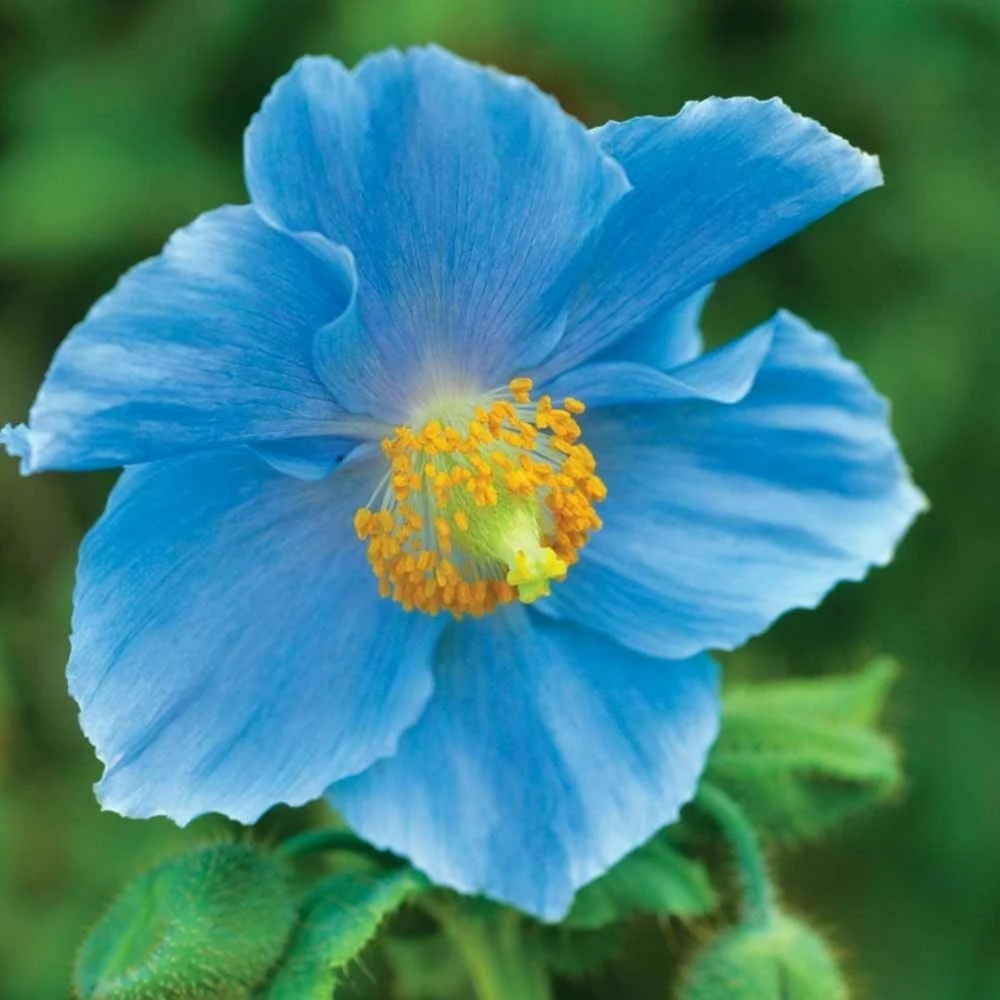

Himalayan Blue Poppy Seeds – Meconopsis Grandis Perennial Flower, 200 Seeds for Home Garden
Original price was: 36.66 $.16.66 $Current price is: 16.66 $.
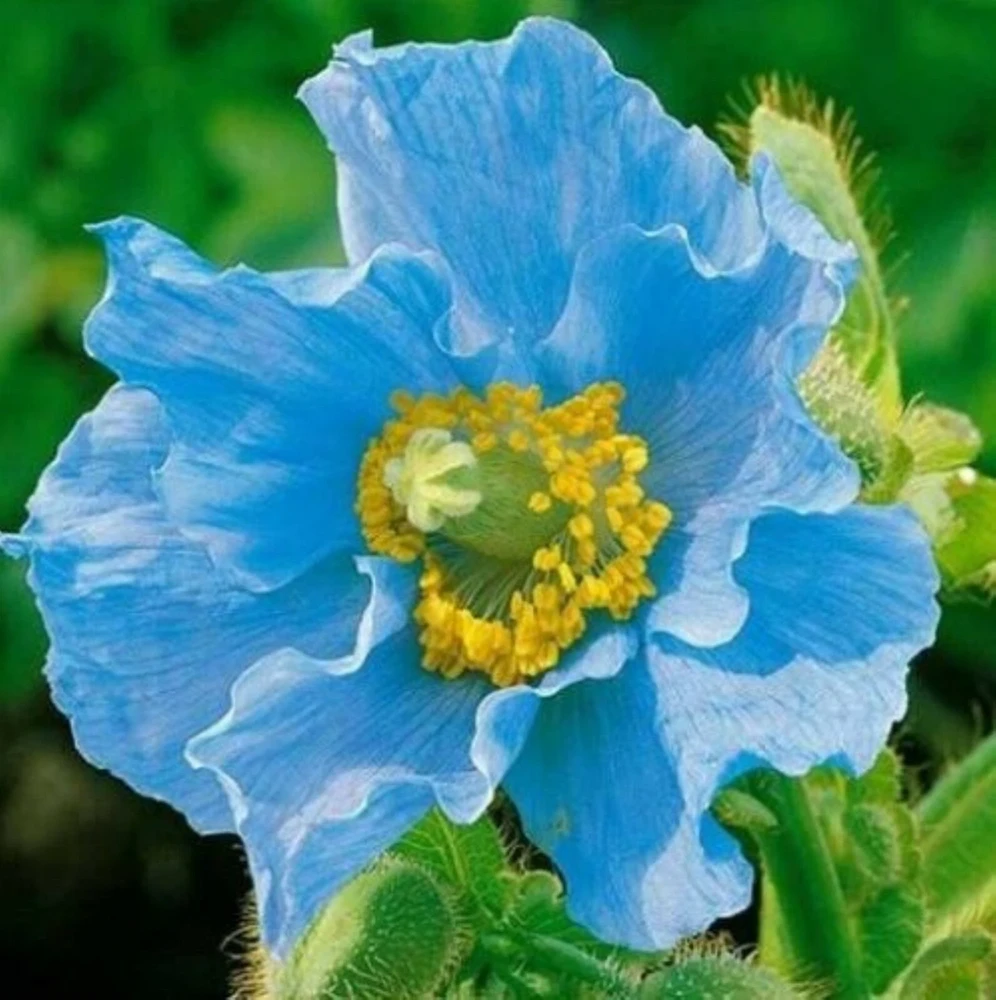
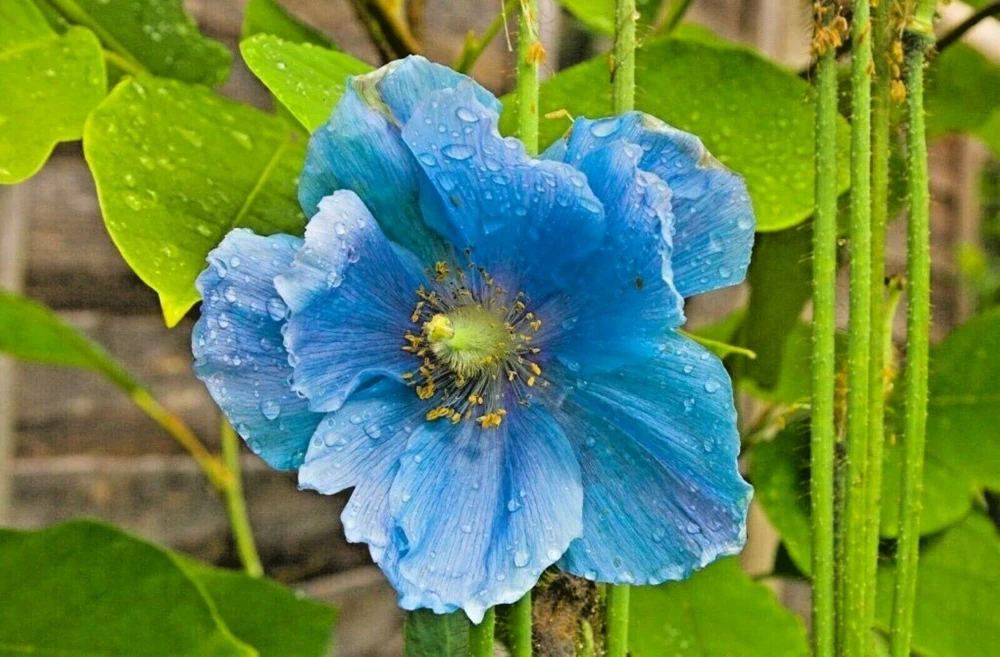
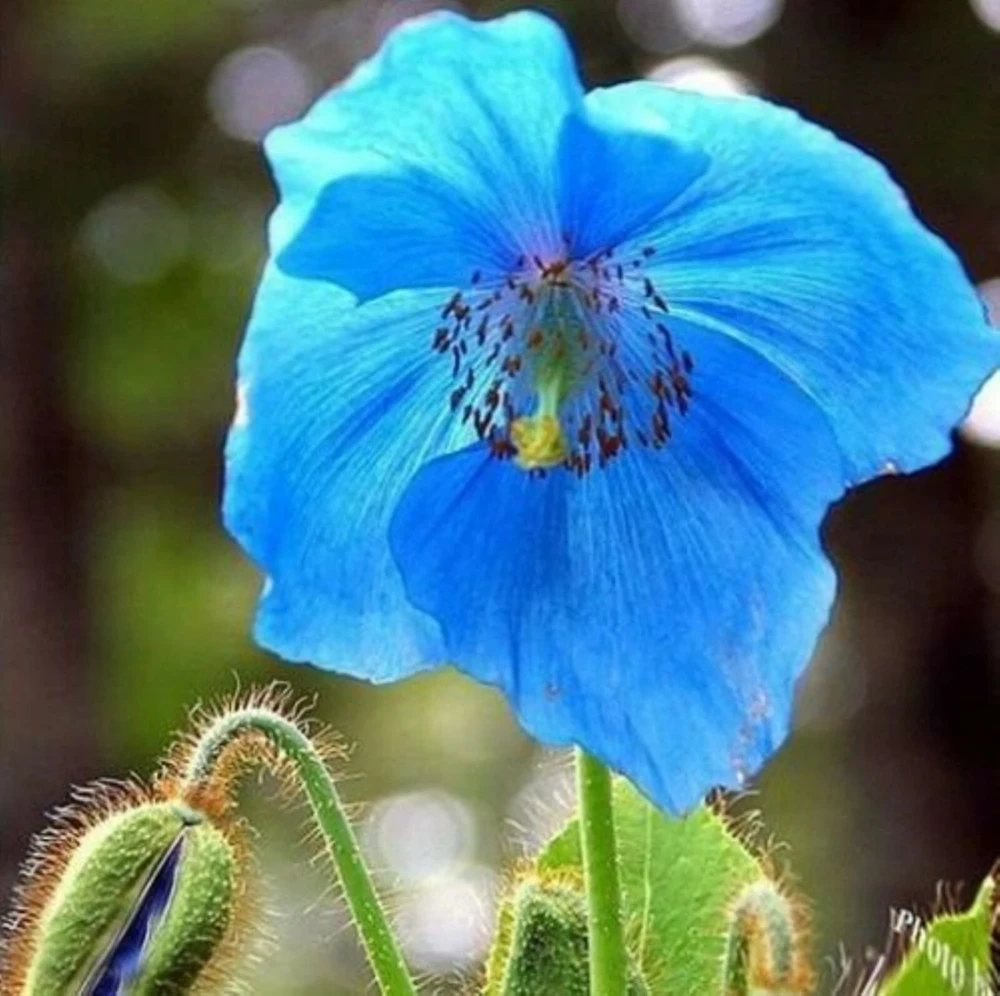
Cultivate the rare beauty of the Himalayan Blue Poppy with this packet of 200 high-quality seeds. Enjoy vibrant blue blooms in your garden year after year. These perennial poppy seeds are ideal for zones 3-7 and thrive in cool, moist conditions.
Estimated arrival
Nov 27
Dec 02 - Dec 04
Dec 04 - Dec 09
See our Shipping Policy.
Get in touch with us via email, and our team will review your concerns.
Our Alive & Thrive Guarantee covers issues with your plants within the first 30 days. Read our Refund & Returns Policy.
-
USDA Hardiness Zone
USDA Zones 3-7 -
Soil Type
Rich, well-draining, consistently moist, slightly acidic soil -
Sunlight Exposure
Partial to full shade -
Expected Planting Period
Late fall or early spring (after indoor sowing)
Overview
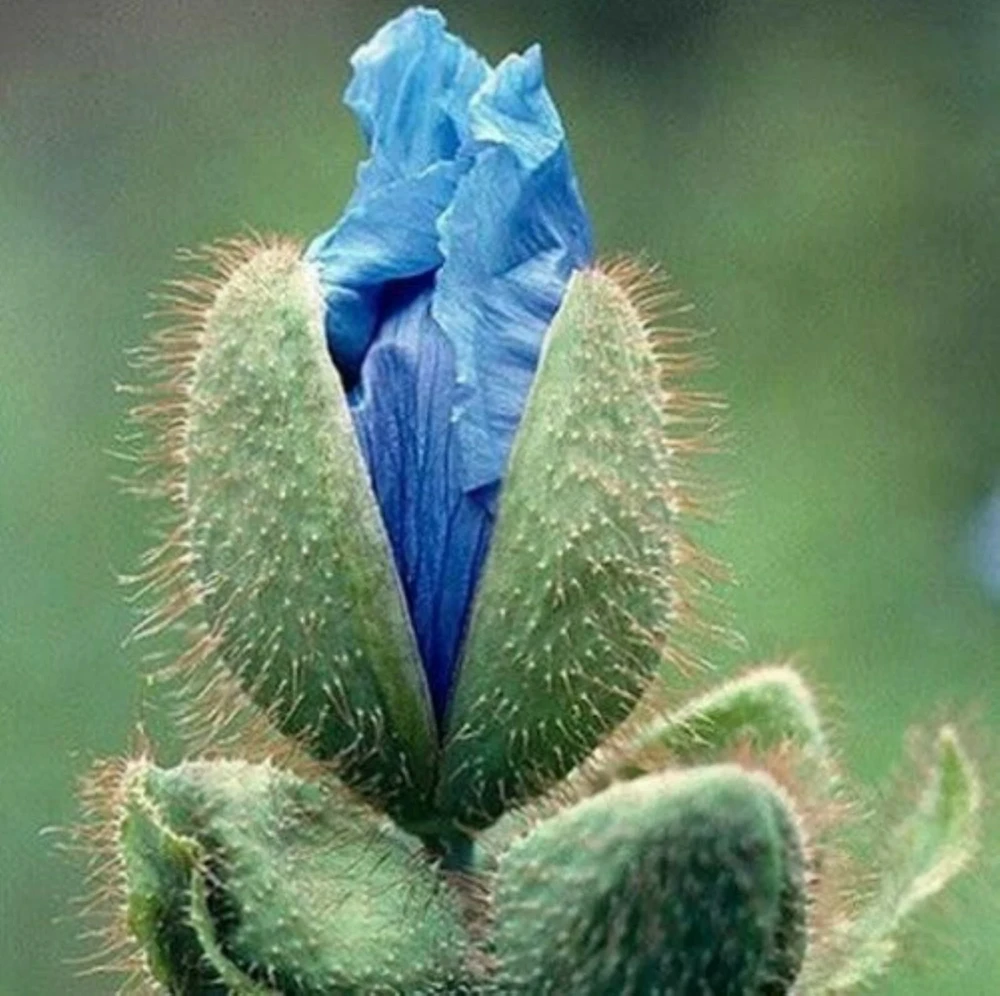
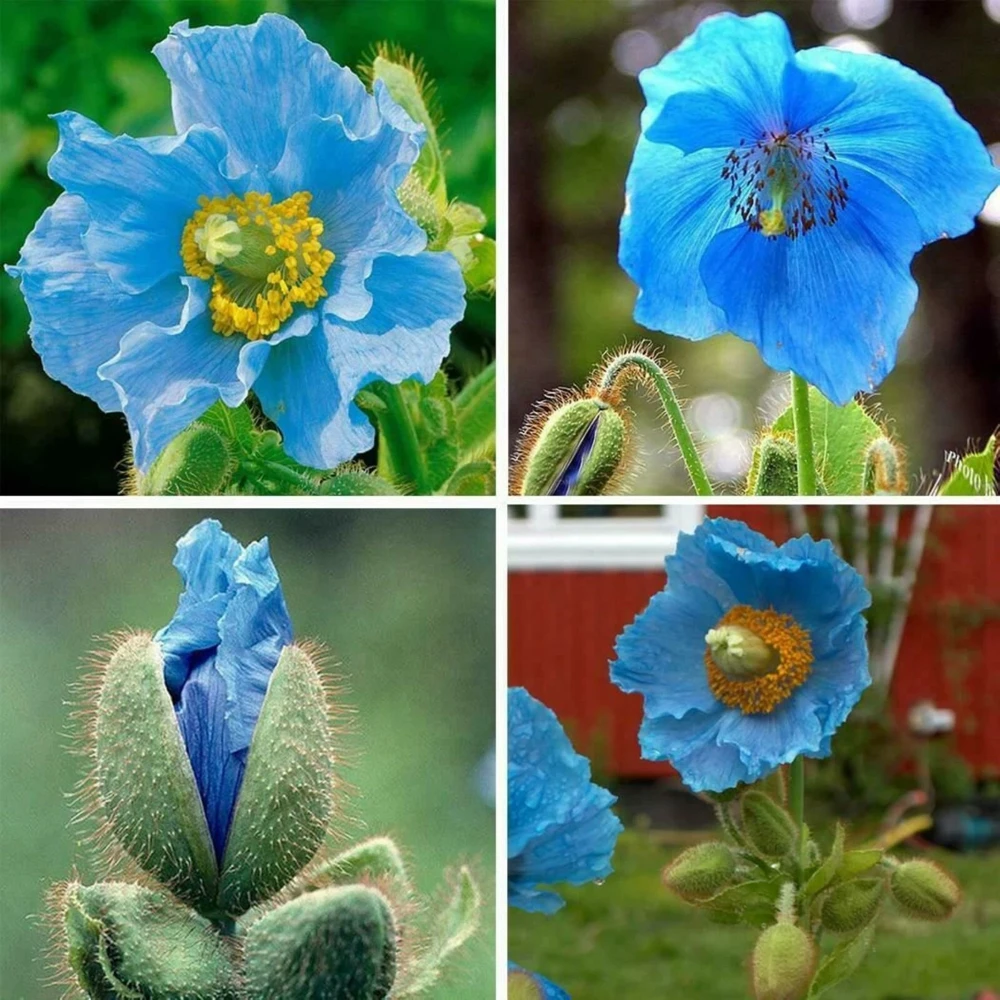
Discover the enchanting allure of the Himalayan Blue Poppy seeds (Meconopsis ‘Grandis’), a true gem for any discerning gardener. These exquisite perennial flowers are renowned for their captivating, sky-blue petals that bring a touch of ethereal beauty to shaded garden spaces. Each packet contains 200 premium Meconopsis Grandis seeds, offering a generous opportunity to establish a stunning display. Originating from the high altitudes of the Himalayas, this species thrives in specific conditions, rewarding patient growers with some of the most sought-after blooms in the plant kingdom. Prepare to transform your garden into a serene haven with these extraordinary blue poppies.
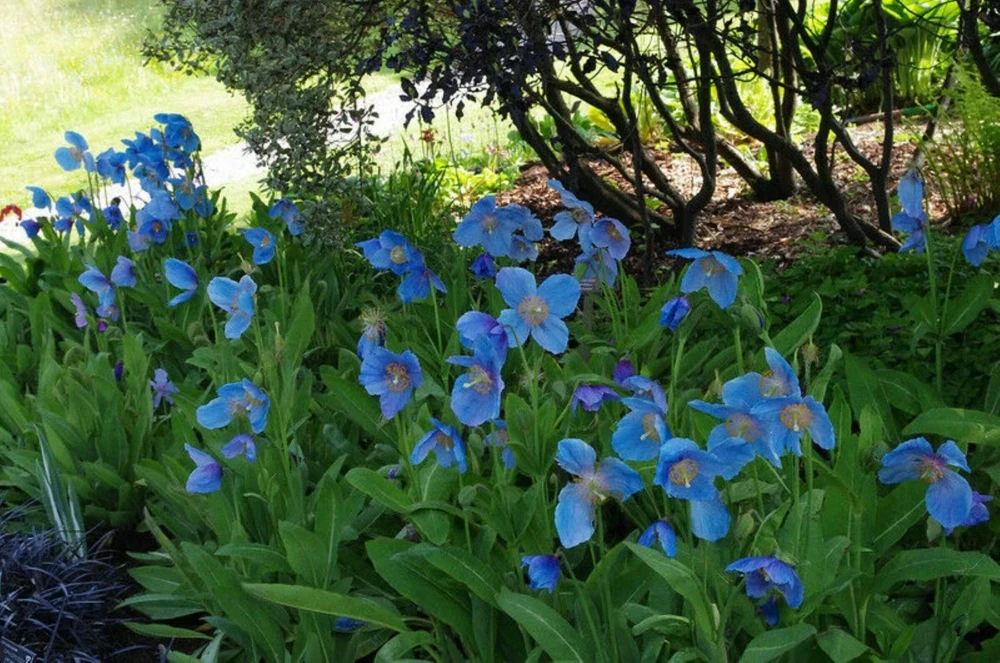
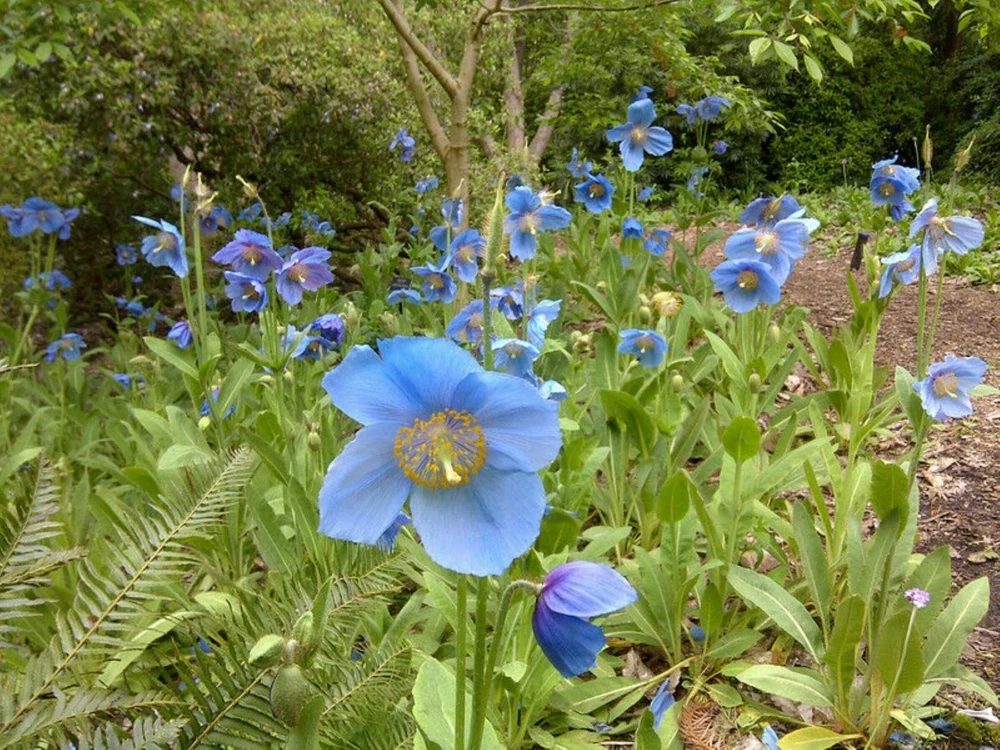
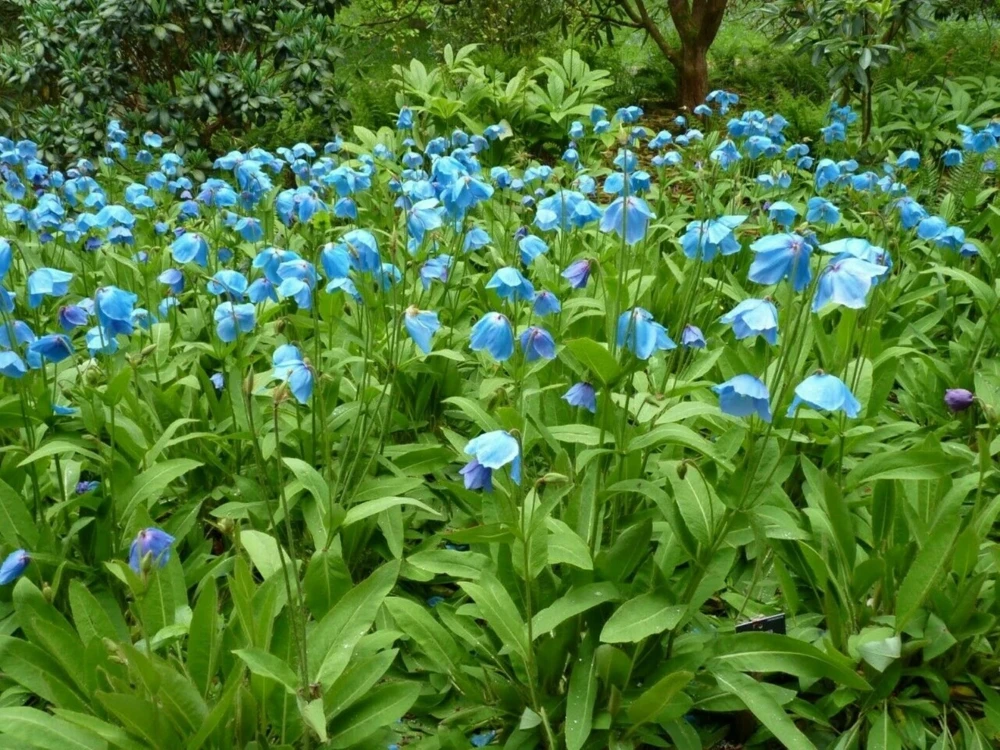
The Himalayan Blue Poppy is a species of Meconopsis, often referred to as the ‘Queen of the Perennials’ due to its striking color and delicate appearance. Unlike annual poppies, these perennials return year after year, establishing larger clumps over time. They are an excellent choice for woodland gardens, shaded borders, or any area where their vibrant blue can contrast with lush greenery. Cultivating these seeds allows you to experience the full life cycle of this magnificent plant, from germination to flowering.
Key Benefits
Growing Himalayan Blue Poppy seeds offers numerous rewards beyond their obvious beauty. These plants provide a unique aesthetic that is hard to replicate with other flowering species, making your garden stand out. Here are some of the key benefits:
- Stunning Blue Blooms: The primary draw of the Himalayan Blue Poppy is its spectacular, true blue flowers, a rare color in the plant world. These vibrant blooms create a focal point and add a serene, almost magical atmosphere to your garden.
- Perennial Growth: As perennial plants, these poppies return each year, often growing larger and producing more flowers as they mature, providing continuous beauty with proper care. This makes them a sustainable and rewarding choice for long-term garden planning.
- Unique Garden Addition: Due to their specific growing requirements and striking appearance, blue poppies are considered a specialist plant, offering a unique and sophisticated addition to your plant collection. They are a conversation starter and a testament to dedicated gardening.
- Thrives in Shade: Unlike many sun-loving flowers, Meconopsis Grandis thrives in partial to full shade, making it perfect for brightening up darker corners of your garden or under trees where other flowers might struggle.
- Attracts Pollinators: While subtle, the flowers can attract early pollinators to your garden, contributing to a healthy ecosystem. The delicate structure of the blooms provides a gentle landing for bees and other beneficial insects.
- Rewarding Cultivation: Successfully growing these Meconopsis Grandis seeds provides immense satisfaction for gardeners who enjoy a challenge and the profound reward of nurturing a rare and beautiful plant. Learning to grow blue poppies is a journey in itself.
- Cool Climate Adaptability: Perfectly suited for cooler climates, these plants can flourish in regions where many other vibrant flowers might find the conditions too harsh, extending the range of your garden’s beauty.
Plant Care & Growing Tips
To successfully grow blue poppies from your Himalayan Blue Poppy seeds, attention to specific environmental conditions is crucial. These plants are often considered temperamental but are incredibly rewarding when their needs are met. Start by sowing the perennial poppy seeds indoors 8-10 weeks before the last frost, or directly outdoors in late fall for natural stratification. Use a sterile seed-starting mix to prevent damping-off disease.
For sunlight, Meconopsis Grandis prefers partial to full shade. Morning sun with afternoon shade is ideal, especially in warmer climates, as intense afternoon sun can scorch their delicate leaves. They thrive in consistently cool and moist conditions, mimicking their native Himalayan habitat. The soil should be rich in organic matter, consistently moist but very well-draining, with a slightly acidic pH (6.0-7.0). Amend heavy clay soils with compost and grit to improve drainage. Watering should be regular, ensuring the soil never dries out completely, especially during dry spells. However, avoid waterlogging, which can lead to root rot.
These poppies are hardy in USDA Zones 3-7. They require a period of cold dormancy to thrive. Fertilize sparingly with a balanced liquid fertilizer once a month during the growing season, or incorporate slow-release organic matter into the soil at planting. Watch out for slugs and snails, which are particularly fond of young poppy foliage; use organic slug pellets or traps. Good air circulation is also important to prevent fungal diseases. Proper care will help your Himalayan Blue Poppy flourish and produce its iconic blooms.
Size & Details
Each packet contains 200 Meconopsis Grandis seeds, providing ample opportunity for successful germination and establishment. Once mature, Himalayan Blue Poppy plants typically reach a height of 24 to 36 inches (60-90 cm) and spread about 12 to 18 inches (30-45 cm) wide, forming attractive clumps. The flowers themselves are generally 3-4 inches (7-10 cm) in diameter. These perennial poppy seeds will develop into plants that bloom from late spring to early summer, usually within their second year after planting, as they establish a robust root system. The seeds are shipped in a protective packet to ensure viability. Expect a moderate growth rate, with plants gradually increasing in size and bloom production over several years, making them a lasting addition to your garden.
Frequently Asked Questions
- Q: How big does this plant get? A: The Himalayan Blue Poppy typically grows to a height of 24 to 36 inches (60-90 cm) and spreads 12 to 18 inches (30-45 cm) wide, forming a beautiful clump of foliage and flowers.
- Q: Is this an indoor or outdoor plant? A: These Meconopsis Grandis seeds are intended for outdoor cultivation. The plants thrive in garden settings with partial to full shade and cool, moist conditions.
- Q: How much sunlight does it need? A: The Himalayan Blue Poppy prefers partial to full shade. Morning sun is acceptable, but it needs protection from intense afternoon sun to prevent leaf scorch.
- Q: Is this plant easy to care for? A: While stunning, blue poppies are considered moderately challenging to grow, requiring specific conditions like cool temperatures, consistent moisture, and well-draining, acidic soil. However, the reward of seeing them bloom is well worth the effort.
- Q: What condition will the seeds arrive in? A: Your Himalayan Blue Poppy seeds will arrive in a sealed, protective packet, ensuring their viability and readiness for planting.
- Q: How long until it blooms? A: Typically, the Himalayan Blue Poppy will bloom in its second year after planting from seed, once the plant has had sufficient time to establish a strong root system.
- Q: When is the best time to plant these perennial poppy seeds? A: The best time to plant these perennial poppy seeds is in late fall for natural cold stratification, or indoors 8-10 weeks before the last frost in spring.
- Q: Will it survive winter in my zone? A: The Himalayan Blue Poppy is hardy in USDA Zones 3-7 and requires a cold dormant period to thrive, making it suitable for many temperate climates.
- Q: What kind of soil is best for grow blue poppies? A: They thrive in rich, consistently moist, and very well-draining soil with a slightly acidic pH (6.0-7.0). Amending with organic matter is highly beneficial.
- Q: Do these Meconopsis Grandis seeds require stratification? A: Yes, these seeds benefit from a period of cold stratification to break dormancy and encourage germination. Planting in late fall allows for natural stratification.
Be the first to review “Himalayan Blue Poppy Seeds – Meconopsis Grandis Perennial Flower, 200 Seeds for Home Garden”
Related products

Flower Seeds
Blue Stock Matthiola Incana Seeds – 50 Fragrant Gillyflower Seeds – Ten-Week Blue Stock


You May Like

How to Grow Passion Flower (Passiflora) for Tropical Blooms
Few climbing vines in the home garden command attention quite like the exotic Passion Flower (Passiflora). [...]
Nov

Thanksgiving Cactus Care: How to Get Thanksgiving Cactus to Bloom
Is your Thanksgiving cactus growing well but not giving you any flowers? Maybe it looked [...]
Nov

How to Grow Garlic for a Bountiful Home Harvest
Garlic (Allium sativum) is one of the most satisfying, low-maintenance, and flavor-packed crops you can [...]
Oct

Hardneck vs. Softneck Garlic: Which Should You Grow?
Have you ever stood in front of a seed catalog in mid-September, staring at dozens [...]
1 Comment
Oct

When to Plant Music Garlic: Ultimate US Fall Guide
Have you ever spent your fall weekend placing carefully chosen garlic cloves into rich, dark [...]
1 Comment
Oct

5 Best Bulbs for Fall Planting: Brighten Your Garden This Spring
Are you dreaming of a garden full of vibrant colors in the spring? The key [...]
Aug

10 Houseplants That Will Thrive in Your Kitchen
Are you tired of your kitchen feeling dull and lifeless? Want to add a little [...]
1 Comment
Aug
Reviews
There are no reviews yet.