
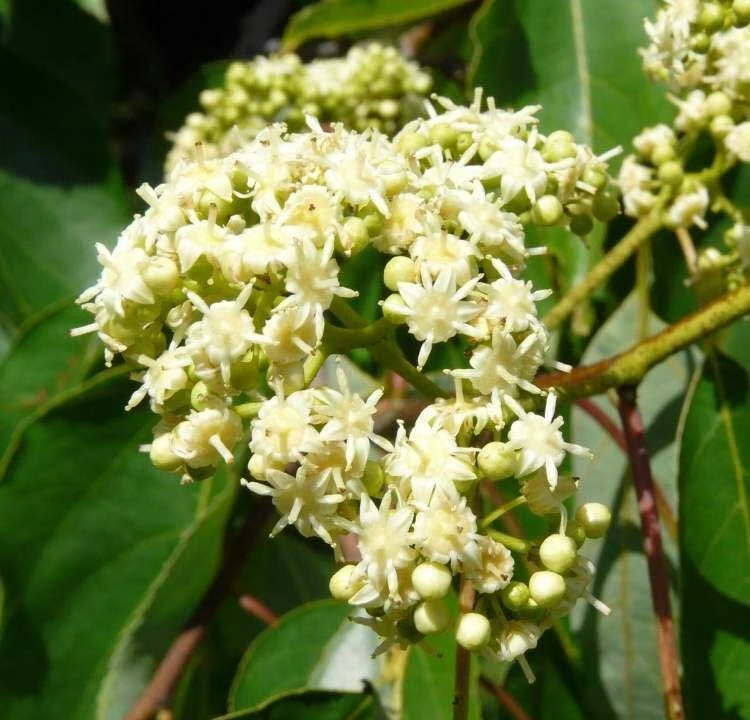
Hovenia Dulcis Seeds – Japanese Raisin Tree Honey-Tree – 20 Seeds
Original price was: 48.91 $.19.91 $Current price is: 19.91 $.
Cultivate the unique Hovenia dulcis seeds, also known as the Japanese Raisin Tree seeds or Honey Tree seeds. These 20 premium seeds will grow into a beautiful tree producing fragrant flowers and edible, pear-flavored fruit. Perfect for zones 5-9.
Estimated arrival
Nov 28
Dec 03 - Dec 05
Dec 05 - Dec 10
See our Shipping Policy.
Get in touch with us via email, and our team will review your concerns.
Our Alive & Thrive Guarantee covers issues with your plants within the first 30 days. Read our Refund & Returns Policy.
-
USDA Hardiness Zone
USDA Hardiness Zones 5 to 9 -
Soil Type
Well-draining, loamy soil -
Sunlight Exposure
Full sun to light shade -
Expected Planting Period
Spring after cold stratification
Overview
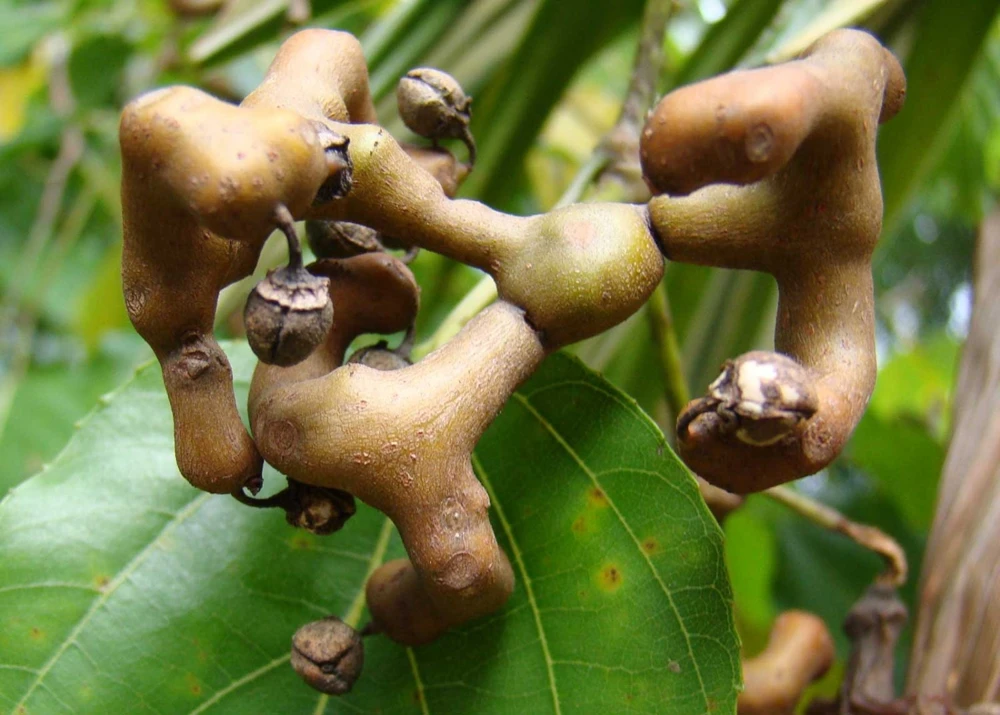
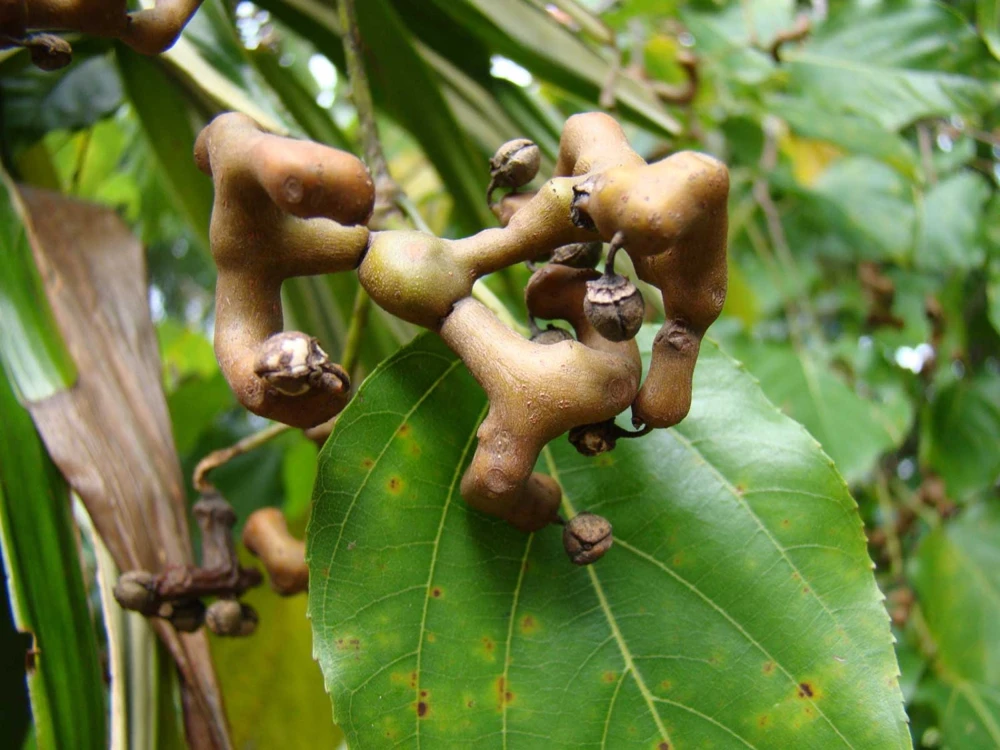
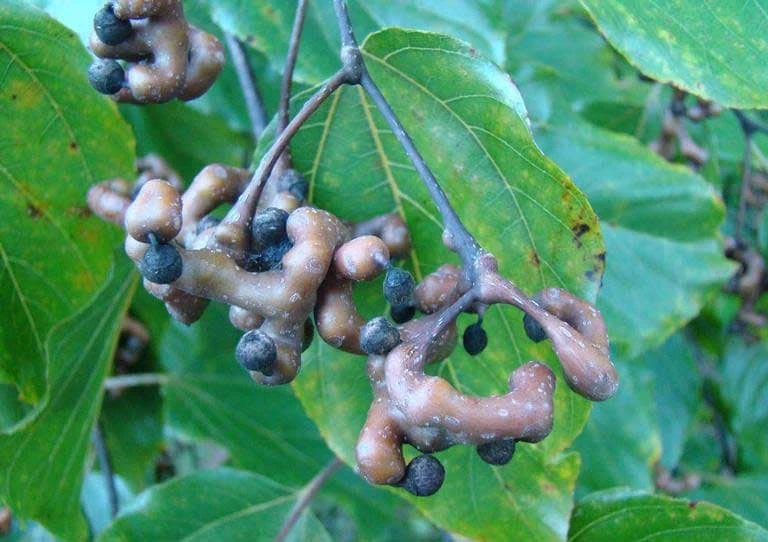
Embark on a unique gardening adventure by planting Hovenia dulcis seeds, the fascinating Japanese Raisin Tree. This remarkable tree, also known as the Honey Tree, is celebrated for its distinctive edible fruit and attractive features. Originating from Asia, Hovenia dulcis is a medium-sized deciduous tree that adds both ornamental beauty and practical value to any garden. The unusual fruit-like stalks develop a sweet, pear-like flavor when ripe, making them a delightful treat for both humans and wildlife. Growing your own Hovenia dulcis seeds allows you to witness the entire life cycle of this intriguing plant, from germination to mature tree, providing a rewarding experience for gardeners of all levels. These seeds offer an opportunity to cultivate a rare and beneficial tree that stands out in the landscape.
The Japanese Raisin Tree is not only known for its delicious fruit but also for its ecological contributions. Its fragrant flowers attract a variety of pollinators, including birds, bees, and butterflies, enriching your garden’s biodiversity. The tree’s moderate growth rate and adaptability to various soil conditions make it a robust choice for many climates. Whether you’re an experienced horticulturist or a budding enthusiast, planting Hovenia dulcis seeds is a gateway to discovering the wonders of an ancient and versatile species. Experience the joy of nurturing a plant that offers both aesthetic appeal and a unique culinary delight.
Key Benefits
Growing the Japanese Raisin Tree from Hovenia dulcis seeds offers a multitude of benefits, transforming your garden into a haven of beauty and utility. This exceptional tree provides several advantages for both the gardener and the environment:
- Unique Edible Fruit: The most prominent benefit is the tree’s unusual fruit-like stalks, which develop a sweet, pear-like flavor. These can be enjoyed raw or cooked, offering a novel culinary experience directly from your garden.
- Attracts Pollinators: The fragrant flowers produced by the Honey Tree are a magnet for local wildlife. Birds, bees, and butterflies are drawn to its blooms, enhancing your garden’s ecosystem and promoting biodiversity.
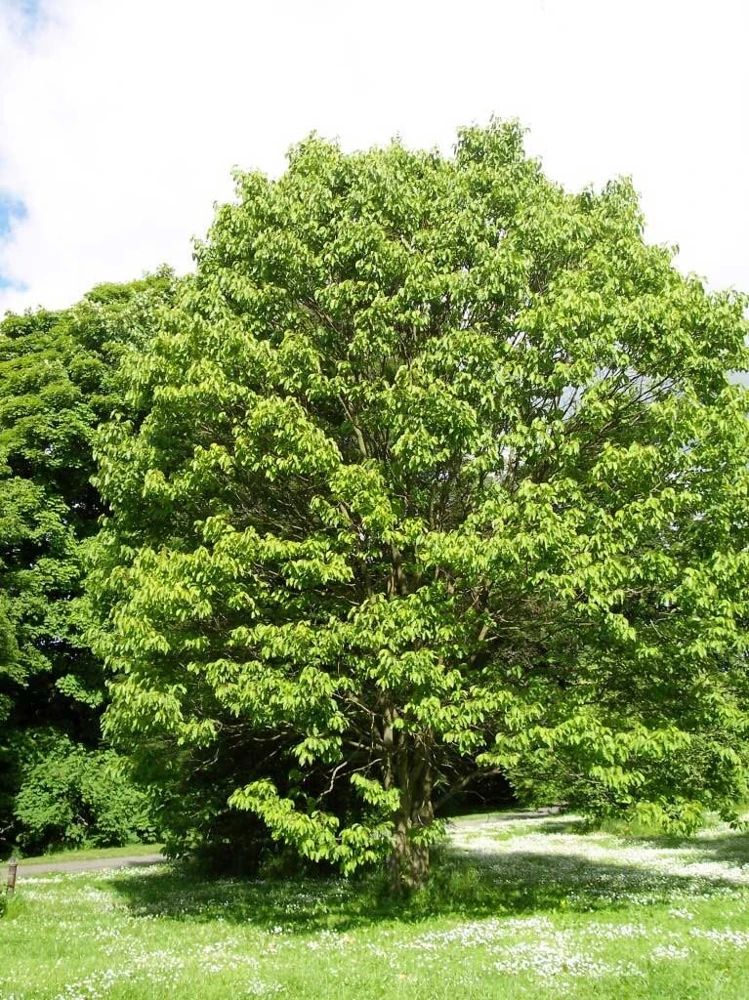
- Ornamental Value: Beyond its edible offerings, Hovenia dulcis is an attractive tree with a pleasant form and foliage. It provides shade and visual interest, making it an excellent addition to any landscape design.
- Hardy and Adaptable: This tree is surprisingly resilient, thriving in USDA Hardiness Zones 5 to 9. It tolerates a range of light conditions, from light shade to full sun, and adapts well to various soil types, making it suitable for many regions.
- Traditional Uses: Historically, the extract from the seeds and leaves of the Honey Tree seeds has been used as a substitute for honey, and the fruit is also used to make wine and candy. This offers intriguing possibilities for those interested in traditional plant uses.
- Sustainable Gardening: By growing your own Japanese Raisin Tree seeds, you contribute to sustainable practices, reducing reliance on commercially produced foods and fostering a deeper connection with nature.
- Educational Experience: For families and educators, cultivating Hovenia dulcis provides a fantastic learning opportunity, teaching about plant growth, ecosystems, and the origins of food.
Plant Care & Growing Tips
To successfully grow Hovenia dulcis from Hovenia dulcis seeds, understanding its specific care requirements is crucial. This tree is relatively low-maintenance once established, but proper initial care will ensure robust growth. For optimal germination, scarification and stratification of the seeds are often recommended. Begin by soaking the seeds in warm water for 24-48 hours, then cold stratify them for 60-90 days in a moist medium in the refrigerator. Plant the germinated seeds in a well-draining soil mix, preferably in individual pots, to allow for strong root development before transplanting.
The Japanese Raisin Tree thrives in a range of sunlight exposures, from light shade to full sun. In hotter climates, some afternoon shade can be beneficial to protect the young trees from scorching. For watering, maintain consistent moisture, especially during the first few years of growth. Once established, the tree becomes more drought-tolerant. Well-draining soil is paramount to prevent root rot; a loamy soil with a good organic matter content is ideal. The tree is hardy in USDA Hardiness Zones 5 to 9, meaning it can withstand winter temperatures down to -20°F (-29°C) when mature.
Fertilization is generally not heavily required for the Honey Tree seeds. A balanced, slow-release fertilizer can be applied in spring to young trees to encourage vigorous growth. Pruning should be done in late winter or early spring to remove any dead or diseased branches and to maintain a desirable shape. While generally resistant to most pests and diseases, monitoring for common issues like aphids or fungal spots is always a good practice. With these care tips, your Japanese Raisin Tree seeds will flourish, providing years of beauty and delicious fruit.
Size & Details
Our offering includes 20 premium Hovenia dulcis seeds, ready for you to embark on the journey of growing your own Japanese Raisin Tree. These seeds are carefully selected to ensure viability and a high germination rate, allowing you to cultivate a healthy and productive tree. The Hovenia dulcis typically grows to a moderate height of 20-30 feet (6-9 meters) with a spread of 15-25 feet (4.5-7.5 meters) at maturity, making it a suitable specimen for many residential landscapes. Its growth rate is considered medium, reaching its mature size within 10-20 years under ideal conditions.
The tree will ship as a packet of 20 seeds, each ready for scarification and stratification before planting. While the exact size of the mature fruit-like stalks can vary, they generally mature in late summer to early fall, developing their signature sweet flavor. The USDA Hardiness Zones for this tree are 5 to 9, indicating its resilience across a broad range of temperate climates. When planting, consider providing adequate space for its mature size to ensure healthy development and a beautiful display of its unique fruit and foliage. Planting these edible tree seeds will provide a long-term investment in your garden’s diversity and bounty.
Frequently Asked Questions
- Q: How big does the Japanese Raisin Tree get? A: The Hovenia dulcis typically grows to a height of 20-30 feet with a spread of 15-25 feet at maturity. It’s a medium-sized tree suitable for many garden spaces.
- Q: Is this an indoor or outdoor plant? A: The Japanese Raisin Tree is primarily an outdoor plant. It is hardy in USDA Zones 5-9 and requires space to grow to its full potential.
- Q: How much sunlight does it need? A: This tree thrives in full sun to light shade. In regions with intense summer heat, some afternoon shade can be beneficial for younger trees.
- Q: Is this plant easy to care for? A: Once established, the Hovenia dulcis is relatively low-maintenance. The initial care for germinating Hovenia dulcis seeds involves scarification and stratification, which are straightforward processes.
- Q: What condition will the seeds arrive in? A: You will receive 20 Hovenia dulcis seeds in a protective packet, ready for you to prepare them for germination and planting.
- Q: How long until it produces fruit? A: The Japanese Raisin Tree typically begins to produce fruit-like stalks within 5-7 years after planting, depending on growing conditions and care.
- Q: Can I use the fruit in cooking? A: Yes, the sweet, pear-flavored fruit-like stalks of the Honey Tree seeds can be eaten raw or cooked. They are also traditionally used to make wine and candy.
- Q: What is the best time to plant Hovenia dulcis seeds? A: After scarification and stratification, the best time to plant the germinated seeds is in spring, once the danger of hard frost has passed.
- Q: What USDA zones are suitable for this tree? A: The Japanese Raisin Tree is suitable for USDA Hardiness Zones 5 to 9, indicating its ability to withstand a range of temperate climates.
- Q: What kind of soil does it prefer? A: Hovenia dulcis prefers well-draining, loamy soil with good organic content. Good drainage is essential to prevent root issues.
Be the first to review “Hovenia Dulcis Seeds – Japanese Raisin Tree Honey-Tree – 20 Seeds”
Related products


You May Like

How to Grow Passion Flower (Passiflora) for Tropical Blooms
Few climbing vines in the home garden command attention quite like the exotic Passion Flower (Passiflora). [...]
Nov

Thanksgiving Cactus Care: How to Get Thanksgiving Cactus to Bloom
Is your Thanksgiving cactus growing well but not giving you any flowers? Maybe it looked [...]
Nov

How to Grow Garlic for a Bountiful Home Harvest
Garlic (Allium sativum) is one of the most satisfying, low-maintenance, and flavor-packed crops you can [...]
Oct

Hardneck vs. Softneck Garlic: Which Should You Grow?
Have you ever stood in front of a seed catalog in mid-September, staring at dozens [...]
1 Comment
Oct

When to Plant Music Garlic: Ultimate US Fall Guide
Have you ever spent your fall weekend placing carefully chosen garlic cloves into rich, dark [...]
1 Comment
Oct

5 Best Bulbs for Fall Planting: Brighten Your Garden This Spring
Are you dreaming of a garden full of vibrant colors in the spring? The key [...]
Aug

10 Houseplants That Will Thrive in Your Kitchen
Are you tired of your kitchen feeling dull and lifeless? Want to add a little [...]
1 Comment
Aug
Reviews
There are no reviews yet.