
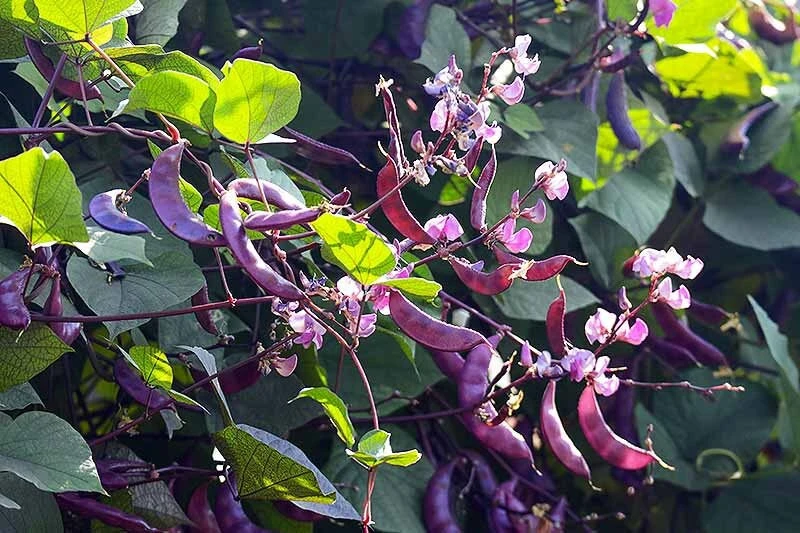
Hyacinth Bean Seeds – Lablab purpureus – 5 Seeds – Purple Flowers, Edible
Original price was: 48.91 $.19.91 $Current price is: 19.91 $.
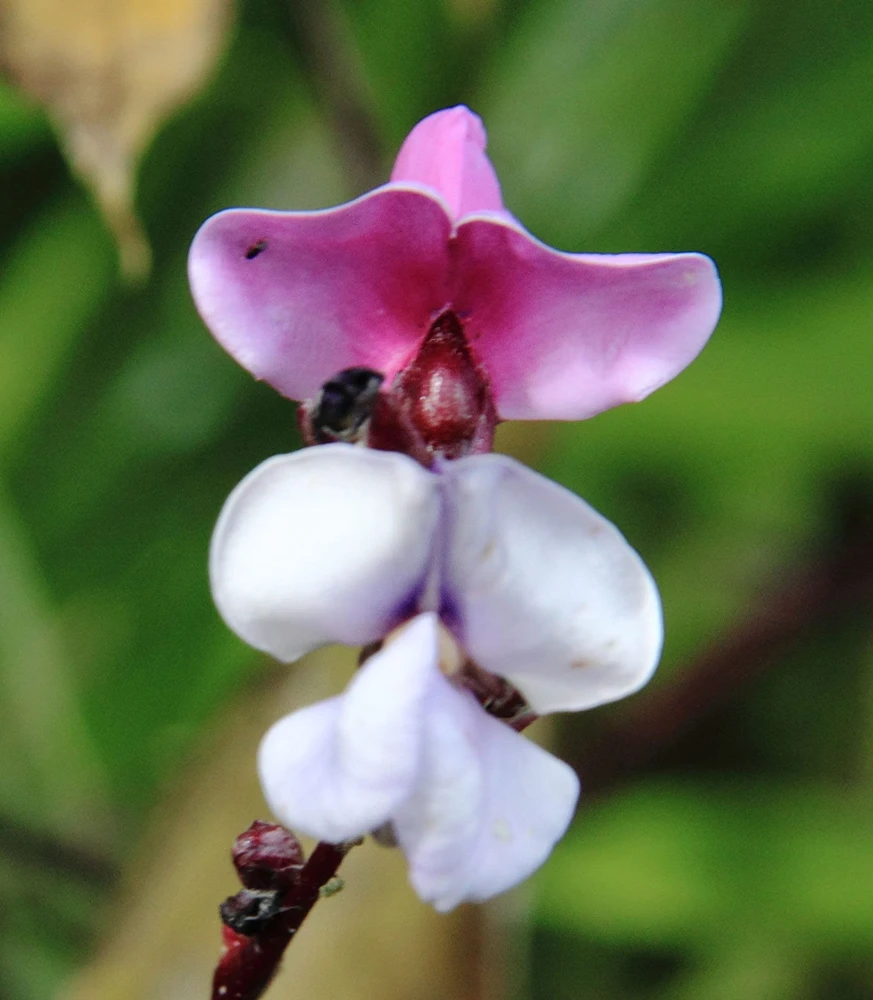
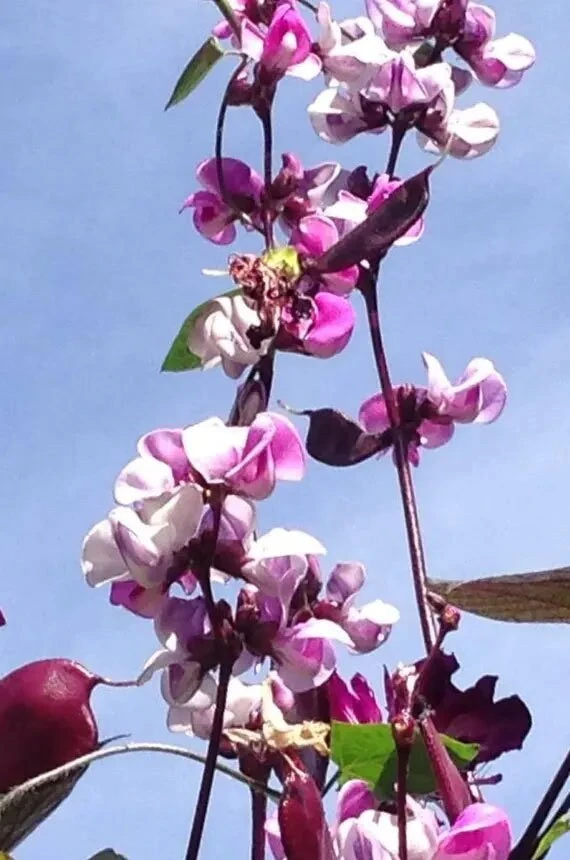
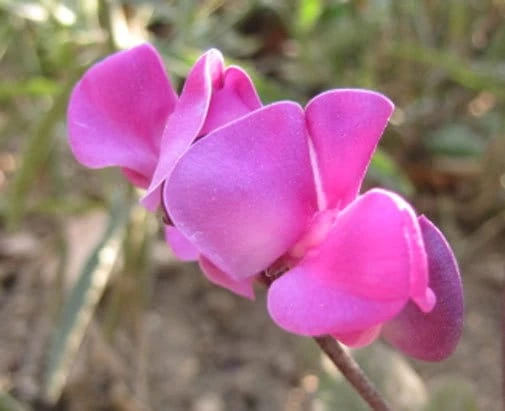
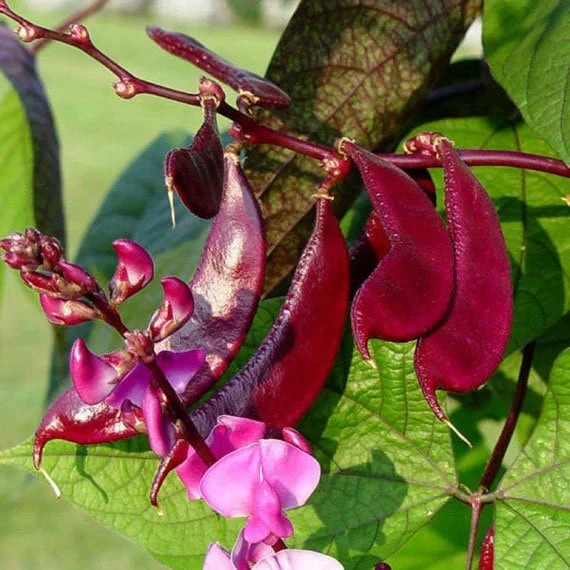
Cultivate the stunning and versatile Hyacinth Bean seeds (Lablab purpureus). These Lablab purpureus seeds produce vigorous vines with fragrant purple, pink, white, and rose-colored flowers, attracting pollinators. Enjoy the beauty and the edible leaves, pods, and beans from this easy-to-grow plant.
Estimated arrival
Nov 26
Dec 01 - Dec 03
Dec 03 - Dec 08
See our Shipping Policy.
Get in touch with us via email, and our team will review your concerns.
Our Alive & Thrive Guarantee covers issues with your plants within the first 30 days. Read our Refund & Returns Policy.
-
USDA Hardiness Zone
Annual in all USDA Hardiness Zones (Perennial in 10-12) -
Soil Type
Well-draining soil -
Sunlight Exposure
Full sun to partial shade -
Expected Planting Period
Spring to early summer
Overview
Discover the joy of growing your own vibrant and versatile Hyacinth Bean seeds. Also known as Lablab purpureus, these unique seeds will transform your garden into a captivating display of color and life. The Hyacinth Bean is a vigorous annual vine, celebrated for its rapid growth and stunning floral show. From mid-summer through fall, it produces abundant, fragrant flowers in shades of purple, pink, white, and rose, creating an irresistible beacon for birds, bees, and butterflies, especially hummingbirds. Beyond its ornamental appeal, the edible Hyacinth Bean offers a wealth of culinary uses, making it a fantastic addition to any edible landscape or kitchen garden. Whether you’re looking to add vertical interest, attract pollinators, or harvest fresh, nutritious produce, these Lablab purpureus seeds provide an excellent starting point for a rewarding gardening experience.
Key Benefits
Growing the Hyacinth Bean seeds offers a multitude of advantages for both the avid gardener and the culinary enthusiast. This plant is a true multi-tasker, delivering beauty, food, and ecological benefits. The ease of cultivation makes it a favorite for gardeners of all skill levels.
- Stunning Ornamental Value: The purple flowering vine produces cascades of fragrant, colorful blooms that can quickly cover trellises, arbors, or fences, adding dramatic visual appeal to your garden space. Its long blooming season ensures continuous beauty from summer to fall.
- Attracts Pollinators: The sweet-smelling flowers are a magnet for beneficial insects like bees and butterflies, contributing to a healthier garden ecosystem. Hummingbirds are particularly drawn to this plant, providing delightful aerial displays.
- Highly Edible Plant: All parts of the Hyacinth Bean plant are edible, offering a diverse range of culinary possibilities. From young pods and leaves to mature beans, you can enjoy fresh, nutritious ingredients straight from your garden. This makes it a truly practical and delicious choice.
- Versatile Culinary Uses: Mature seed pods and leaves can be cooked as vegetables. The beans can be used to make tofu and tempeh, while young pods and premature seeds are delicious raw or cooked. The leaves can also be dried and cooked like spinach, and even the flowers and roots are edible.
- Vigorous Growth: This annual vine is a fast grower, reaching lengths of up to 20 feet, providing quick coverage and privacy where desired. Its robust nature makes it relatively low-maintenance once established, making Hyacinth Bean plant care straightforward.
- Soil Improvement: As a legume, the Hyacinth Bean can fix nitrogen in the soil, improving its fertility and benefiting surrounding plants. This natural soil enrichment reduces the need for synthetic fertilizers.
- Adaptable to Various Conditions: While preferring full sun, it tolerates partial shade and can thrive in a range of soil types, demonstrating its resilience and ease of growth in many garden settings.
Plant Care & Growing Tips
Successful Hyacinth Bean plant care begins with proper planting and understanding its environmental needs. These vigorous vines are relatively easy to grow from Lablab purpureus seeds and can quickly establish themselves. For best results, sow seeds directly into the garden after the last frost, when soil temperatures have warmed. Choose a location that receives full sun to partial shade; full sun (at least 6-8 hours of direct sunlight daily) will encourage the most abundant flowering and pod production. Ensure the soil is well-draining, though Hyacinth Beans are adaptable to various soil types. Incorporating organic matter into the planting site can enhance soil fertility and structure, supporting robust growth.
Watering should be consistent, especially during dry spells and when the plant is actively flowering and setting pods. Aim to keep the soil evenly moist but not waterlogged. Once established, the vine becomes more tolerant of short periods of drought. Provide a sturdy support structure, such as a trellis, arbor, or fence, as the vine can grow up to 20 feet long and will readily climb. Fertilize sparingly if your soil is already rich; excessive nitrogen can promote leafy growth at the expense of flowers and beans. A balanced, all-purpose fertilizer can be applied if growth seems slow. While a tender perennial in USDA Hardiness Zones 10 to 12, the purple flowering vine is typically grown as an annual in all other USDA zones, completing its life cycle within one growing season.
Size & Details
This offering includes 5 Hyacinth Bean seeds (Lablab purpureus), ready for planting. Once established, these annual vines are known for their rapid and expansive growth, typically reaching lengths of 15 to 20 feet over a single growing season. The plant produces beautiful, fragrant flowers from mid-summer through fall, followed by attractive, often purple-tinged seed pods. The mature pods can be quite substantial, containing several edible beans. These seeds are ideal for creating a dynamic vertical garden display or for growing a productive edible crop. Expect germination within 7-14 days under optimal conditions, with flowering beginning approximately 60-90 days after planting. The vigorous nature of the edible Hyacinth Bean ensures a bountiful harvest and a stunning visual impact.
Frequently Asked Questions
- Q: How big does the Hyacinth Bean plant get? A: The Hyacinth Bean seeds produce vigorous vines that can grow quite long, typically reaching lengths of 15 to 20 feet in a single growing season. They require a sturdy support structure to climb.
- Q: Is this an indoor or outdoor plant? A: The Hyacinth Bean (Lablab purpureus) is primarily grown as an outdoor annual vine in most climates. It thrives in warm weather and is best planted directly in the garden after the last frost.
- Q: How much sunlight does it need? A: For optimal growth, flowering, and pod production, the purple flowering vine prefers full sun, meaning at least 6-8 hours of direct sunlight per day. It can tolerate partial shade, but growth may be less vigorous.
- Q: Is this plant easy to care for? A: Yes, Hyacinth Bean plant care is generally considered easy. It’s a robust and fast-growing plant that tolerates a range of conditions once established, making it suitable for gardeners of all experience levels.
- Q: What condition will the seeds arrive in? A: Your order will contain 5 Hyacinth Bean seeds, carefully packaged to ensure they arrive in excellent condition, ready for planting in your garden.
- Q: Can I eat all parts of the Hyacinth Bean plant? A: Yes, all parts of the edible Hyacinth Bean plant are considered edible. However, mature, uncooked beans should be avoided as they contain toxins that are neutralized by cooking. Young pods, leaves, flowers, and cooked mature beans are safe and delicious.
- Q: How long until it blooms? A: You can typically expect the Lablab purpureus seeds to germinate within 1-2 weeks, and the plants usually begin flowering approximately 60-90 days after planting, continuing through the fall.
- Q: Will it survive winter in my zone? A: The Hyacinth Bean is a tender perennial in USDA Hardiness Zones 10 to 12. In most other zones, it is grown as an annual, meaning it will complete its life cycle and die back with the first hard frost.
- Q: What’s the best soil type for Hyacinth Beans? A: While adaptable, Hyacinth Beans prefer well-draining soil. Enriching the soil with organic matter can promote healthier and more vigorous growth.
- Q: Do I need to provide a trellis for this vine? A: Yes, it is highly recommended to provide a sturdy trellis, arbor, fence, or other support structure. The purple flowering vine can grow very long and will need something to climb.
Be the first to review “Hyacinth Bean Seeds – Lablab purpureus – 5 Seeds – Purple Flowers, Edible”
Related products




You May Like

How to Grow Passion Flower (Passiflora) for Tropical Blooms
Few climbing vines in the home garden command attention quite like the exotic Passion Flower (Passiflora). [...]
Nov

Thanksgiving Cactus Care: How to Get Thanksgiving Cactus to Bloom
Is your Thanksgiving cactus growing well but not giving you any flowers? Maybe it looked [...]
Nov

How to Grow Garlic for a Bountiful Home Harvest
Garlic (Allium sativum) is one of the most satisfying, low-maintenance, and flavor-packed crops you can [...]
Oct

Hardneck vs. Softneck Garlic: Which Should You Grow?
Have you ever stood in front of a seed catalog in mid-September, staring at dozens [...]
1 Comment
Oct

When to Plant Music Garlic: Ultimate US Fall Guide
Have you ever spent your fall weekend placing carefully chosen garlic cloves into rich, dark [...]
1 Comment
Oct

5 Best Bulbs for Fall Planting: Brighten Your Garden This Spring
Are you dreaming of a garden full of vibrant colors in the spring? The key [...]
Aug

10 Houseplants That Will Thrive in Your Kitchen
Are you tired of your kitchen feeling dull and lifeless? Want to add a little [...]
1 Comment
Aug
Reviews
There are no reviews yet.