
Jerusalem Thorn Seeds – Palo Verde Horse Bean – Parkinsonia aculeata – 10 Seeds
Original price was: 48.91 $.19.91 $Current price is: 19.91 $.
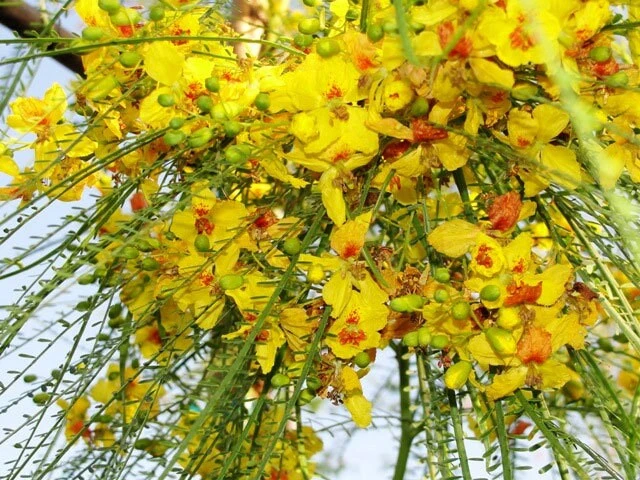
Discover the beauty of the Jerusalem Thorn seeds, also known as Parkinsonia aculeata seeds or Palo Verde Horse Bean seeds. These 10 seeds will grow into stunning, drought-tolerant trees reaching up to 30 feet, featuring fragrant yellow blossoms from late spring to early summer. Attracts birds, bees, and butterflies, making it a perfect addition to any sunny landscape.
Estimated arrival
Nov 26
Dec 01 - Dec 03
Dec 03 - Dec 08
See our Shipping Policy.
Get in touch with us via email, and our team will review your concerns.
Our Alive & Thrive Guarantee covers issues with your plants within the first 30 days. Read our Refund & Returns Policy.
-
USDA Hardiness Zone
8b to 11 -
Soil Type
Well-draining soil -
Sunlight Exposure
Full sun -
Expected Planting Period
Year-round in warm climates; spring after last frost elsewhere
Overview
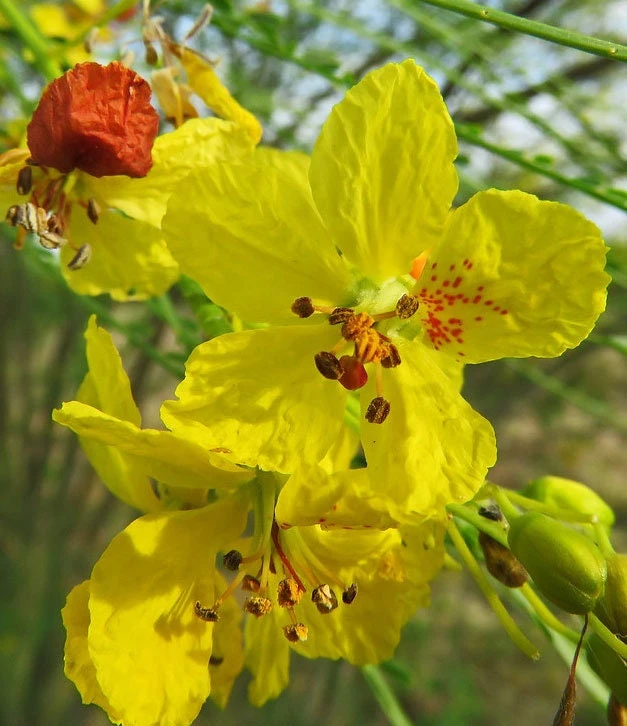
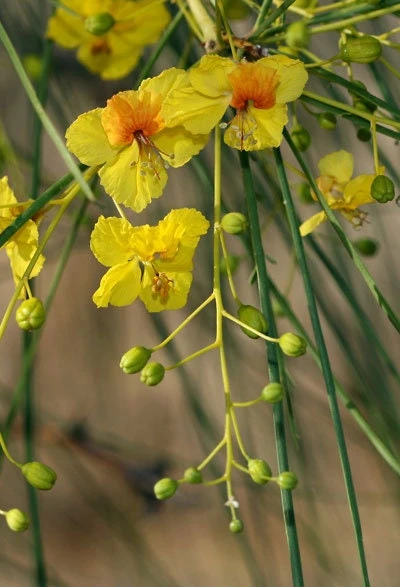
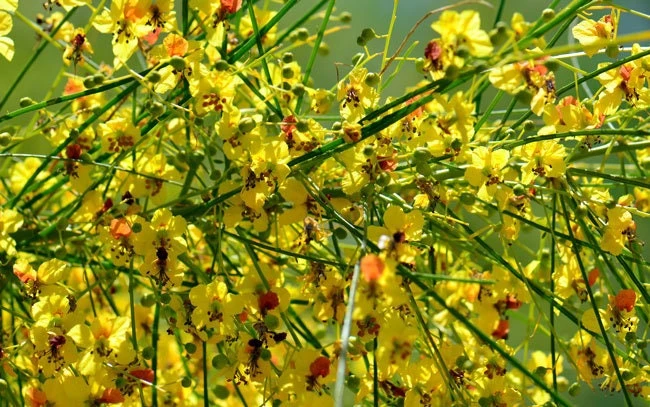
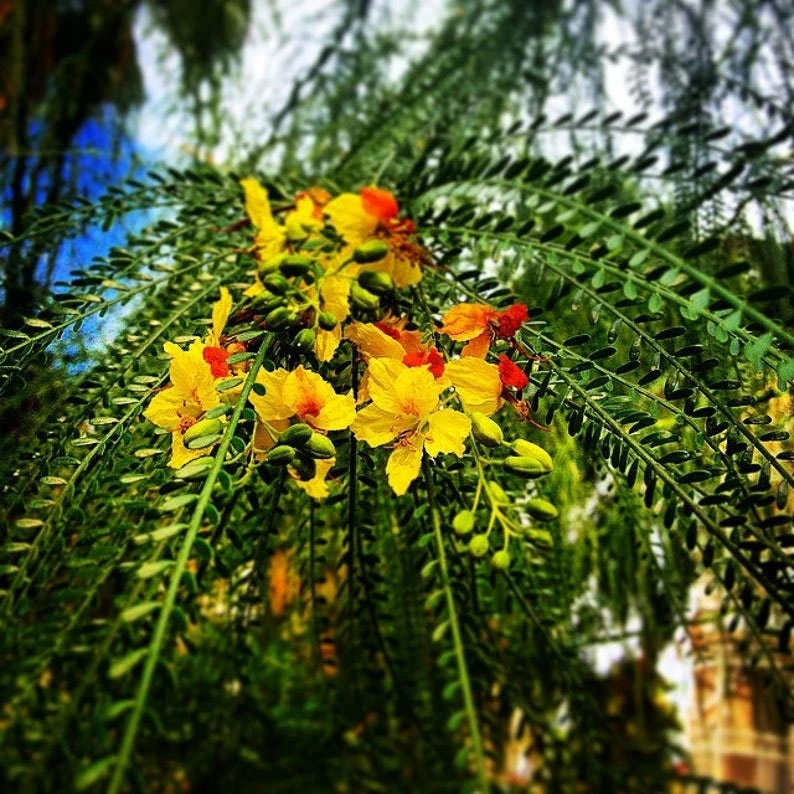
Embark on a rewarding gardening journey with these premium Jerusalem Thorn seeds. Also known by its scientific name, Parkinsonia aculeata seeds, and common names like Mexican Palo Verde and Horse Bean, this remarkable tree offers both aesthetic appeal and ecological benefits. Each packet contains 10 high-quality seeds, ready to transform your outdoor space into a vibrant habitat. The Jerusalem Thorn is a resilient, fast-growing tree that thrives in full sun, making it an excellent choice for xeriscaping or warm, arid regions. Its distinctive green bark and delicate, fern-like foliage provide year-round interest, while its bright yellow, fragrant blossoms create a spectacular display from late spring through early summer. These blossoms are not only beautiful but also vital for attracting a diverse array of pollinators, including birds, bees, and butterflies, contributing significantly to local biodiversity. Growing your own Palo Verde Horse Bean seeds offers the unique satisfaction of nurturing a plant from its very beginning, observing its growth into a majestic tree that can reach up to 30 feet tall.
Key Benefits
Cultivating Jerusalem Thorn seeds brings a multitude of advantages to your garden and local ecosystem. This versatile tree provides numerous benefits, from its ornamental value to its ecological contributions and practical uses.
- Stunning Visual Appeal: Enjoy a prolonged display of bright, fragrant yellow flowers that bloom from late spring into early summer, adding a splash of color and a delightful aroma to your garden. The unique green bark and airy foliage also offer year-round visual interest.
- Attracts Wildlife: The sweet, fragrant blossoms are a magnet for pollinators, including various birds, bees, and butterflies, making your garden a lively and biodiverse sanctuary. It also serves as a larval host plant for specific butterfly and moth species, such as the Clench’s Greenstreak butterfly.
- Drought-Tolerant: Once established, the Parkinsonia aculeata seeds grow into a highly drought-tolerant tree, requiring minimal water and making it an ideal choice for water-wise landscaping in arid and semi-arid regions.
- Versatile Uses: Beyond its ornamental value, the Jerusalem Thorn has practical applications. The leaves and seedpods can be used as animal feed, while the wood is suitable for carpentry, charcoal production, and as fuel. The pulp inside the seedpods is even sweet and edible.
- Low Maintenance: This hardy tree requires minimal care once established, thriving in full sun and various soil conditions, making it perfect for gardeners seeking a beautiful yet easy-to-manage plant.
- Ecological Contribution: By planting these drought tolerant tree seeds, you contribute to supporting local wildlife and enhancing the ecological balance of your environment, providing food and habitat for numerous species.
- Rapid Growth: The Jerusalem Thorn is known for its relatively fast growth rate, allowing you to enjoy a mature, beautiful tree in a shorter amount of time compared to many other tree species.
Plant Care & Growing Tips
Successfully growing Jerusalem Thorn seeds into thriving trees requires attention to a few key environmental factors and care practices. This tree is known for its resilience, but proper initial care will ensure a strong start. Begin by scarifying the hard seed coat to improve germination. This can be done by gently rubbing the seeds with sandpaper or nicking them with a small knife, followed by soaking them in warm water for 24-48 hours until they swell. Plant the seeds about 1/4 to 1/2 inch deep in a well-draining potting mix or directly into prepared garden soil.
Sunlight requirements for the Jerusalem Thorn are straightforward: it absolutely thrives in full sun. Ensure your chosen planting location receives at least 6-8 hours of direct sunlight daily. While young seedlings may appreciate some afternoon shade in extremely hot climates, mature trees prefer uninhibited sun exposure. Watering schedule should be consistent during the germination and establishment phase; keep the soil consistently moist but not waterlogged. Once established, this tree is remarkably drought-tolerant, requiring infrequent watering, especially in areas with natural rainfall. For soil type, the Jerusalem Thorn prefers well-draining soil and can tolerate a wide range of soil conditions, including sandy, rocky, and poor soils. Good drainage is crucial to prevent root rot. The ideal temperature range for this tree is reflected in its USDA Hardiness Zones 8b to 11, meaning it can withstand mild frosts but prefers warmer climates. Fertilization is generally not necessary once the tree is established, especially in good soil. However, a balanced slow-release fertilizer can be applied during the first year of growth to encourage robust development. Common problems are few, mainly related to overwatering or lack of sun in early stages. With proper care, these Parkinsonia aculeata seeds will develop into strong, healthy trees.
Size & Details
These Jerusalem Thorn seeds, once germinated and grown, will develop into a medium to large-sized tree, typically reaching heights of 15 to 30 feet, with a spread of similar dimensions, creating a beautiful, open canopy. The growth rate is considered moderate to fast, allowing you to see significant development within a few years. The trees are known for their distinctive green bark, which performs photosynthesis, and their delicate, bipinnately compound leaves. Each packet contains 10 seeds, providing a good quantity for successful germination and multiple planting opportunities. When grown from Palo Verde Horse Bean seeds, the plant typically blooms from late spring to early summer, producing an abundance of bright yellow, fragrant flowers. The seedpods follow, containing edible pulp and providing additional interest. This resilient tree is well-suited for various landscape designs, from arid gardens to large estates, offering both beauty and ecological benefits.
Frequently Asked Questions
- Q: How big does this plant get? A: The Jerusalem Thorn tree typically grows to a height of 15 to 30 feet, with a similar spread, creating a beautiful, airy canopy. Its mature size makes it suitable for larger garden spaces or as a shade tree.
- Q: Is this an indoor or outdoor plant? A: The Jerusalem Thorn, grown from these Jerusalem Thorn seeds, is primarily an outdoor tree. It requires full sun exposure and ample space to grow to its mature size. It is not suitable for indoor cultivation.
- Q: How much sunlight does it need? A: This tree absolutely thrives in full sun. Ensure it receives at least 6-8 hours of direct sunlight per day for optimal growth and flowering. It is a true sun-lover.
- Q: Is this plant easy to care for? A: Yes, once established, the Jerusalem Thorn is considered very easy to care for. It is highly drought-tolerant and generally pest and disease resistant, making it an excellent choice for low-maintenance landscapes. Initial care for the Parkinsonia aculeata seeds is key for strong establishment.
- Q: What condition will the seeds arrive in? A: Your Palo Verde Horse Bean seeds will arrive as dried, viable seeds, ready for scarification and planting. They are carefully packaged to ensure their integrity during transit.
- Q: How long until it blooms? A: While growth rates vary, you can typically expect the Jerusalem Thorn to start producing its beautiful yellow blossoms within 2-3 years after germination, with more prolific blooming as it matures.
- Q: Will it survive winter in my zone? A: This tree is hardy in USDA Zones 8b to 11. If you are in these zones, it should survive winter without issue. In colder zones, it may not be suitable for outdoor planting unless protected.
- Q: Can the seedpods be used for anything? A: Yes, the seedpods contain a sweet, edible pulp. Additionally, the leaves and seedpods can be used as animal feed, making this a truly versatile plant derived from drought tolerant tree seeds.
- Q: What type of soil is best for these seeds? A: The Jerusalem Thorn prefers well-draining soil and can adapt to various soil types, including sandy, loamy, or even rocky soils. Good drainage is essential to prevent waterlogging.
- Q: Do these trees attract pollinators? A: Absolutely! The bright yellow, fragrant flowers are highly attractive to a wide variety of pollinators, including bees, butterflies, and hummingbirds, making it an excellent choice for a wildlife-friendly garden. This is a key benefit of planting wildlife attracting tree species.
Be the first to review “Jerusalem Thorn Seeds – Palo Verde Horse Bean – Parkinsonia aculeata – 10 Seeds”
Related products


You May Like

How to Grow Passion Flower (Passiflora) for Tropical Blooms
Few climbing vines in the home garden command attention quite like the exotic Passion Flower (Passiflora). [...]
Nov

Thanksgiving Cactus Care: How to Get Thanksgiving Cactus to Bloom
Is your Thanksgiving cactus growing well but not giving you any flowers? Maybe it looked [...]
Nov

How to Grow Garlic for a Bountiful Home Harvest
Garlic (Allium sativum) is one of the most satisfying, low-maintenance, and flavor-packed crops you can [...]
Oct

Hardneck vs. Softneck Garlic: Which Should You Grow?
Have you ever stood in front of a seed catalog in mid-September, staring at dozens [...]
1 Comment
Oct

When to Plant Music Garlic: Ultimate US Fall Guide
Have you ever spent your fall weekend placing carefully chosen garlic cloves into rich, dark [...]
1 Comment
Oct

5 Best Bulbs for Fall Planting: Brighten Your Garden This Spring
Are you dreaming of a garden full of vibrant colors in the spring? The key [...]
Aug

10 Houseplants That Will Thrive in Your Kitchen
Are you tired of your kitchen feeling dull and lifeless? Want to add a little [...]
1 Comment
Aug
Reviews
There are no reviews yet.