
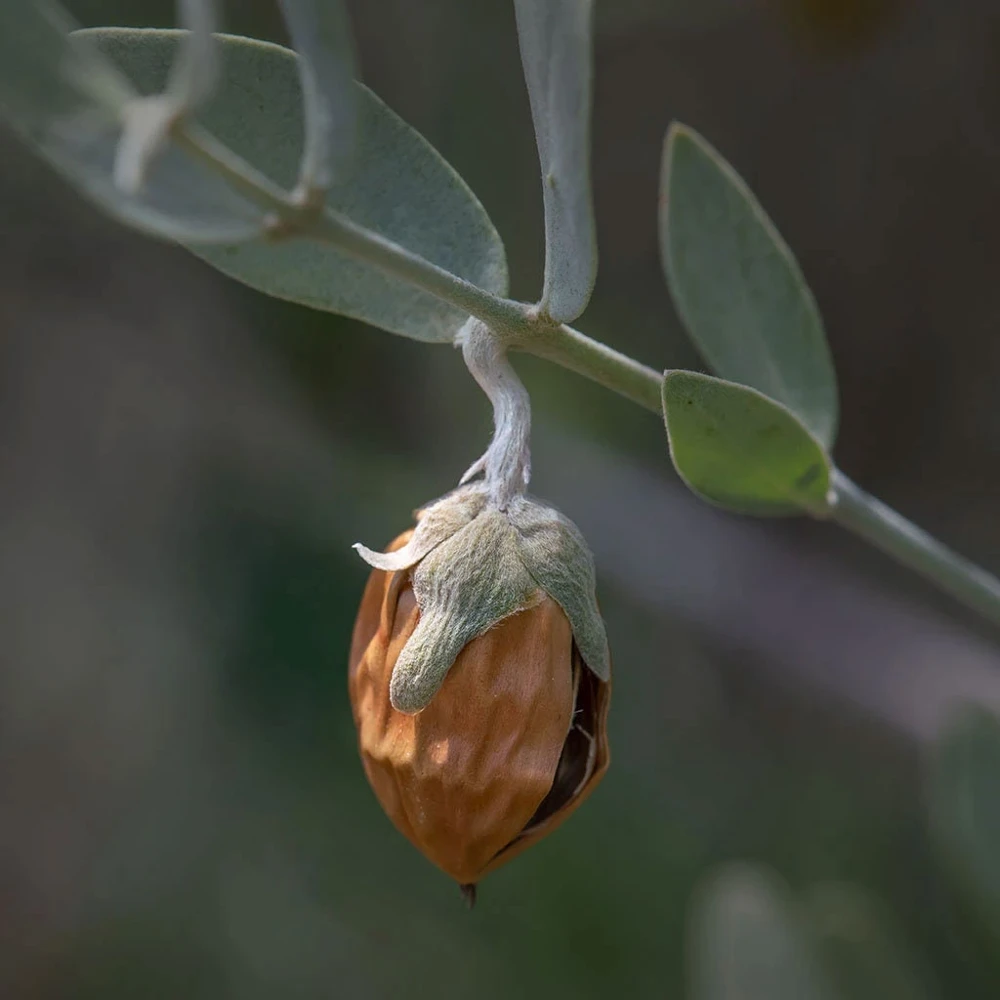
Jojoba Seeds (Simmondsia chinensis) – Wild Hazel – 5 Seeds
Original price was: 48.91 $.19.91 $Current price is: 19.91 $.
Cultivate your own jojoba seeds (Simmondsia chinensis) with this pack of 5 seeds. Known as ‘goat nut’ or ‘wild hazel’, this shrub produces valuable wax and oil, thriving in full sun. Ideal for USDA Zones 9-11.
Estimated arrival
Nov 27
Dec 02 - Dec 04
Dec 04 - Dec 09
See our Shipping Policy.
Get in touch with us via email, and our team will review your concerns.
Our Alive & Thrive Guarantee covers issues with your plants within the first 30 days. Read our Refund & Returns Policy.
-
USDA Hardiness Zone
USDA Zones 9-11 -
Soil Type
Well-draining sandy or gravelly soil -
Sunlight Exposure
Full sun -
Expected Planting Period
Spring to early summer
Overview
Embark on a rewarding gardening journey with this pack of jojoba seeds (Simmondsia chinensis). Often referred to as ‘goat nut’, ‘deer nut’, ‘pignut’, or ‘wild hazel’, this remarkable desert shrub is celebrated for its unique properties and versatility. Originating from arid regions, the jojoba plant is a resilient and low-maintenance species that can add a touch of natural beauty and utility to your garden. These simmondsia chinensis seeds offer you the opportunity to grow your own source of the highly sought-after jojoba wax and oil, making them a fascinating addition for both enthusiastic gardeners and those interested in sustainable resources. Discover the joy of cultivating this exceptional plant from seed.
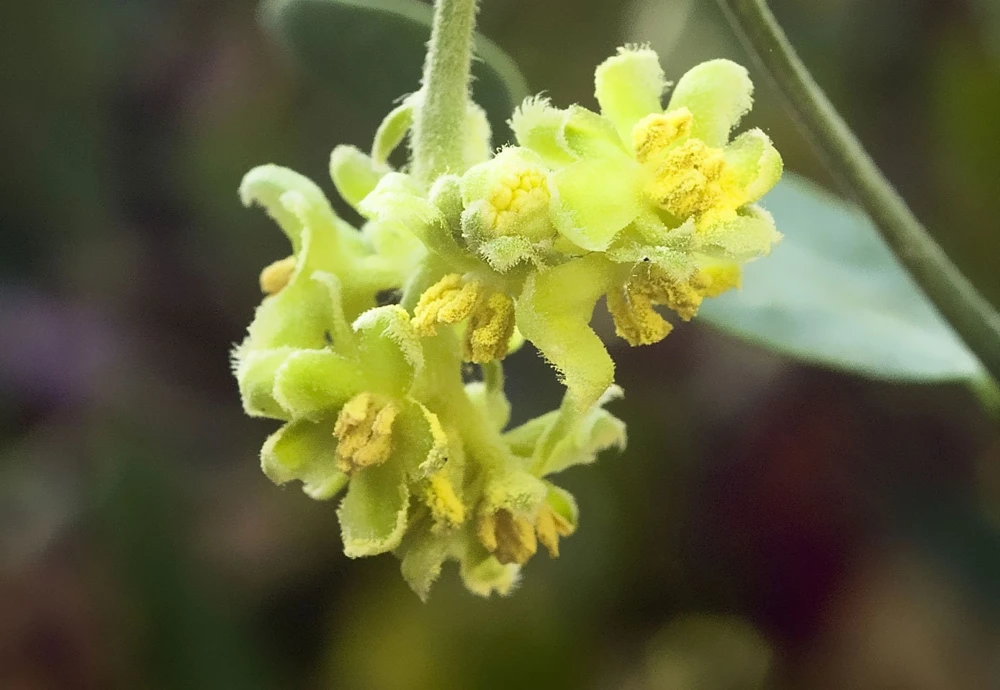
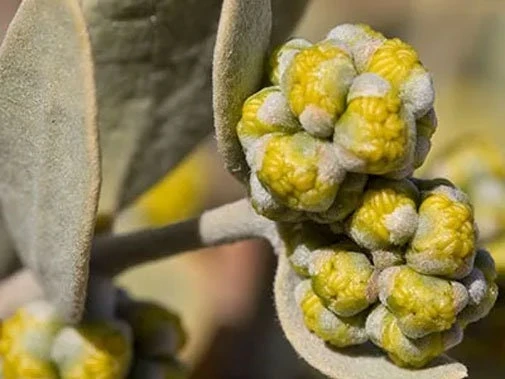
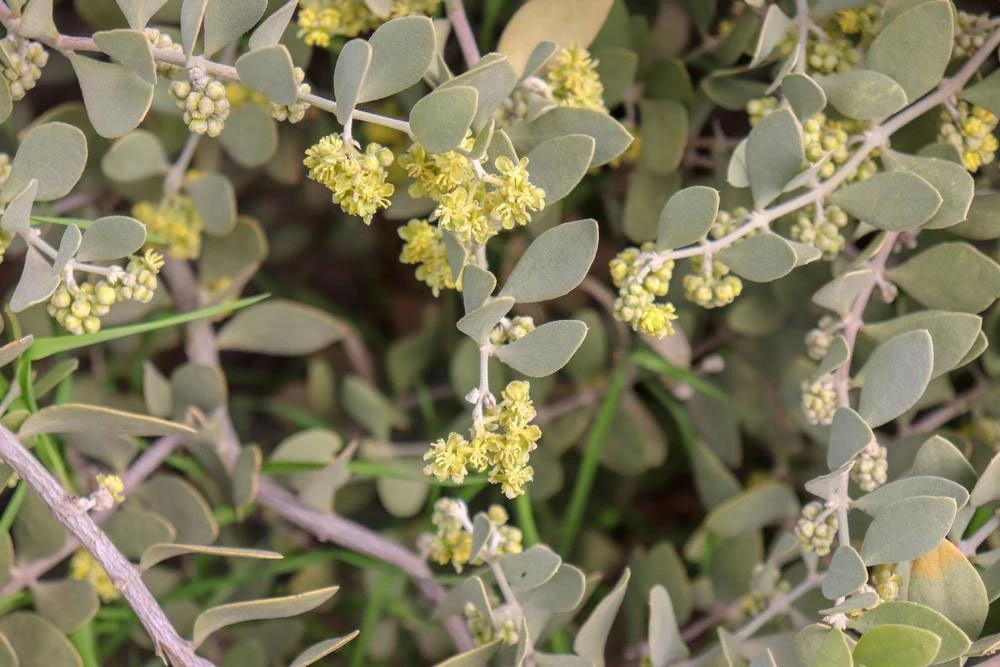
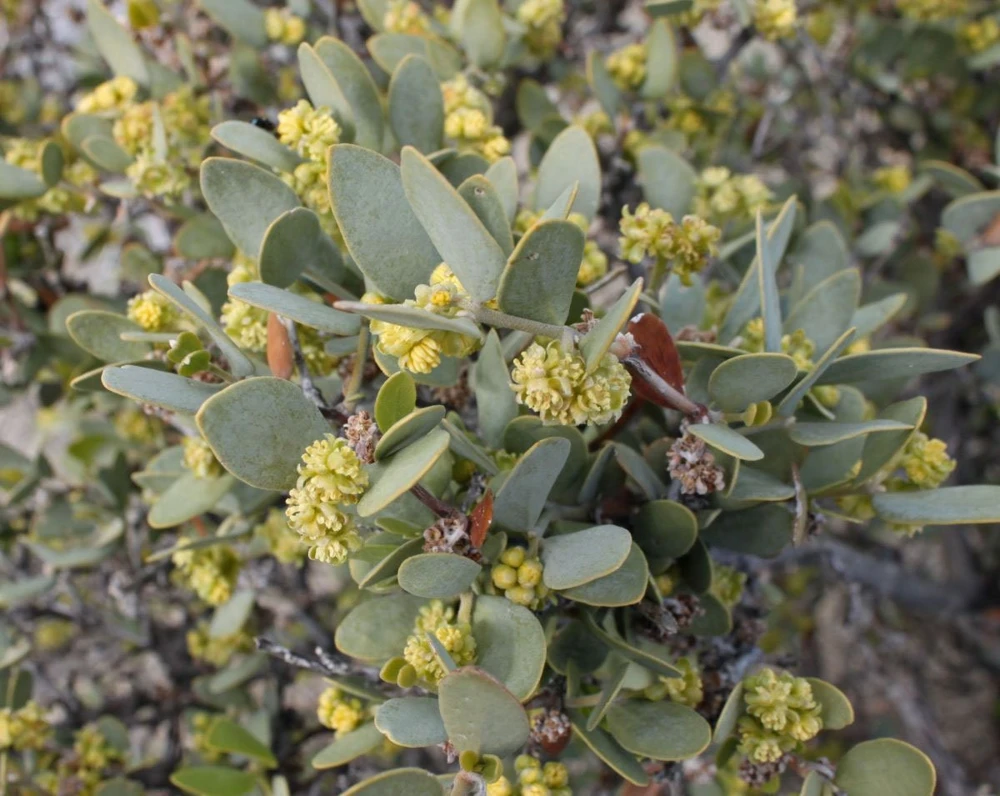
The jojoba plant is a slow-growing, evergreen shrub that typically reaches heights of up to 10 feet when mature. Its leathery, gray-green leaves and small, greenish-yellow flowers, which appear in mid-winter, give it a distinctive appearance. Beyond its ornamental appeal, the primary value of the jojoba plant lies in its seeds, which yield a liquid wax (often called oil) that is highly prized in the cosmetic, pharmaceutical, and industrial sectors. Growing jojoba seeds at home allows you to connect with nature and potentially harvest your own supply of this precious botanical extract.
Key Benefits
Growing your own jojoba plant from seed offers a multitude of benefits, both for your garden and for potential personal use:
- Source of Valuable Oil: The seeds from the jojoba plant produce a unique liquid wax, commonly known as jojoba oil, which is highly valued for its moisturizing and skin-conditioning properties. It’s a natural, sustainable resource for various personal care products.
- Drought-Tolerant & Low Maintenance: Once established, the Simmondsia chinensis is incredibly resilient and requires minimal watering, making it an excellent choice for xeriscaping or gardens in arid climates. This makes it a great option for those looking to grow jojoba plant with less effort.
- Unique Ornamental Value: With its distinct gray-green foliage and compact growth habit, the wild hazel seeds will produce a shrub that provides an attractive, evergreen presence in your landscape year-round, offering a unique texture and color.
- Winter Interest: The small, greenish-yellow blossoms of the jojoba plant appear in the middle of winter, providing subtle beauty and a source of nectar for pollinators when many other plants are dormant.
- Soil Stabilization: As a robust shrub with a deep root system, the jojoba plant can help prevent soil erosion, especially on slopes or in sandy areas, contributing to a healthier ecosystem.
- Wildlife Habitat: The dense foliage and seeds can provide shelter and food for local wildlife, enhancing the biodiversity of your garden.
- Educational Experience: Cultivating these simmondsia chinensis seeds from germination to maturity offers a fascinating and educational experience, allowing you to observe the life cycle of a plant with significant ecological and economic importance.
Plant Care & Growing Tips
To successfully grow jojoba plant from your jojoba seeds, understanding its specific care requirements is crucial. These plants thrive in conditions that mimic their native desert environment. Start your jojoba seeds indoors in a warm environment to give them the best chance of germination. Scarify the seeds lightly or soak them in warm water for 24 hours before planting to encourage germination. Plant them in a well-draining seed-starting mix, about 1/2 inch deep, and keep the soil consistently moist until sprouts appear.
Once seedlings are established, transplant them to a location where they will receive ample sunlight. The jojoba plant prefers full sun, meaning at least 6-8 hours of direct sunlight per day. It is highly adaptable to various soil types but absolutely requires well-draining soil to prevent root rot. Sandy or gravelly soils are ideal. For outdoor planting, ensure your climate falls within USDA Hardiness Zones 9 to 11, as the plant is not tolerant of prolonged freezing temperatures. Young plants may need protection during their first few winters in the cooler parts of their hardiness range.
Watering should be consistent but moderate during the plant’s establishment phase. Once mature, the jojoba plant is exceptionally drought-tolerant and will require infrequent watering, especially in areas with natural rainfall. Overwatering is a common cause of failure for this species. Fertilization is generally not necessary, as the plant is adapted to nutrient-poor soils. If growth appears stunted, a light application of a balanced, slow-release fertilizer in spring can be beneficial. Pruning is minimal, mainly for shaping or removing dead branches. Keep an eye out for common pests, though jojoba is relatively pest-resistant. Proper care ensures a thriving jojoba plant that produces seeds for many years.
Size & Details
This product includes 5 Simmondsia chinensis seeds, ready for planting. Each seed has the potential to grow into a robust jojoba plant, which can eventually reach a mature height of up to 10 feet (approximately 3 meters) with a similar spread, forming a dense, multi-stemmed shrub. The growth rate is moderate, with plants typically taking several years to reach significant size and begin producing a substantial yield of seeds. The seeds themselves are small, oval-shaped, and brownish-black, containing the valuable liquid wax. When you grow jojoba plant, expect to see the greenish-yellow flowers appear in the winter months, followed by seed development. These seeds are ideal for starting your own grove of wild hazel seeds, whether for ornamental purposes or for exploring the potential of harvesting your own jojoba oil.
Frequently Asked Questions
- Q: How big does a jojoba plant get? A: A mature jojoba plant (Simmondsia chinensis) can grow to approximately 10 feet tall and wide, forming a dense, evergreen shrub. Its size can vary slightly depending on growing conditions and pruning.
- Q: Is this an indoor or outdoor plant? A: The jojoba plant is primarily an outdoor plant, thriving in full sun and warm climates. It is hardy in USDA Zones 9 to 11. While it can be grown in containers, it generally performs best when planted directly in the ground.
- Q: How much sunlight does the jojoba plant need? A: Jojoba requires abundant sunlight. To successfully grow jojoba plant, ensure it receives at least 6-8 hours of direct sunlight per day. It flourishes in full sun exposure.
- Q: Is this plant easy to care for? A: Once established, the jojoba plant is considered relatively easy to care for due to its drought tolerance and minimal fertilization needs. It’s a great choice for arid landscapes or low-maintenance gardening.
- Q: What condition will the seeds arrive in? A: Your order will contain 5 Simmondsia chinensis seeds, which are dormant and ready for planting. They will be carefully packaged to ensure their viability upon arrival.
- Q: When is the best time to plant jojoba seeds? A: The best time to plant jojoba seeds is typically in spring or early summer, after the last threat of frost, when soil temperatures are consistently warm. Starting indoors can extend the growing season.
- Q: What type of soil is best for growing jojoba? A: The jojoba plant thrives in well-draining soil, such as sandy or gravelly loam. It is highly intolerant of heavy, waterlogged soils, which can lead to root rot.
- Q: How long until the plant produces seeds? A: Jojoba plants typically begin to produce seeds within 3-5 years after germination, with full production occurring as the plant matures further. Patience is key when growing jojoba seeds.
- Q: What are these ‘wild hazel seeds’ used for? A: The seeds, often called ‘goat nuts’ or ‘wild hazel seeds’, are primarily harvested for their liquid wax, known as jojoba oil. This oil is widely used in cosmetics, skincare, and industrial applications due to its unique composition.
- Q: Will it survive winter in my zone? A: The jojoba plant is suited for USDA Hardiness Zones 9-11. If you live in a colder zone, it may need significant protection during winter or be grown in a container that can be moved indoors.
Be the first to review “Jojoba Seeds (Simmondsia chinensis) – Wild Hazel – 5 Seeds”
Related products


You May Like

How to Grow Passion Flower (Passiflora) for Tropical Blooms
Few climbing vines in the home garden command attention quite like the exotic Passion Flower (Passiflora). [...]
Nov

Thanksgiving Cactus Care: How to Get Thanksgiving Cactus to Bloom
Is your Thanksgiving cactus growing well but not giving you any flowers? Maybe it looked [...]
Nov

How to Grow Garlic for a Bountiful Home Harvest
Garlic (Allium sativum) is one of the most satisfying, low-maintenance, and flavor-packed crops you can [...]
Oct

Hardneck vs. Softneck Garlic: Which Should You Grow?
Have you ever stood in front of a seed catalog in mid-September, staring at dozens [...]
1 Comment
Oct

When to Plant Music Garlic: Ultimate US Fall Guide
Have you ever spent your fall weekend placing carefully chosen garlic cloves into rich, dark [...]
1 Comment
Oct

5 Best Bulbs for Fall Planting: Brighten Your Garden This Spring
Are you dreaming of a garden full of vibrant colors in the spring? The key [...]
Aug

10 Houseplants That Will Thrive in Your Kitchen
Are you tired of your kitchen feeling dull and lifeless? Want to add a little [...]
1 Comment
Aug
Reviews
There are no reviews yet.