
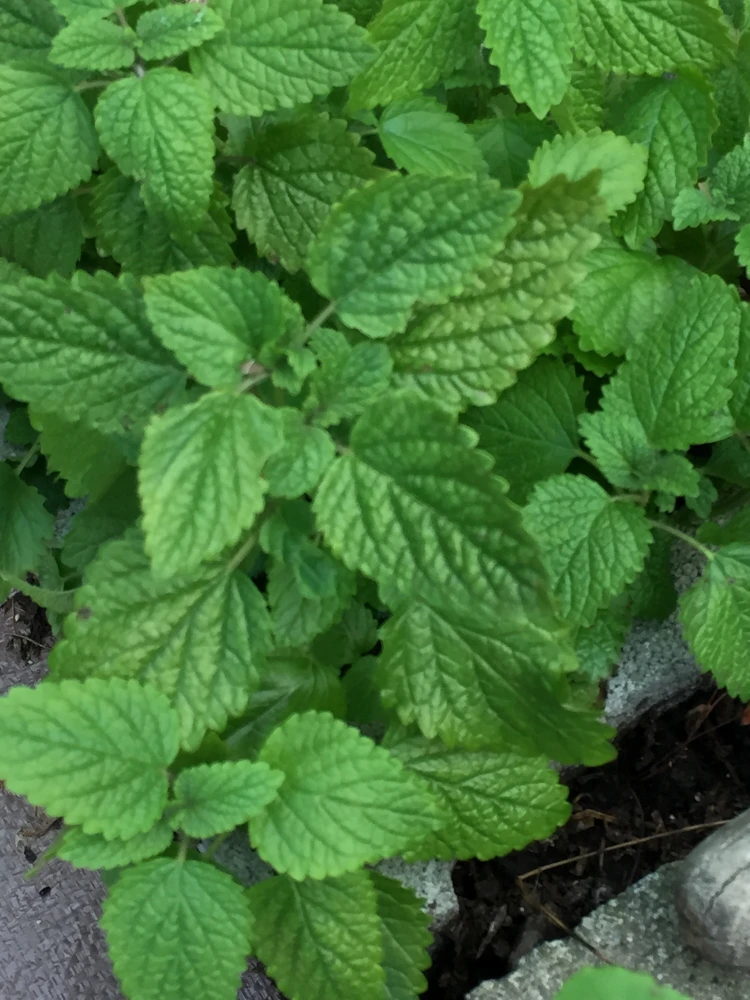
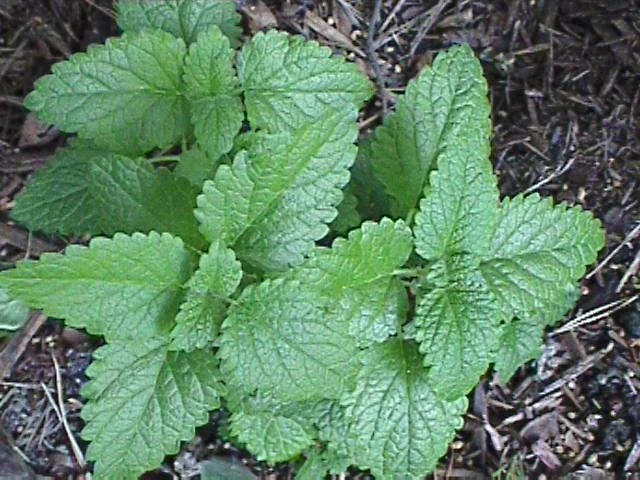
Lemon Balm Seeds – 10 Heirloom Non-GMO Herb Seeds for Tea, Pollinators, & Garden
Original price was: 33.13 $.13.13 $Current price is: 13.13 $.
Discover the joy of growing your own lemon balm seeds. This pack contains 10 heirloom, non-GMO seeds, perfect for cultivating fragrant plants. Enjoy fresh leaves for soothing herbal teas and attract beneficial pollinators like bees and hummingbirds to your garden.
Estimated arrival
Nov 27
Dec 02 - Dec 04
Dec 04 - Dec 09
See our Shipping Policy.
Get in touch with us via email, and our team will review your concerns.
Our Alive & Thrive Guarantee covers issues with your plants within the first 30 days. Read our Refund & Returns Policy.
-
USDA Hardiness Zone
USDA Zones 4-9 -
Soil Type
Well-draining, moderately fertile soil -
Sunlight Exposure
Full sun to partial shade -
Expected Planting Period
Spring to early summer
Overview
Cultivate your own aromatic herb garden with these high-quality lemon balm seeds. Each pack provides 10 heirloom, non-GMO seeds of Melissa officinalis, commonly known as lemon balm. This delightful perennial herb is cherished for its refreshing citrusy scent and flavor, making it a popular choice for culinary uses, particularly in herbal teas. Beyond its appeal to humans, lemon balm is a fantastic addition to any garden looking to support local ecosystems, as its charming white flowers are a magnet for bees and hummingbirds. Growing lemon balm seeds allows you to enjoy fresh, organic herbs right from your backyard, ensuring you have a steady supply for all your needs. These easy-to-grow seeds are an excellent choice for both novice and experienced gardeners.
Starting your garden with lemon balm seeds offers a rewarding experience, leading to lush, bushy plants that can thrive in various conditions. The vibrant green leaves release a pleasant lemon fragrance when brushed or crushed, adding an extra sensory dimension to your outdoor space. Whether you’re aiming to create a dedicated herb patch, enhance a pollinator-friendly garden, or simply enjoy fresh ingredients for homemade remedies and beverages, these heirloom lemon balm seeds are an ideal starting point.
Key Benefits
Growing lemon balm from seeds offers a multitude of benefits for your garden and well-being. These lemon balm seeds are a versatile choice for any home gardener.
- Aromatic & Culinary Delight: Lemon balm leaves have a refreshing lemon scent and flavor, perfect for brewing soothing herbal teas, flavoring desserts, or adding a zesty touch to salads and drinks.
- Attracts Pollinators: The delicate white flowers of lemon balm are highly attractive to beneficial insects, including bees and hummingbirds, helping to support local biodiversity and pollinate other plants in your garden.
- Heirloom & Non-GMO: You can trust that these are true-to-type, untreated heirloom seeds, ensuring a natural and sustainable gardening practice without genetically modified organisms.
- Easy to Grow: Lemon balm is known for its resilience and ease of cultivation, making it an excellent choice for gardeners of all skill levels, including those looking to grow lemon balm for the first time.
- Perennial Herb: Once established, lemon balm will return year after year, providing a continuous harvest of fresh leaves with minimal effort.
- Natural Pest Deterrent: The strong citrus scent of lemon balm can help deter certain garden pests, contributing to a healthier garden environment.
- Versatile Garden Addition: Ideal for herb gardens, mixed borders, container planting, or as a ground cover, lemon balm adapts well to various garden designs.
Plant Care & Growing Tips
Caring for your lemon balm seeds and subsequent plants is relatively straightforward, making it a rewarding herb to cultivate. Lemon balm thrives in a variety of conditions but prefers full sun to partial shade. Aim for at least 4-6 hours of direct sunlight daily for the best growth and most potent fragrance. In hotter climates, some afternoon shade can prevent the leaves from scorching. Starting your lemon balm seeds indoors 6-8 weeks before the last frost or directly sowing them outdoors after the danger of frost has passed are both viable options. Plant seeds shallowly, about 1/4 inch deep, and keep the soil consistently moist until germination, which typically occurs within 7-14 days.
Lemon balm is not overly particular about soil, but it performs best in well-draining, moderately fertile soil. A pH between 6.0 and 7.0 is ideal. Amend heavy clay soils with compost or sand to improve drainage. Once established, lemon balm is quite drought-tolerant, but regular watering during dry spells will encourage lush growth. Avoid overwatering, which can lead to root rot. Fertilization is generally not necessary for this vigorous herb, especially if grown in rich soil. If your soil is poor, a light application of balanced organic fertilizer in spring can boost growth. Pruning regularly, especially after flowering, will prevent the plant from becoming leggy and encourage new leaf production, which is crucial for those looking to harvest for lemon balm tea.
Lemon balm is hardy in USDA zones 4-9. It can spread quite enthusiastically, so consider planting it in containers or using root barriers if you want to contain its growth. While generally pest-resistant, keep an eye out for common garden pests like aphids, which can be easily managed with insecticidal soap. Harvesting leaves frequently encourages more growth and provides a continuous supply for your needs. For drying, cut whole stems before flowering and hang them in a cool, dark, well-ventilated area. This ensures you’ll have plenty of leaves for a comforting cup of lemon balm tea throughout the year.
Size & Details
This offering includes 10 premium lemon balm seeds, providing an excellent foundation for your herb garden. Each seed is carefully selected to ensure viability and robust growth. Once mature, lemon balm plants typically grow to a height of 18-24 inches (45-60 cm) and can spread equally wide, forming attractive, bushy mounds. The growth rate is moderate, with plants reaching a harvestable size within a few months of germination. These seeds are ideal for starting plants in small pots before transplanting or directly sowing into garden beds. Expect your plants to produce fragrant leaves throughout the growing season, with flowers appearing in late spring to early summer.
The plants grown from these heirloom herb seeds are known for their vigorous nature and ability to self-seed, potentially creating a sustainable patch of lemon balm for years to come. They are shipped as dry seeds in a protective packet, ensuring their quality upon arrival. With proper care, you can enjoy a continuous supply of fresh lemon balm for culinary and aromatic uses. The ease of growing these pollinator garden seeds makes them a perfect addition for anyone looking to enhance their garden’s appeal and functionality.
Frequently Asked Questions
- Q: How big does a lemon balm plant get from these seeds? A: A mature lemon balm plant typically reaches a height and spread of 18-24 inches (45-60 cm). Its bushy growth habit makes it a lovely addition to herb gardens or borders.
- Q: Is this an indoor or outdoor plant? A: Lemon balm can be grown both indoors and outdoors. It thrives outdoors in garden beds or containers, but can also be cultivated indoors near a sunny window for fresh leaves year-round.
- Q: How much sunlight does lemon balm need? A: Lemon balm prefers full sun to partial shade, ideally receiving 4-6 hours of direct sunlight per day. In very hot climates, partial afternoon shade can be beneficial.
- Q: Is this plant easy to care for? Is it good for beginners? A: Yes, lemon balm is considered a very easy-to-care-for plant and is excellent for beginners. It’s quite resilient and forgiving, making it a rewarding choice for new gardeners to grow lemon balm.
- Q: What condition will the seeds arrive in? A: The lemon balm seeds will arrive as dry, viable seeds in a protective packet, ready for planting.
- Q: How long until lemon balm blooms? A: Lemon balm typically blooms in late spring to early summer, usually within the first year of planting from seed, attracting various pollinators.
- Q: Can I use lemon balm in cooking or for tea? A: Absolutely! Lemon balm leaves are widely used for brewing soothing herbal teas, adding a fresh lemon flavor to culinary dishes, and for various aromatic purposes. It’s perfect for making your own lemon balm tea.
- Q: What’s the best time to plant these lemon balm seeds? A: You can start these lemon balm seeds indoors 6-8 weeks before the last frost or sow them directly outdoors after all danger of frost has passed in spring.
- Q: Will lemon balm survive winter in my zone? A: Lemon balm is a perennial herb hardy in USDA zones 4-9, meaning it will typically survive winter and return in spring in these regions.
- Q: Is lemon balm considered an invasive plant? A: While lemon balm is not truly invasive, it is a vigorous grower and can self-seed readily. Consider planting it in containers or using root barriers if you want to control its spread in your garden, especially when growing these heirloom herb seeds.
Be the first to review “Lemon Balm Seeds – 10 Heirloom Non-GMO Herb Seeds for Tea, Pollinators, & Garden”
Related products


Herb Seeds
Munstead Lavender Seeds – 200 English Lavandula Angustifolia Fragrant Purple Flower Herb Seeds


You May Like

How to Grow Passion Flower (Passiflora) for Tropical Blooms
Few climbing vines in the home garden command attention quite like the exotic Passion Flower (Passiflora). [...]
Nov

Thanksgiving Cactus Care: How to Get Thanksgiving Cactus to Bloom
Is your Thanksgiving cactus growing well but not giving you any flowers? Maybe it looked [...]
Nov

How to Grow Garlic for a Bountiful Home Harvest
Garlic (Allium sativum) is one of the most satisfying, low-maintenance, and flavor-packed crops you can [...]
Oct

Hardneck vs. Softneck Garlic: Which Should You Grow?
Have you ever stood in front of a seed catalog in mid-September, staring at dozens [...]
1 Comment
Oct

When to Plant Music Garlic: Ultimate US Fall Guide
Have you ever spent your fall weekend placing carefully chosen garlic cloves into rich, dark [...]
1 Comment
Oct

5 Best Bulbs for Fall Planting: Brighten Your Garden This Spring
Are you dreaming of a garden full of vibrant colors in the spring? The key [...]
Aug

10 Houseplants That Will Thrive in Your Kitchen
Are you tired of your kitchen feeling dull and lifeless? Want to add a little [...]
1 Comment
Aug
Reviews
There are no reviews yet.