
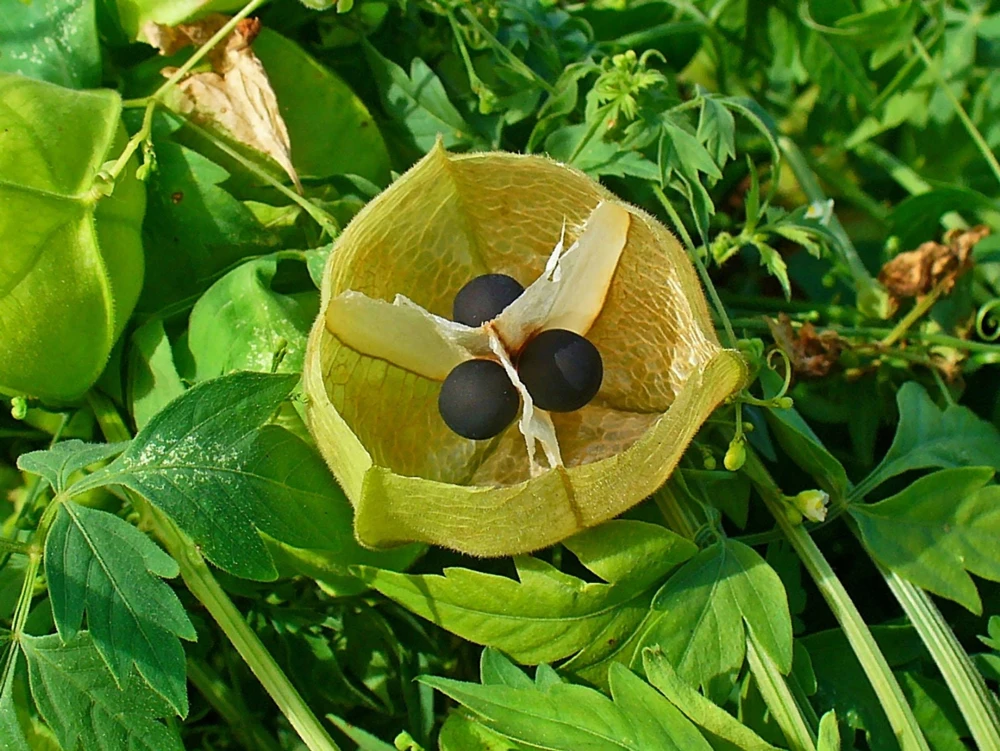
Love in a Puff Seeds – Cardiospermum halicacabum – Balloon Vine – 10 Seeds
Original price was: 48.91 $.19.91 $Current price is: 19.91 $.
Cultivate the charming love in a puff seeds to grow the versatile Cardiospermum halicacabum. This vine is known for its unique balloon-like seed pods, edible parts, and role as a host plant for various butterflies. Ideal for full sun gardens and adaptable as an annual or tender perennial.
Estimated arrival
Nov 27
Dec 02 - Dec 04
Dec 04 - Dec 09
See our Shipping Policy.
Get in touch with us via email, and our team will review your concerns.
Our Alive & Thrive Guarantee covers issues with your plants within the first 30 days. Read our Refund & Returns Policy.
-
USDA Hardiness Zone
USDA zones 8 to 11 (tender perennial), otherwise annual -
Soil Type
Well-draining, rich in organic matter -
Sunlight Exposure
Full sun -
Expected Planting Period
Spring to early summer
Overview
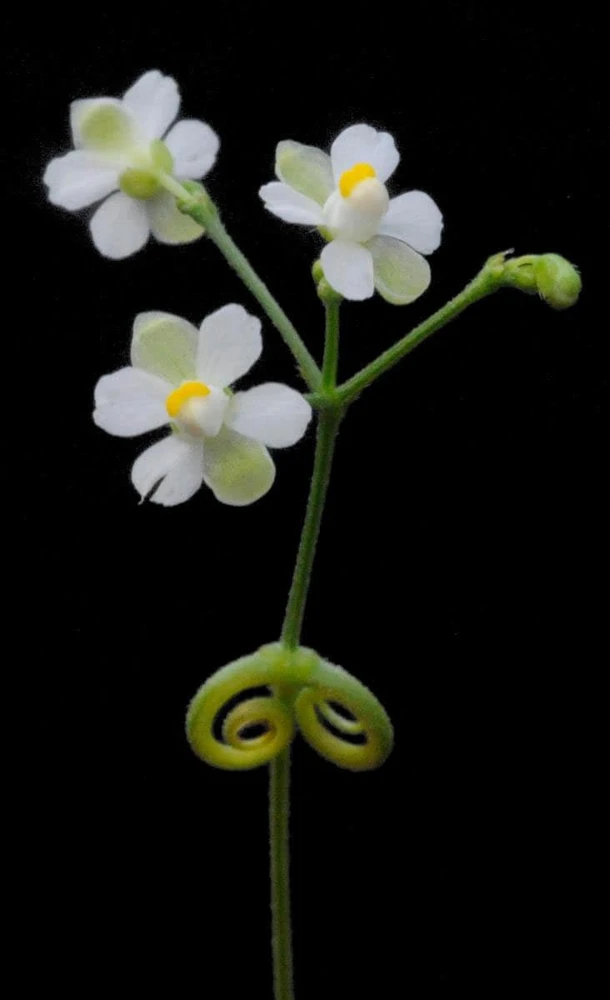
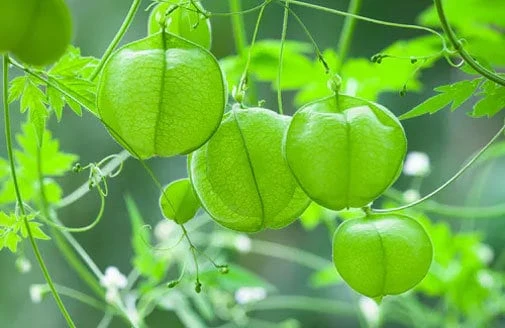
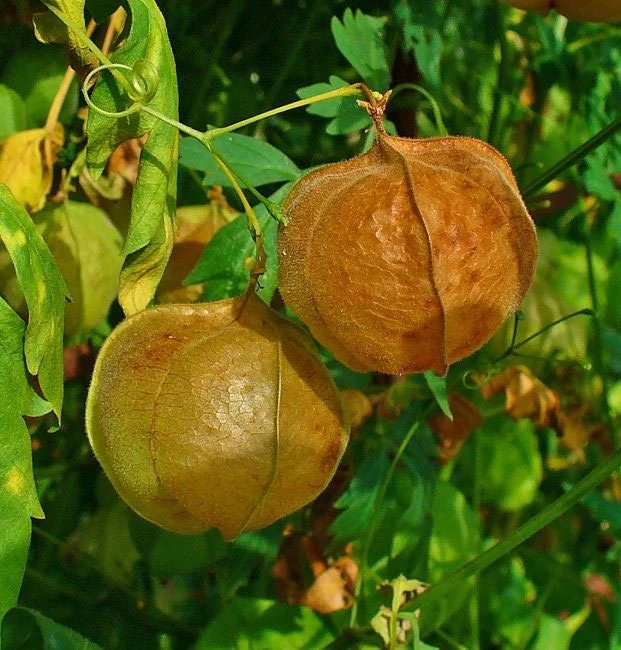
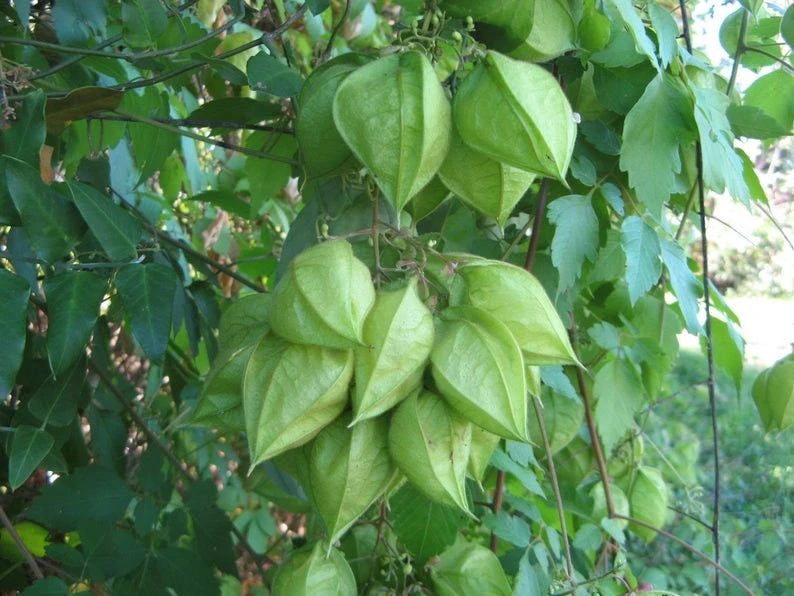
Embark on a rewarding gardening journey with these love in a puff seeds, scientifically known as Cardiospermum halicacabum. Also affectionately called Balloon Vine or Heartseed, this vigorous climber is a true garden multi-tasker. Originating from tropical regions, it’s celebrated for its distinctive inflated, papery seed pods that resemble tiny balloons, each containing seeds marked with a perfect heart. This plant is not only a delightful ornamental addition to any garden, trellises, or arbors but also offers edible young shoots and leaves. Growing from these cardiospermum halicacabum seeds promises a unique visual appeal and an ecological benefit, attracting a variety of beneficial insects and butterflies. Whether you’re an experienced gardener or a curious beginner, cultivating this vine offers a fascinating and beautiful experience.
The Love in a Puff vine is known for its rapid growth and delicate white blossoms that appear from mid-summer through mid-fall, providing continuous interest in the garden. Its adaptability allows it to be grown as an annual in cooler climates or as a tender perennial in warmer zones. The ease of growing balloon vine seeds makes them a popular choice for those looking to add an exotic touch to their landscape without extensive effort. Beyond its aesthetic charm, the plant is a vital resource for local ecosystems, serving as a larval host for several butterfly species, making it an excellent choice for a pollinator or butterfly garden.
Key Benefits
Growing the Love in a Puff vine from seed offers a multitude of benefits, from its unique appearance to its ecological contributions and culinary uses. This plant is a fantastic addition to any garden for several reasons:
- Unique Ornamental Appeal: The distinctive balloon-like seed pods and delicate white flowers provide continuous visual interest throughout the growing season. These fascinating pods are a conversation starter and add an exotic touch to your garden.
- Edible & Nutritious: The young shoots, leaves, stems, and even the seeds and fruits of Cardiospermum halicacabum are edible. They can be boiled and consumed as a vegetable, offering a unique culinary experience right from your garden.
- Butterfly Host Plant: This vine is a crucial larval host for several butterfly species, including the Miami Blue and Amethyst Hairstreak. Planting heartseed vine seeds directly contributes to local biodiversity and supports butterfly populations.
- Vigorous Growth: Love in a Puff is a fast-growing vine, quickly covering trellises, fences, or arbors, providing shade and beauty in a short period. It can reach heights of up to 12 feet, creating lush green backdrops.
- Drought Tolerant: Once established, this vine is relatively drought-tolerant, making it a sustainable choice for various climates and reducing the need for frequent watering.
- Adaptable & Resilient: Can be grown as an annual in most regions or as a tender perennial in USDA Hardiness Zones 8 to 11, showcasing its versatility across different gardening environments.
- Low Maintenance: Requires minimal care once established, primarily needing full sun and occasional watering, making it suitable for busy gardeners.
Plant Care & Growing Tips
Cultivating love in a puff seeds is generally straightforward, making it an excellent choice for gardeners of all experience levels. This vigorous vine thrives with proper care, ensuring a bountiful display of its unique balloons and beautiful foliage. To start, sow the seeds directly into the garden after the last frost, or indoors 4-6 weeks before the last frost. Lightly scarify the seeds (gently scratch the outer coating) and soak them in warm water for 24 hours prior to planting to encourage faster germination. Plant seeds about 1/2 inch deep and 6-12 inches apart. Germination typically occurs within 7-14 days under optimal conditions.
The Love in a Puff vine prefers a location with full sun, meaning at least 6-8 hours of direct sunlight per day. While it can tolerate some partial shade, abundant sunshine promotes the best flowering and pod production. It thrives in well-draining soil that is rich in organic matter. A neutral to slightly acidic pH is ideal. Water regularly to keep the soil consistently moist, especially during dry spells and when the plant is establishing. However, avoid waterlogging, as this can lead to root rot. Once established, the vine becomes more drought-tolerant. Fertilize sparingly; a balanced, all-purpose fertilizer can be applied once or twice during the growing season, particularly if the soil is poor. Providing a trellis, fence, or other support structure is crucial as this vine is a natural climber and can reach considerable heights, showcasing its beautiful blooms and distinctive seed pods.
Pruning can be done to manage its size and shape, especially if grown as an annual. Deadheading spent flowers is not necessary but can encourage more blooms. For those in colder climates, remember that Cardiospermum halicacabum is a tender perennial and will likely grow as an annual, dying back with the first hard frost. In warmer zones (USDA 8-11), it may overwinter and return in spring. Monitoring for common pests like aphids or spider mites is always a good practice, though this plant is generally quite resilient. Growing these butterfly host plant seeds provides not only an attractive garden feature but also a valuable habitat for local wildlife.
Size & Details
These love in a puff seeds will germinate to produce a vigorous climbing vine that can reach impressive heights, typically growing up to 12 feet tall under optimal conditions. Its spread can be considerable, making it ideal for covering large trellises, arbors, or fences. The plant will produce delicate white blossoms from the middle of summer until the middle of fall, followed by its iconic balloon-like seed pods. Each packet contains 10 seeds, providing a good starting quantity for your garden project. The vine’s growth rate is rapid, often showing significant progress within a few weeks of germination. It is adaptable to various soil types, provided they are well-draining, and thrives in full sun exposure. This vine is perfect for adding vertical interest and a touch of whimsy to your outdoor spaces, and its unique seed pods are a seasonal highlight. The young shoots and leaves are edible, adding a practical dimension to its ornamental value.
Frequently Asked Questions
- Q: How many Love in a Puff seeds are included in this packet? A: Each packet contains 10 seeds of Cardiospermum halicacabum, providing a good quantity to start your garden.
- Q: Is Love in a Puff an indoor or outdoor plant? A: While it can be started indoors, love in a puff seeds are primarily grown to produce outdoor vines. It thrives in full sun conditions outdoors and is best suited for trellises, fences, or as a groundcover.
- Q: How much sunlight does the Balloon Vine need? A: The Balloon Vine prefers and performs best in full sun, requiring at least 6-8 hours of direct sunlight daily to produce abundant flowers and seed pods.
- Q: What condition will the seeds arrive in? A: The cardiospermum halicacabum seeds will arrive dry and ready for planting. We recommend scarifying and soaking them prior to planting for best germination rates.
- Q: Is this plant easy to care for? A: Yes, the Love in a Puff vine is considered relatively easy to care for. Once established, it is quite resilient and requires minimal maintenance, making it suitable for gardeners of all levels.
- Q: When is the best time to plant Love in a Puff seeds? A: The best time to plant love in a puff seeds is after the last frost in spring, once soil temperatures have warmed. For an earlier start, you can sow them indoors 4-6 weeks before the last expected frost.
- Q: Will the Heartseed vine survive winter in my zone? A: The Heartseed vine is a tender perennial, meaning it will act as an annual in colder climates (dying back in winter). In USDA Hardiness Zones 8 to 11, it may overwinter and return in the spring.
- Q: Can I eat parts of the Love in a Puff plant? A: Yes, the young shoots, leaves, stems, fruits, and seeds of the Love in a Puff vine are all edible. They can be boiled and eaten as a vegetable, offering a unique addition to your diet.
- Q: What kind of soil does the Balloon Vine prefer? A: The Balloon Vine thrives in well-draining soil that is rich in organic matter. It is adaptable to various soil types but prefers a neutral to slightly acidic pH.
- Q: Why is it called a butterfly host plant? A: It’s called a butterfly host plant because certain butterfly species, such as the Miami Blue and Amethyst Hairstreak, lay their eggs on the foliage, and the caterpillars feed on the leaves before pupating.
Be the first to review “Love in a Puff Seeds – Cardiospermum halicacabum – Balloon Vine – 10 Seeds”
Related products


Seeds
Sword Fern Seeds – 1500 Polystichum Munitum Spores – Evergreen Foliage, Deer Resistant, Zones 4-9




You May Like

How to Grow Passion Flower (Passiflora) for Tropical Blooms
Few climbing vines in the home garden command attention quite like the exotic Passion Flower (Passiflora). [...]
Nov

Thanksgiving Cactus Care: How to Get Thanksgiving Cactus to Bloom
Is your Thanksgiving cactus growing well but not giving you any flowers? Maybe it looked [...]
Nov

How to Grow Garlic for a Bountiful Home Harvest
Garlic (Allium sativum) is one of the most satisfying, low-maintenance, and flavor-packed crops you can [...]
Oct

Hardneck vs. Softneck Garlic: Which Should You Grow?
Have you ever stood in front of a seed catalog in mid-September, staring at dozens [...]
1 Comment
Oct

When to Plant Music Garlic: Ultimate US Fall Guide
Have you ever spent your fall weekend placing carefully chosen garlic cloves into rich, dark [...]
1 Comment
Oct

5 Best Bulbs for Fall Planting: Brighten Your Garden This Spring
Are you dreaming of a garden full of vibrant colors in the spring? The key [...]
Aug

10 Houseplants That Will Thrive in Your Kitchen
Are you tired of your kitchen feeling dull and lifeless? Want to add a little [...]
1 Comment
Aug
Reviews
There are no reviews yet.