
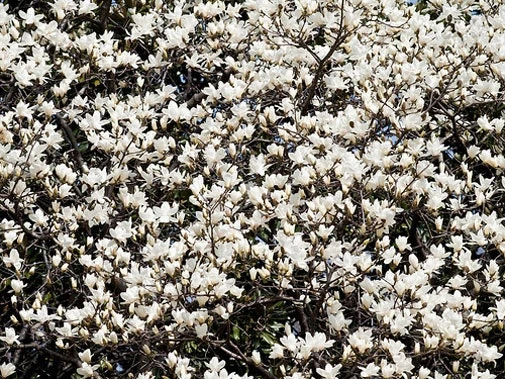
Magnolia denudata Lily Tree Seeds – 5 Seeds – Outdoor Flowering Tree
Original price was: 44.91 $.15.91 $Current price is: 15.91 $.
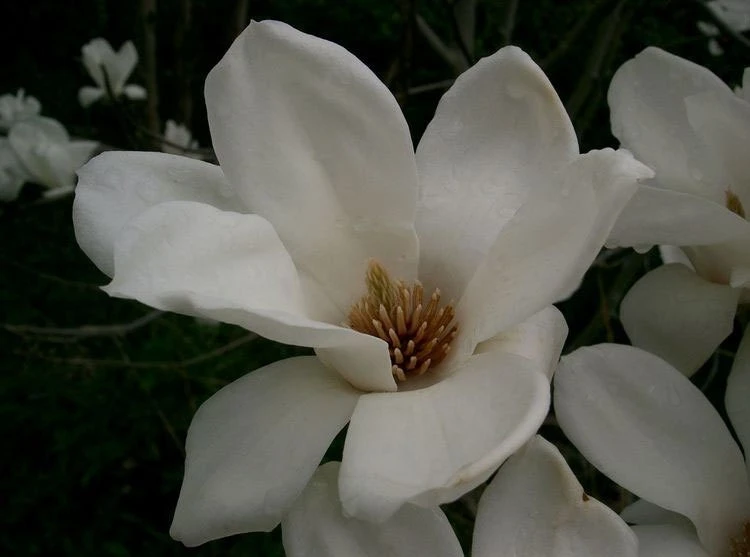
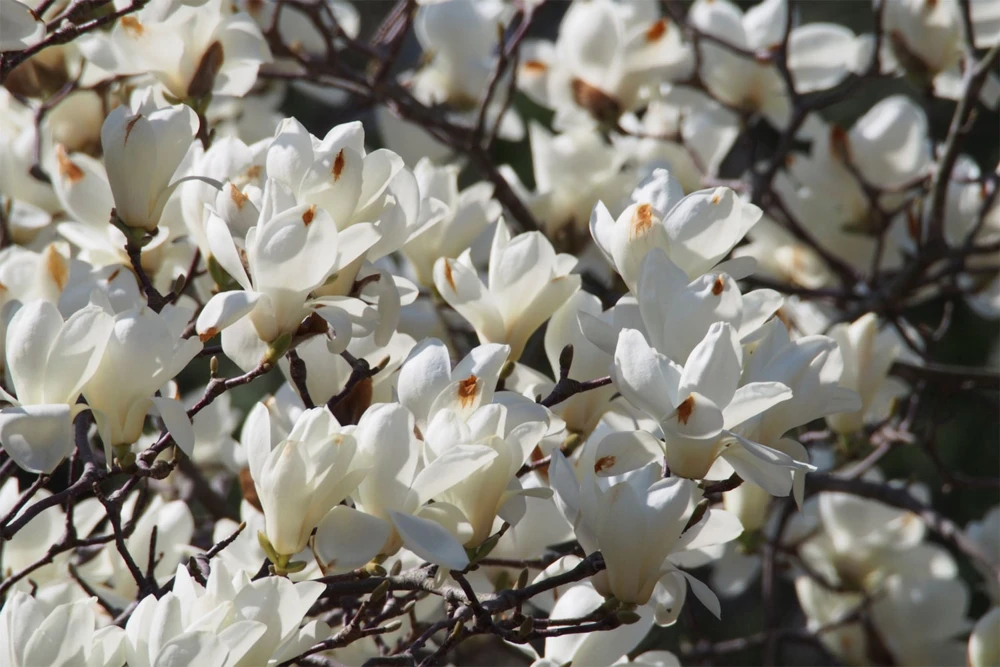
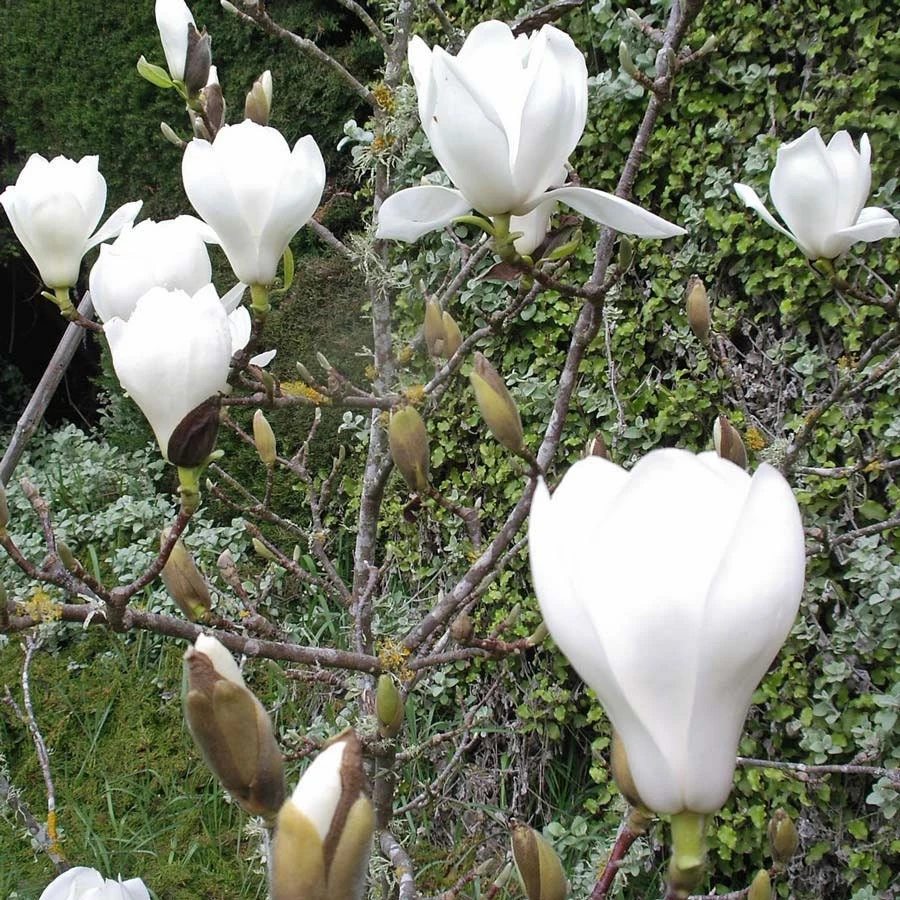
Cultivate the exquisite magnolia denudata seeds, also known as lily tree seeds or Yulan Magnolia. These slender magnolia seeds will grow into a beautiful tree featuring stunning white, fragrant blossoms that attract pollinators. Perfect for adding elegance to your garden landscape.
Estimated arrival
Nov 26
Dec 01 - Dec 03
Dec 03 - Dec 08
See our Shipping Policy.
Get in touch with us via email, and our team will review your concerns.
Our Alive & Thrive Guarantee covers issues with your plants within the first 30 days. Read our Refund & Returns Policy.
-
USDA Hardiness Zone
5 to 8 -
Soil Type
Rich, well-draining, slightly acidic soil -
Sunlight Exposure
Full sun to partial shade -
Expected Planting Period
Early spring (after stratification)
Overview
Embark on a rewarding gardening journey with our premium magnolia denudata seeds. Also known as Yulan Magnolia, Slender Magnolia, Lily Tree, or Tulip Tree, this magnificent plant is revered for its breathtaking display of white, fragrant blossoms. Originating from China, the Magnolia denudata is a deciduous tree that heralds the arrival of spring with its spectacular flowers, often appearing before the leaves emerge. Growing your own Yulan Magnolia from seed allows you to witness its full life cycle and enjoy the satisfaction of nurturing a plant from its very beginning. These seeds offer a unique opportunity to cultivate a truly iconic flowering tree known for its elegance and captivating beauty. Ideal for gardeners seeking to add a touch of classic charm and a delightful aroma to their outdoor spaces, these magnolia denudata seeds promise a stunning addition to any landscape.
The Lily Tree is a cherished specimen in many gardens across the United States, celebrated for its robust nature and dazzling floral show. Its early bloom period provides a much-needed splash of color and fragrance during late winter and early spring, making it a standout feature when other plants are still dormant. Whether you’re an experienced horticulturist or a budding gardener, growing magnolia denudata seeds is an enriching experience that results in a majestic tree. The delicate, cup-shaped flowers are not only visually appealing but also emit a sweet perfume that can fill your garden with an enchanting scent, inviting a variety of beneficial insects and birds.
Key Benefits
Bringing the Yulan Magnolia into your garden offers a multitude of benefits, from its aesthetic appeal to its ecological contributions. These magnolia denudata seeds provide a pathway to cultivating a truly exceptional landscape feature.
- Stunning Early Spring Blooms: Enjoy a spectacular display of large, pristine white, fragrant flowers from late winter to early spring, often before the leaves appear, providing early seasonal interest.
- Attracts Pollinators: The sweet fragrance and abundant nectar of the blossoms make them highly attractive to essential pollinators like bees, butterflies, and even some birds, promoting a healthy garden ecosystem.
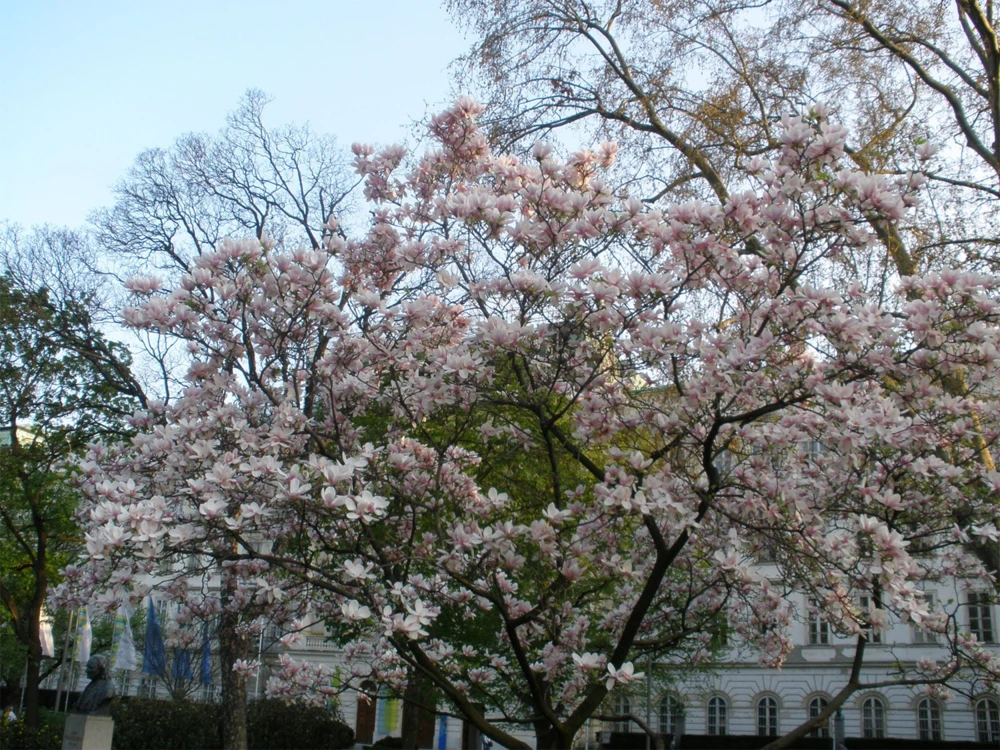
- Elegant Landscape Specimen: The Lily Tree grows into a graceful, medium-sized tree with an attractive form, making it an ideal focal point or background planting in various garden designs.
- Culinary and Traditional Uses: The young leaves of the Yulan Magnolia can be used as a flavoring in various dishes, adding a unique and subtle taste (always ensure proper identification before consumption).
- Relatively Low Maintenance: Once established, this tree is quite resilient and requires minimal care, making it suitable for gardeners looking for long-term beauty without constant attention.
- Good for USDA Zones 5-8: Thrives in a wide range of climates within these hardiness zones, ensuring successful growth for many gardeners across the US.
- Unique Growing Experience: Cultivating magnolia denudata seeds from scratch offers a deeply satisfying and educational experience, allowing you to nurture a beautiful tree from its very beginning.
Plant Care & Growing Tips
Successful cultivation of your magnolia denudata seeds into a thriving Lily Tree requires attention to specific environmental conditions and care practices. This beautiful tree prefers a location that receives full sun to partial shade. Full sun encourages the most prolific blooming, but some afternoon shade can be beneficial in hotter climates to prevent leaf scorch. Ensure the planting site offers good air circulation but is also protected from strong winds, which can damage the delicate early blooms.
When it comes to soil, the Yulan Magnolia thrives in rich, well-draining, slightly acidic soil. Amend heavy clay soils with organic matter like compost or peat moss to improve drainage and fertility. For sandy soils, adding organic matter will help retain moisture and nutrients. Consistent moisture is crucial, especially during the tree’s establishment phase and dry periods. Water deeply and regularly, ensuring the soil remains moist but not waterlogged. Overwatering can lead to root rot, so good drainage is paramount. Fertilize in early spring with a balanced, slow-release fertilizer formulated for acid-loving plants. Avoid fertilizing too late in the season, as this can encourage new growth that is vulnerable to winter damage. Pruning is generally minimal, focusing on removing dead, damaged, or crossing branches after flowering. Proper care will help your tulip tree seeds develop into a robust and beautiful specimen.
The slender magnolia seeds are hardy in USDA Zones 5 to 8. This means they can withstand winter temperatures down to -20°F (-29°C). In colder parts of its range, providing a layer of mulch around the base of the tree can help insulate the roots during winter. Protect young trees from severe frost if unusually cold temperatures are expected. Pests and diseases are generally not a major issue for Magnolia denudata, but keep an eye out for common garden pests like aphids or scale, and treat as necessary with appropriate organic or chemical controls. Ensuring good cultural practices, such as proper watering and air circulation, will help prevent most problems. With careful attention to these guidelines, your yulan magnolia seeds will flourish, providing years of stunning beauty.
Size & Details
These magnolia denudata seeds will grow into a magnificent deciduous tree, typically reaching a mature height of 20 to 30 feet (6 to 9 meters) with a spread of 15 to 25 feet (4.5 to 7.5 meters). Its growth habit is often upright and rounded, forming an attractive silhouette in the landscape. The tree exhibits a moderate growth rate, gradually developing its impressive size and structure over several years. You will receive 5 lily tree seeds, providing an excellent start to cultivating multiple specimens or ensuring successful germination. The stunning white flowers, which are cup-shaped and can be up to 6 inches across, emerge on bare branches in late winter to early spring, offering a dramatic seasonal display. The broad, dark green leaves follow the bloom, providing lush foliage throughout the summer. These seeds are ready for planting in their optimal growing conditions, offering the promise of a beautiful, fragrant flowering tree for your garden.
Frequently Asked Questions
- Q: How big does this plant get? A: The magnolia denudata seeds will grow into a tree typically reaching 20-30 feet tall with a spread of 15-25 feet at maturity. It has a moderate growth rate, developing its full size over many years.
- Q: Is this an indoor or outdoor plant? A: The Lily Tree is an outdoor plant, best suited for gardens and landscapes where it can receive adequate sunlight and develop its full size and beauty. It is hardy in USDA Zones 5-8.
- Q: How much sunlight does it need? A: This tree prefers a location with full sun to partial shade. Full sun generally promotes the best flowering, while partial shade can be beneficial in regions with intense afternoon heat.
- Q: Is this plant easy to care for? A: Once established, Magnolia denudata is relatively low-maintenance. It requires consistent moisture, well-draining soil, and minimal pruning, making it a good choice for various gardening skill levels.
- Q: What condition will the 5 lily tree seeds arrive in? A: The 5 lily tree seeds will arrive carefully packaged to ensure their viability and protection during transit, ready for stratification and planting.
- Q: How long until it blooms? A: While growing from magnolia denudata seeds can take several years for the first blooms to appear (typically 5-10 years), the rewarding wait culminates in a spectacular floral display.
- Q: When is the best time to plant these slender magnolia seeds? A: After proper stratification, the ideal time to plant your slender magnolia seeds is in early spring, allowing them to establish roots before the heat of summer.
- Q: Will it survive winter in my zone? A: Magnolia denudata is hardy in USDA Zones 5 to 8, meaning it can tolerate winter temperatures down to -20°F (-29°C). If you are within these zones, it should survive winter successfully.
- Q: Can the leaves be used for flavoring? A: Yes, the young leaves of the Yulan Magnolia (tulip tree seeds) can be used as a flavoring in food. Always ensure proper identification and consume in moderation.
- Q: What type of soil does the Yulan Magnolia prefer? A: This tree thrives in rich, well-draining, slightly acidic soil. Amending with organic matter is beneficial for both clay and sandy soil types to improve structure and fertility for your yulan magnolia seeds.
Be the first to review “Magnolia denudata Lily Tree Seeds – 5 Seeds – Outdoor Flowering Tree”
Related products


Tree Seeds
Canino Olive Tree Seeds – 10 Pack Olea Europaea Canino for Edible Olives, Full Sun, Zones 9-11


You May Like

How to Grow Passion Flower (Passiflora) for Tropical Blooms
Few climbing vines in the home garden command attention quite like the exotic Passion Flower (Passiflora). [...]
Nov

Thanksgiving Cactus Care: How to Get Thanksgiving Cactus to Bloom
Is your Thanksgiving cactus growing well but not giving you any flowers? Maybe it looked [...]
Nov

How to Grow Garlic for a Bountiful Home Harvest
Garlic (Allium sativum) is one of the most satisfying, low-maintenance, and flavor-packed crops you can [...]
Oct

Hardneck vs. Softneck Garlic: Which Should You Grow?
Have you ever stood in front of a seed catalog in mid-September, staring at dozens [...]
1 Comment
Oct

When to Plant Music Garlic: Ultimate US Fall Guide
Have you ever spent your fall weekend placing carefully chosen garlic cloves into rich, dark [...]
1 Comment
Oct

5 Best Bulbs for Fall Planting: Brighten Your Garden This Spring
Are you dreaming of a garden full of vibrant colors in the spring? The key [...]
Aug

10 Houseplants That Will Thrive in Your Kitchen
Are you tired of your kitchen feeling dull and lifeless? Want to add a little [...]
1 Comment
Aug
Reviews
There are no reviews yet.