
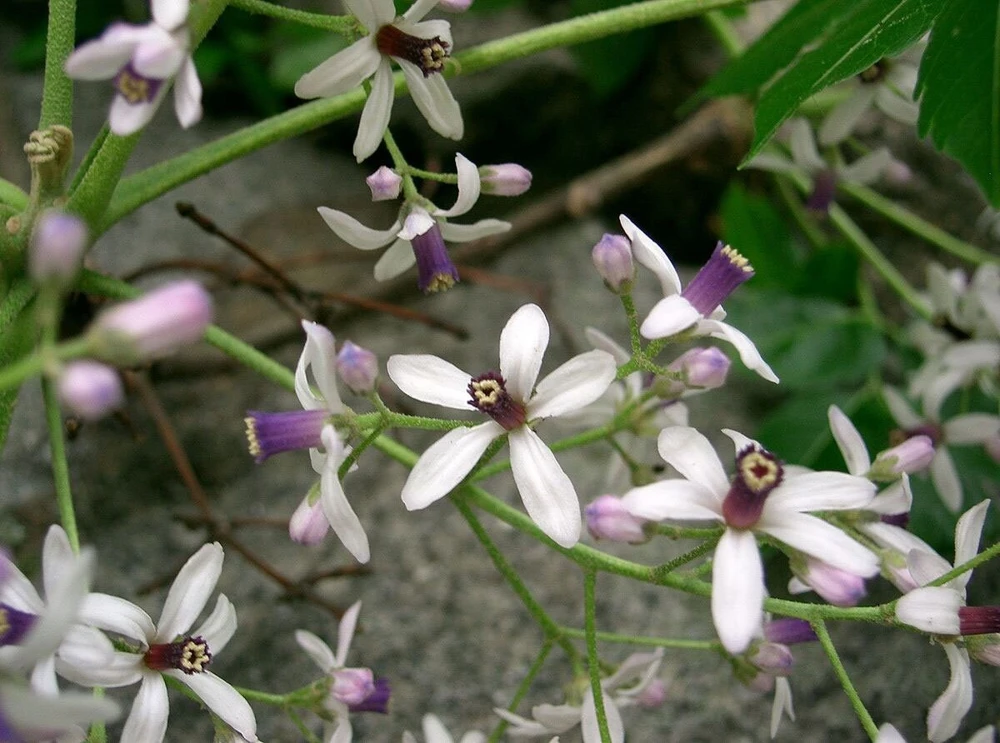
Melia Azedarach Seeds – Chinaberry Tree Seeds | 5 Seeds | Fragrant Blossoms
Original price was: 40.91 $.11.91 $Current price is: 11.91 $.
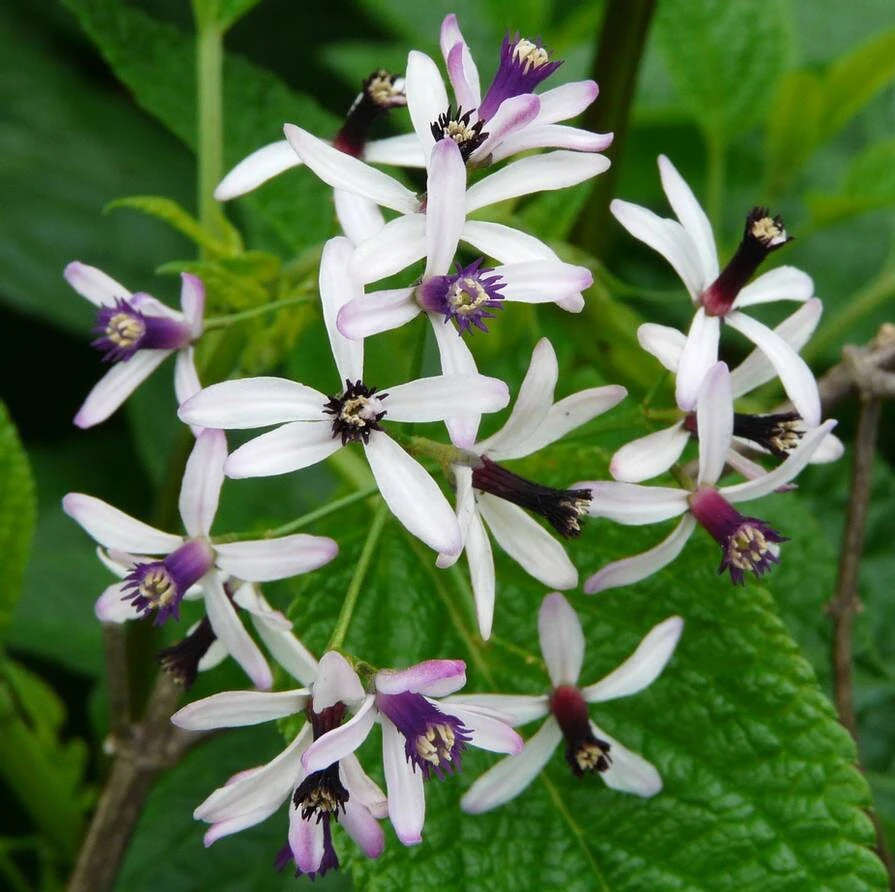
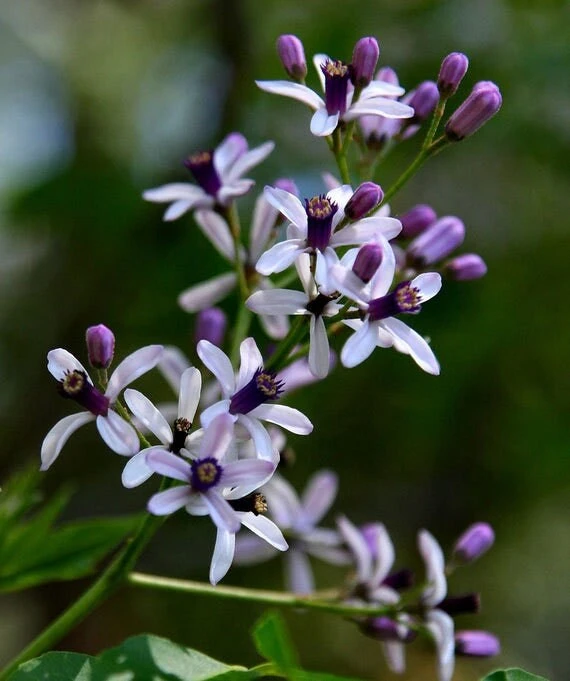
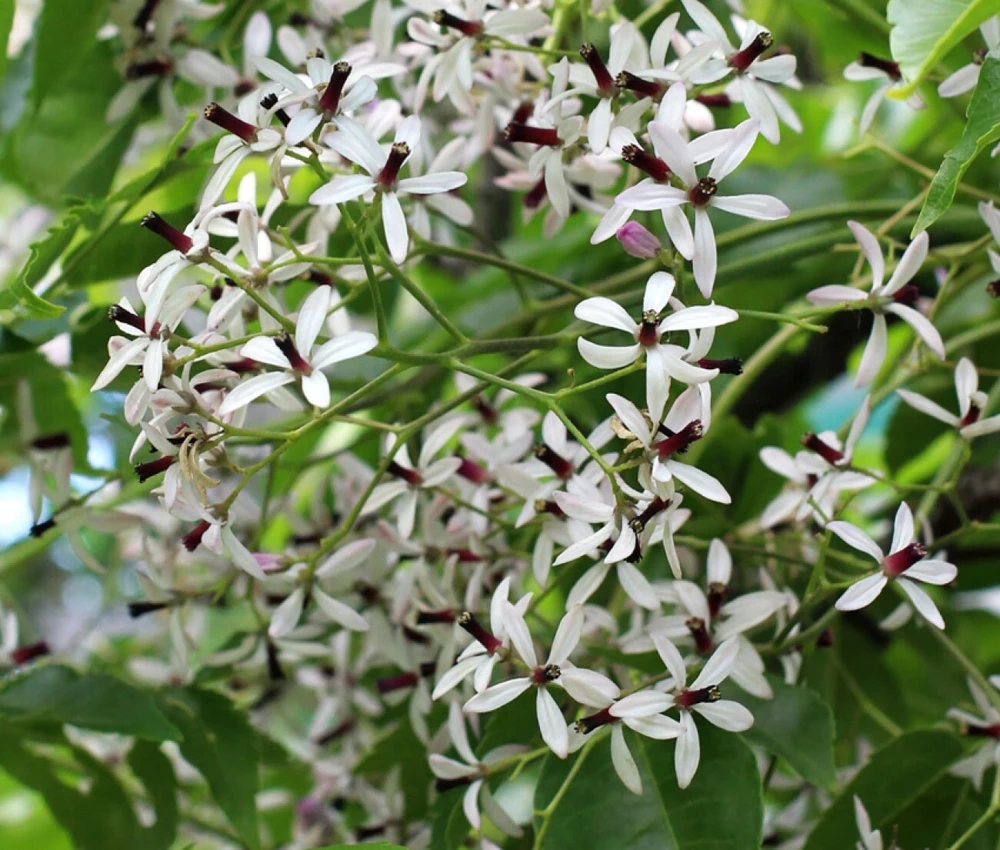
Discover the beauty of the Melia Azedarach seeds, also known as Chinaberry tree seeds or Bead Tree. These seeds grow into a fast-growing tree with amazingly fragrant lavender, pink-purple, and white blossoms, perfect for adding visual and aromatic appeal to your garden. Attracts pollinators like hummingbirds and thrives in full sun.
Estimated arrival
Nov 26
Dec 01 - Dec 03
Dec 03 - Dec 08
See our Shipping Policy.
Get in touch with us via email, and our team will review your concerns.
Our Alive & Thrive Guarantee covers issues with your plants within the first 30 days. Read our Refund & Returns Policy.
-
USDA Hardiness Zone
7b to 11 -
Soil Type
Well-draining loam -
Sunlight Exposure
Full sun -
Expected Planting Period
Spring to early summer
Overview
Embark on a rewarding gardening journey with Melia Azedarach seeds, the perfect choice for cultivating a stunning and versatile tree in your landscape. Also widely recognized as the Bead Tree, Chinaberry, Cape Lilac, Indian Lilac, Persian Lilac, and Syringa Berrytree, this species offers a unique blend of aesthetic appeal and practical benefits. These high-quality seeds promise to grow into a robust tree that can reach over 40 feet in height when planted directly in the ground, though it can also be successfully grown in containers for a more manageable size. Its remarkable fragrant blossoms, appearing in shades of lavender, pink-purple, and white, are a true spectacle from mid-spring to early summer, filling your garden with a delightful aroma and vibrant color. The Melia Azedarach seeds are an excellent starting point for any gardener looking to add a fast-growing, pollinator-friendly tree to their outdoor space.
Cultivating a Chinaberry tree seeds from scratch allows you to nurture a plant that is not only beautiful but also holds historical and ecological significance. The tree’s wood is prized for its high quality timber, and its fast-growing nature also makes it a sustainable source of fuel. Beyond its timber and fuel uses, the leaves and fruit of the Melia Azedarach are known for their insect-repellent properties, offering a natural solution to common garden pests. Historically, the seeds were even used to create rosaries before the advent of plastic beads. This species is a magnet for pollinators, with hummingbirds such as the sapphire-spangled emerald, glittering-bellied emerald, and planalto hermit frequently visiting its nectar-rich flowers. Starting with Bead Tree seeds ensures you’re growing a plant with deep roots in both natural beauty and utility.
Key Benefits
Growing Melia Azedarach seeds offers a multitude of benefits for both your garden and the local ecosystem. This versatile tree provides stunning visual appeal, attracts beneficial wildlife, and offers practical uses, making it a valuable addition to any landscape. The unique characteristics of the Chinaberry tree contribute to a vibrant and healthy outdoor environment.
- Spectacular Fragrant Blooms: Enjoy an abundance of amazingly fragrant lavender, pink-purple, and white blossoms from mid-spring to early summer. These beautiful flowers not only enhance the aesthetic appeal of your garden but also release a delightful aroma that can be enjoyed throughout the season. The visual and olfactory experience provided by the Melia Azedarach seeds is truly unmatched.
- Attracts Pollinators: The nectar-rich flowers are a favorite among various hummingbirds, including the sapphire-spangled emerald, glittering-bellied emerald, and planalto hermit. Planting these trees helps support local biodiversity and contributes to a thriving ecosystem, making them an excellent choice for wildlife gardens.
- Fast-Growing Tree: Known for its rapid growth, the Melia Azedarach quickly establishes itself, providing shade and structure to your garden in a relatively short period. This makes it an ideal choice if you’re looking for quick results in your landscaping efforts.
- Versatile Growth Options: While it can reach over 40 feet in the ground, this tree can also be successfully grown in containers, allowing you to control its size and placement. This flexibility makes Chinaberry tree seeds suitable for various garden sizes and styles.
- Natural Insect Repellent: The leaves and fruit of the tree are often used as a natural insect repellent, offering an eco-friendly way to deter pests from your garden and home. This beneficial property adds another layer of utility to the beautiful tree grown from Persian Lilac seeds.
- Durable Timber Source: The wood of the Melia Azedarach is known for its high quality and is used to produce valuable timber, showcasing the tree’s practical applications beyond its ornamental value.
- Historical Significance: The seeds were historically used to make rosaries, adding a touch of cultural and historical interest to your garden.
Plant Care & Growing Tips
Successfully growing Melia Azedarach seeds into a thriving tree requires attention to specific environmental conditions and care practices. This resilient species is relatively easy to care for once established, but providing the right start is crucial. Ensure your chosen planting site meets the tree’s light and soil preferences to encourage vigorous growth and abundant blooms.
For optimal growth, the Melia Azedarach thrives in full sun exposure, meaning it needs at least six hours of direct sunlight per day. When selecting a location for your Chinaberry tree seeds, consider an area that receives ample sunlight throughout the day to maximize its growth potential and flowering. While it can tolerate some partial shade, full sun will yield the best results. As for watering, this tree prefers well-draining soil and is relatively drought-tolerant once established. During its initial growth phase, consistent moisture is important; water regularly to keep the soil evenly moist but not waterlogged. Reduce watering frequency as the tree matures, allowing the soil to dry out between waterings. Overwatering can lead to root rot, so proper drainage is key.
The ideal soil type for Bead Tree seeds is a well-draining loam, though it can adapt to a variety of soil conditions, including sandy or clay soils, as long as drainage is adequate. Amend heavy clay soils with organic matter to improve drainage and aeration. The USDA Hardiness Zones for this tree range from 7b to 11, indicating its preference for warmer climates. In these zones, it can withstand winter temperatures without significant damage. Fertilization is generally not heavily required for established trees, but young plants can benefit from a balanced, slow-release fertilizer in the spring to encourage healthy growth. Common problems include occasional pest infestations, which can often be managed with natural insect repellents derived from the tree itself, or other organic pest control methods. Providing proper care for your fragrant tree seeds will ensure a beautiful and healthy addition to your garden.
Size & Details
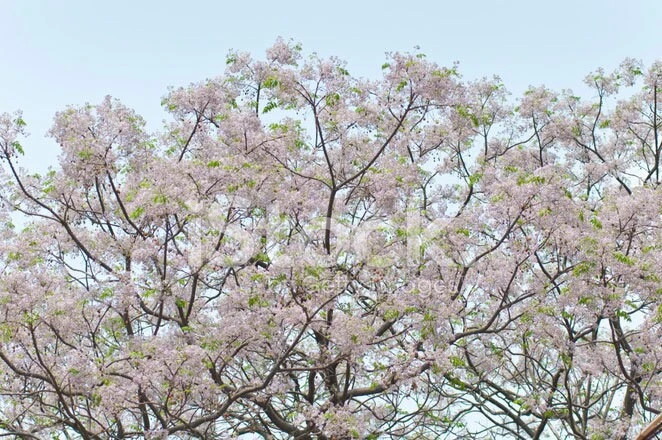
These Melia Azedarach seeds offer the opportunity to grow a tree that can reach impressive heights and provide significant landscape impact. When planted directly in the ground, the Melia Azedarach, also known as Chinaberry or Bead Tree, can grow over 40 feet high, developing a broad canopy that offers ample shade and visual interest. However, for those with limited space or a desire for a smaller specimen, it can be successfully grown in a large container, where its size will be naturally restricted by the pot, typically reaching heights of 10-20 feet depending on container size and pruning. The tree exhibits a fast growth rate, quickly establishing itself and adding structure to your garden.
Each packet contains 5 seeds, providing a good starting quantity for germination and cultivation. These seeds will arrive ready for planting, allowing you to begin your growing project without delay. The expected time to maturity for flowering is typically within 3-5 years from germination, with the tree producing its characteristic fragrant lavender, pink-purple, and white blossoms in mid-spring to early summer. While specific dimensions like width can vary based on growing conditions and pruning practices, a mature tree grown in the ground can spread significantly. These Persian Lilac seeds are an excellent choice for a long-term gardening endeavor, promising a beautiful and resilient tree.
Frequently Asked Questions
- Q: How big does a Melia Azedarach tree get? A: When planted in the ground, a Melia Azedarach seeds grown tree can reach over 40 feet in height. If grown in a container, its size will be limited, typically growing to 10-20 feet depending on the container size and pruning.
- Q: How much sunlight does the Chinaberry tree need? A: The Chinaberry tree seeds thrive in full sun, requiring at least six hours of direct sunlight per day for optimal growth and flowering. It can tolerate partial shade but will perform best in full sun.
- Q: Is this tree easy to care for? A: Yes, once established, the Melia Azedarach is relatively low-maintenance. It requires well-draining soil and consistent watering during its initial growth, becoming more drought-tolerant as it matures.
- Q: What condition will the seeds arrive in? A: The Bead Tree seeds will arrive as fresh, viable seeds, ready for planting according to the provided instructions. They are carefully packaged to ensure their quality upon arrival.
- Q: Can I grow Melia Azedarach in a container? A: Absolutely! While it can grow very large in the ground, the Melia Azedarach can be successfully grown in a container, which helps to manage its size. Ensure the container is large enough to accommodate its root system.
- Q: When is the best time to plant these seeds? A: The best time to plant fragrant tree seeds like Melia Azedarach is generally in the spring after the last frost, allowing the seedlings to establish themselves during the warmer months.
- Q: What USDA Hardiness Zones are suitable for Melia Azedarach? A: This tree is suitable for USDA Hardiness Zones 7b to 11, indicating its preference for warmer climates where it can withstand typical winter temperatures.
Be the first to review “Melia Azedarach Seeds – Chinaberry Tree Seeds | 5 Seeds | Fragrant Blossoms”
Related products




You May Like

How to Grow Passion Flower (Passiflora) for Tropical Blooms
Few climbing vines in the home garden command attention quite like the exotic Passion Flower (Passiflora). [...]
Nov

Thanksgiving Cactus Care: How to Get Thanksgiving Cactus to Bloom
Is your Thanksgiving cactus growing well but not giving you any flowers? Maybe it looked [...]
Nov

How to Grow Garlic for a Bountiful Home Harvest
Garlic (Allium sativum) is one of the most satisfying, low-maintenance, and flavor-packed crops you can [...]
Oct

Hardneck vs. Softneck Garlic: Which Should You Grow?
Have you ever stood in front of a seed catalog in mid-September, staring at dozens [...]
1 Comment
Oct

When to Plant Music Garlic: Ultimate US Fall Guide
Have you ever spent your fall weekend placing carefully chosen garlic cloves into rich, dark [...]
1 Comment
Oct

5 Best Bulbs for Fall Planting: Brighten Your Garden This Spring
Are you dreaming of a garden full of vibrant colors in the spring? The key [...]
Aug

10 Houseplants That Will Thrive in Your Kitchen
Are you tired of your kitchen feeling dull and lifeless? Want to add a little [...]
1 Comment
Aug
Reviews
There are no reviews yet.