
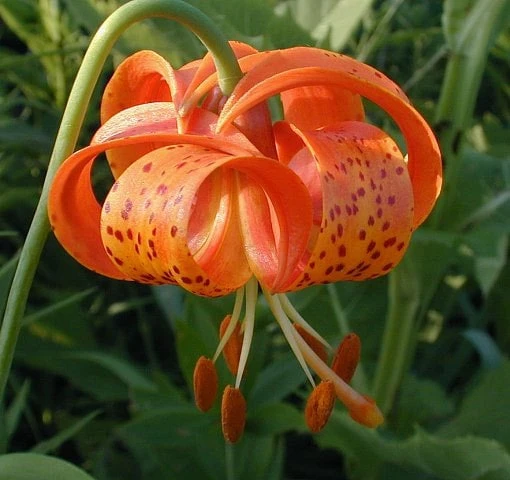
Michigan Lily Seeds – Lilium michiganense Flower Seeds 10 Count – Outdoor Plant
Original price was: 44.91 $.15.91 $Current price is: 15.91 $.
Cultivate stunning native Michigan Lily seeds (Lilium michiganense) in your garden. These Lilium michiganense seeds are ideal for attracting butterflies and hummingbirds, thriving in full sun to partial shade across USDA Zones 3-8. Perfect for garden beds or containers.
Estimated arrival
Nov 27
Dec 02 - Dec 04
Dec 04 - Dec 09
See our Shipping Policy.
Get in touch with us via email, and our team will review your concerns.
Our Alive & Thrive Guarantee covers issues with your plants within the first 30 days. Read our Refund & Returns Policy.
-
USDA Hardiness Zone
3 to 8 -
Soil Type
Well-draining, rich, loamy soil -
Sunlight Exposure
Full sun to partial shade -
Expected Planting Period
Spring to early summer
Overview
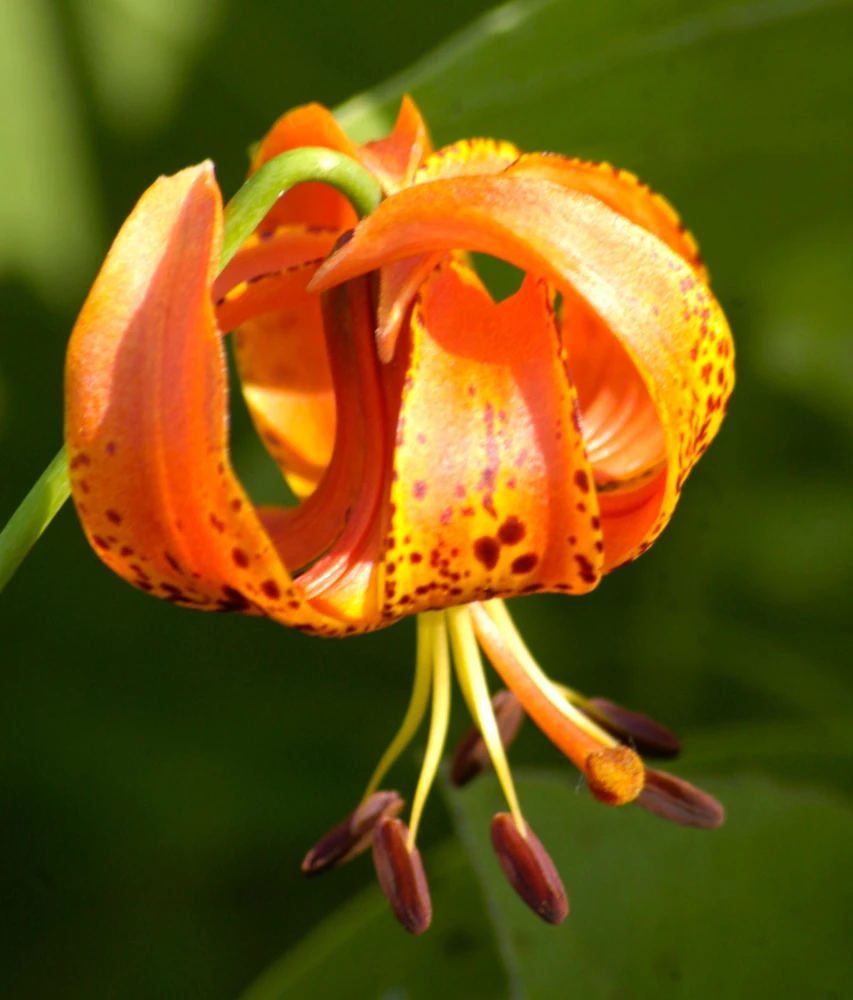
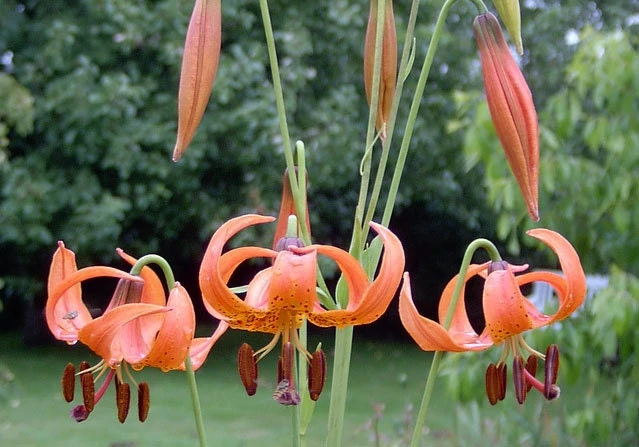
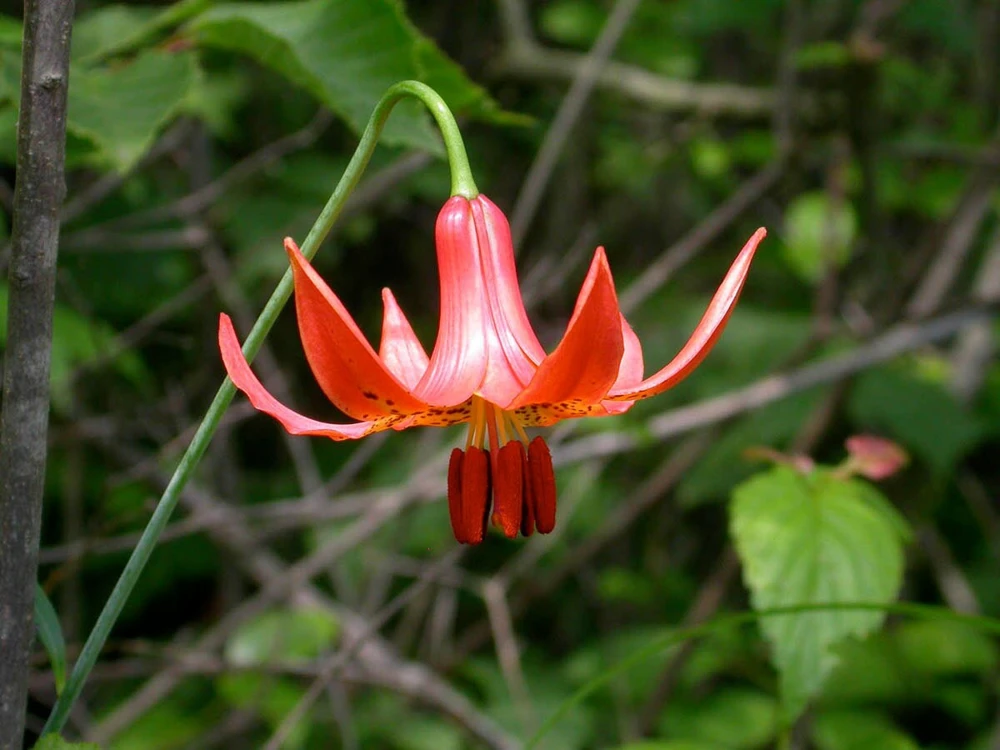
Embark on a rewarding gardening journey by planting Michigan Lily seeds. Also known by its botanical name, Lilium michiganense, this spectacular native perennial adds vibrant color and ecological value to any landscape. These easy-to-grow seeds will sprout into elegant plants featuring distinctive, reflexed orange-red flowers speckled with maroon. The Michigan Lily is a true showstopper, blooming from late spring through mid-summer, making it a focal point in your garden during its peak season. It’s not just a beautiful addition; it’s also a vital component of local ecosystems, providing nectar for various pollinators. Whether you’re an experienced gardener or just starting, growing Lilium michiganense seeds offers a unique opportunity to connect with nature and support local wildlife.
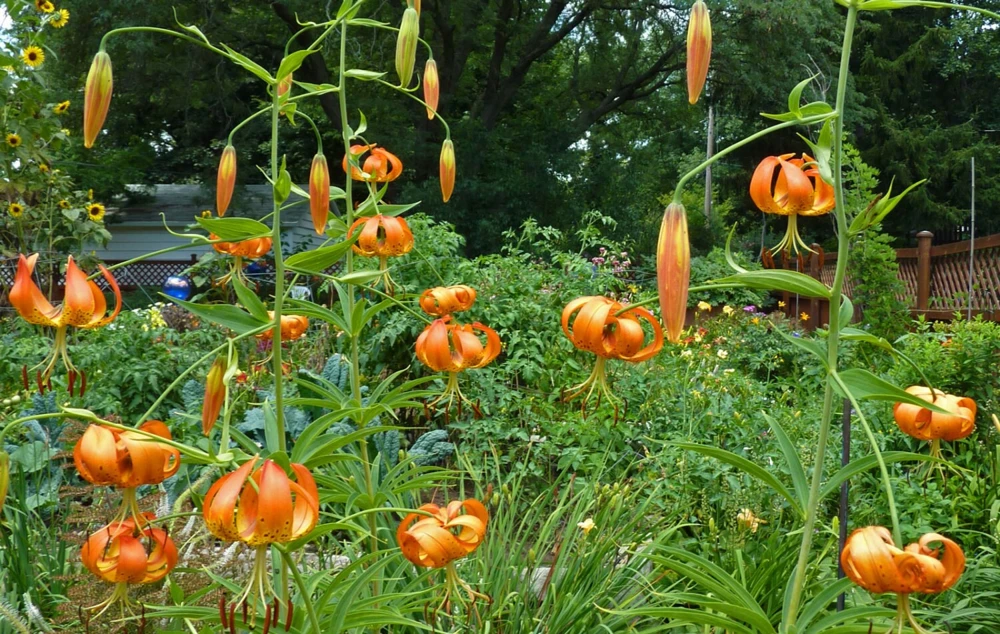
The Michigan Lily is renowned for its resilience and adaptability, making it suitable for a wide range of garden styles, from naturalized meadows to formal borders. Its upright growth habit and striking blooms create an impressive vertical element, while its ability to attract beneficial insects ensures a lively and healthy garden environment. Consider adding these remarkable seeds to your collection to enjoy the beauty and ecological benefits of this cherished North American native plant.
Key Benefits
Growing Michigan Lily seeds offers a multitude of advantages for both your garden and local wildlife. These benefits extend beyond aesthetic appeal, contributing to a healthier and more vibrant outdoor space.
- Attracts Pollinators: The vibrant flowers are a magnet for various pollinators, including bees, hummingbirds, and a wide array of butterflies. Specifically, it serves as a crucial nectar source for Pipevine Swallowtail, Spicebush Swallowtail, Great Spangled Fritillary, and Eastern Tiger Swallowtail butterflies, making it an excellent choice for a pollinator garden seeds project.
- Stunning Visual Appeal: With its distinctive orange-red, speckled blooms, the Michigan Lily provides a dramatic splash of color, enhancing the beauty of your garden from late spring to mid-summer. Its unique form stands out in any planting scheme.
- Native and Resilient: As a native plant, Lilium michiganense is well-adapted to local climates and soils, requiring less maintenance once established. It contributes to biodiversity and ecological balance.
- Versatile Growing Conditions: This lily thrives in a range of light conditions, from full sun to partial shade, offering flexibility in planting locations within your garden.
- Container Friendly: For those with limited garden space or who prefer portable plantings, the Michigan Lily can be successfully grown in containers, allowing you to enjoy its beauty on patios or balconies.
- Hardy Perennial: The Michigan Lily is a hardy perennial, reliably returning year after year. It is suitable for USDA Hardiness Zones 3 to 8, enduring cold winters and hot summers.
- Low Maintenance: Once established, these plants are relatively low-maintenance, making them a great option for gardeners seeking impactful results without constant attention.
Plant Care & Growing Tips
Cultivating Michigan Lily seeds into thriving plants requires attention to a few key growing conditions. To ensure successful germination and robust growth, begin by stratifying the seeds if necessary, which mimics natural winter conditions and encourages sprouting. Sow seeds in a well-draining seed-starting mix, lightly covering them. Keep the soil consistently moist but not waterlogged during germination.
Once seedlings are established, transplant them to their permanent location, ensuring they receive the appropriate light exposure. Michigan Lily flower thrives in full sun, which means at least six hours of direct sunlight per day, but it can also tolerate partial shade, especially in hotter climates where some afternoon protection can prevent scorching. The ideal soil for Lilium michiganense is a well-draining, rich, loamy soil with a slightly acidic to neutral pH. Avoid heavy clay soils that retain too much moisture, as this can lead to bulb rot. Regular watering is crucial during dry periods, particularly when the plant is actively growing and flowering, but allow the top inch or two of soil to dry out between waterings. During dormancy, reduce watering significantly. Fertilize sparingly with a balanced, slow-release fertilizer in early spring. These lilies are quite hardy, thriving in USDA Hardiness Zones 3 to 8, meaning they can withstand temperatures ranging from -40°F to 10°F. Protect young plants from slugs and snails, which can be common pests. Providing good air circulation also helps prevent fungal diseases.
Size & Details
These Michigan Lily seeds (Lilium michiganense) are provided in a quantity of 10 per pack, offering a great starting point for establishing this beautiful native lily in your garden. Once mature, the Michigan Lily typically grows to an impressive height of 3 to 7 feet (approximately 90 to 210 cm) with a spread of about 1 to 2 feet (30 to 60 cm), forming an upright clump. The growth rate is moderate, with plants generally establishing themselves within their first year and beginning to bloom in their second or third year from seed. The distinctive reflexed flowers, usually 2-3 inches in diameter, emerge from late spring through mid-summer, creating a long-lasting display. These seeds are ready for planting in appropriate conditions and will develop into sturdy, perennial plants that return each year. The bulbs formed by these plants are edible, though bitterness can vary by species, and this specific variety’s bitterness is unknown. Plant these seeds to enjoy the full lifecycle of this captivating native lily.
Frequently Asked Questions
- Q: How many Michigan Lily seeds are included in this pack? A: Each pack contains 10 high-quality Michigan Lily seeds, providing a good number to start your garden project and ensure successful growth.
- Q: Is the Michigan Lily an indoor or outdoor plant? A: The Michigan Lily (Lilium michiganense) is primarily an outdoor plant, best suited for garden beds, naturalized areas, or large outdoor containers where it can thrive in its preferred conditions.
- Q: How much sunlight does Lilium michiganense need? A: These plants perform best in full sun, receiving at least 6 hours of direct sunlight daily. They can also tolerate partial shade, particularly in regions with intense afternoon sun.
- Q: Is this plant easy to care for? A: Once established, the Michigan Lily is considered relatively low-maintenance. It requires consistent moisture during growth but is quite hardy and resilient, making it a good choice for various gardeners.
- Q: When is the best time to plant Michigan Lily seeds? A: The best time to plant these seeds is typically in the fall or early spring, after proper stratification. This allows them to establish roots before extreme weather conditions.
- Q: What USDA Hardiness Zones are suitable for the Michigan Lily? A: The Michigan Lily is hardy and well-suited for USDA Hardiness Zones 3 through 8, capable of withstanding a broad range of winter temperatures.
- Q: Can I grow Michigan Lily in a container? A: Yes, Michigan Lily flower can be successfully grown in large containers, provided they have good drainage and sufficient space for root development. This is a great option for patios or smaller spaces.
- Q: What kind of soil does this plant prefer? A: Lilium michiganense prefers well-draining, rich, loamy soil with a slightly acidic to neutral pH. Good drainage is crucial to prevent bulb rot.
- Q: How tall does the Michigan Lily typically grow? A: At maturity, the Michigan Lily can reach heights of 3 to 7 feet (90 to 210 cm), creating a striking vertical presence in the garden.
- Q: Will these seeds attract butterflies to my garden? A: Absolutely! The Michigan Lily is an excellent choice for a pollinator garden seeds project, specifically known for attracting various butterflies, including several swallowtail species, and hummingbirds.
Be the first to review “Michigan Lily Seeds – Lilium michiganense Flower Seeds 10 Count – Outdoor Plant”
Related products


You May Like

How to Grow Passion Flower (Passiflora) for Tropical Blooms
Few climbing vines in the home garden command attention quite like the exotic Passion Flower (Passiflora). [...]
Nov

Thanksgiving Cactus Care: How to Get Thanksgiving Cactus to Bloom
Is your Thanksgiving cactus growing well but not giving you any flowers? Maybe it looked [...]
Nov

How to Grow Garlic for a Bountiful Home Harvest
Garlic (Allium sativum) is one of the most satisfying, low-maintenance, and flavor-packed crops you can [...]
Oct

Hardneck vs. Softneck Garlic: Which Should You Grow?
Have you ever stood in front of a seed catalog in mid-September, staring at dozens [...]
1 Comment
Oct

When to Plant Music Garlic: Ultimate US Fall Guide
Have you ever spent your fall weekend placing carefully chosen garlic cloves into rich, dark [...]
1 Comment
Oct

5 Best Bulbs for Fall Planting: Brighten Your Garden This Spring
Are you dreaming of a garden full of vibrant colors in the spring? The key [...]
Aug

10 Houseplants That Will Thrive in Your Kitchen
Are you tired of your kitchen feeling dull and lifeless? Want to add a little [...]
1 Comment
Aug
Reviews
There are no reviews yet.