
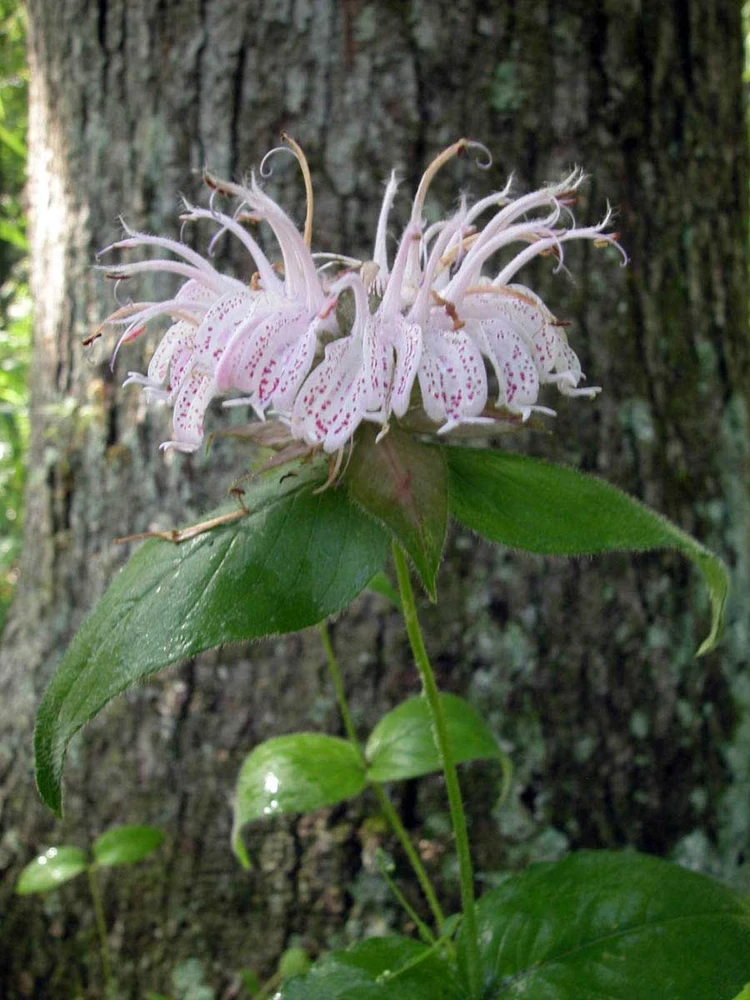
Monarda bradburiana Seeds – Eastern Bee Balm Seeds – 20 Seeds – Attracts Pollinators
Original price was: 48.91 $.19.91 $Current price is: 19.91 $.
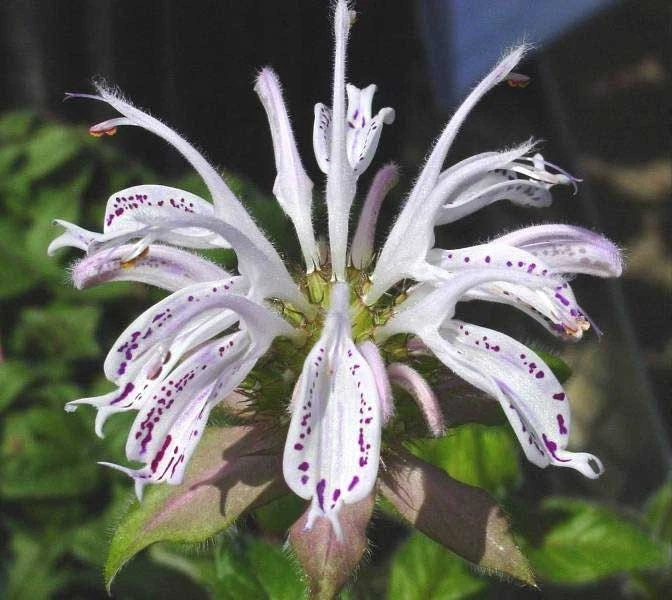
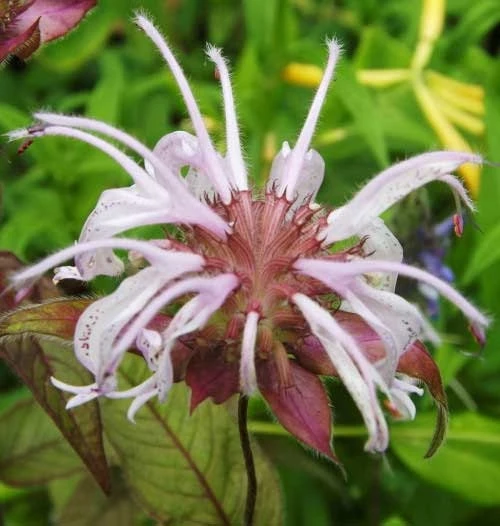
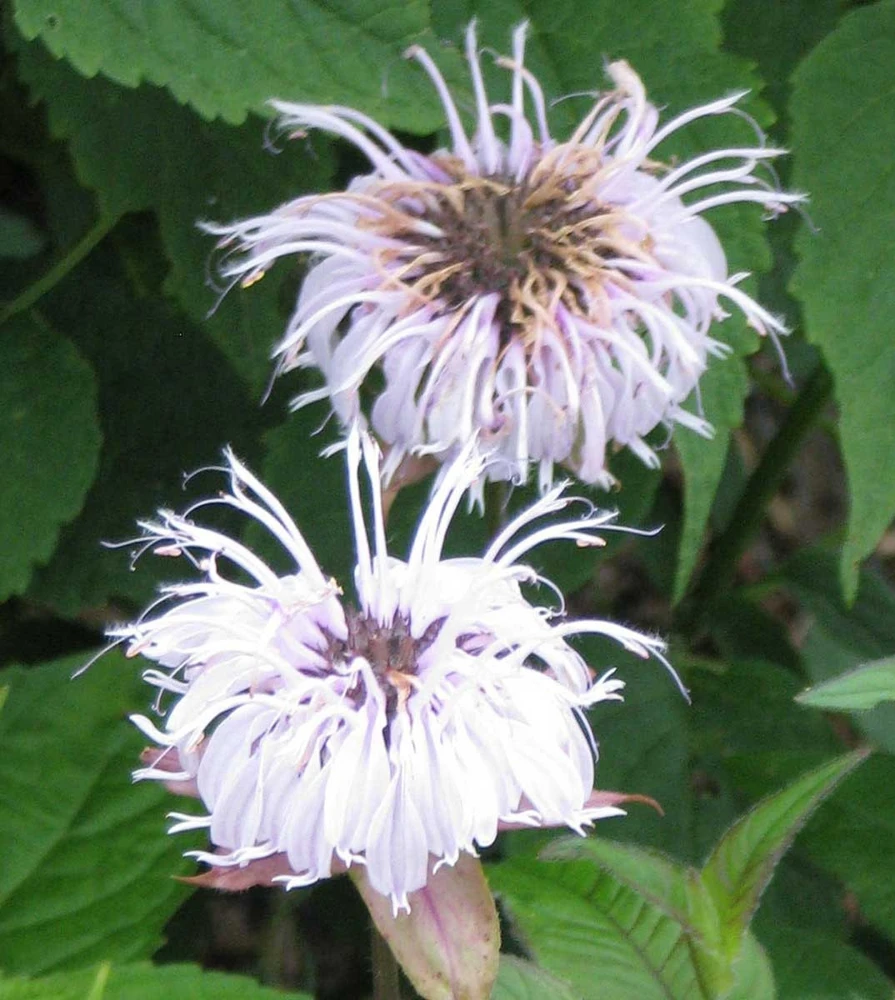
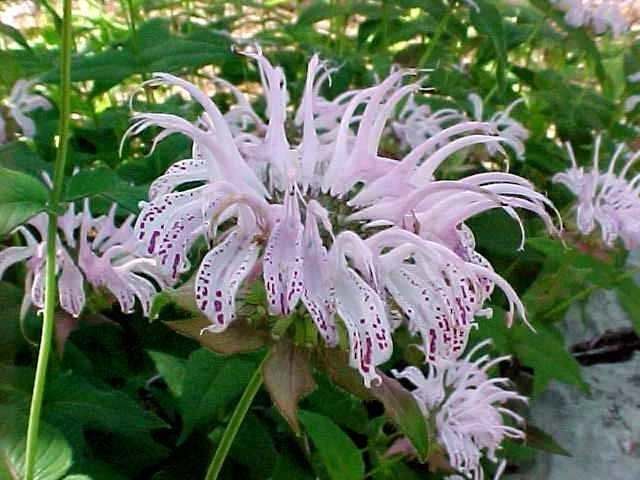
Cultivate a vibrant garden with Monarda bradburiana seeds, also known as Eastern Bee Balm seeds. This perennial wildflower is a magnet for bees, butterflies, and hummingbirds, while naturally deterring deer. Enjoy its early summer blooms and support local ecosystems with these easy-to-grow seeds.
Estimated arrival
Nov 26
Dec 01 - Dec 03
Dec 03 - Dec 08
See our Shipping Policy.
Get in touch with us via email, and our team will review your concerns.
Our Alive & Thrive Guarantee covers issues with your plants within the first 30 days. Read our Refund & Returns Policy.
-
USDA Hardiness Zone
USDA Hardiness Zones 4 to 8 -
Soil Type
Well-draining, loamy soil -
Sunlight Exposure
Full sun to partial shade -
Expected Planting Period
Early spring or fall
Overview
Transform your garden into a thriving ecosystem with Monarda bradburiana seeds. Also known as Eastern Bee Balm or Bradbury’s Bee Balm, this native perennial is a true gem for any landscape. These Monarda bradburiana seeds allow you to cultivate a plant that is highly attractive to a wide array of pollinators, including various species of bees, butterflies, and especially hummingbirds. Growing to an average height of 2 feet, Monarda bradburiana showcases beautiful blooms from mid-summer to early fall, adding consistent color and life to your outdoor space. Its robust nature and relatively early bloom time, coupled with less aggressive spreading compared to other Monarda varieties, make it an excellent choice for gardeners seeking a well-behaved yet impactful perennial.
Eastern Bee Balm seeds are perfect for creating a biodiverse garden. This plant is not only visually appealing but also plays a crucial role in supporting local wildlife. It serves as a larval host plant for several moth species, including Pyrausta inveterascalis, Orange Mint, and Hermit sphinx moths. Furthermore, its nectar provides a vital food source for butterflies such as the Dull Firetip, Pine White, Diana Fritillary, and Cassus Roadside-Skipper, as well as the Bedstraw hawkmoth. By planting these Monarda bradburiana seeds, you contribute to the health and sustainability of pollinator populations, making your garden a haven for these essential creatures.
Key Benefits
Incorporating Monarda bradburiana seeds into your garden design offers numerous advantages, enhancing both the aesthetic appeal and ecological value of your outdoor environment. This resilient perennial provides a wealth of benefits for both gardeners and wildlife.
- Pollinator Magnet: The vibrant flowers of Monarda bradburiana are irresistible to a diverse range of pollinators, including bees, butterflies, and hummingbirds, significantly boosting biodiversity in your garden.
- Deer Resistant: Enjoy your beautiful blooms without the worry of deer browsing, as this plant is largely ignored by deer, making it an excellent choice for gardens in areas with deer populations.
- Early & Extended Bloom: Experience a prolonged display of charming flowers from mid-summer through early fall, providing consistent color and nectar sources during crucial times for pollinators.
- Low Maintenance Perennial: Once established, Eastern Bee Balm seeds grow into a hardy plant that requires minimal care, thriving with basic attention and returning year after year.
- Supports Wildlife: Beyond nectar, Monarda bradburiana acts as a larval host for several moth species and provides sustenance for numerous butterflies, contributing to a healthy ecosystem.
- Native Beauty: As an Eastern U.S. native, this plant is well-adapted to local conditions, requiring less intervention and supporting regional flora and fauna.
- Less Aggressive Spreading: Unlike some other Monarda varieties, Monarda bradburiana exhibits a more controlled growth habit, making it easier to manage in garden beds.
Plant Care & Growing Tips
Growing Monarda bradburiana seeds into healthy, blooming plants is a rewarding experience. This resilient perennial is relatively easy to care for, making it suitable for both novice and experienced gardeners. For optimal growth, plant your Eastern Bee Balm seeds in a location that receives full sun to partial shade. Full sun (at least 6 hours of direct sunlight per day) will encourage the most abundant blooms, while partial shade can be beneficial in hotter climates to prevent scorching. Ensure the soil is well-draining, as Monarda does not tolerate consistently wet feet. A rich, loamy soil amended with compost will provide the best growing medium.
Watering should be consistent, especially during dry spells and in the plant’s first year of establishment. Aim to keep the soil consistently moist but not waterlogged. Once established, Monarda bradburiana becomes more drought-tolerant. Fertilization is generally not heavily required; a light application of a balanced, slow-release fertilizer in early spring can promote vigorous growth. Deadheading spent flowers can encourage more blooms and prevent excessive self-seeding. This plant thrives in USDA Hardiness Zones 4 to 8, tolerating a range of temperatures. While generally robust, watch for powdery mildew in humid conditions, which can be mitigated by ensuring good air circulation and appropriate spacing. Proper care for your Bradbury’s Bee Balm will ensure a thriving and beautiful addition to your garden.
When considering pollinator garden seeds, remember that proper site selection and initial care are key. Prepare your seedbed by removing weeds and loosening the soil to a depth of 6-8 inches. Sow the seeds directly onto the soil surface in early spring or fall, as they require light for germination. Lightly press them into the soil, but do not cover. Keep the seedbed consistently moist until germination occurs, which typically happens within 2-4 weeks. Young seedlings will benefit from protection from strong winds and intense midday sun until they are more established. With these growing tips, your deer resistant plants will flourish and become a highlight of your garden.
Size & Details
This offering includes 20 Monarda bradburiana seeds, providing a generous quantity to start your pollinator-friendly garden. Once mature, Monarda bradburiana plants typically reach a height of about 2 feet, creating a lovely mid-border presence in perennial beds. The plant exhibits a less aggressive spreading habit compared to other Monarda species, making it easier to manage and integrate into various garden designs. These seeds will germinate and grow into perennial plants that will return year after year, establishing a long-term source of beauty and ecological support.
The seeds are ready for planting upon arrival and are best sown in early spring or fall for natural stratification. Expect blooms to begin from mid-summer and continue until early fall, offering a long season of vibrant color and attraction for beneficial insects. The mature plants are ideal for naturalized areas, native plant gardens, and cottage gardens, contributing to a healthy and thriving outdoor space. These Monarda bradburiana seeds are a fantastic choice for anyone looking to cultivate beautiful, wildlife-supporting, and deer resistant plants.
Frequently Asked Questions
- Q: How big does this plant get? A: Monarda bradburiana typically grows to about 2 feet tall at maturity, forming an upright clump that adds vertical interest to your garden. Its spread is less aggressive than other Monarda varieties, making it easier to manage.
- Q: Is this an indoor or outdoor plant? A: Eastern Bee Balm is an outdoor perennial plant. It thrives in garden beds, naturalized areas, and pollinator gardens, returning year after year in suitable climates.
- Q: How much sunlight does it need? A: This plant prefers full sun to partial shade. For the most abundant blooms, aim for at least 6 hours of direct sunlight daily. In very hot climates, partial afternoon shade can be beneficial.
- Q: Is this plant easy to care for? A: Yes, Monarda bradburiana is considered a low-maintenance plant once established. It’s drought-tolerant and generally robust, making it a good choice for gardeners of all experience levels.
- Q: What condition will it arrive in? A: You will receive Monarda bradburiana seeds in a protective packet, ready for planting. These are seeds, not a live plant, ensuring easy and safe delivery.
- Q: When is the best time to plant these seeds? A: The best time to sow Monarda bradburiana seeds is in early spring or in the fall. Fall planting allows for natural cold stratification, which can improve germination rates in the spring.
- Q: Will it survive winter in my zone? A: Yes, this plant is hardy in USDA Hardiness Zones 4 to 8, meaning it can withstand winter temperatures in these regions and will return each spring.
- Q: What kind of soil does Eastern Bee Balm prefer? A: It thrives in well-draining, loamy soil. While adaptable, it’s crucial to avoid heavy, waterlogged soils to prevent root rot.
- Q: Is Bradbury’s Bee Balm resistant to deer? A: Yes, Monarda bradburiana is known for being deer resistant, making it a great option for gardens where deer can be a problem.
- Q: How long until the plants bloom from these seeds? A: While germination can occur within 2-4 weeks, plants grown from Monarda bradburiana seeds typically bloom in their second year, with established plants flowering from mid-summer to early fall.
Be the first to review “Monarda bradburiana Seeds – Eastern Bee Balm Seeds – 20 Seeds – Attracts Pollinators”
Related products


Flower Seeds


You May Like

How to Grow Passion Flower (Passiflora) for Tropical Blooms
Few climbing vines in the home garden command attention quite like the exotic Passion Flower (Passiflora). [...]
Nov

Thanksgiving Cactus Care: How to Get Thanksgiving Cactus to Bloom
Is your Thanksgiving cactus growing well but not giving you any flowers? Maybe it looked [...]
Nov

How to Grow Garlic for a Bountiful Home Harvest
Garlic (Allium sativum) is one of the most satisfying, low-maintenance, and flavor-packed crops you can [...]
Oct

Hardneck vs. Softneck Garlic: Which Should You Grow?
Have you ever stood in front of a seed catalog in mid-September, staring at dozens [...]
1 Comment
Oct

When to Plant Music Garlic: Ultimate US Fall Guide
Have you ever spent your fall weekend placing carefully chosen garlic cloves into rich, dark [...]
1 Comment
Oct

5 Best Bulbs for Fall Planting: Brighten Your Garden This Spring
Are you dreaming of a garden full of vibrant colors in the spring? The key [...]
Aug

10 Houseplants That Will Thrive in Your Kitchen
Are you tired of your kitchen feeling dull and lifeless? Want to add a little [...]
1 Comment
Aug
Reviews
There are no reviews yet.