
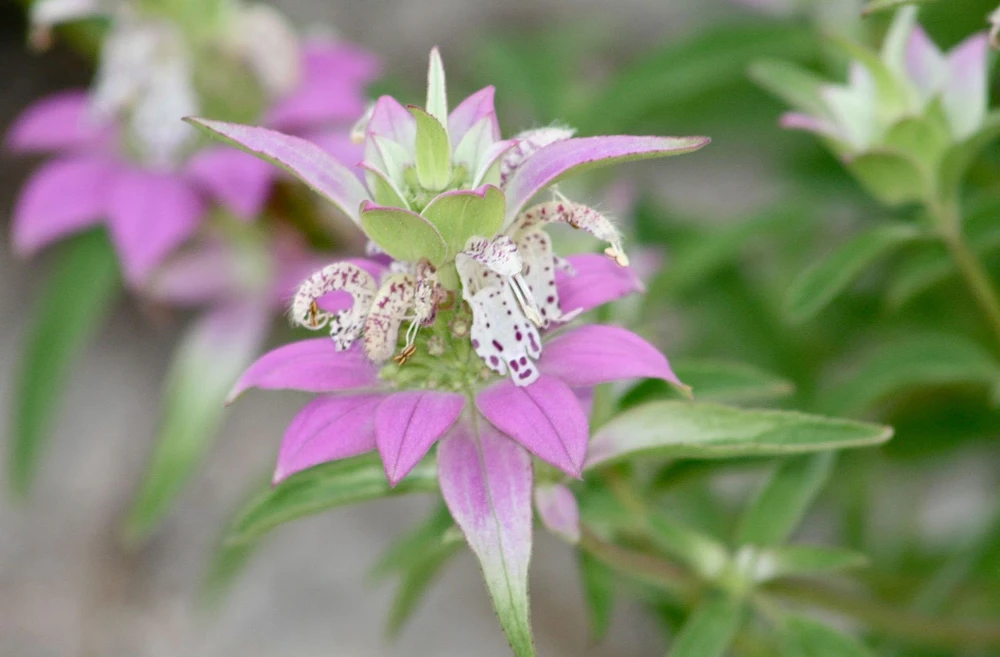
Monarda punctata Seeds – Dotted Horsemint Spotted Bee Balm – 500 Seeds – Attracts Pollinators
Original price was: 44.91 $.15.91 $Current price is: 15.91 $.
Cultivate your garden with Monarda punctata seeds, also known as dotted horsemint seeds or spotted bee balm seeds. These unique, vibrant blooms are highly beneficial for attracting bees and butterflies, making them perfect for a pollinator garden seeds collection. Enjoy their striking multi-colored blossoms and aromatic foliage.
Estimated arrival
Nov 27
Dec 02 - Dec 04
Dec 04 - Dec 09
See our Shipping Policy.
Get in touch with us via email, and our team will review your concerns.
Our Alive & Thrive Guarantee covers issues with your plants within the first 30 days. Read our Refund & Returns Policy.
-
USDA Hardiness Zone
USDA Hardiness Zones 5 to 10 -
Soil Type
Well-draining loamy or sandy soil -
Sunlight Exposure
Full sun to partial shade -
Expected Planting Period
Late fall or early spring
Overview
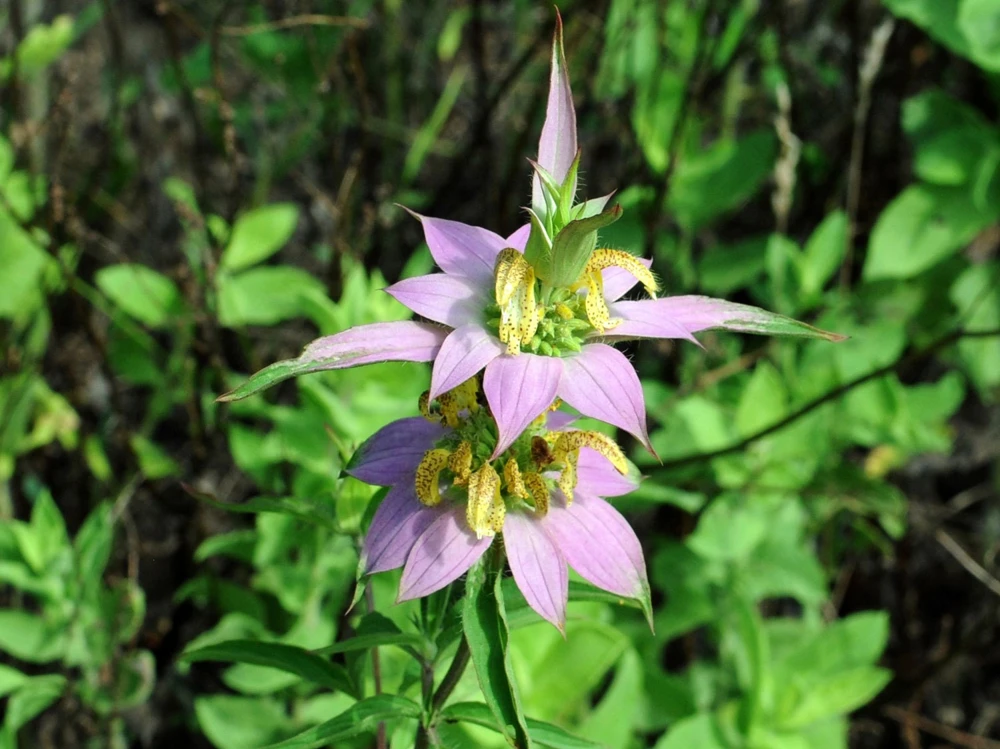
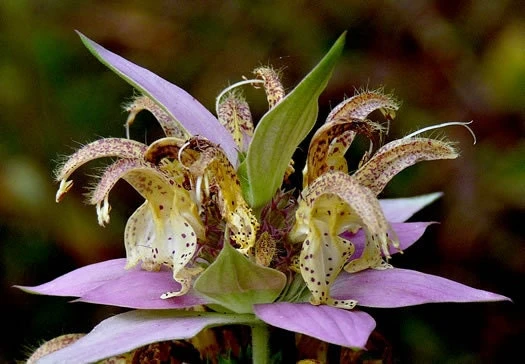
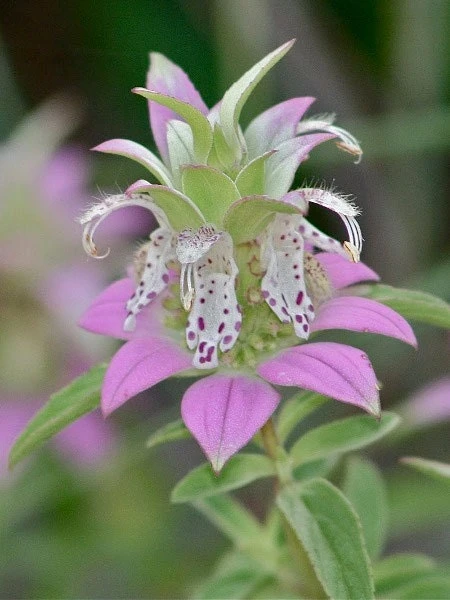
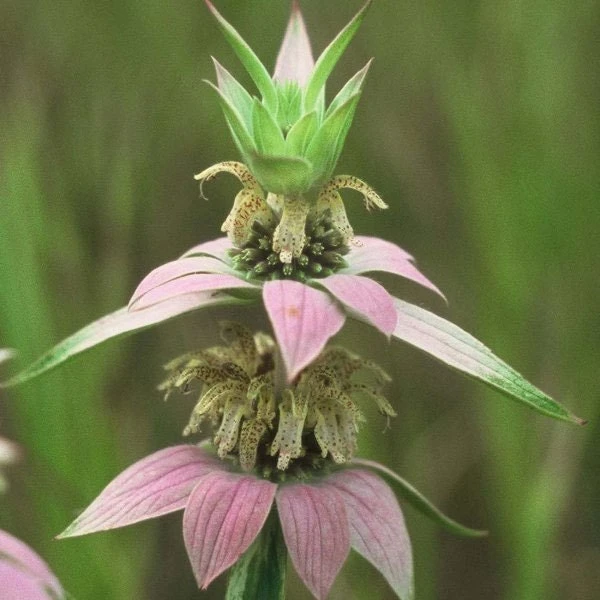
Discover the beauty and ecological benefits of Monarda punctata seeds, an exceptional addition to any garden. Also commonly known as Dotted Horsemint or Spotted Bee Balm, this native perennial is a powerhouse for attracting beneficial insects. Each packet contains 500 Monarda punctata seeds, providing ample opportunity to establish a thriving patch of these fascinating plants. The complex blossoms boast an array of colors, from white and pink to yellow, green, and purple, arranged in dense spikes on 2 to 3-foot stems. These plants are not only visually captivating but also serve as vital resources for local wildlife, making them a top choice for a bee friendly seeds project.
Monarda punctata is celebrated for its unique appearance and its significant role in supporting pollinators. The intricate flowers are a true spectacle, drawing the eye with their unusual structure and vibrant hues. Beyond their aesthetic appeal, these plants are robust and relatively easy to grow from seed, making them suitable for gardeners of all experience levels. Whether you’re looking to enhance your garden’s biodiversity or simply enjoy a striking and low-maintenance plant, dotted horsemint seeds offer an excellent solution.
Growing spotted bee balm seeds allows you to cultivate a dynamic ecosystem right in your backyard. The plant’s aromatic leaves can also be used to make tea or added to culinary dishes, offering a pleasant, minty flavor. This dual functionality as an ornamental and practical herb further enhances its appeal, solidifying its place as a versatile and valuable garden plant.
Key Benefits
Incorporating Monarda punctata seeds into your garden brings a multitude of advantages, enriching both the landscape and local ecology. These plants are a cornerstone for creating a vibrant, living space that supports crucial wildlife.
- Exceptional Pollinator Attraction:Monarda punctata is a magnet for bees, butterflies, and moths. It provides essential nectar and pollen, contributing significantly to pollinator health and biodiversity in your garden, a key benefit for anyone focusing on pollinator garden seeds.
- Unique Ornamental Appeal: The striking, multi-colored blossoms, featuring shades of white, pink, yellow, green, and purple, create a visually stunning display. Their unique form adds architectural interest and vibrant color to borders, meadows, or naturalized areas.
- Wildlife Host Plant: Beyond nectar, Monarda plants, including dotted horsemint seeds, serve as larval host plants for several moth species, such as Pyrausta inveterascalis, Orange Mint, and Hermit sphinx moths, supporting their life cycles.
- Culinary and Medicinal Uses: The aromatic leaves can be used raw or cooked in salads and other dishes, offering a strong, distinctive flavor. They are also excellent for brewing an aromatic tea, providing a refreshing and potentially beneficial beverage.
- Drought Tolerance: Once established, spotted bee balm seeds grow into plants that are quite tolerant of dry conditions, making them a low-maintenance choice for various climates and reducing the need for frequent watering.
- Deer Resistant: The strong aromatic foliage of Monarda punctata tends to deter deer, providing a natural defense against common garden pests without the need for chemical deterrents.
- Adaptable to Various Soil Types: While preferring well-draining soil, Monarda punctata can adapt to a range of soil conditions, showcasing its resilience and ease of growth.
Plant Care & Growing Tips
Cultivating Monarda punctata seeds is a rewarding experience, leading to a vibrant and ecologically beneficial garden. For best results, understanding its specific needs for sunlight, soil, and watering is crucial. These plants thrive in full sun to partial shade. Aim for at least 6 hours of direct sunlight per day for the most prolific blooms. In hotter climates, some afternoon shade can prevent scorching. When planting your dotted horsemint seeds, choose a location with well-draining soil. While adaptable, Monarda prefers average to moist, well-drained loamy or sandy soil. Avoid heavy clay soils that retain too much water, as this can lead to root rot. Good air circulation is also beneficial in preventing fungal issues.
Watering is important, especially during establishment. Keep the soil consistently moist but not waterlogged until the seedlings are well-rooted. Once mature, spotted bee balm seeds will grow into plants that are quite drought-tolerant, requiring less frequent watering. During prolonged dry spells, however, supplemental watering will help maintain vigor and bloom production. Fertilization is generally not heavily required for this native plant. If your soil is poor, a light application of a balanced, slow-release fertilizer in early spring can be beneficial. Avoid over-fertilizing, as this can lead to lush foliage but fewer flowers. Deadheading spent blooms can encourage a second flush of flowers and prevent excessive self-seeding.
Monarda punctata is hardy in USDA Zones 5 to 10, meaning it can withstand a wide range of winter temperatures. In colder zones, a layer of mulch can provide extra winter protection. Common problems are few, but powdery mildew can sometimes be an issue in humid conditions or areas with poor air circulation. Planting in a sunny, open location and ensuring proper spacing can help mitigate this. With these simple care guidelines, your Monarda punctata seeds will flourish, providing beauty and life to your garden for years to come.
Size & Details
This offering includes 500 Monarda punctata seeds, ensuring a generous supply for your gardening projects. Once germinated and established, Monarda punctata plants typically reach a height of 2 to 3 feet, with a spread of 1 to 2 feet, forming attractive clumps. The seeds are shipped in a protective packet, ready for planting. These perennial plants are known for their moderate growth rate, establishing themselves well within the first growing season and returning year after year with increasing vigor. Expect blooms to appear from mid-summer to early fall, providing a continuous source of nectar for pollinators when many other plants have finished flowering. The striking multi-colored flowers make a significant visual impact in the garden, and the aromatic foliage adds another sensory dimension.
The plant’s robust nature allows it to thrive in various garden settings, from formal borders to more naturalized meadow designs. As a native species, it is well-adapted to local conditions and contributes positively to the ecosystem. Planting Monarda punctata seeds allows you to witness the full life cycle of this remarkable plant, from tiny seed to a mature, blooming specimen that buzzes with activity. The 500 Monarda punctata seeds provided offer an excellent opportunity to create a substantial patch of this beneficial and beautiful plant.
Frequently Asked Questions
- Q: How many seeds are included? A: This product contains 500 Monarda punctata seeds, providing a generous quantity for planting and ensuring a good chance of successful establishment in your garden.
- Q: How tall does Monarda punctata get? A: Monarda punctata typically grows to a height of 2 to 3 feet, making it a prominent feature in garden beds and borders. Its upright habit adds structure and visual interest.
- Q: Is this an indoor or outdoor plant? A: Monarda punctata is primarily an outdoor plant, thriving in garden settings where it can receive adequate sunlight and space. It is not generally grown as an indoor houseplant.
- Q: How much sunlight does it need? A: For optimal growth and flowering, Monarda punctata prefers full sun, meaning at least 6 hours of direct sunlight per day. It can tolerate partial shade, especially in hotter climates.
- Q: Is this plant easy to care for? A: Yes, Monarda punctata is considered relatively easy to care for, especially once established. It is drought-tolerant and generally resistant to pests and diseases, making it a good choice for beginners and experienced gardeners alike.
- Q: When is the best time to plant Monarda punctata seeds? A: The best time to plant Monarda punctata seeds is typically in late fall or early spring. Fall planting allows for natural cold stratification over winter, while spring planting should occur after the last frost.
- Q: What USDA Hardiness Zones is Monarda punctata suitable for? A: Monarda punctata is hardy in USDA Hardiness Zones 5 to 10, indicating its ability to withstand a wide range of winter temperatures across much of the United States.
- Q: Can I use the leaves for tea? A: Yes, the leaves of Monarda punctata have a strong aromatic taste and can be used to make a flavorful and aromatic tea. They can also be incorporated into culinary dishes.
- Q: Will these spotted bee balm seeds attract pollinators? A: Absolutely! Monarda punctata is renowned for being a powerful magnet for a wide variety of pollinators, including bees, butterflies, and beneficial moths, making it an excellent choice for a pollinator garden seeds collection.
- Q: What kind of soil does dotted horsemint seeds prefer? A: Dotted horsemint seeds will grow best in well-draining soil. While adaptable, it prefers average to moist, well-drained loamy or sandy soils.
Be the first to review “Monarda punctata Seeds – Dotted Horsemint Spotted Bee Balm – 500 Seeds – Attracts Pollinators”
Related products

Flower Seeds
Blue Stock Matthiola Incana Seeds – 50 Fragrant Gillyflower Seeds – Ten-Week Blue Stock


You May Like

How to Grow Passion Flower (Passiflora) for Tropical Blooms
Few climbing vines in the home garden command attention quite like the exotic Passion Flower (Passiflora). [...]
Nov

Thanksgiving Cactus Care: How to Get Thanksgiving Cactus to Bloom
Is your Thanksgiving cactus growing well but not giving you any flowers? Maybe it looked [...]
Nov

How to Grow Garlic for a Bountiful Home Harvest
Garlic (Allium sativum) is one of the most satisfying, low-maintenance, and flavor-packed crops you can [...]
Oct

Hardneck vs. Softneck Garlic: Which Should You Grow?
Have you ever stood in front of a seed catalog in mid-September, staring at dozens [...]
1 Comment
Oct

When to Plant Music Garlic: Ultimate US Fall Guide
Have you ever spent your fall weekend placing carefully chosen garlic cloves into rich, dark [...]
1 Comment
Oct

5 Best Bulbs for Fall Planting: Brighten Your Garden This Spring
Are you dreaming of a garden full of vibrant colors in the spring? The key [...]
Aug

10 Houseplants That Will Thrive in Your Kitchen
Are you tired of your kitchen feeling dull and lifeless? Want to add a little [...]
1 Comment
Aug
Reviews
There are no reviews yet.