
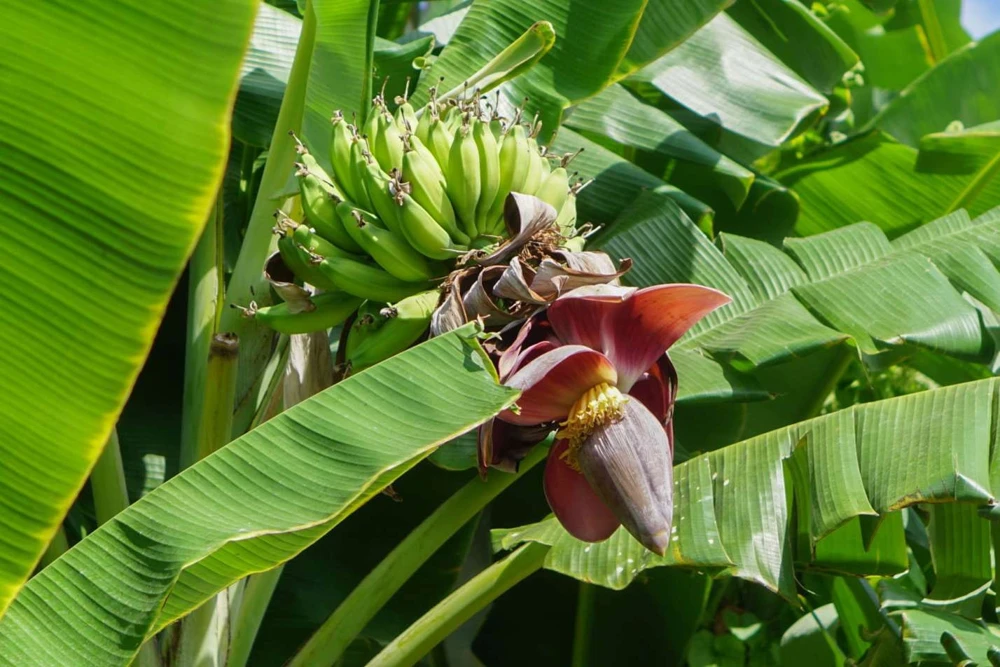
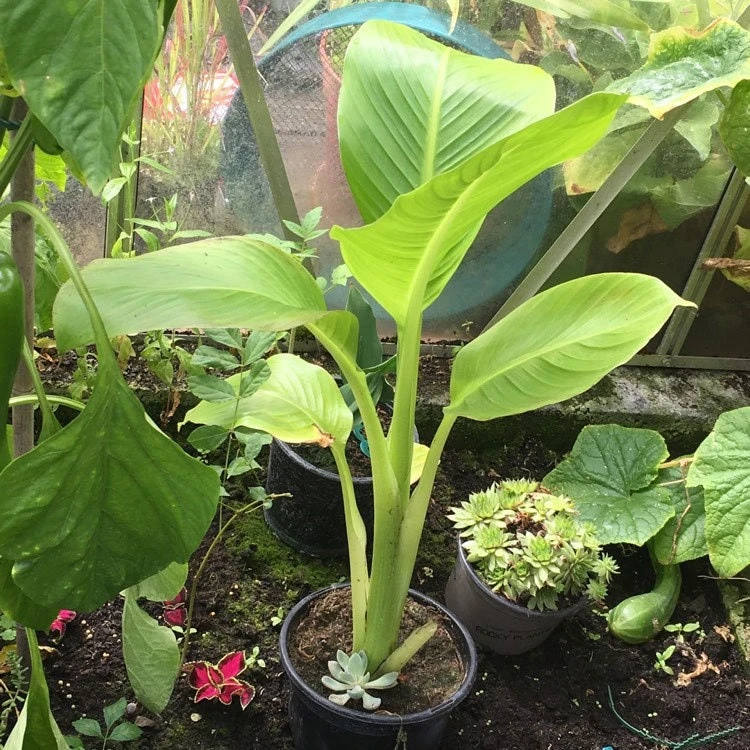
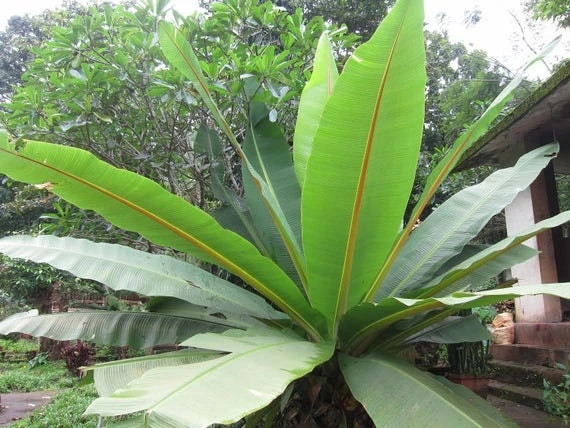
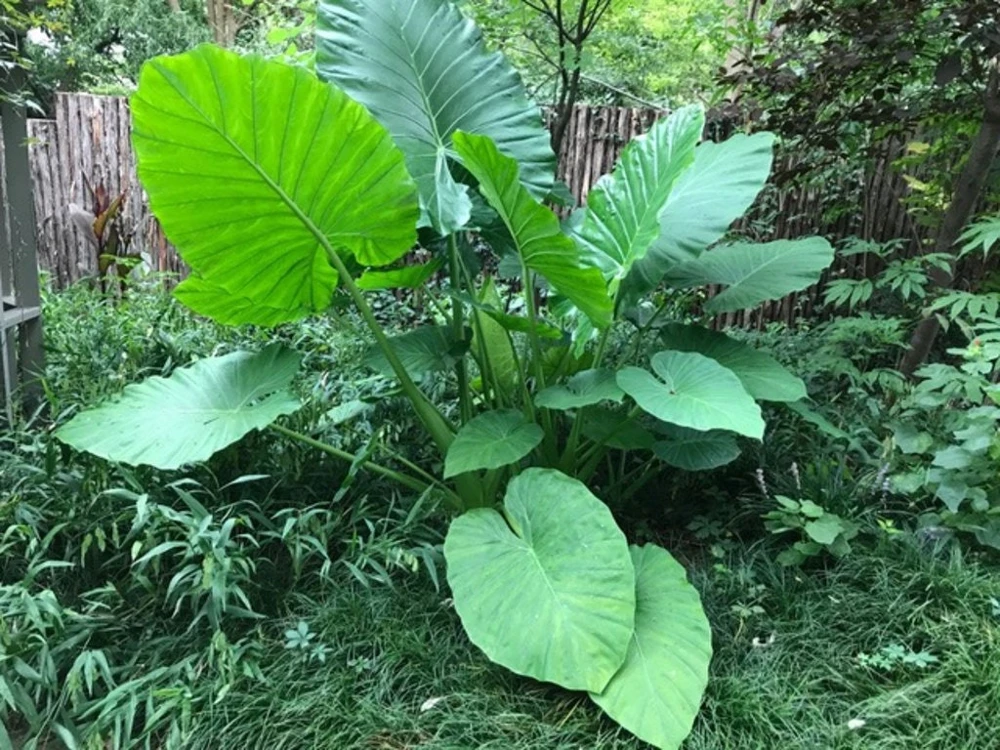
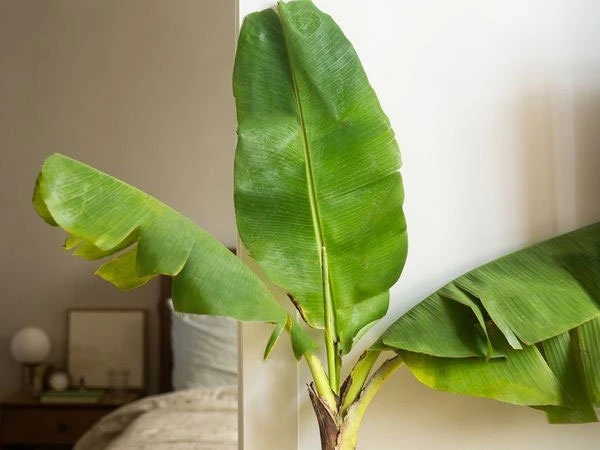
Musa Sikkimensis Darjeeling Banana Seeds – 5 Seeds, Hardy Outdoor
Original price was: 48.91 $.19.91 $Current price is: 19.91 $.
Cultivate the impressive Musa sikkimensis seeds, also known as the Darjeeling banana seeds. These hardy banana seeds are ideal for creating a stunning tropical display in USDA Zones 8-11, offering robust growth and a unique aesthetic.
Estimated arrival
Nov 28
Dec 03 - Dec 05
Dec 05 - Dec 10
See our Shipping Policy.
Get in touch with us via email, and our team will review your concerns.
Our Alive & Thrive Guarantee covers issues with your plants within the first 30 days. Read our Refund & Returns Policy.
-
USDA Hardiness Zone
8 to 11 -
Soil Type
Rich, fertile, well-draining soil -
Sunlight Exposure
Light shade to full shade -
Expected Planting Period
Year-round indoors (start seeds), late spring/early summer (transplant outdoors)
Overview
Embark on a tropical gardening adventure with these exceptional Musa sikkimensis seeds. Also known as the Darjeeling Banana or Hooker’s Hardy Banana, this product offers 5 high-quality seeds to cultivate your own magnificent banana tree. Unlike many tropical varieties, Musa sikkimensis is celebrated for its impressive cold hardiness, making it a fantastic choice for gardeners in cooler climates who dream of a lush, exotic landscape. These seeds will grow into a substantial plant, adding dramatic foliage and a unique architectural element to your garden. Ideal for those looking to add a touch of the extraordinary to their outdoor spaces, growing a Darjeeling banana seeds plant from scratch is a rewarding experience.
The Musa sikkimensis is a striking plant, renowned for its large, paddle-shaped leaves that can reach impressive sizes, creating a truly tropical ambiance. While primarily grown for its ornamental value, the sheer presence of this plant transforms any garden into an exotic retreat. These seeds provide an opportunity to witness the full life cycle of this remarkable species, from germination to a towering, mature plant. Discover the joy of nurturing a truly unique specimen in your garden.
Key Benefits
Growing a Musa sikkimensis seeds plant offers a multitude of benefits for the enthusiastic gardener and their landscape:
-
Exceptional Cold Hardiness: One of the primary advantages of the Musa sikkimensis is its remarkable ability to withstand colder temperatures compared to other banana varieties. This makes it a viable option for gardeners in USDA Zones 8-11, extending the reach of tropical gardening further north and enabling you to cultivate a hardy banana seeds plant where others might fail.
-
Dramatic Ornamental Appeal: With its large, vibrant green leaves, the Darjeeling banana creates a stunning visual impact. It serves as an excellent focal point in any garden, adding a lush, tropical feel and architectural interest that draws the eye and transforms ordinary spaces into extraordinary ones.
-
Fast Growth Rate: Under optimal conditions, Musa sikkimensis can exhibit a surprisingly fast growth rate, quickly establishing itself and providing impressive foliage within a few growing seasons. This rapid development means you won’t have to wait long to enjoy the full beauty of your Musa sikkimensis seeds plant.
-
Unique Garden Specimen: Standing out from typical garden plants, this banana tree offers a unique and exotic touch. It’s a conversation starter and a plant that will differentiate your garden, showcasing your passion for diverse and interesting flora. Learning how to grow banana from seed is an enriching experience.
-
Adaptability to Shade: While many plants demand full sun, the Musa sikkimensis thrives in light to full shade, making it versatile for various garden settings. This adaptability allows for more flexibility in placement, especially in gardens with mature trees or buildings that create shaded areas.
-
Rewarding Cultivation Experience: For those who enjoy the process of nurturing plants from their earliest stages, growing a cold hardy banana plant from seed is incredibly satisfying. Witnessing the germination and subsequent growth of such a magnificent plant provides a deep sense of accomplishment.
Plant Care & Growing Tips
Cultivating Musa sikkimensis seeds requires a bit of patience and attention to detail, but the results are well worth the effort. To start, scarify the seeds by gently sanding one side or nicking the hard outer shell to aid germination. After scarification, soak the seeds in warm water for 24-48 hours, changing the water every 12 hours. Plant the seeds about half an inch deep in a well-draining seed starting mix. Maintain a warm and consistent temperature, ideally between 70-85°F (21-29°C), using a heat mat if necessary. Germination can be erratic, sometimes taking weeks or even months, so patience is key for these Darjeeling banana seeds.
Once seedlings emerge, provide them with bright, indirect light. As they grow, gradually acclimate them to more light. For established plants, Musa sikkimensis prefers light shade to full shade. While it can tolerate some sun, especially in cooler climates, too much intense sun can scorch its large leaves. The soil should be rich, fertile, and very well-draining. Amend heavy soils with compost and perlite to improve drainage. Keep the soil consistently moist but never waterlogged; banana plants are heavy feeders and drinkers. During the growing season, fertilize regularly with a balanced, slow-release fertilizer or a liquid feed every 2-4 weeks to support its vigorous growth. Ensuring proper moisture and nutrients is crucial for a thriving hardy banana seeds plant.
The cold hardy banana plant is resilient, but winter protection is advised in the lower end of its USDA Hardiness Zones (8-9). In these areas, the foliage may die back to the ground with the first hard frost. To protect the corm (underground stem), mulch heavily with straw, leaves, or wood chips. In spring, new growth will emerge from the protected corm. In warmer zones (10-11), it may remain evergreen. Watch out for common pests like spider mites or mealybugs, especially if grown in drier conditions. Regular inspection and appropriate organic pest control methods can keep your plant healthy. Learning how to grow banana from seed successfully involves understanding these specific environmental and care needs.
Size & Details
These Musa sikkimensis seeds are sourced from robust parent plants, promising strong genetic material for your garden. The mature cold hardy banana plant can reach an impressive height of up to 20 feet (approximately 6 meters) in ideal conditions, creating a truly majestic presence. Its spread can be considerable, with large leaves extending several feet in all directions, so allow ample space for its growth. The seeds are provided in a pack of 5, offering multiple opportunities for successful germination and cultivation. While the growth rate is generally fast, it will take a few years for the plant to reach its full mature height and develop its characteristic robust trunk. This species is primarily grown for its stunning foliage and architectural form, though it may produce small, seedy fruits in very warm climates.
Frequently Asked Questions
-
Q: How big does a Musa sikkimensis get? A: A mature Musa sikkimensis seeds plant can typically grow up to 20 feet (6 meters) tall, creating a dramatic, tropical presence in your garden. Its large leaves will also contribute to a significant spread, so ensure adequate space.
-
Q: Is this an indoor or outdoor plant? A: While young seedlings can be started indoors, the Darjeeling banana seeds plant is primarily an outdoor plant, especially suited for USDA Hardiness Zones 8-11. In colder zones, it will require winter protection for its corm.
-
Q: How much sunlight does it need? A: The Musa sikkimensis prefers light shade to full shade. While it can tolerate some morning sun, especially in cooler climates, intense afternoon sun can scorch its large leaves. Provide protection from the harshest sun.
-
Q: Is this plant easy to care for? A: Growing a hardy banana seeds plant from seed requires patience for germination and consistent care, including regular watering and feeding. However, once established, it is relatively low-maintenance for its size, especially if its basic needs for shade and moisture are met.
-
Q: What condition will the seeds arrive in? A: The product consists of 5 high-quality, viable seeds. They will arrive securely packaged to ensure their integrity during transit, ready for scarification and planting.
-
Q: How long until it grows into a noticeable plant? A: Germination can take several weeks to months. Once germinated, the plant grows relatively quickly, often reaching several feet in height within the first few growing seasons, especially with proper care and fertilization.
-
Q: Will it survive winter in my zone? A: The cold hardy banana plant is suitable for USDA Zones 8-11. In Zones 8-9, the foliage will likely die back in winter, but the underground corm can survive with heavy mulching and protection, regrowing in spring. In Zones 10-11, it may remain evergreen.
-
Q: What kind of soil does it need? A: It thrives in rich, fertile, and very well-draining soil. Amending your garden soil with plenty of organic matter like compost is highly recommended to provide the nutrients and drainage this vigorous plant requires. This is crucial for how to grow banana from seed successfully.
-
Q: Do these banana plants produce edible fruit? A: While Musa sikkimensis can produce fruit, it is typically small and seedy, and not generally grown for culinary purposes. Its primary value is its stunning ornamental foliage and cold hardiness as a cold hardy banana plant.
-
Q: When is the best time to plant Musa sikkimensis seeds? A: The best time to start your Musa sikkimensis seeds is in late winter or early spring indoors, allowing the seedlings to establish before being moved outdoors after all danger of frost has passed.
Be the first to review “Musa Sikkimensis Darjeeling Banana Seeds – 5 Seeds, Hardy Outdoor”
Related products


You May Like

How to Grow Passion Flower (Passiflora) for Tropical Blooms
Few climbing vines in the home garden command attention quite like the exotic Passion Flower (Passiflora). [...]
Nov

Thanksgiving Cactus Care: How to Get Thanksgiving Cactus to Bloom
Is your Thanksgiving cactus growing well but not giving you any flowers? Maybe it looked [...]
Nov

How to Grow Garlic for a Bountiful Home Harvest
Garlic (Allium sativum) is one of the most satisfying, low-maintenance, and flavor-packed crops you can [...]
Oct

Hardneck vs. Softneck Garlic: Which Should You Grow?
Have you ever stood in front of a seed catalog in mid-September, staring at dozens [...]
1 Comment
Oct

When to Plant Music Garlic: Ultimate US Fall Guide
Have you ever spent your fall weekend placing carefully chosen garlic cloves into rich, dark [...]
1 Comment
Oct

5 Best Bulbs for Fall Planting: Brighten Your Garden This Spring
Are you dreaming of a garden full of vibrant colors in the spring? The key [...]
Aug

10 Houseplants That Will Thrive in Your Kitchen
Are you tired of your kitchen feeling dull and lifeless? Want to add a little [...]
1 Comment
Aug
Reviews
There are no reviews yet.