
Nandina domestica Seeds – Sacred Heavenly Bamboo – 10 Seeds – Outdoor
Original price was: 48.91 $.19.91 $Current price is: 19.91 $.
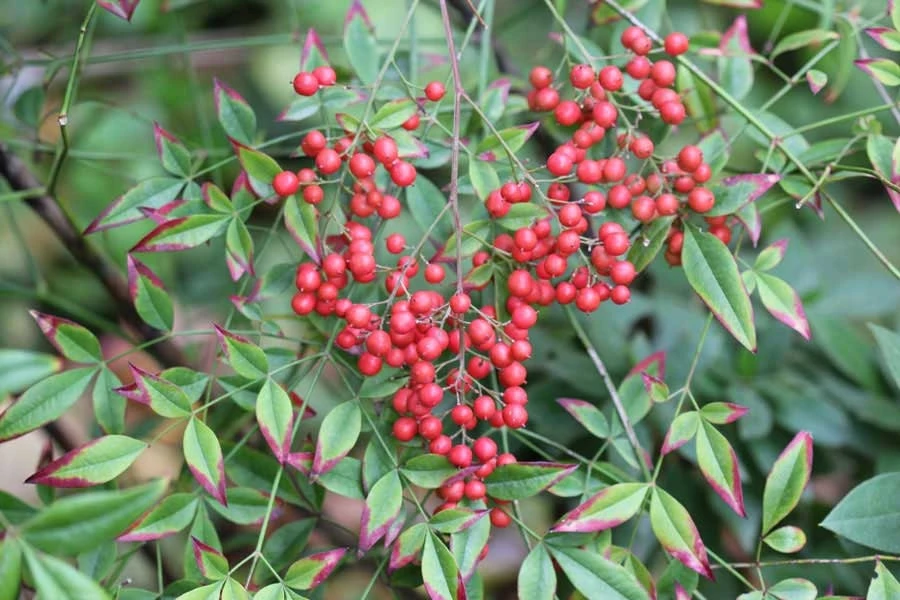
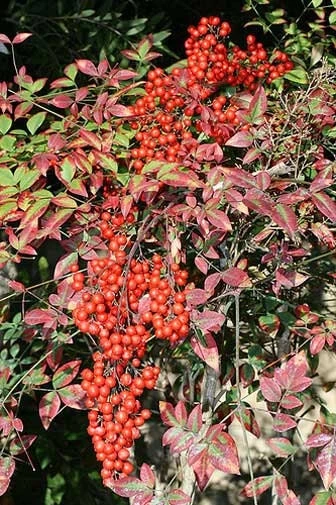
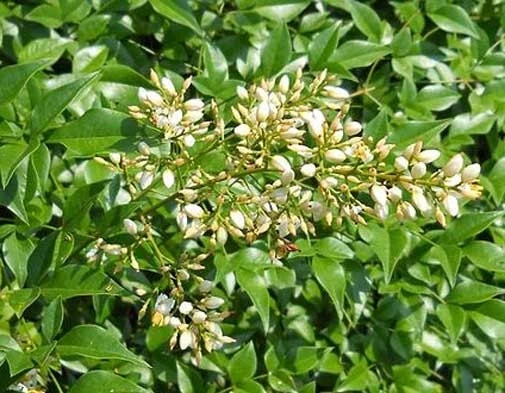
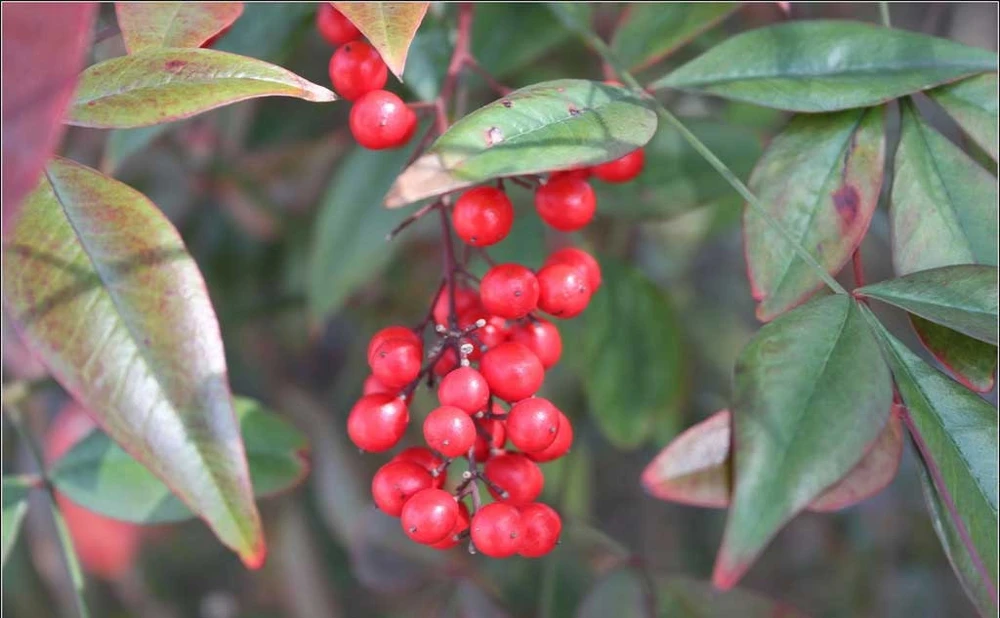
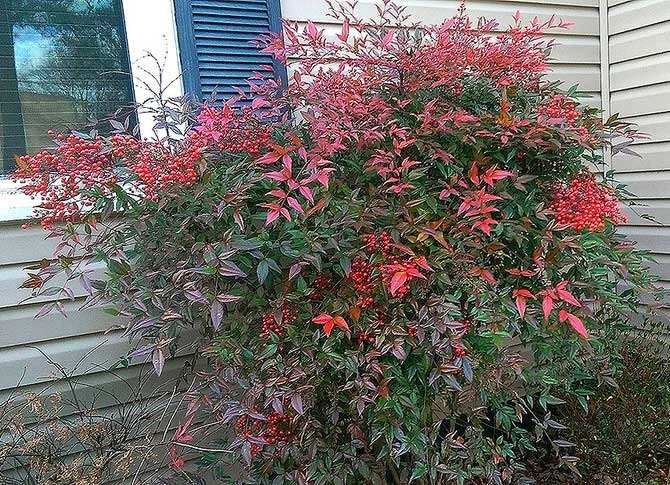
Cultivate the beautiful Nandina domestica seeds, commonly known as Heavenly Bamboo seeds. These seeds grow into a striking shrub with ever-changing foliage colors from pink to red, white summer blossoms, and bright red autumn berries. Perfect for enhancing your garden’s visual appeal in USDA zones 6-11.
Estimated arrival
Nov 27
Dec 02 - Dec 04
Dec 04 - Dec 09
See our Shipping Policy.
Get in touch with us via email, and our team will review your concerns.
Our Alive & Thrive Guarantee covers issues with your plants within the first 30 days. Read our Refund & Returns Policy.
-
USDA Hardiness Zone
USDA Hardiness Zones 6 to 11 -
Soil Type
Well-draining, fertile soil -
Sunlight Exposure
Full sun to partial shade -
Expected Planting Period
Spring to early summer (after last frost)
Overview
Discover the beauty and versatility of Nandina domestica seeds, also widely known as Heavenly Bamboo seeds or Sacred Bamboo. This remarkable shrub, despite its common name, is not a true bamboo but offers a similar graceful, upright habit that makes it a favorite in many landscapes. From these Nandina domestica seeds, you can cultivate a plant renowned for its dynamic foliage, which cycles through vibrant shades of pink, red, and green throughout the seasons. Starting as brilliant pink or red, the leaves mature to a rich green, eventually transforming into a stunning purplish-red before they fall. Beyond its captivating leaves, Nandina domestica enchants with clusters of delicate white blossoms in early summer, followed by abundant bright red berries that ripen in late autumn, providing sustained visual interest and a food source for local wildlife.
Whether you’re looking to create a dense border, a delicate accent, or simply enjoy a plant with year-round appeal, Nandina domestica seeds offer an excellent starting point. This resilient plant thrives across a wide range of climates, making it a suitable choice for gardeners in USDA Hardiness Zones 6 to 11. Growing your own Heavenly Bamboo seeds allows you to witness the full life cycle of this magnificent shrub, from tiny seed to a mature, multi-season spectacle. It’s an ideal project for both novice and experienced gardeners seeking to add unique texture and color to their outdoor spaces.
Key Benefits
Growing Nandina domestica seeds offers a multitude of benefits for your garden, combining ornamental beauty with remarkable hardiness. This plant is a true four-season performer, ensuring your landscape remains vibrant and engaging throughout the year.
- Dynamic Foliage Display: Enjoy a continuous show of color as the foliage transitions from bright pink and red in its youth, to lush green, and finally to a striking purplish-red before dormancy. This ever-changing palette makes Nandina domestica seeds a fantastic choice for year-round interest.
- Seasonal Blooms and Berries: Delicate white flowers emerge in early summer, adding a touch of elegance. These are followed by prolific clusters of bright red berries in late autumn, which persist through winter, offering vibrant color and attracting birds.
- Low Maintenance and Drought Tolerant: Once established, Nandina domestica is remarkably easy to care for, requiring minimal attention. It exhibits good drought tolerance, making it suitable for water-wise gardening.
- Versatile Landscaping Use: Its upright growth habit and moderate size make it perfect for various landscape applications, including hedges, borders, mass plantings, or as a stand-alone specimen.
- Adaptable to Various Conditions: Thrives in a wide range of light conditions, from full sun to partial shade, and is adaptable to different soil types, as long as drainage is adequate.
- Hardy in Many Climates: Successfully grows in USDA Hardiness Zones 6 through 11, demonstrating its resilience to both colder winters and warmer summers.
- Enhances Biodiversity: The bright red berries provide a valuable food source for birds, contributing to local wildlife support in your garden.
Plant Care & Growing Tips
Successfully cultivating Nandina domestica seeds requires attention to a few key aspects to ensure robust growth and a stunning display. Begin by sowing your Heavenly Bamboo seeds in well-draining soil, either directly outdoors after the last frost or indoors for an earlier start. For optimal germination, some gardeners find cold stratification beneficial for Nandina seeds, mimicking natural winter conditions. This can involve placing seeds in a moist medium in the refrigerator for several weeks before planting.
Once germinated, Nandina domestica thrives in a location that receives full sun to partial shade. In hotter climates, some afternoon shade can protect the foliage from scorching. Aim for at least 4-6 hours of direct sunlight for the best foliage color and berry production. The plant is adaptable to various soil types, but prefers well-drained, fertile soil. Avoid heavy, waterlogged soils, which can lead to root rot. Regular watering is crucial during the plant’s establishment phase. Once mature, it becomes quite drought-tolerant, though consistent moisture during prolonged dry spells will promote healthier growth and more abundant berries. Fertilize sparingly in spring with a balanced slow-release fertilizer, as over-fertilization can reduce berry production.
Pruning is generally minimal for Nandina domestica. You can prune in late winter or early spring to remove any dead or damaged branches, or to shape the plant. Thinning out some of the older canes at the base can also encourage new, vibrant growth. While generally pest and disease resistant, keep an eye out for common garden issues. Ensuring good air circulation and appropriate watering practices can prevent most problems. Understanding how to grow Nandina domestica successfully means providing consistent, but not excessive, care, allowing its natural beauty to shine. These tips will help your Sacred Bamboo seeds flourish into magnificent garden specimens, contributing to the overall health and aesthetics of your landscape.
Size & Details
This offering includes 10 Nandina domestica seeds, providing a generous start for your garden project. Each seed has the potential to grow into a mature shrub that typically reaches a height of 6 to 8 feet and spreads 3 to 5 feet wide, forming an attractive, upright clump. The growth rate is moderate, allowing you to observe its development over a few seasons. When planting, consider the mature size to allow adequate space for growth and to achieve the desired effect in your landscape. The seeds are carefully harvested and prepared for optimal germination, though success rates can vary based on growing conditions and proper stratification techniques. Expect the first few years to focus on root and foliage development, with flowering and fruiting typically commencing once the plant is well-established, usually within 2-3 years.
These Nandina domestica seeds are ideal for outdoor cultivation in USDA Hardiness Zones 6 to 11. They are shipped as dry seeds, ready for planting according to your preferred method. The exact timing of planting will depend on your local climate and whether you choose to start them indoors or directly outdoors. With proper care, these seeds will yield beautiful, resilient shrubs that offer year-round interest with their evolving foliage colors, delicate white summer flowers, and vibrant red berries that persist through the autumn and winter months, making them a true garden asset.
Frequently Asked Questions
- Q: How big does Nandina domestica get from these seeds? A: From these Nandina domestica seeds, you can expect mature plants to reach an average height of 6 to 8 feet with a spread of 3 to 5 feet. Its upright habit makes it a great choice for various landscape designs.
- Q: Is this an indoor or outdoor plant? A: Nandina domestica is primarily an outdoor plant, thriving in USDA Hardiness Zones 6-11. It’s well-suited for gardens, borders, and as a landscape accent.
- Q: How much sunlight does Nandina domestica need? A: For best results, Nandina domestica prefers full sun to partial shade. In hotter climates, some afternoon shade can protect its foliage from intense heat.
- Q: Is this plant easy to care for? A: Yes, once established, Nandina domestica is known for being relatively low-maintenance and quite resilient. It’s a good choice for gardeners looking for an easy-care shrub.
- Q: What condition will the seeds arrive in? A: The 10 Nandina domestica seeds will arrive as dry seeds, ready for you to prepare and plant according to the recommended growing instructions, including potential cold stratification.
- Q: How long until Nandina domestica grown from seeds produces flowers and berries? A: Typically, plants grown from Heavenly Bamboo seeds will begin to produce flowers and the characteristic red berries once they are well-established, which usually takes 2-3 years after germination.
- Q: Will Nandina domestica survive winter in my zone? A: Nandina domestica is hardy in USDA Hardiness Zones 6 through 11. If your zone falls within this range, it should successfully overwinter outdoors.
- Q: What is the best soil type for growing Nandina domestica from seeds? A: The best soil type is well-draining, fertile soil. Avoid heavy clay or constantly waterlogged conditions to prevent root issues and ensure healthy growth for your Sacred Bamboo seeds.
- Q: Do I need to cold stratify these Nandina domestica seeds? A: While not always strictly necessary, cold stratification can significantly improve germination rates for Nandina domestica seeds. It mimics natural winter conditions that break seed dormancy.
- Q: Can I grow Nandina domestica in a container? A: Yes, Nandina domestica can be grown in large containers, especially when young. Ensure the container has good drainage and is large enough to accommodate its root system as it grows.
Be the first to review “Nandina domestica Seeds – Sacred Heavenly Bamboo – 10 Seeds – Outdoor”
Related products


Shrub Seeds
Golden Currant Shrub Seeds – 20 Count – Edible Black Fruit, Yellow Flowers, Ribes Aureum


You May Like

How to Grow Passion Flower (Passiflora) for Tropical Blooms
Few climbing vines in the home garden command attention quite like the exotic Passion Flower (Passiflora). [...]
Nov

Thanksgiving Cactus Care: How to Get Thanksgiving Cactus to Bloom
Is your Thanksgiving cactus growing well but not giving you any flowers? Maybe it looked [...]
Nov

How to Grow Garlic for a Bountiful Home Harvest
Garlic (Allium sativum) is one of the most satisfying, low-maintenance, and flavor-packed crops you can [...]
Oct

Hardneck vs. Softneck Garlic: Which Should You Grow?
Have you ever stood in front of a seed catalog in mid-September, staring at dozens [...]
1 Comment
Oct

When to Plant Music Garlic: Ultimate US Fall Guide
Have you ever spent your fall weekend placing carefully chosen garlic cloves into rich, dark [...]
1 Comment
Oct

5 Best Bulbs for Fall Planting: Brighten Your Garden This Spring
Are you dreaming of a garden full of vibrant colors in the spring? The key [...]
Aug

10 Houseplants That Will Thrive in Your Kitchen
Are you tired of your kitchen feeling dull and lifeless? Want to add a little [...]
1 Comment
Aug
Reviews
There are no reviews yet.