
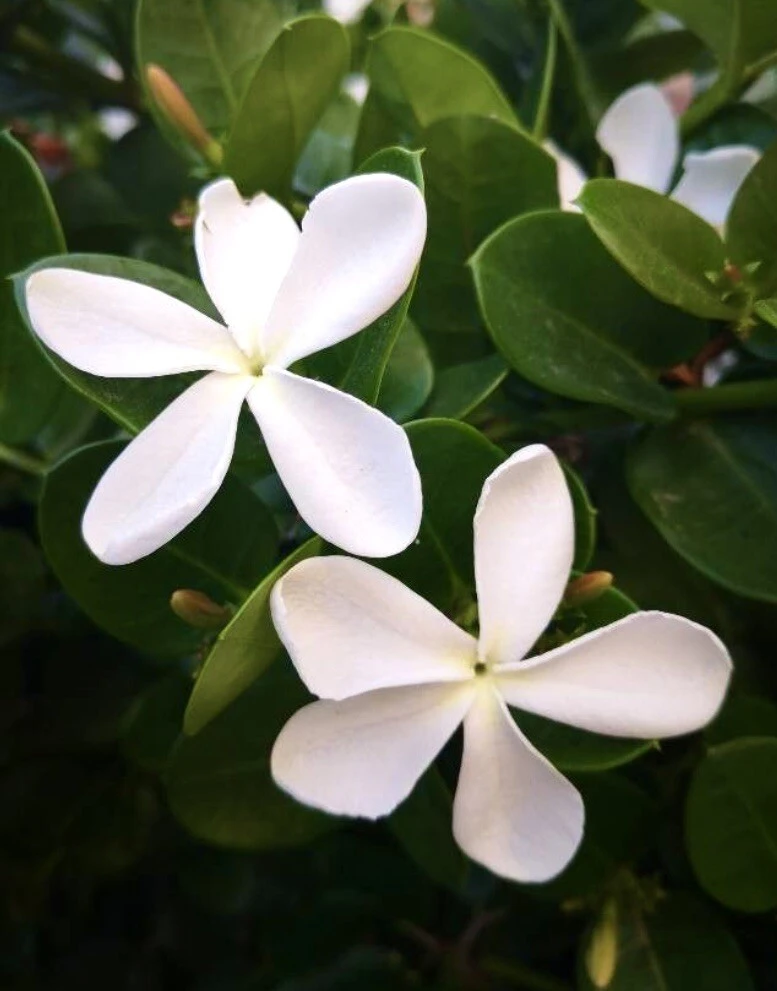
Natal Plum Seeds – Carissa Macrocarpa Bush & Shrub Seeds – 20 Count – Outdoor
Original price was: 17.98 $.13.99 $Current price is: 13.99 $.
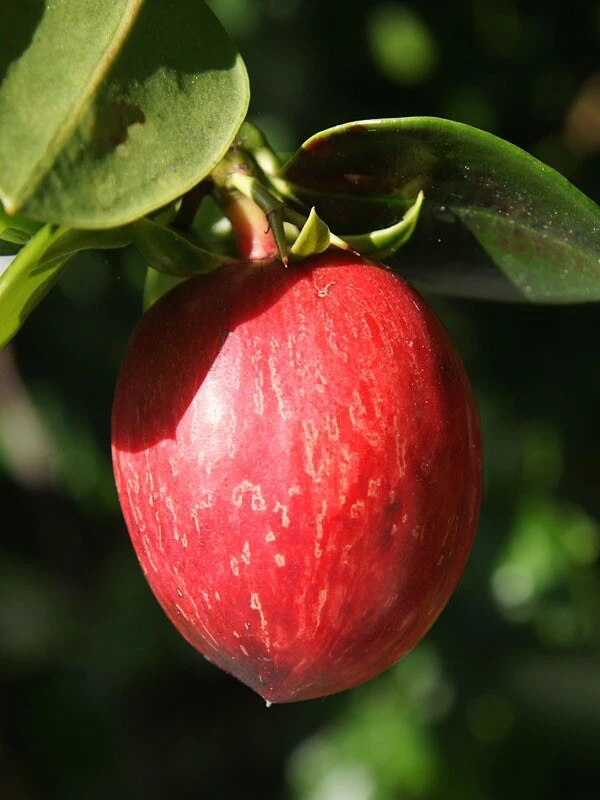
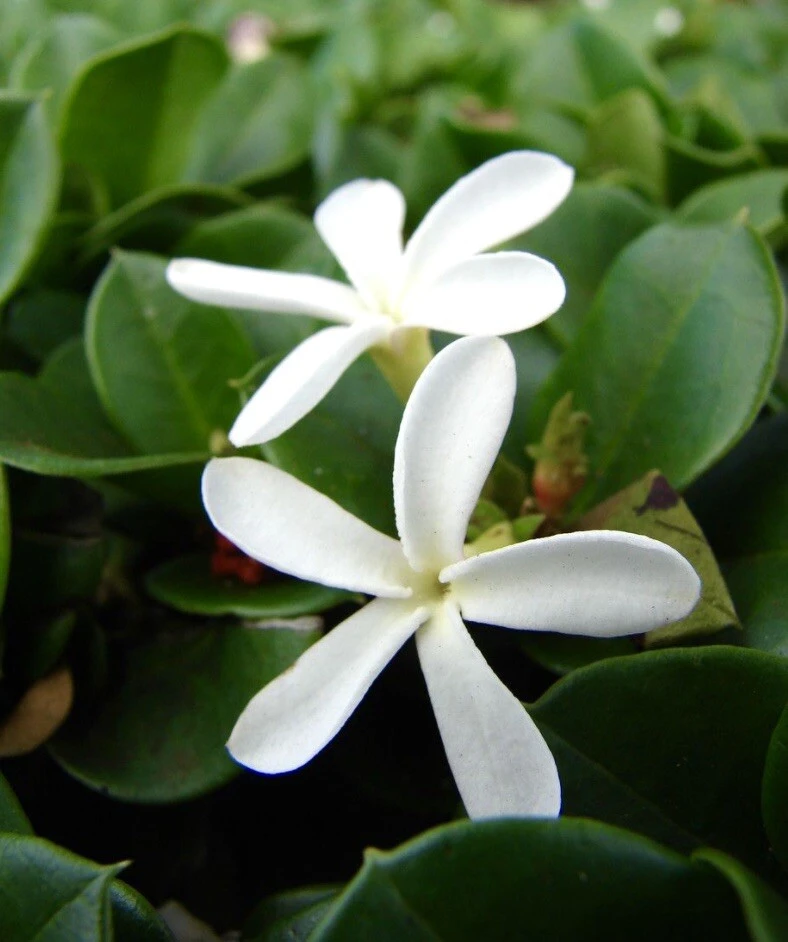
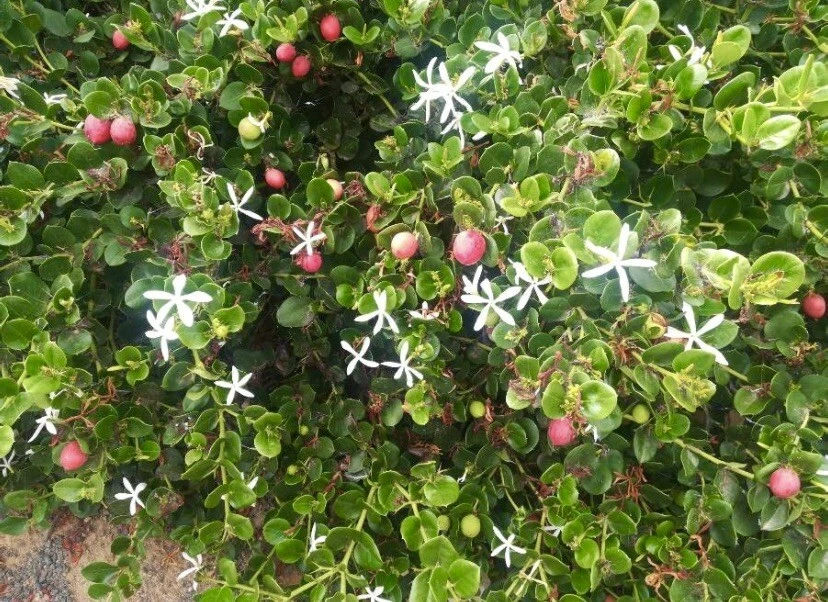
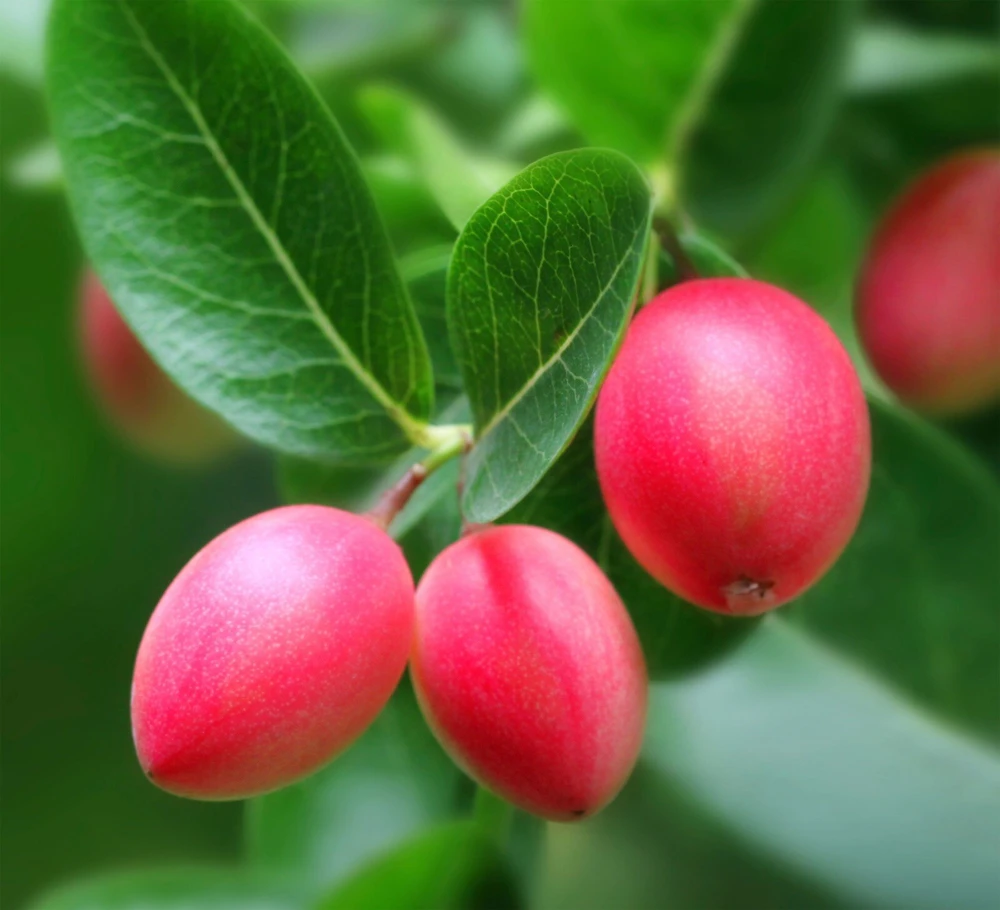
Cultivate beautiful Natal Plum seeds (Carissa Macrocarpa) in your garden. These drought tolerant shrub seeds produce evergreen bushes with fragrant white flowers and edible red fruits, perfect for outdoor landscapes.
Estimated arrival
Nov 27
Dec 02 - Dec 04
Dec 04 - Dec 09
See our Shipping Policy.
Get in touch with us via email, and our team will review your concerns.
Our Alive & Thrive Guarantee covers issues with your plants within the first 30 days. Read our Refund & Returns Policy.
-
USDA Hardiness Zone
USDA zones 9–11 -
Soil Type
Well-draining soil -
Sunlight Exposure
Full sun -
Expected Planting Period
Spring to early summer
Overview
Embark on a rewarding gardening journey with our premium Natal Plum seeds. Scientifically known as Carissa Macrocarpa, the Natal Plum is a versatile and attractive evergreen shrub native to coastal regions of South Africa. These seeds offer the opportunity to grow a resilient and beautiful plant that thrives in various outdoor settings. The Natal Plum is celebrated for its glossy green foliage, star-shaped, fragrant white flowers that bloom primarily in spring, summer, and fall, and its distinctive, edible, plum-like red fruits. Often grown as an ornamental hedge, a standalone specimen, or even a bonsai, this plant brings a touch of exotic beauty and functionality to any landscape. Starting from Carissa Macrocarpa seeds allows you to witness the entire life cycle of this fascinating perennial, from germination to a mature, fruit-bearing bush. It’s an excellent choice for gardeners looking for a low-maintenance yet visually appealing addition to their outdoor spaces.
Key Benefits
Growing Natal Plum from seeds offers a multitude of benefits for both experienced and novice gardeners. These plants are incredibly adaptable and provide year-round interest.
- Evergreen Beauty: The Natal Plum seeds will grow into a bush with dense, glossy dark green leaves, providing year-round visual appeal and structure to your garden even in winter.
- Fragrant Flowers: Enjoy the delightful scent of star-shaped white flowers that emerge throughout the warmer months, attracting pollinators and adding a sweet aroma to your outdoor living areas.
- Edible Fruit: The mature plants produce attractive, plum-like red fruits that are not only decorative but also edible. They can be enjoyed fresh or used in jams, jellies, and pies.
- Drought Tolerance: Once established, Natal Plum is a remarkably drought tolerant shrub seeds option, making it suitable for xeriscaping and gardens in drier climates, requiring less frequent watering.
- Low Maintenance: This hardy shrub requires minimal care once established, thriving with basic attention to watering and occasional pruning, making it ideal for busy gardeners.
- Versatile Landscaping: Whether used as a hedge, a specimen plant, or for erosion control, the Natal Plum’s robust growth and attractive form make it a versatile choice for various garden designs.
- Wildlife Attraction: The flowers attract butterflies and bees, while the fruits can provide a food source for birds, contributing to local biodiversity.
Plant Care & Growing Tips
Successfully growing Natal Plum seeds into thriving bushes requires attention to specific environmental conditions and care practices. The Natal Plum (Carissa Macrocarpa) is a relatively easy plant to care for once established, but proper initial planting and consistent care will ensure strong growth.
Sunlight Requirements: Natal Plums prefer full sun exposure, meaning at least 6 hours of direct sunlight per day. While they can tolerate partial shade, too little sun may result in fewer flowers and fruits, and a less dense growth habit. For optimal blooming and fruiting, ensure your planting location receives ample direct sunlight.
Watering Schedule & Soil Moisture: During germination and establishment, keep the soil consistently moist but not waterlogged. Once mature, Natal Plums are quite drought tolerant and prefer slightly drier conditions. Water deeply but infrequently, allowing the top few inches of soil to dry out completely between waterings. Overwatering can lead to root rot, so good drainage is crucial. Learning to grow Natal Plum successfully means understanding its water needs.
Soil Type & Drainage: These shrubs are adaptable to a variety of soil types, including sandy, loamy, or clay soils, as long as they are well-draining. A slightly acidic to neutral pH (6.0-7.0) is ideal. Amending heavy clay soils with organic matter like compost can improve drainage and aeration. Good drainage is paramount to prevent waterlogging and ensure healthy root development.
Temperature Range & USDA Hardiness Zone: Natal Plums are subtropical plants and are best suited for USDA Hardiness Zones 9-11. They can tolerate light frosts but are not cold-hardy. In colder zones, they can be grown in containers and brought indoors during winter, or treated as annuals. The ideal temperature range for growth is between 60°F and 90°F (15°C to 32°C).
Fertilization: Fertilize Natal Plums sparingly. A balanced, slow-release granular fertilizer applied in spring and again in mid-summer is usually sufficient. Avoid over-fertilizing, which can lead to excessive foliage growth at the expense of flowers and fruit. Young plants may benefit from a balanced liquid fertilizer every few weeks during their active growing season.
Common Problems & Solutions: Natal Plums are generally pest-resistant but can occasionally be affected by scale insects, mealybugs, or whiteflies. Treat with horticultural oil or insecticidal soap if infestations occur. Fungal issues like root rot are usually due to overwatering or poor drainage; ensure proper watering practices and well-draining soil to prevent these problems. Understanding Natal Plum plant care will help you address these issues effectively.
Size & Details
These Natal Plum seeds are supplied in a packet containing 20 viable seeds, ready for planting. Each seed holds the potential to grow into a robust and attractive Carissa Macrocarpa bush. The mature Natal Plum typically grows to a height of 4 to 7 feet, with a similar spread, forming a dense, rounded shrub. However, its size can be controlled with pruning, allowing it to be maintained as a smaller hedge or even a compact specimen plant. The growth rate is moderate, meaning you can expect to see significant development within a few years of planting. The plant is evergreen, providing continuous foliage, and begins to flower and fruit within 2-3 years under ideal conditions. The fruits, which are about 1 to 2 inches long, ripen from green to a vibrant red, adding a striking contrast to the dark green leaves. These are perennial plants, meaning they will return year after year, providing lasting beauty and harvest.
Frequently Asked Questions
- Q: How big does a Natal Plum plant get? A: A mature Natal Plum typically reaches a height and spread of 4 to 7 feet. Its size can be managed with regular pruning, allowing it to be kept smaller for hedges or container growing.
- Q: Is Natal Plum an indoor or outdoor plant? A: Natal Plum is primarily an outdoor plant, thriving in full sun in USDA Zones 9-11. In colder climates, it can be grown in containers and brought indoors during winter months.
- Q: How much sunlight do Natal Plum seeds need to grow? A: To successfully grow Natal Plum from seeds, the resulting plants will need at least 6 hours of direct sunlight per day. Full sun exposure is ideal for abundant flowering and fruiting.
- Q: Is this plant easy to care for? A: Yes, Natal Plum is considered relatively easy to care for, especially once established. It’s known for its resilience and drought tolerance, making Natal Plum plant care straightforward for most gardeners.
- Q: What condition will the Natal Plum seeds arrive in? A: The Natal Plum seeds will arrive as a packet of 20 dried, viable seeds, ready for you to start the germination process. They are carefully packaged to ensure their quality upon arrival.
- Q: When is the best time to plant Natal Plum seeds? A: The best time to plant Natal Plum seeds is in spring or early summer, after the last threat of frost, when soil temperatures are consistently warm. This provides optimal conditions for germination and early growth.
- Q: Will Natal Plum survive winter in my zone? A: Natal Plum is suitable for USDA Hardiness Zones 9-11. It can tolerate light frost but will not survive prolonged freezing temperatures. In colder zones, winter protection or indoor cultivation is necessary.
- Q: Are the fruits of the Natal Plum edible? A: Yes, the ripe red fruits of the Natal Plum are edible. They have a tart, cranberry-like flavor and can be eaten fresh or used in various culinary applications like jams, jellies, and desserts.
- Q: What are these Carissa Macrocarpa seeds used for in landscaping? A: Carissa Macrocarpa seeds grow into versatile shrubs often used for hedges, barrier plantings due to their thorns, specimen plants, foundation plantings, or in coastal landscapes due to their salt tolerance. They are a great choice for a drought tolerant shrub seeds option.
- Q: How long does it take for Natal Plum seeds to germinate? A: Germination time can vary, but typically Natal Plum seeds will sprout within 2-4 weeks under ideal conditions, which include consistent warmth and moisture.
Be the first to review “Natal Plum Seeds – Carissa Macrocarpa Bush & Shrub Seeds – 20 Count – Outdoor”
Related products


You May Like

How to Grow Passion Flower (Passiflora) for Tropical Blooms
Few climbing vines in the home garden command attention quite like the exotic Passion Flower (Passiflora). [...]
Nov

Thanksgiving Cactus Care: How to Get Thanksgiving Cactus to Bloom
Is your Thanksgiving cactus growing well but not giving you any flowers? Maybe it looked [...]
Nov

How to Grow Garlic for a Bountiful Home Harvest
Garlic (Allium sativum) is one of the most satisfying, low-maintenance, and flavor-packed crops you can [...]
Oct

Hardneck vs. Softneck Garlic: Which Should You Grow?
Have you ever stood in front of a seed catalog in mid-September, staring at dozens [...]
1 Comment
Oct

When to Plant Music Garlic: Ultimate US Fall Guide
Have you ever spent your fall weekend placing carefully chosen garlic cloves into rich, dark [...]
1 Comment
Oct

5 Best Bulbs for Fall Planting: Brighten Your Garden This Spring
Are you dreaming of a garden full of vibrant colors in the spring? The key [...]
Aug

10 Houseplants That Will Thrive in Your Kitchen
Are you tired of your kitchen feeling dull and lifeless? Want to add a little [...]
1 Comment
Aug
Reviews
There are no reviews yet.