

Orange Hook Sedge Seeds – Uncinia egmontiana – 50 Seeds – Perennial Groundcover
Original price was: 48.91 $.19.91 $Current price is: 19.91 $.
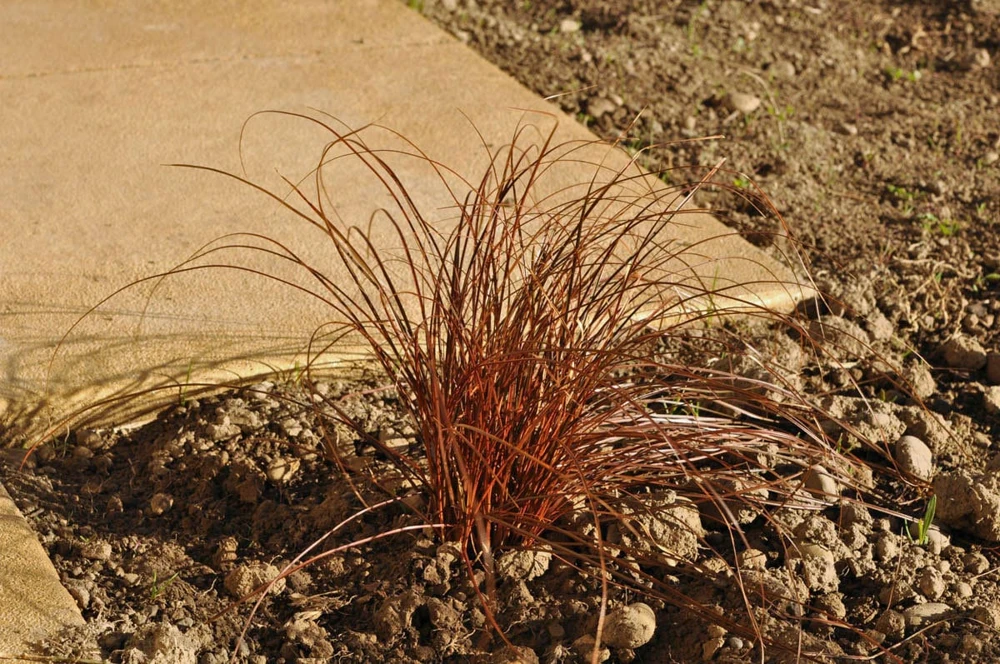
Cultivate stunning orange hook sedge seeds (Uncinia egmontiana), a vibrant perennial groundcover perfect for partial to full shade. Each packet contains 50 seeds, ready to transform your garden into a lush, low-maintenance landscape. Enjoy its unique bronze and brown foliage from USDA Zones 8-11.
Estimated arrival
Nov 26
Dec 01 - Dec 03
Dec 03 - Dec 08
See our Shipping Policy.
Get in touch with us via email, and our team will review your concerns.
Our Alive & Thrive Guarantee covers issues with your plants within the first 30 days. Read our Refund & Returns Policy.
-
USDA Hardiness Zone
USDA Zones 8 to 11 -
Soil Type
Moist, well-draining soil -
Sunlight Exposure
Partial to full shade -
Expected Planting Period
Spring to early summer
Overview
Discover the unique beauty of orange hook sedge seeds, also known by its botanical name, Uncinia egmontiana. These 50 seeds offer a fantastic opportunity to grow a distinctive perennial groundcover that adds texture and subtle color to shaded areas of your garden. The plant is often referred to as Egmont Hook Sedge, highlighting its natural elegance and origin. This particular sedge is celebrated for its low-growing habit and ability to thrive in conditions where many other plants struggle, making it an excellent choice for woodland gardens, under trees, or along shaded pathways. The seeds are carefully collected to ensure viability, providing you with a reliable start to cultivating this charming plant. Its unique foliage and adaptability make it a versatile addition to various garden designs, offering a year-round presence with minimal fuss. Embrace the natural beauty and ease of growth that comes with planting uncinia egmontiana seeds.
The orange hook sedge seeds you receive will germinate into plants that form a dense mat, effectively suppressing weeds while providing a lush, green carpet. This sedge is not just a filler; its subtle coloration, ranging from purple to black, bronze, and brown, creates an intriguing visual interest, particularly when light catches its unique leaves. Ideal for gardeners seeking a sustainable and aesthetically pleasing solution for challenging shady spots, the Egmont Hook Sedge offers both beauty and practicality. It’s a fantastic choice for creating a naturalistic landscape or adding a touch of wild elegance to more formal designs. With these 50 seeds, you can easily establish a significant patch of this remarkable plant, enhancing the biodiversity and visual appeal of your outdoor space.
Key Benefits
Growing orange hook sedge seeds offers a multitude of advantages for both novice and experienced gardeners. This robust plant provides aesthetic appeal and practical benefits, making it a valuable addition to your landscape.
- Exceptional Shade Tolerance: Unlike many plants that demand full sun, the orange hook sedge seeds thrive in partial to full shade, making it a perfect solution for those challenging, dimly lit areas in your garden where other plants might struggle to grow.
- Low Maintenance Groundcover: Once established, Uncinia egmontiana requires minimal care. It forms a dense, weed-suppressing mat, reducing the need for constant weeding and making it an ideal choice for a low-effort landscape.
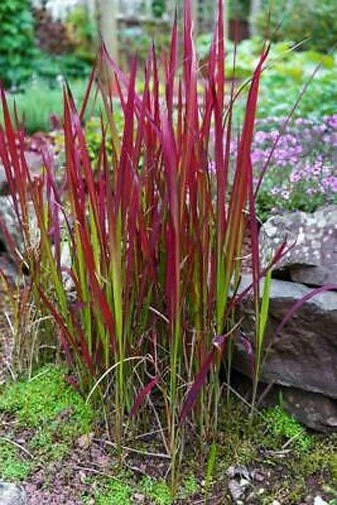
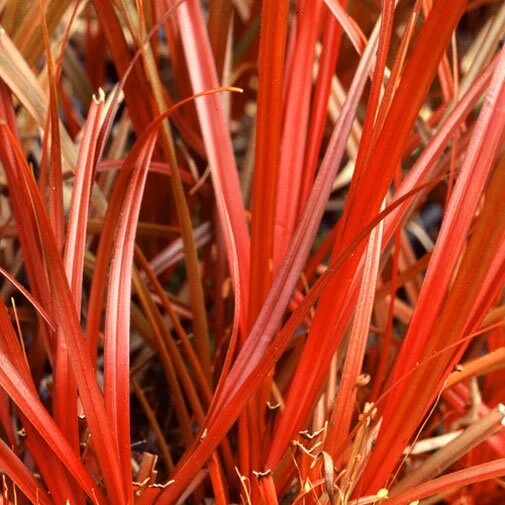
- Unique Foliage Coloration: The plant boasts intriguing foliage that transitions through shades of purple, black, bronze, and brown. This subtle yet captivating color palette provides year-round visual interest, especially when contrasted with brighter green plants.
- Erosion Control: Its strong root system helps to stabilize soil on slopes and banks, preventing erosion and maintaining the integrity of your garden’s contours. This makes it an excellent choice for sloped areas.
- Perennial Durability: As a perennial, the uncinia egmontiana seeds will return year after year, establishing a long-lasting presence in your garden without the need for annual replanting.
- Deer Resistant: Generally, deer tend to avoid sedges, making the Egmont Hook Sedge a good option for gardens in areas prone to deer browsing.
- Adaptable to Various Soil Types: While it prefers moist, well-draining soil, this sedge shows good adaptability to a range of soil conditions, adding to its versatility in the garden.
Plant Care & Growing Tips
Successfully growing orange hook sedge seeds begins with understanding their preferred environment and providing consistent care. These sedges are relatively easy to establish and maintain, especially when their basic needs are met. Start by sowing the uncinia egmontiana seeds in late winter or early spring indoors, or directly outdoors after the last frost date, ensuring the soil temperature is suitable for germination. Lightly cover the seeds with a thin layer of soil or sand, as some sedges require light for germination. Keep the soil consistently moist until seedlings emerge, which can take several weeks.
For established plants, the Egmont Hook Sedge thrives in partial to full shade. While it can tolerate some morning sun, intense afternoon sun can scorch its delicate foliage. Aim for areas that receive dappled light throughout the day or complete shade. The ideal soil for this perennial groundcover is consistently moist, well-draining, and rich in organic matter. Amend heavy clay soils with compost to improve drainage and aeration. Watering should be regular, especially during dry spells, to keep the soil from drying out completely. However, avoid waterlogging, as this can lead to root rot. Once mature, the plant is fairly drought-tolerant but will perform best with consistent moisture.
The orange hook sedge seeds will develop into plants hardy in USDA Zones 8 to 11. In these zones, the plant is evergreen or semi-evergreen, retaining much of its color throughout the year. Fertilization is generally not heavily required; a light application of a balanced, slow-release granular fertilizer in spring can promote vigorous growth. Watch out for common garden pests, though sedges are generally quite resistant. Minimal pruning is needed, primarily to remove any dead or damaged foliage to maintain a tidy appearance. With these straightforward care practices, your shade tolerant sedge will flourish and provide lasting beauty.
Size & Details
The orange hook sedge seeds will develop into a charming perennial groundcover that typically reaches a height of up to 1 foot (30 cm) at maturity. This compact size makes it an excellent choice for borders, rock gardens, or as an underplanting for larger shrubs and trees. The plant spreads slowly via rhizomes, forming a dense clump over time, providing effective ground coverage. Each packet contains 50 seeds, offering a generous quantity to start a substantial planting area or to spread across multiple garden beds. These uncinia egmontiana seeds are designed to produce robust plants that will mature into their full size within 1-2 growing seasons, depending on environmental conditions and care.
The foliage of the Egmont Hook Sedge is a key feature, showcasing a remarkable blend of purple, black, bronze, and brown hues. These colors are most prominent from mid-summer through early fall, adding a unique texture and visual interest to your garden during these months. The seeds are shipped in a protective packet, ensuring their viability upon arrival. Expect germination to occur within 2-4 weeks under optimal conditions. This perennial groundcover seeds option is known for its moderate growth rate, establishing itself firmly without becoming invasive. It’s a durable and long-lasting addition to any landscape within its recommended hardiness zones.
Frequently Asked Questions
- Q: How big does this plant get from these seeds? A: The orange hook sedge seeds will grow into plants that typically reach a height of up to 1 foot (30 cm). It forms a dense, clumping groundcover, spreading slowly over time.
- Q: Is this an indoor or outdoor plant? A: This is primarily an outdoor perennial groundcover. While it can be grown in containers, it thrives best in garden beds, especially in shaded outdoor environments within USDA Hardiness Zones 8 to 11.
- Q: How much sunlight does it need? A: Uncinia egmontiana seeds will develop into plants that prefer partial to full shade. It performs best in areas with dappled sunlight or consistent shade throughout the day, avoiding harsh afternoon sun.
- Q: Is this plant easy to care for? A: Yes, the Egmont Hook Sedge is considered low-maintenance once established. It requires consistent moisture but is otherwise quite resilient and doesn’t demand frequent attention, making it suitable for beginners.
- Q: What condition will the seeds arrive in? A: The 50 seeds will arrive in a protective packet, carefully packaged to ensure their viability and safe transit to your home. They are ready for planting upon arrival.
- Q: How long until it blooms or shows its full color? A: While primarily grown for its foliage, the distinctive purple, black, bronze, and brown coloration of the sedge becomes most prominent from mid-summer until early fall in its first or second growing season.
- Q: Will it survive winter in my zone? A: This shade tolerant sedge is hardy in USDA Hardiness Zones 8 to 11. In these zones, it will typically survive winter, often remaining evergreen or semi-evergreen.
Be the first to review “Orange Hook Sedge Seeds – Uncinia egmontiana – 50 Seeds – Perennial Groundcover”
Related products


Grass Seeds
Rattlesnake Mannagrass Seeds – Glyceria Canadensis – 250 Seeds – Native Wetland Ornamental Grass


Grass Seeds
25 Dwarf Purple Chinese Fountain Grass Seeds – Pennisetum Alopecuroides Hardy Ornamental


You May Like

How to Grow Passion Flower (Passiflora) for Tropical Blooms
Few climbing vines in the home garden command attention quite like the exotic Passion Flower (Passiflora). [...]
Nov

Thanksgiving Cactus Care: How to Get Thanksgiving Cactus to Bloom
Is your Thanksgiving cactus growing well but not giving you any flowers? Maybe it looked [...]
Nov

How to Grow Garlic for a Bountiful Home Harvest
Garlic (Allium sativum) is one of the most satisfying, low-maintenance, and flavor-packed crops you can [...]
Oct

Hardneck vs. Softneck Garlic: Which Should You Grow?
Have you ever stood in front of a seed catalog in mid-September, staring at dozens [...]
1 Comment
Oct

When to Plant Music Garlic: Ultimate US Fall Guide
Have you ever spent your fall weekend placing carefully chosen garlic cloves into rich, dark [...]
1 Comment
Oct

5 Best Bulbs for Fall Planting: Brighten Your Garden This Spring
Are you dreaming of a garden full of vibrant colors in the spring? The key [...]
Aug

10 Houseplants That Will Thrive in Your Kitchen
Are you tired of your kitchen feeling dull and lifeless? Want to add a little [...]
1 Comment
Aug
Reviews
There are no reviews yet.