
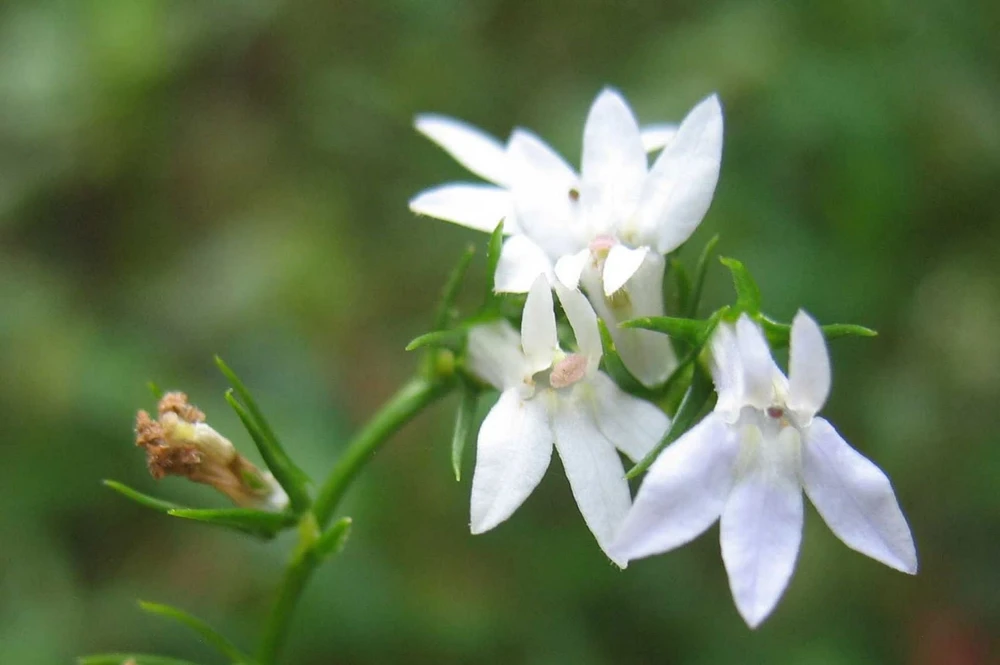
Palespike Lobelia Seeds – Lobelia spicata – 1000 Seeds – Outdoor Perennial
Original price was: 42.91 $.13.91 $Current price is: 13.91 $.
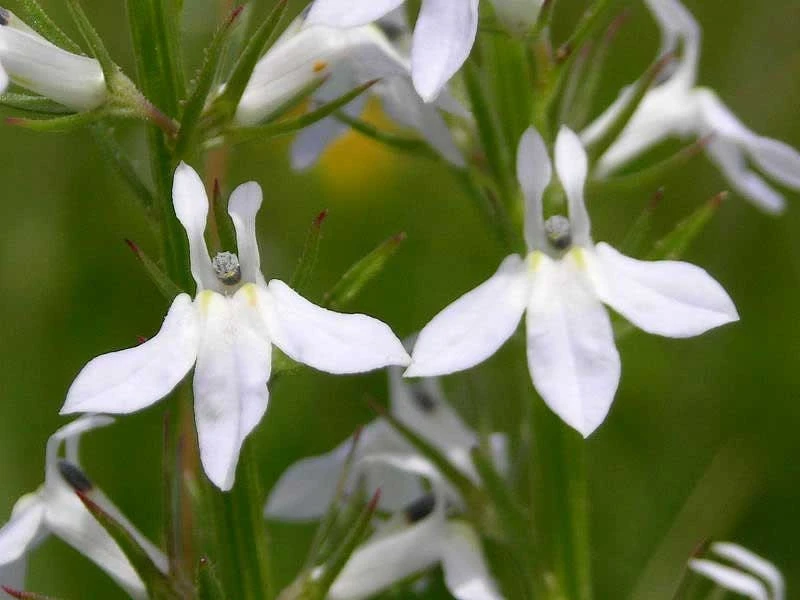
Cultivate stunning palespike lobelia seeds (Lobelia spicata) in your garden with this generous pack of 1000 seeds. Known for attracting butterflies, skippers, and especially bees, this perennial plant thrives in sun to partial shade and prefers consistent moisture.
Estimated arrival
Nov 27
Dec 02 - Dec 04
Dec 04 - Dec 09
See our Shipping Policy.
Get in touch with us via email, and our team will review your concerns.
Our Alive & Thrive Guarantee covers issues with your plants within the first 30 days. Read our Refund & Returns Policy.
-
USDA Hardiness Zone
4 to 9 -
Soil Type
Rich, well-draining loam -
Sunlight Exposure
Full sun to partial shade -
Expected Planting Period
Late fall or early spring
Overview
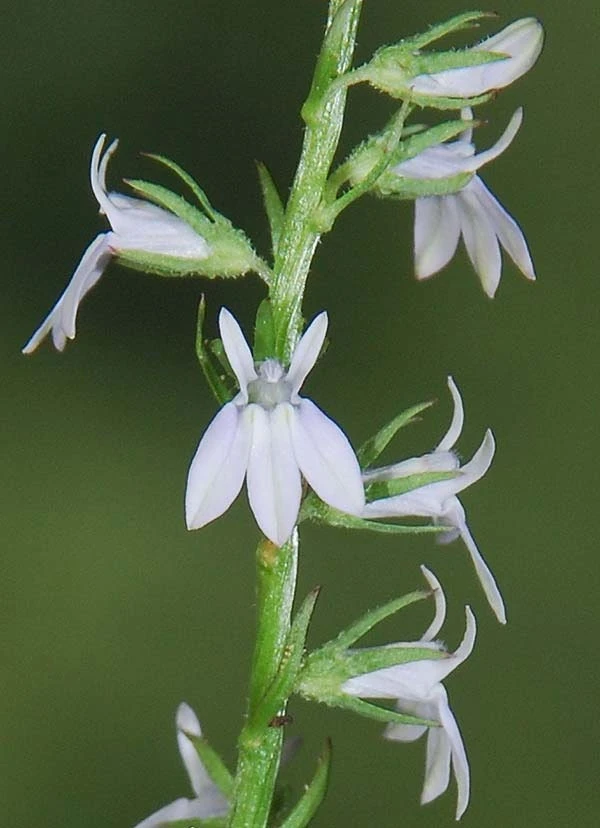
Transform your garden into a vibrant haven for pollinators with these premium palespike lobelia seeds. Also known by its botanical name Lobelia spicata, or simply Spiked Lobelia, this delightful perennial is a must-have for any enthusiast looking to add beauty and ecological value to their outdoor space. You’ll receive 1000 high-quality seeds, ready to germinate and grow into elegant plants that reach up to 3 feet in height. These plants are particularly beloved by small butterflies and skippers, but it’s the bees who truly adore gathering nectar from their delicate blooms. The lobelia spicata seeds promise a stunning display from mid-summer through early fall, providing continuous interest and life to your garden.
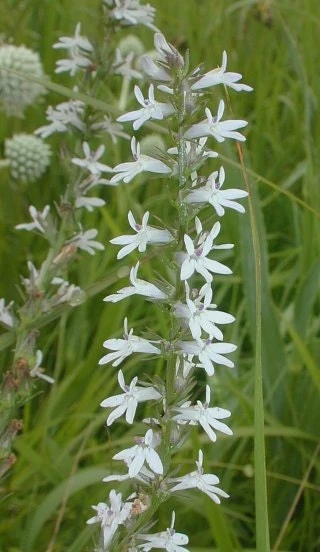
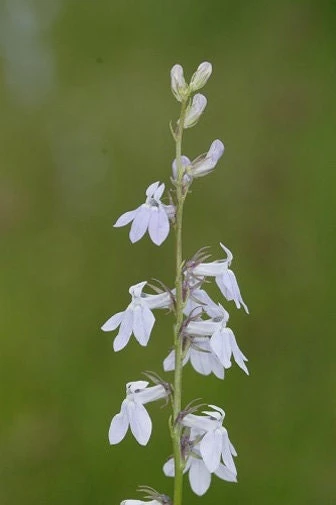
This species, often referred to as spiked lobelia plant, is a fantastic choice for gardeners in USDA Hardiness Zones 4 to 9. It requires consistent moisture and should not be allowed to dry out, making it an excellent candidate for rain gardens, borders, or any area where soil can remain reliably damp. With its slender spikes of pale-colored flowers, it adds a unique vertical element to garden designs. Planting these palespike lobelia seeds is an investment in both aesthetic appeal and environmental support, contributing to local biodiversity and creating a welcoming space for beneficial insects.
Key Benefits
Choosing to grow palespike lobelia seeds offers a multitude of advantages for your garden and local ecosystem. These seeds will help you cultivate a robust and beautiful plant with several desirable characteristics:
- Attracts Pollinators: This plant is a magnet for bees, butterflies, and skippers, playing a crucial role in supporting local pollinator populations. By planting these palespike lobelia seeds, you contribute to a healthier ecosystem.
- Extended Bloom Time: Enjoy beautiful blooms from mid-summer until early fall, providing continuous color and nectar sources during a critical period for insects. The long flowering season ensures your garden remains lively.
- Vertical Interest: Reaching up to 3 feet tall, the slender flower spikes of the spiked lobelia plant add an attractive vertical dimension to garden beds and borders, enhancing visual appeal.
- Adaptable to Sun or Partial Shade: This versatile plant can thrive in various light conditions, from full sun to partial shade, offering flexibility in garden placement.
- Moisture-Loving: Ideal for areas with consistent moisture or as part of a rain garden, helping to manage water and create a lush environment. This makes it a perfect choice for gardeners looking for moisture loving plants.
- Hardy Perennial: Suitable for USDA Zones 4 to 9, meaning it will return year after year, providing lasting beauty with minimal effort once established.
- Low Maintenance: Once established and its moisture needs are met, the palespike lobelia seeds grow into a relatively low-maintenance plant, allowing you more time to enjoy your garden.
Plant Care & Growing Tips
Growing palespike lobelia seeds into healthy, thriving plants is a rewarding experience with a few key considerations. These plants prefer a location that receives full sun to partial shade. In hotter climates, partial shade during the intense afternoon hours can be beneficial to prevent scorching. Aim for at least 4-6 hours of direct sunlight for optimal growth and flowering. The most critical aspect of caring for your spiked lobelia plant is consistent moisture. This species cannot tolerate dry conditions and will suffer if allowed to dry out completely. Ensure the soil remains consistently moist, especially during dry spells and the blooming period. Regular watering is essential, and mulching can help retain soil moisture.
For soil, a rich, well-draining loam that retains moisture well is ideal. Amend heavy clay soils with organic matter to improve drainage and aeration, or sandy soils to enhance water retention. The USDA Hardiness Zones for this plant are 4 to 9, indicating its resilience across a wide range of climates. Fertilization is generally not heavily required if the soil is rich in organic matter. However, a balanced, slow-release fertilizer applied in early spring can promote vigorous growth. Watch out for common garden pests, though Lobelia spicata is generally quite robust. Proper spacing and good air circulation can help prevent fungal diseases. With proper care, your pollinator garden seeds will flourish into magnificent plants.
When starting your lobelia spicata seeds, it’s often best to sow them directly outdoors in late fall or early spring, as they require a period of cold stratification for optimal germination. Alternatively, you can start them indoors 6-8 weeks before the last frost. Scatter the tiny seeds on the surface of moist potting mix and lightly press them in, as they need light to germinate. Keep the soil consistently moist during germination. Once seedlings are large enough to handle, transplant them to their final garden location, ensuring adequate spacing for mature plants. Remember, consistent moisture is key for these beautiful moisture loving plants.
Size & Details
These palespike lobelia seeds will mature into a graceful perennial plant, typically reaching an average height of 2 to 3 feet (approximately 60 to 90 cm) with a spread of about 1 foot (30 cm). The plant forms an upright clump of foliage from which slender flower spikes emerge. Each seed packet contains 1000 seeds, providing ample opportunity to establish a significant patch or distribute plants throughout your garden. The growth rate is moderate, with plants typically establishing well in their first year and blooming from mid-summer through early fall in subsequent years. These plants are shipped as dry seeds, ready for you to begin their journey from germination to a full-grown spiked lobelia plant. Expect the plants to start blooming in their second year when grown from seed, offering a long-term contribution to your pollinator garden seeds efforts.
Frequently Asked Questions
- Q: How big does this plant get? A: The spiked lobelia plant typically grows to a height of 2 to 3 feet (60-90 cm) and has a spread of about 1 foot (30 cm). This makes it an excellent choice for adding vertical interest to your garden beds and borders.
- Q: Is this an indoor or outdoor plant? A: This plant is primarily an outdoor perennial, thriving in garden beds, borders, and naturalized areas. It is not generally grown as an indoor houseplant due to its specific light and moisture requirements.
- Q: How much sunlight does it need? A: The palespike lobelia seeds will produce plants that prefer full sun to partial shade. For best flowering, aim for at least 4-6 hours of direct sunlight daily. In very hot climates, some afternoon shade can be beneficial.
- Q: Is this plant easy to care for? A: Once established, the spiked lobelia plant is relatively easy to care for, provided its moisture needs are consistently met. It is considered low-maintenance for gardeners in its hardiness zones.
- Q: What condition will it arrive in? A: You will receive 1000 high-quality palespike lobelia seeds in a protective packet, ready for planting. These are dry seeds, not live plants.
- Q: How long until it blooms? A: When grown from lobelia spicata seeds, the plant typically establishes itself in the first year and begins to bloom in its second year, continuing to flower from mid-summer to early fall.
- Q: Will it survive winter in my zone? A: Yes, this perennial is hardy in USDA Zones 4 to 9, meaning it is well-equipped to survive winter in these regions and return each spring.
- Q: Can I use these seeds to attract pollinators? A: Absolutely! These pollinator garden seeds are specifically known for attracting a wide variety of beneficial insects, including bees, butterflies, and skippers, making them ideal for supporting local biodiversity.
- Q: What kind of soil does it prefer? A: The spiked lobelia plant thrives in rich, well-draining soil that retains consistent moisture. Amending with organic matter can improve soil structure and water retention.
- Q: Are these plants considered moisture loving plants? A: Yes, Lobelia spicata is indeed one of the moisture loving plants and requires consistently moist soil. It cannot tolerate dry conditions and is an excellent choice for areas with reliable moisture or rain gardens.
Be the first to review “Palespike Lobelia Seeds – Lobelia spicata – 1000 Seeds – Outdoor Perennial”
Related products


Flower Seeds
Blue Stock Matthiola Incana Seeds – 50 Fragrant Gillyflower Seeds – Ten-Week Blue Stock


You May Like

How to Grow Passion Flower (Passiflora) for Tropical Blooms
Few climbing vines in the home garden command attention quite like the exotic Passion Flower (Passiflora). [...]
Nov

Thanksgiving Cactus Care: How to Get Thanksgiving Cactus to Bloom
Is your Thanksgiving cactus growing well but not giving you any flowers? Maybe it looked [...]
Nov

How to Grow Garlic for a Bountiful Home Harvest
Garlic (Allium sativum) is one of the most satisfying, low-maintenance, and flavor-packed crops you can [...]
Oct

Hardneck vs. Softneck Garlic: Which Should You Grow?
Have you ever stood in front of a seed catalog in mid-September, staring at dozens [...]
1 Comment
Oct

When to Plant Music Garlic: Ultimate US Fall Guide
Have you ever spent your fall weekend placing carefully chosen garlic cloves into rich, dark [...]
1 Comment
Oct

5 Best Bulbs for Fall Planting: Brighten Your Garden This Spring
Are you dreaming of a garden full of vibrant colors in the spring? The key [...]
Aug

10 Houseplants That Will Thrive in Your Kitchen
Are you tired of your kitchen feeling dull and lifeless? Want to add a little [...]
1 Comment
Aug
Reviews
There are no reviews yet.