
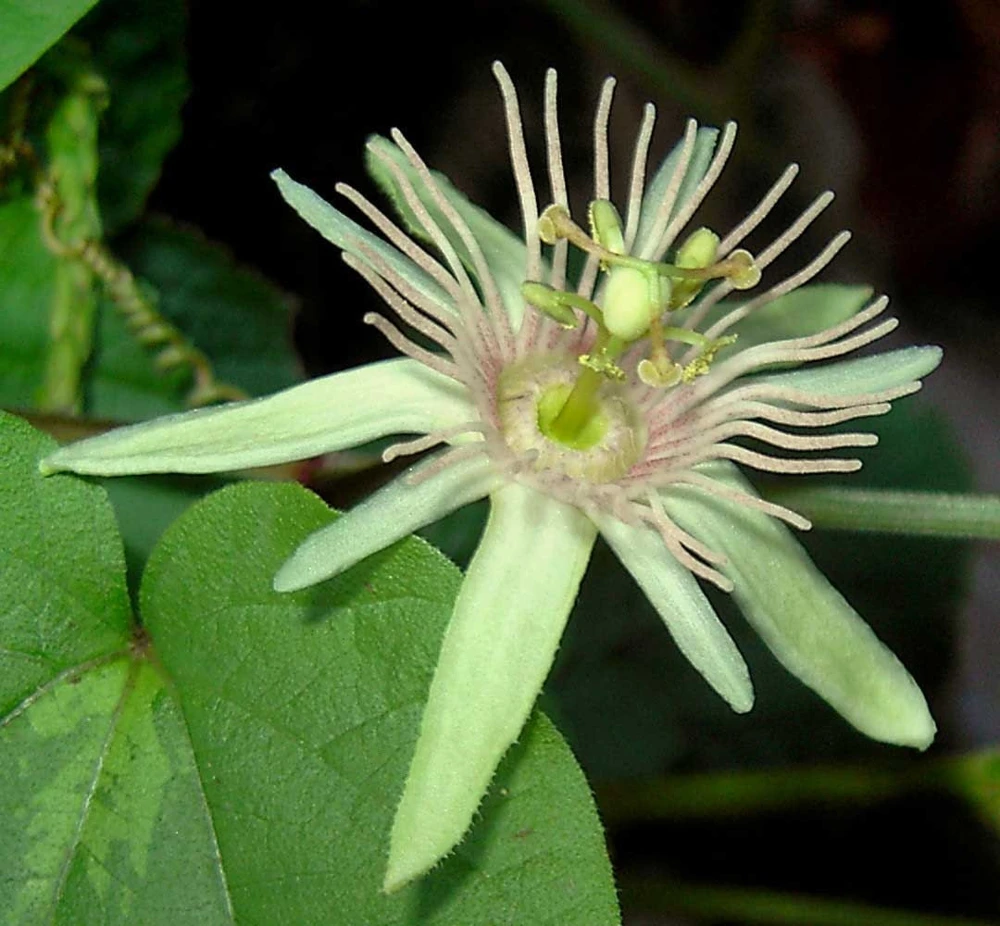
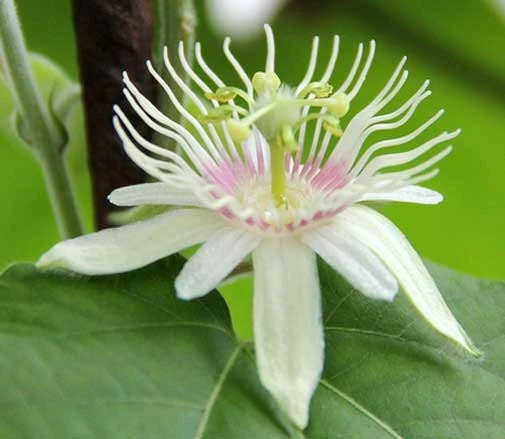
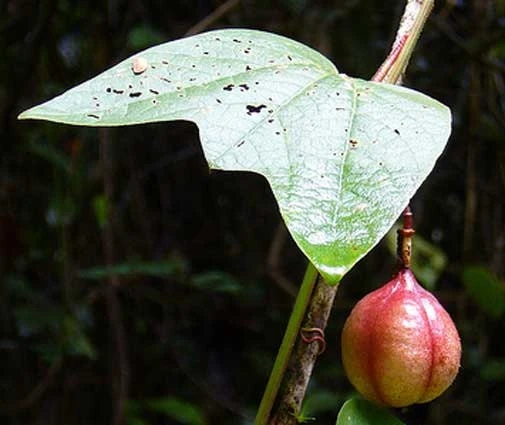
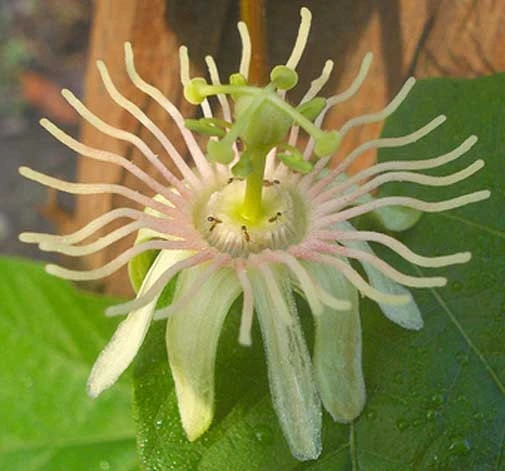
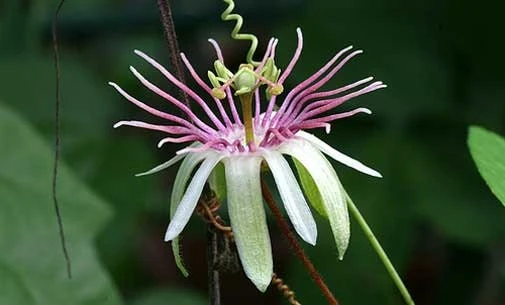
Passiflora Rubra Seeds – Dutchman’s Laudanum Vine – 5 Seeds
Original price was: 44.91 $.15.91 $Current price is: 15.91 $.
Cultivate the stunning Passiflora rubra seeds, also known as Dutchman’s Laudanum seeds. These tropical vine seeds are ideal for attracting a variety of butterflies, serving as a crucial butterfly host plant seeds. Enjoy vibrant blooms from late spring through mid-fall.
Estimated arrival
Nov 27
Dec 02 - Dec 04
Dec 04 - Dec 09
See our Shipping Policy.
Get in touch with us via email, and our team will review your concerns.
Our Alive & Thrive Guarantee covers issues with your plants within the first 30 days. Read our Refund & Returns Policy.
-
USDA Hardiness Zone
USDA Hardiness Zones 9 to 10 -
Soil Type
Well-draining, fertile, slightly acidic to neutral soil -
Sunlight Exposure
Full sun to partial shade -
Expected Planting Period
Spring to early summer
Overview
Embark on a captivating gardening journey with these premium Passiflora rubra seeds. Also widely recognized as Dutchman’s Laudanum, this exquisite vine is a must-have for any enthusiast looking to add a touch of tropical allure and vibrant life to their outdoor space. Known for its unique and intricate flowers, the Passiflora rubra is not only a visual delight but also plays a vital ecological role. These seeds offer you the opportunity to cultivate a vigorous climbing plant that will transform your garden into a haven for pollinators, especially butterflies. With its lush foliage and striking blooms, it promises a spectacular display from late spring well into the middle of fall.
The Passiflora rubra vine is celebrated for its rapid growth and its ability to adapt to various garden settings, making it a rewarding choice for both novice and experienced gardeners. Growing from Passiflora rubra seeds allows you to witness the plant’s full life cycle, from germination to flowering. This plant is particularly cherished for its role as a larval host for numerous butterfly species, including the Zebra Long Wing, Julia Heliconian, and Gulf Fritillary, making it an essential component of any butterfly garden. If you’re searching for Dutchman’s Laudanum seeds that promise both beauty and ecological benefit, look no further.
Key Benefits
The Passiflora rubra offers a multitude of benefits that extend beyond its aesthetic appeal, making it a valuable addition to your garden. Cultivating this vine from Passiflora rubra seeds provides a unique experience with lasting rewards.
- Attracts a Diverse Range of Butterflies: This vine is a crucial host plant for numerous butterfly species, including the Zebra Long Wing, Zebra Heliconian, Julia Heliconian, and Gulf Fritillary. Planting these butterfly host plant seeds will turn your garden into a bustling ecosystem.
- Stunning and Exotic Blooms: The Passiflora rubra produces intricate and beautiful flowers that add a vibrant, tropical touch to any landscape. Its unique appearance makes it a focal point in any garden setting.
- Extended Blooming Season: Enjoy continuous floral displays from late spring through the middle of fall, providing long-lasting beauty and nectar sources for pollinators.
- Vigorous Growth Habit: This vine grows enthusiastically, quickly covering trellises, fences, or arbors, creating a lush green backdrop with colorful accents.
- Supports Local Wildlife: Beyond butterflies, it also serves as a larval host plant for moths like the Plebeian Sphinx Moth, contributing to local biodiversity.
- Relatively Low Maintenance: Once established, the Passiflora rubra is quite resilient and requires minimal intervention, especially when grown from strong Passiflora vine seeds.
- Creates a Tropical Ambiance: Its exotic flowers and lush foliage instantly evoke a tropical feel, enhancing the aesthetic appeal of your outdoor living spaces.
Plant Care & Growing Tips
Successful cultivation of Passiflora rubra from Passiflora rubra seeds requires attention to its specific environmental needs. This tropical vine thrives in conditions that mimic its native habitat. For optimal growth and prolific blooming, understanding its light, water, and soil preferences is crucial. Proper care ensures a healthy and vibrant plant that will serve as an excellent butterfly host plant seeds.
When planting your Dutchman’s Laudanum seeds, choose a location that receives either full sun or partial shade. Full sun (at least 6-8 hours of direct sunlight daily) will encourage the most abundant flowering, while partial shade (4-6 hours of sun, especially morning sun with afternoon shade) can protect the foliage from intense summer heat in warmer climates. The vine prefers consistently moist, but not waterlogged, soil. Water regularly, especially during dry spells and when the plant is actively growing. Allow the top inch or two of soil to dry out slightly between waterings to prevent root rot. Ensure excellent drainage, as soggy conditions are detrimental to passion vines.
The ideal soil for Passiflora rubra is well-draining, fertile, and slightly acidic to neutral (pH 6.0-7.0). Amend heavy clay soils with organic matter like compost or aged manure to improve drainage and aeration. For sandy soils, organic matter will help retain moisture and nutrients. This vine is hardy in USDA Hardiness Zones 9 to 10. In colder regions, it can be grown in containers and brought indoors during winter or treated as an annual. Fertilize monthly during the growing season (spring through fall) with a balanced liquid fertilizer, reducing frequency in winter. Watch out for common pests like aphids or spider mites, and treat with insecticidal soap if necessary. Providing a trellis or other support structure is essential as the vine grows, allowing it to climb and display its beautiful blooms.
Size & Details
These Passiflora rubra seeds will germinate into a robust climbing vine. The Passiflora rubra, also known as Dutchman’s Laudanum, is a fast-growing perennial vine that can reach impressive lengths, typically growing 10 to 20 feet tall when provided with adequate support. The seeds are shipped in a quantity of 5 seeds per pack, offering a great start to cultivate this beautiful plant. While the mature size can vary based on growing conditions and climate, expect a vigorous plant that quickly establishes itself. The blooms, which are the main attraction, typically appear from late spring and continue through the middle of fall, offering a long season of interest.
The foliage provides a dense cover, making it excellent for screening or adorning structures. Each seed holds the potential for a vibrant plant that will become a focal point in your garden. The vine’s growth rate is considered medium to fast, meaning you won’t have to wait long to see significant development. When planting, consider the mature size to provide enough space and support for its climbing habit. These tropical vine seeds are a fantastic choice for creating a lush, dynamic garden display.
Frequently Asked Questions
- Q: How big does this plant get? A: The Passiflora rubra vine can typically grow to a height of 10 to 20 feet, depending on growing conditions and the support provided. It is a vigorous climber that will quickly cover a trellis or arbor.
- Q: Is this an indoor or outdoor plant? A: While primarily an outdoor plant thriving in USDA Zones 9-10, it can be grown in containers and brought indoors during winter in colder climates. It performs best outdoors in full sun or partial shade.
- Q: How much sunlight does it need? A: Passiflora rubra prefers full sun (6-8 hours of direct sunlight daily) for optimal flowering, but it can also tolerate partial shade, especially in hotter climates where afternoon shade can be beneficial.
- Q: Is this plant easy to care for? A: Yes, once established, Passiflora rubra is relatively easy to care for. It requires regular watering to keep the soil consistently moist but well-drained, and occasional fertilization during the growing season.
- Q: What condition will the Passiflora rubra seeds arrive in? A: Your order will contain 5 seeds of Passiflora rubra, carefully packaged to ensure their viability and safe arrival, ready for planting.
- Q: When is the best time to plant Dutchman’s Laudanum seeds? A: The best time to plant these seeds is typically in the spring after the last frost, when soil temperatures have warmed up. This allows the plant to establish itself before the peak growing season.
- Q: Will it survive winter in my zone? A: Passiflora rubra is hardy in USDA Zones 9 to 10. In zones colder than 9, it may need protection or to be grown as an annual, or overwintered indoors as a container plant.
- Q: Why is Passiflora rubra considered a butterfly host plant seeds? A: The foliage of Passiflora rubra serves as a food source for the caterpillars of several butterfly species, including the Zebra Long Wing and Julia Heliconian, making it essential for their life cycle.
- Q: What kind of soil is best for these Passiflora vine seeds? A: A well-draining, fertile soil that is slightly acidic to neutral (pH 6.0-7.0) is ideal for growing Passiflora rubra. Amending with organic matter is recommended.
- Q: How long does it take for the seeds to germinate? A: Germination times can vary, but with proper conditions (warmth and moisture), you can typically expect germination within a few weeks to a couple of months. Pre-soaking seeds can sometimes speed up the process.
Be the first to review “Passiflora Rubra Seeds – Dutchman’s Laudanum Vine – 5 Seeds”
Related products


Flower Seeds
Blue Stock Matthiola Incana Seeds – 50 Fragrant Gillyflower Seeds – Ten-Week Blue Stock


You May Like

How to Grow Passion Flower (Passiflora) for Tropical Blooms
Few climbing vines in the home garden command attention quite like the exotic Passion Flower (Passiflora). [...]
Nov

Thanksgiving Cactus Care: How to Get Thanksgiving Cactus to Bloom
Is your Thanksgiving cactus growing well but not giving you any flowers? Maybe it looked [...]
Nov

How to Grow Garlic for a Bountiful Home Harvest
Garlic (Allium sativum) is one of the most satisfying, low-maintenance, and flavor-packed crops you can [...]
Oct

Hardneck vs. Softneck Garlic: Which Should You Grow?
Have you ever stood in front of a seed catalog in mid-September, staring at dozens [...]
1 Comment
Oct

When to Plant Music Garlic: Ultimate US Fall Guide
Have you ever spent your fall weekend placing carefully chosen garlic cloves into rich, dark [...]
1 Comment
Oct

5 Best Bulbs for Fall Planting: Brighten Your Garden This Spring
Are you dreaming of a garden full of vibrant colors in the spring? The key [...]
Aug

10 Houseplants That Will Thrive in Your Kitchen
Are you tired of your kitchen feeling dull and lifeless? Want to add a little [...]
1 Comment
Aug
Reviews
There are no reviews yet.