
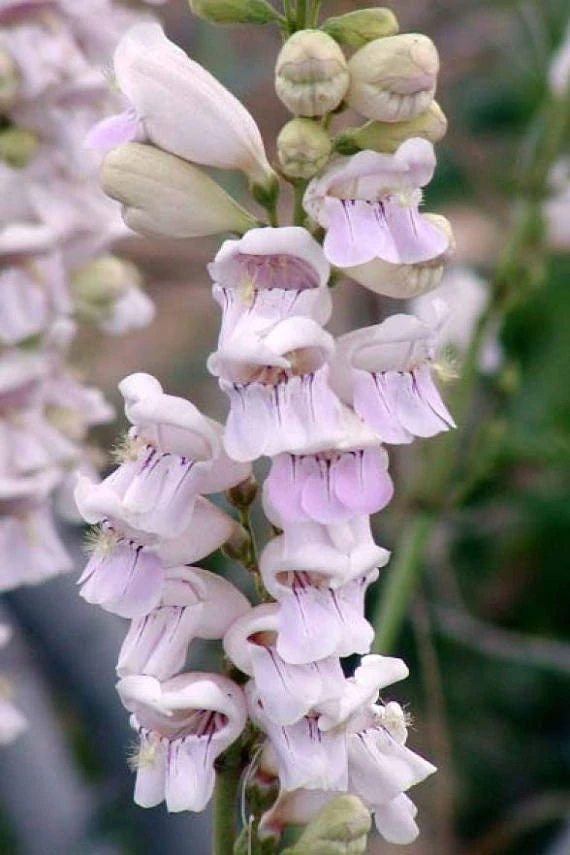
Penstemon pallidus Seeds – Pale Beardtongue White Flowers – 200 Seeds
Original price was: 48.91 $.19.91 $Current price is: 19.91 $.
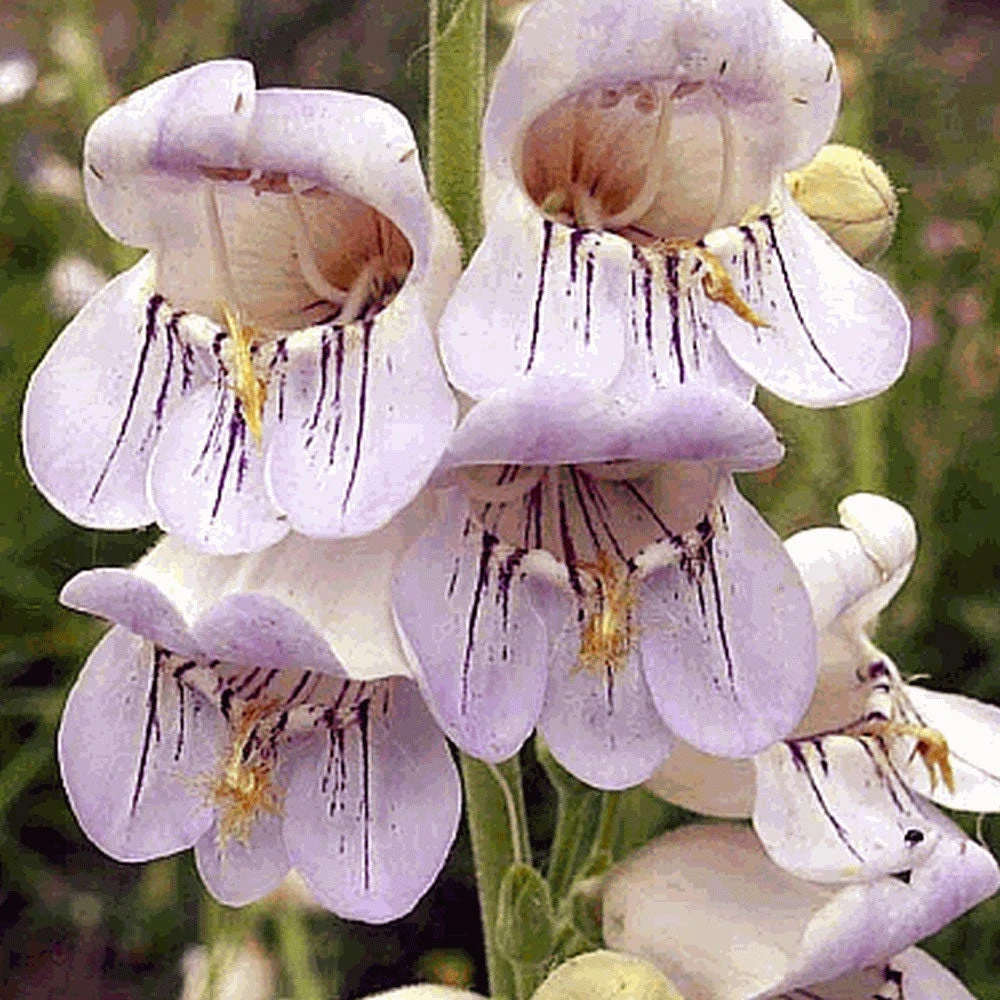
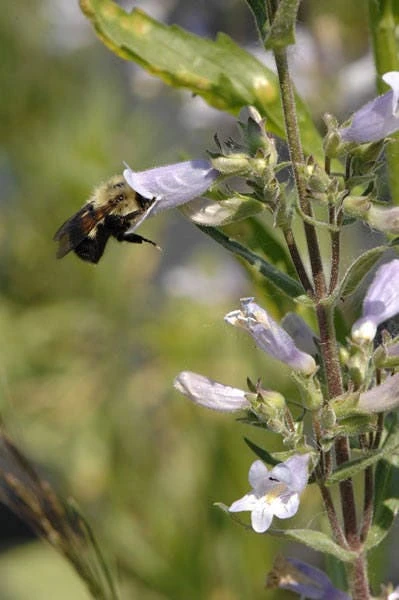
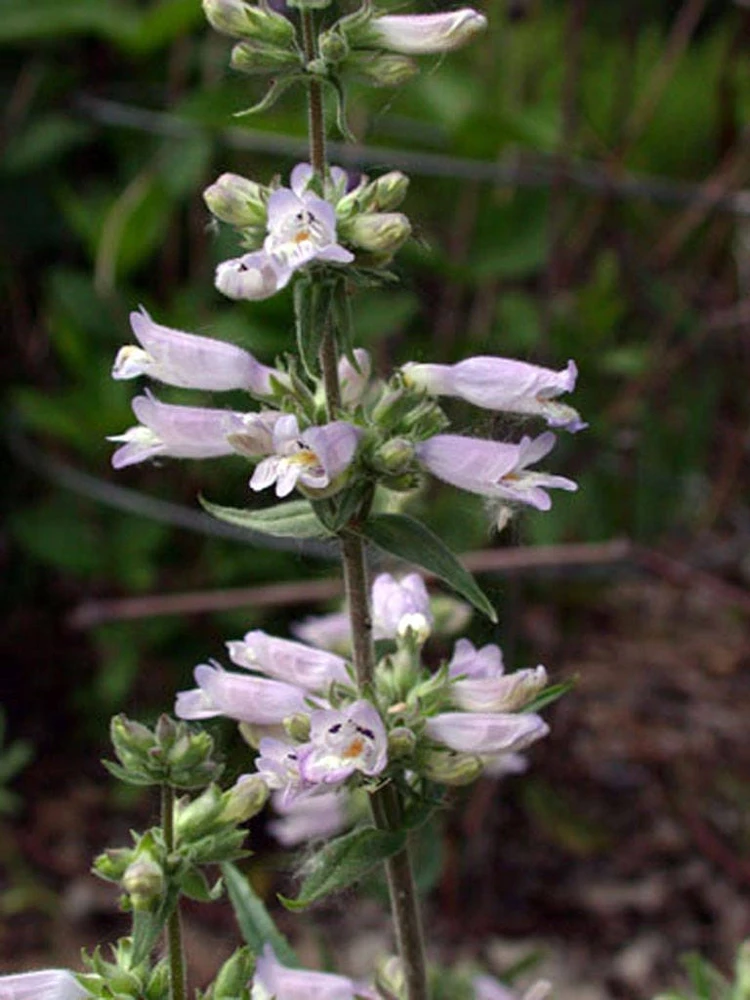
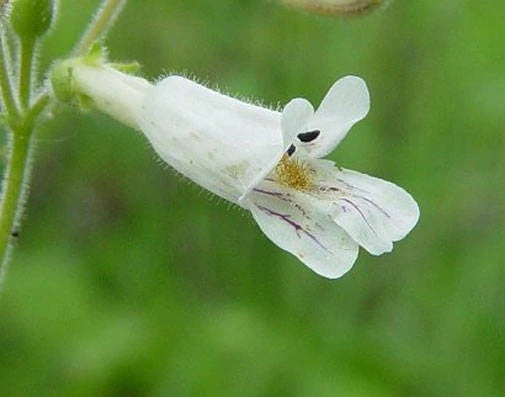
Cultivate beautiful penstemon pallidus seeds, commonly known as pale beardtongue seeds, for your garden. These 200 seeds yield white flowers with a pink tint, attracting birds, bees, and butterflies. Ideal for full sun to partial shade, offering a deer resistant penstemon option for diverse landscapes.
Estimated arrival
Nov 26
Dec 01 - Dec 03
Dec 03 - Dec 08
See our Shipping Policy.
Get in touch with us via email, and our team will review your concerns.
Our Alive & Thrive Guarantee covers issues with your plants within the first 30 days. Read our Refund & Returns Policy.
-
USDA Hardiness Zone
4 to 8 -
Soil Type
Well-draining, sandy or loamy soil -
Sunlight Exposure
Full sun to partial shade -
Expected Planting Period
Early spring (after cold stratification)
Overview
Embark on a rewarding gardening journey with penstemon pallidus seeds, also known as Pale Beardtongue. This offering provides 200 high-quality seeds, allowing you to cultivate a stunning display of native wildflowers. Penstemon pallidus is celebrated for its delicate white flowers, which often feature a charming pink tint, particularly in their buds. As an early bloomer, it brings vibrant life to your garden from mid-spring to early summer. This resilient plant thrives even in challenging environments, making it an excellent choice for various garden settings. Beyond its beauty, Pale Beardtongue plays a vital role in supporting local ecosystems, attracting a wide array of birds, bees, and butterflies, and serving as a crucial larval host plant for several Checkerspot butterfly species.
Known for its robust nature, this plant is a fantastic addition for gardeners looking to enhance biodiversity while enjoying low-maintenance flora. Its adaptability and ecological benefits make it a standout choice for both novice and experienced gardeners aiming to create a thriving, natural landscape. Growing penstemon pallidus seeds allows you to contribute to local wildlife habitats and enjoy the serene beauty of native wildflowers right in your backyard.
Key Benefits
Cultivating penstemon pallidus seeds offers a multitude of advantages for your garden and local ecosystem. These seeds grow into plants that provide significant aesthetic and environmental value:
- Pollinator Magnet: The flowers of Pale Beardtongue are a powerful attractant for beneficial insects and birds. You’ll observe a lively parade of bees, butterflies (including the Baltimore Checkerspot and Chalcedon Checkerspot), and hummingbirds, all drawn to its nectar-rich blooms, enhancing your garden’s biodiversity.
- Deer and Rabbit Resistant: Gardeners often struggle with browsing animals, but this deer resistant penstemon is a robust solution. Its natural properties deter deer and rabbits, allowing your plants to flourish undisturbed and reducing the need for protective measures.
- Early Season Bloom: As one of the first native wildflowers to bloom in spring, Pale Beardtongue provides essential early season nectar for emerging pollinators. Its mid-spring to early summer flowering period ensures your garden starts the growing season with a burst of color and activity.
- Adaptable and Resilient: Thriving in harsh environments, Penstemon pallidus is incredibly forgiving. It tolerates a range of soil conditions and can withstand periods of drought once established, making it a low-maintenance option for busy gardeners.
- Ecosystem Support: Beyond attracting adult pollinators, this species is a vital larval host plant for several Checkerspot butterfly species. By growing these pale beardtongue seeds, you are directly supporting the life cycle of these beautiful insects.
- Beautiful White Flowers: The elegant white flowers, often with a subtle pink tint, add a touch of natural grace to any garden design. They create a soft, ethereal look, perfect for naturalized areas, cottage gardens, or pollinator beds.
- Conservation Impact: In some regions, like Illinois and Ohio, Penstemon pallidus is endangered or threatened. By growing penstemon seeds for sale, you can help propagate this important native species and contribute to its conservation efforts.
Plant Care & Growing Tips
Successfully growing penstemon pallidus seeds into mature plants requires attention to a few key environmental factors. This hardy perennial prefers a sunny location, thriving in full sun to partial shade. Aim for at least 6 hours of direct sunlight daily for the best flowering performance. While adaptable, well-draining soil is crucial to prevent root rot, especially during cooler, wetter periods. Sandy or loamy soils are ideal, but it can tolerate clay if drainage is improved.
Watering should be consistent but moderate after germination. Once established, Pale Beardtongue is remarkably drought-tolerant and requires minimal supplemental watering, making it an excellent choice for xeriscaping or low-water gardens. Overwatering is a common mistake; allow the soil to dry out between waterings. Fertilization is generally not necessary, especially in rich soils, as this native plant is accustomed to leaner conditions. If your soil is very poor, a light application of a balanced, slow-release fertilizer in spring can be beneficial. Deadheading spent flower stalks can encourage a tidier appearance and potentially a second flush of blooms, though it’s not strictly necessary for the plant’s health. The pale beardtongue seeds will germinate best after a period of cold stratification, mimicking natural winter conditions.
This plant is hardy in USDA Zones 4 to 8, tolerating a wide range of winter temperatures. In colder zones, a light layer of mulch can provide extra protection. Keep an eye out for common garden pests, though Penstemon pallidus is generally quite resistant. Good air circulation helps prevent fungal issues. Learning how to grow penstemon pallidus successfully will reward you with a resilient, beautiful, and ecologically beneficial plant for many seasons.
Size & Details
This product includes 200 penstemon pallidus seeds, ready for planting. Once established, Pale Beardtongue typically grows to a height of 1 to 3 feet, with a similar spread, forming an attractive clump. Its growth rate is moderate, reaching maturity and blooming within its first or second year from seed, depending on growing conditions. The plant features slender, upright stems adorned with lance-shaped leaves and terminal clusters of elegant white, tubular flowers. The blooms, with their characteristic pink-tinted buds, appear from the middle of spring through early summer, providing a prolonged period of interest. These penstemon seeds for sale are packaged to ensure viability and are suitable for direct sowing or starting indoors. The plants are known for their strong root systems, contributing to their drought tolerance and overall hardiness. This offering provides a generous quantity, allowing for successful propagation and establishing a vibrant patch of this native beauty in your garden.
Frequently Asked Questions
- Q: How big does Pale Beardtongue get? A: Penstemon pallidus typically grows to a height of 1 to 3 feet (30-90 cm) with a similar spread, forming an attractive, upright clump. Its size makes it suitable for various garden settings, from borders to naturalized areas.
- Q: Is this an indoor or outdoor plant? A: Penstemon pallidus is primarily an outdoor plant, ideally suited for garden beds, meadows, and naturalized landscapes. While you can start the penstemon pallidus seeds indoors, the mature plant thrives outdoors in appropriate climates.
- Q: How much sunlight does Pale Beardtongue need? A: This plant prefers full sun to partial shade, meaning it performs best with at least 6 hours of direct sunlight per day. Adequate sunlight is crucial for prolific flowering and strong growth of your pale beardtongue seeds.
- Q: Is this plant easy to care for? A: Yes, Penstemon pallidus is considered a low-maintenance plant once established. It is drought-tolerant, naturally resistant to deer and rabbits, and generally free from serious pests or diseases, making it an excellent choice for gardeners of all skill levels.
- Q: How long until Penstemon pallidus blooms from seed? A: From penstemon pallidus seeds, you can expect the plants to begin blooming in their first or second year, typically from mid-spring to early summer. Optimal growing conditions can encourage earlier flowering.
- Q: What USDA Hardiness Zones is this plant suitable for? A: Penstemon pallidus is hardy in USDA Hardiness Zones 4 to 8. This wide range indicates its adaptability to various climates, tolerating both cold winters and warm summers.
- Q: Can I really expect this to be a deer resistant penstemon? A: Yes, Pale Beardtongue is widely recognized as being resistant to deer and rabbits. While no plant is 100% deer-proof, this species is rarely browsed, making it a reliable choice for areas with wildlife pressure.
- Q: What kind of soil does this plant prefer? A: This plant thrives in well-draining soil, including sandy or loamy types. Good drainage is more important than soil fertility. Avoid heavy, waterlogged soils to ensure the health of your grow penstemon pallidus plants.
- Q: Why are these penstemon seeds for sale important for conservation? A: In certain states like Illinois and Ohio, Penstemon pallidus is listed as endangered or threatened. By purchasing and growing these seeds, you are directly participating in the propagation of a vital native species, helping to conserve its presence in the ecosystem.
- Q: How do these seeds attract butterflies? A: The flowers of Penstemon pallidus provide nectar for adult butterflies, and the plant itself serves as a larval host for several Checkerspot butterfly species (Baltimore, Chalcedon, Dotted, Arachne, and Ediths Checkerspot). This means butterflies lay their eggs on the leaves, and the caterpillars feed on the plant, making it essential for their life cycle.
Be the first to review “Penstemon pallidus Seeds – Pale Beardtongue White Flowers – 200 Seeds”
Related products


You May Like

How to Grow Passion Flower (Passiflora) for Tropical Blooms
Few climbing vines in the home garden command attention quite like the exotic Passion Flower (Passiflora). [...]
Nov

Thanksgiving Cactus Care: How to Get Thanksgiving Cactus to Bloom
Is your Thanksgiving cactus growing well but not giving you any flowers? Maybe it looked [...]
Nov

How to Grow Garlic for a Bountiful Home Harvest
Garlic (Allium sativum) is one of the most satisfying, low-maintenance, and flavor-packed crops you can [...]
Oct

Hardneck vs. Softneck Garlic: Which Should You Grow?
Have you ever stood in front of a seed catalog in mid-September, staring at dozens [...]
1 Comment
Oct

When to Plant Music Garlic: Ultimate US Fall Guide
Have you ever spent your fall weekend placing carefully chosen garlic cloves into rich, dark [...]
1 Comment
Oct

5 Best Bulbs for Fall Planting: Brighten Your Garden This Spring
Are you dreaming of a garden full of vibrant colors in the spring? The key [...]
Aug

10 Houseplants That Will Thrive in Your Kitchen
Are you tired of your kitchen feeling dull and lifeless? Want to add a little [...]
1 Comment
Aug
Reviews
There are no reviews yet.