
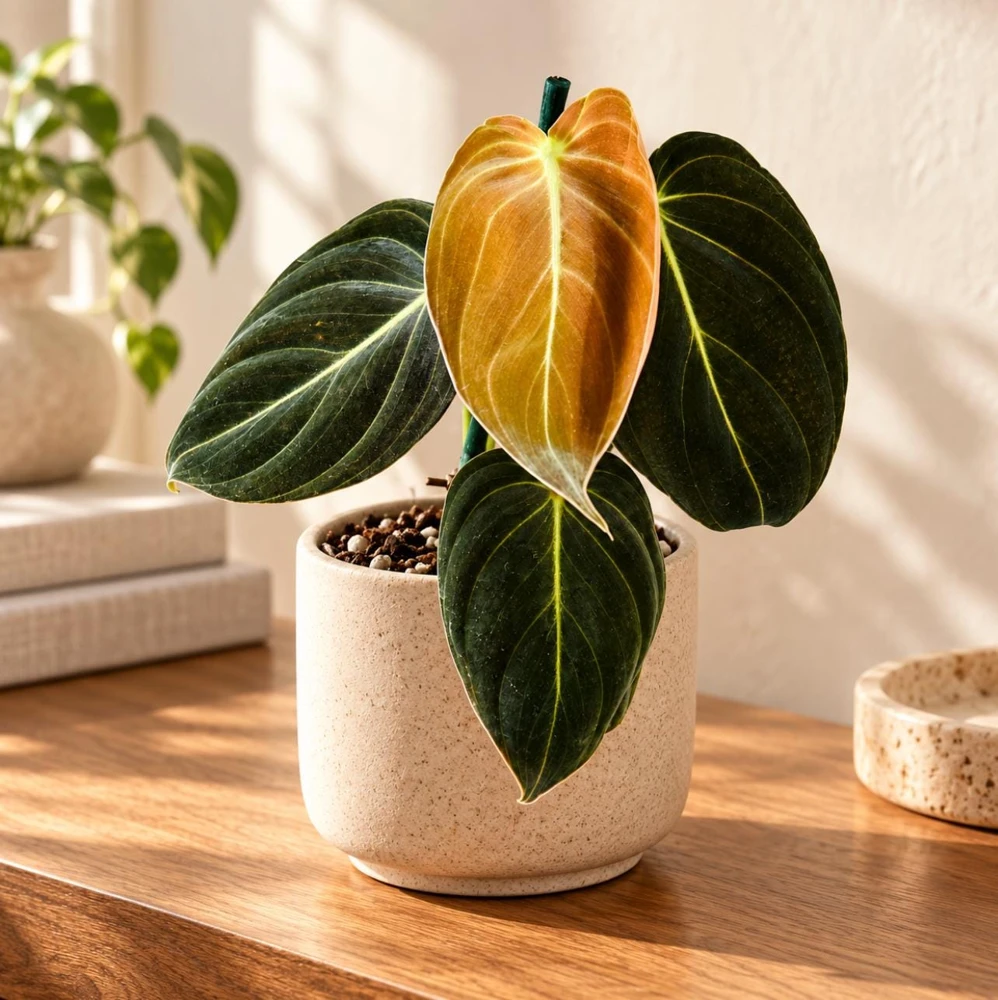
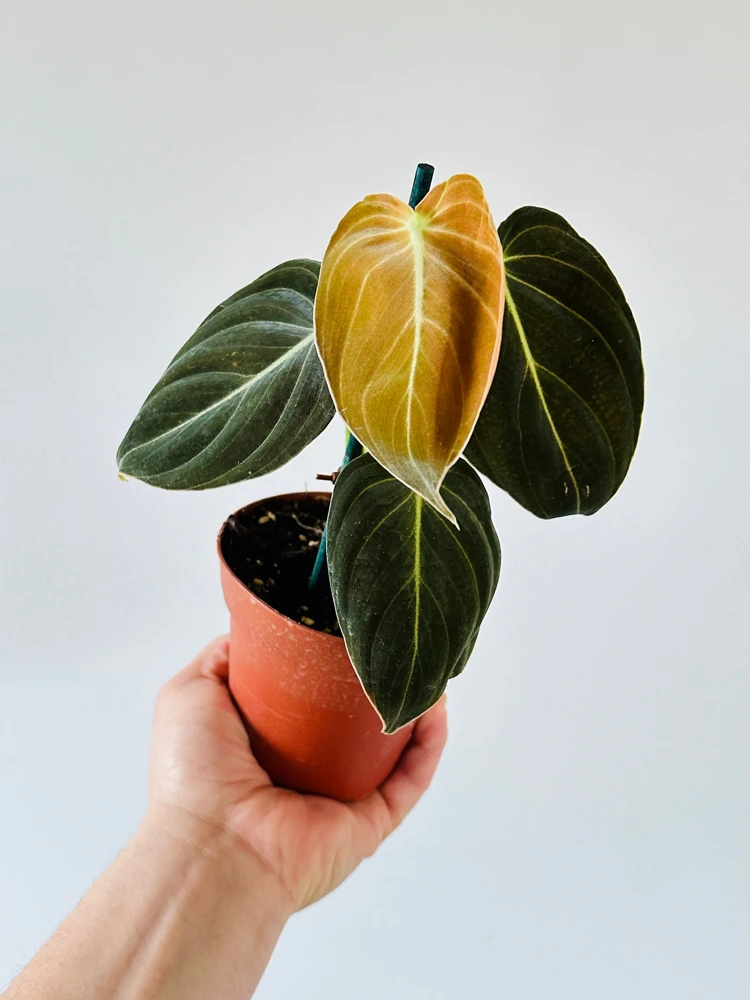
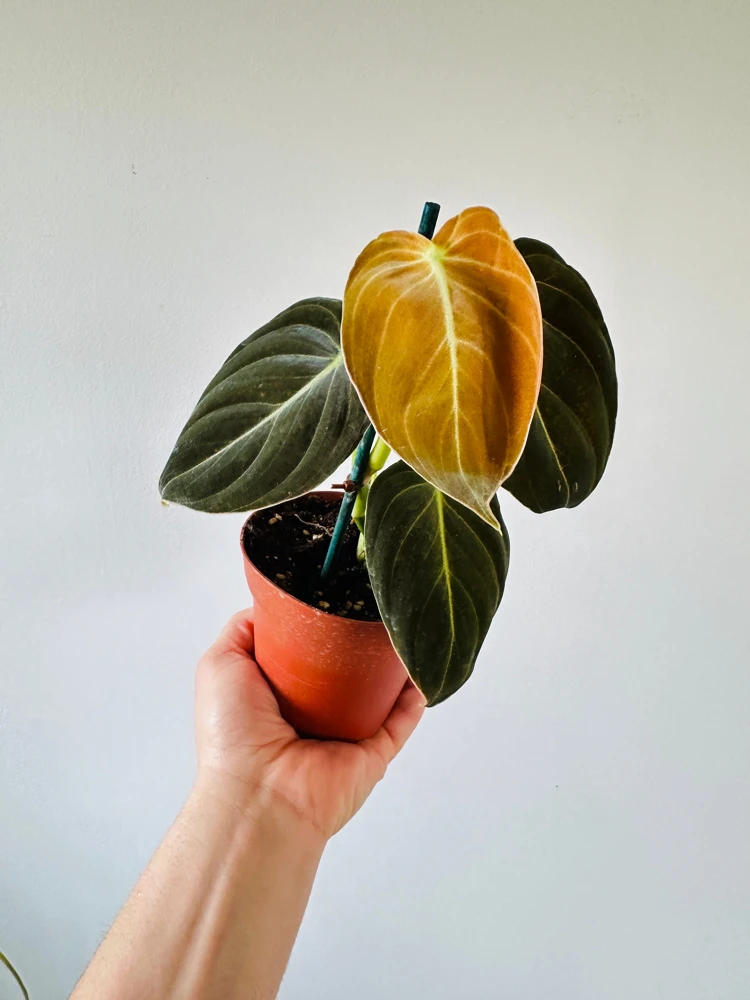
Philodendron Melanochrysum Live Plant – Velvet Leaf Aroid – Rare Indoor Plant in 4 inch Pot
Original price was: 80.01 $.50.01 $Current price is: 50.01 $.
Bring home the exquisite Philodendron Melanochrysum live plant, a true collector’s gem. This stunning velvet leaf aroid arrives in a 4 inch pot, ready to thrive in your indoor space. Known for its velvety foliage, it’s a perfect choice for adding a touch of rare elegance to any home.
Estimated arrival
Nov 26
Dec 01 - Dec 03
Dec 03 - Dec 08
See our Shipping Policy.
Get in touch with us via email, and our team will review your concerns.
Our Alive & Thrive Guarantee covers issues with your plants within the first 30 days. Read our Refund & Returns Policy.
-
USDA Hardiness Zone
USDA zones 10-11 (indoors in most climates) -
Soil Type
Well-draining, airy potting mix with organic matter -
Sunlight Exposure
Bright indirect light -
Expected Planting Period
Year-round indoors
Overview
Introducing the magnificent Philodendron Melanochrysum live plant, a highly sought-after species renowned for its truly captivating appearance. This exquisite velvet leaf aroid is a must-have for any serious plant collector or enthusiast looking to elevate their indoor garden. Hailing from the rainforests of Colombia, this rare and beautiful aroid features deep green, heart-shaped leaves that are covered in a fine, velvety texture, giving them a luxurious, almost iridescent sheen. As the plant matures, the leaves can grow impressively large, often reaching up to two feet in length, creating a dramatic and tropical focal point in any room. Our Philodendron Melanochrysum live plant is delivered as a healthy, thriving specimen in a 4 inch nursery pot, ready to be nurtured and admired in your home.
The allure of the Philodendron Melanochrysum lies not only in its striking foliage but also in its relatively manageable care requirements, making it a rewarding plant to grow. It is part of the vast Araceae family, known for its diverse and beautiful members. With proper attention to its environmental needs, this plant will flourish, displaying its iconic dark green, velvety leaves that become more pronounced with age. This rare indoor plant offers a unique aesthetic that complements various interior design styles, from modern minimalist to lush botanical themes.
Key Benefits
The Philodendron Melanochrysum live plant offers a multitude of benefits, making it an excellent addition to your indoor plant collection. Its stunning appearance and unique characteristics contribute significantly to its appeal and value:
- Exceptional Decorative Appeal: The most striking feature of the Philodendron Melanochrysum is its velvety, dark green foliage. The unique texture and rich color add a luxurious and sophisticated touch to any indoor space, making it a natural centerpiece. This velvet leaf aroid provides a visual feast that draws the eye and enhances home aesthetics.
- Rare Collector’s Item: Known for its scarcity and unique beauty, the Philodendron Melanochrysum is highly prized among plant enthusiasts. Owning this rare indoor plant allows you to showcase a truly special specimen that stands out from more common houseplants, adding prestige to your collection.
- Air Purification Qualities: Like many philodendrons, this plant contributes to a healthier indoor environment by helping to filter out common airborne toxins. It naturally purifies the air, promoting better air quality in your home or office.
- Engaging Growth Habit: Observing the new leaves unfurl with their initial lighter hues and gradually darken to the iconic velvety texture is a rewarding experience. The dynamic growth of the Philodendron Melanochrysum live plant provides continuous interest and a connection to nature.
- Statement Piece: Due to its potential for large, dramatic leaves, the Philodendron Melanochrysum can easily become a significant focal point in any room. Its impressive size and texture make it an instant conversation starter.
- Adaptable to Indoor Conditions: While it thrives with specific care, this philodendron is well-suited for indoor environments when its needs for humidity, light, and water are met. It adapts well to typical home temperatures, making it a feasible choice for most indoor gardeners.
- Botanical Interest: For those interested in botany, the Philodendron Melanochrysum offers a fascinating study in plant morphology and growth. Its distinct characteristics make it a captivating subject for observation and learning about aroid species.
Plant Care & Growing Tips
Caring for your Philodendron Melanochrysum live plant involves understanding its specific needs to ensure its velvety foliage thrives. This tropical aroid prefers conditions that mimic its native rainforest habitat, emphasizing humidity and appropriate light. Providing the right environment will ensure your velvet leaf aroid grows into a magnificent specimen.
Sunlight: The Philodendron Melanochrysum thrives in bright, indirect light. Direct sunlight can scorch its delicate velvety leaves, leading to irreversible damage. Place it near an east or north-facing window, or a few feet away from a south or west-facing window where it receives filtered light. If natural light is insufficient, a grow light can supplement its needs, ensuring it receives adequate illumination without harsh intensity.
Watering: Like many members of the Araceae family, this plant prefers consistent moisture but dislikes soggy soil. Water your Philodendron Melanochrysum live plant when the top inch or two of soil feels dry to the touch. Ensure thorough watering until water drains from the bottom of the pot, then allow excess water to escape. Overwatering can lead to root rot, so it’s crucial to check soil moisture before watering again. A good rule of thumb for aroid plant care is to err on the side of slightly underwatering rather than overwatering.
Soil: Use a well-draining, airy potting mix that retains some moisture but prevents waterlogging. A suitable mix often includes a combination of peat moss, perlite, orchid bark, and coco coir. This provides the necessary aeration for roots and adequate moisture retention. Good drainage is key to preventing root issues for your rare indoor plant.
Temperature & Humidity: This plant prefers warm temperatures, ideally between 65-80°F (18-27°C). Avoid exposing it to temperatures below 60°F (15°C). High humidity is crucial for the Philodendron Melanochrysum to develop its impressive, large leaves and maintain their velvety texture. Aim for humidity levels of 60% or higher. You can increase humidity by using a humidifier, placing the pot on a pebble tray with water, or grouping it with other humidity-loving plants. Misting can offer a temporary boost but is less effective than consistent methods.
Fertilization: During the growing season (spring and summer), feed your Philodendron Melanochrysum live plant with a balanced liquid fertilizer diluted to half strength every 2-4 weeks. Reduce fertilization in fall and winter when growth slows. Always fertilize on moist soil to prevent root burn. Following these guidelines will help ensure proper Philodendron Melanochrysum care.
Size & Details
The Philodendron Melanochrysum live plant you receive will be a healthy, actively growing specimen carefully cultivated for optimal health. It is shipped in a standard 4 inch nursery pot, providing a stable environment for its roots during transit and allowing for easy acclimation to your home. At this stage, the plant typically features several vibrant, velvety leaves, with new growth often emerging.
While compact upon arrival, this velvet leaf aroid has the potential for impressive growth. Given ideal conditions, its leaves can mature to a significant size, often reaching up to two feet in length, creating a striking display. The plant itself can grow to several feet tall, especially if provided with a moss pole or trellis to climb, which encourages larger leaf development. Its growth rate is moderate, offering a consistent and rewarding progression as it establishes itself in your space. This rare indoor plant is a long-term companion, promising years of lush, tropical beauty.
Frequently Asked Questions
- Q: How big does this Philodendron Melanochrysum live plant get? A: While it arrives in a 4 inch pot, with proper care and support, the Philodendron Melanochrysum can grow quite large. Individual leaves can reach up to two feet in length, and the plant itself can climb several feet tall.
- Q: Is this an indoor or outdoor plant? A: The Philodendron Melanochrysum is primarily an indoor plant, especially in temperate climates. It thrives in controlled indoor environments where humidity and temperature can be maintained. It is not cold-hardy and should be protected from temperatures below 60°F (15°C).
- Q: How much sunlight does it need? A: This plant prefers bright, indirect light. Direct sunlight can burn its delicate leaves. An east or north-facing window, or a spot a few feet from a brighter window, is ideal. Ensure it receives consistent, diffused light for optimal growth and leaf development.
- Q: Is this plant easy to care for? A: While not strictly a beginner plant, the Philodendron Melanochrysum live plant is manageable for those with some experience in houseplant care. Its main requirements are high humidity, consistent watering, and bright indirect light. Understanding these key needs makes its care straightforward.
- Q: What condition will it arrive in? A: Your velvet leaf aroid will arrive carefully packaged in its 4 inch nursery pot, with soil intact. We take great care to ensure the plant is protected during transit, so it arrives healthy and ready to thrive in its new home.
- Q: What is the best soil type for Philodendron Melanochrysum care? A: A well-draining, airy potting mix is essential. A mix containing components like peat moss, perlite, orchid bark, and coco coir provides good drainage while retaining adequate moisture, which is crucial for healthy root growth.
- Q: How often should I water my rare indoor plant? A: Water when the top 1-2 inches of soil feel dry to the touch. This typically means watering every 7-10 days, but it can vary based on humidity, light, and pot size. Always check the soil moisture before watering to prevent overwatering.
- Q: Does this plant need high humidity? A: Yes, high humidity (60% or more) is very important for the Philodendron Melanochrysum, especially for developing large, healthy leaves and maintaining their velvety texture. Consider using a humidifier or a pebble tray to increase ambient humidity.
- Q: Is this aroid plant care different from other philodendrons? A: While general philodendron care principles apply, the Melanochrysum has a higher demand for humidity and can be more sensitive to direct light compared to some other, hardier philodendron varieties. Its velvety leaves also require a bit more attention to avoid damage.
- Q: When is the best time to repot my Philodendron Melanochrysum live plant? A: Repotting is best done in spring or early summer when the plant is actively growing. Repot when the plant becomes root-bound, typically every 1-2 years, moving up to a pot that is only 1-2 inches larger in diameter.
Be the first to review “Philodendron Melanochrysum Live Plant – Velvet Leaf Aroid – Rare Indoor Plant in 4 inch Pot”
Related products


HousePlants


HousePlants
White Christmas Caladium Live Plant with Roots – Fancy Leaf Elephant Ear Tropical Shade Plant


You May Like

How to Grow Passion Flower (Passiflora) for Tropical Blooms
Few climbing vines in the home garden command attention quite like the exotic Passion Flower (Passiflora). [...]
Nov

Thanksgiving Cactus Care: How to Get Thanksgiving Cactus to Bloom
Is your Thanksgiving cactus growing well but not giving you any flowers? Maybe it looked [...]
Nov

How to Grow Garlic for a Bountiful Home Harvest
Garlic (Allium sativum) is one of the most satisfying, low-maintenance, and flavor-packed crops you can [...]
Oct

Hardneck vs. Softneck Garlic: Which Should You Grow?
Have you ever stood in front of a seed catalog in mid-September, staring at dozens [...]
1 Comment
Oct

When to Plant Music Garlic: Ultimate US Fall Guide
Have you ever spent your fall weekend placing carefully chosen garlic cloves into rich, dark [...]
1 Comment
Oct

5 Best Bulbs for Fall Planting: Brighten Your Garden This Spring
Are you dreaming of a garden full of vibrant colors in the spring? The key [...]
Aug

10 Houseplants That Will Thrive in Your Kitchen
Are you tired of your kitchen feeling dull and lifeless? Want to add a little [...]
1 Comment
Aug
Reviews
There are no reviews yet.