
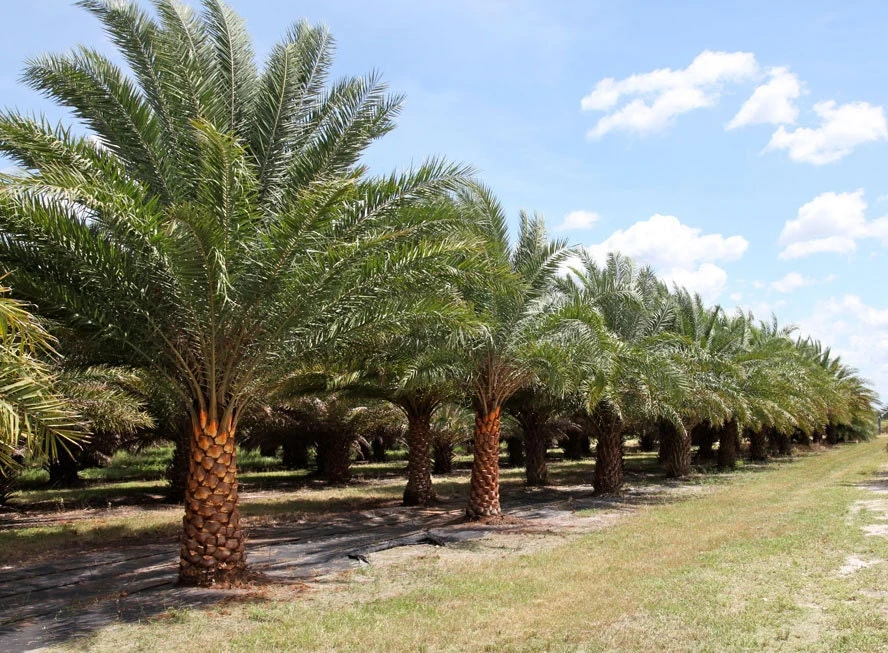
Phoenix sylvestris Seeds – India Date Palm – 5 Seed Pack – Outdoor Palm Tree
Original price was: 52.91 $.23.91 $Current price is: 23.91 $.
Cultivate the majestic Phoenix sylvestris seeds, also known as the India Date Palm seeds. This pack contains 5 seeds of the stunning Wild Date Palm, perfect for adding a tropical touch to your outdoor landscape. Enjoy its towering presence and creamy blossoms.
Estimated arrival
Nov 27
Dec 02 - Dec 04
Dec 04 - Dec 09
See our Shipping Policy.
Get in touch with us via email, and our team will review your concerns.
Our Alive & Thrive Guarantee covers issues with your plants within the first 30 days. Read our Refund & Returns Policy.
-
USDA Hardiness Zone
USDA zones 9 to 11 -
Soil Type
Well-draining soil, sandy loam preferred -
Sunlight Exposure
Full sun -
Expected Planting Period
Spring to early summer
Overview
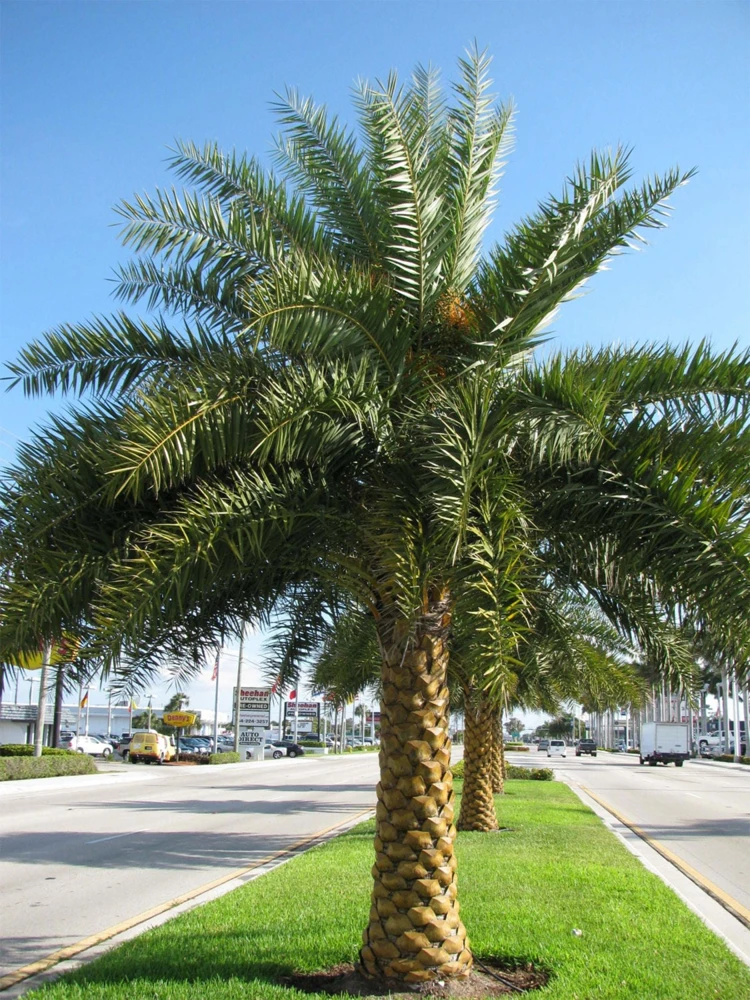
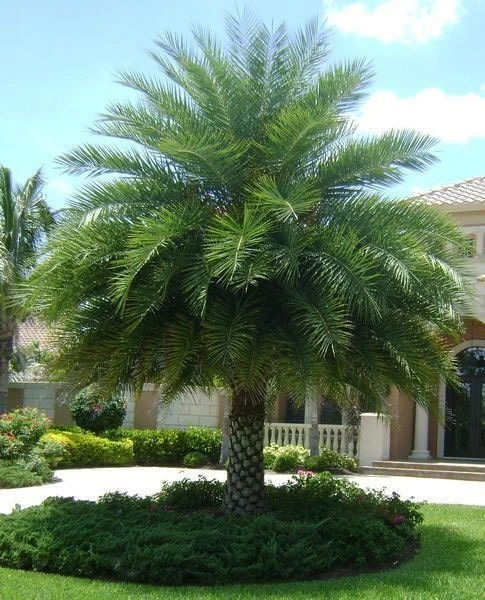
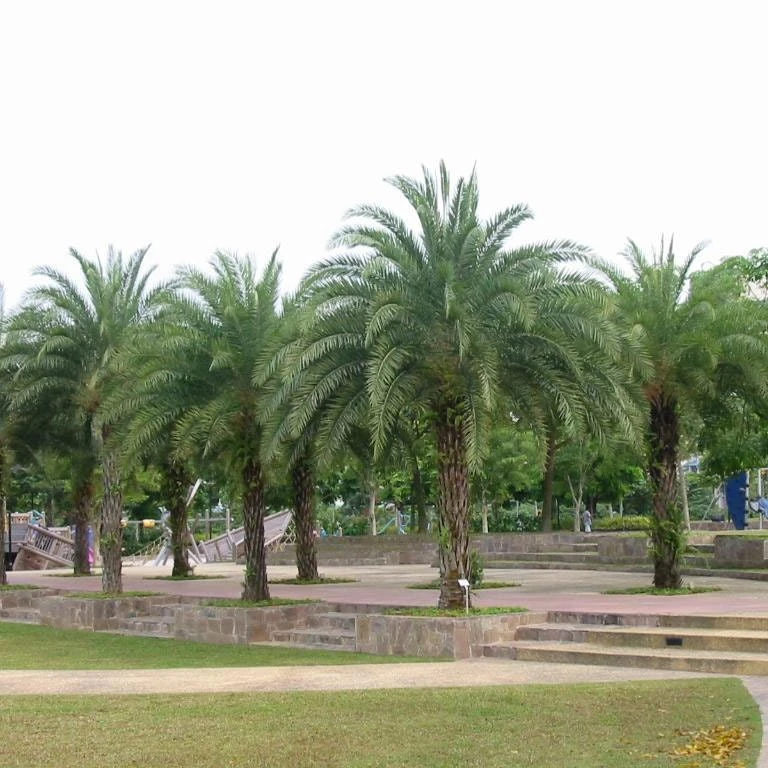
Embark on a rewarding gardening journey with these premium Phoenix sylvestris seeds. Also known as the India Date Palm seeds, Wild Date Palm, silver date palm, Indian date, or sugar date palm, this magnificent tree is renowned for its stately appearance and impressive height. Originating from India, this species is a true spectacle, capable of reaching over 40 feet tall, making it a dramatic focal point in any large garden or landscape. These seeds offer the opportunity to grow a resilient and beautiful palm that thrives in full sun, bringing a touch of the tropics to your outdoor space. The elegant fronds and robust trunk of the India Date Palm create a striking silhouette, enhancing curb appeal and providing natural shade.
Growing Phoenix sylvestris seeds is an engaging project for gardeners who appreciate unique and long-lived plants. Beyond its ornamental value, the India Date Palm is also known for its edible sap, which can be harvested and cooked down into a syrup or fermented to produce alcohol. This dual-purpose tree makes it a fascinating addition to any collection. With proper care and conditions, these 5 seeds have the potential to develop into mature, impressive palm trees that will be a source of pride for years to come. Prepare to transform your garden with the exotic charm and grandeur of the Wild Date Palm.
Key Benefits
Discover the numerous advantages of cultivating the India Date Palm from these high-quality seeds:
- Stately Landscape Addition: The Phoenix sylvestris seeds grow into a tall, majestic palm that serves as a stunning focal point, adding significant aesthetic value and a tropical ambiance to your garden or property. Its grand presence is truly captivating.
- Drought Tolerance: Once established, the Wild Date Palm is relatively drought-tolerant, making it a low-maintenance option for warmer climates and areas where water conservation is a priority. This resilience reduces ongoing care needs.
- Edible Sap Potential: The sap from this palm can be harvested and processed into a natural sugar, syrup, or even alcohol, offering a unique and sustainable resource directly from your garden. This adds a functional aspect to its beauty.
- Attractive Blooms: From late spring to early summer, the palm produces attractive cream or tan blossoms, adding another layer of visual interest and seasonal beauty to its year-round appeal. These flowers can also attract pollinators.
- Hardy in Warm Zones: Thriving in USDA Hardiness Zones 9 to 11, the India Date Palm seeds are well-suited for warm regions, ensuring robust growth and long-term vitality in appropriate climates. This makes it a reliable choice for tropical and subtropical landscapes.
- Long-Lived Specimen: With proper care, a date palm tree grown from these seeds can live for many decades, becoming a cherished and enduring part of your landscape for generations.
- Unique Character: The distinctive trunk and elegant fronds of the silver date palm make it stand out, offering a unique texture and form that differentiates it from other garden plants.
Plant Care & Growing Tips
Successfully growing Phoenix sylvestris seeds requires attention to specific environmental factors. These palms are sun-loving plants and perform best when planted in full sun, meaning they should receive at least 6-8 hours of direct sunlight per day. In their native habitat, they are accustomed to intense light, so ensure your chosen planting site provides ample exposure. Good drainage is crucial for the health of these palms. They prefer well-draining soil, ideally a sandy loam, but can tolerate a range of soil types as long as they do not become waterlogged. Poor drainage can lead to root rot, which is detrimental to the palm’s growth.
When it comes to watering, young India Date Palms require regular moisture to establish a strong root system. Water deeply and consistently, especially during dry periods, but allow the top few inches of soil to dry out between waterings. Mature palms are more drought-tolerant but will benefit from occasional deep watering during extended dry spells. Fertilization can support vigorous growth; use a slow-release palm-specific fertilizer during the growing season (spring and summer) according to product instructions. Protect young palms from strong winds and extreme cold if planted at the lower end of their hardiness range (USDA Zone 9). Pruning typically involves removing old, dead fronds close to the trunk to maintain a tidy appearance and prevent potential hazards. Watch out for common palm pests like spider mites or scale insects, and address any infestations promptly with appropriate organic or chemical treatments. Proper care ensures your date palm tree seeds flourish into magnificent specimens.
Size & Details
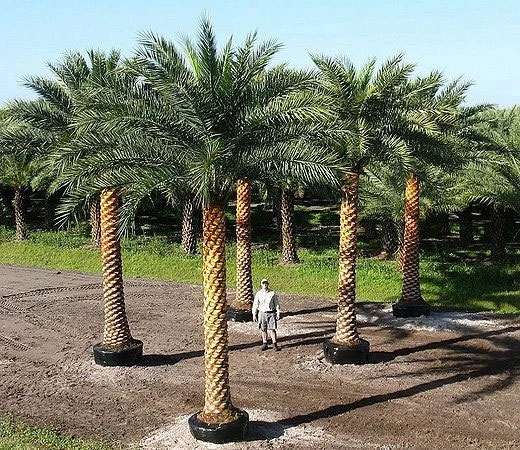
This product includes 5 Phoenix sylvestris seeds, ready for planting. The India Date Palm is known for its impressive mature size, typically growing over 40 feet tall, with some specimens reaching up to 60 feet under ideal conditions. The spread of the fronds can be substantial, often reaching 10-15 feet wide, so plan your planting location accordingly to allow for adequate space. These seeds will need several years to mature into a significant tree, with initial growth being relatively slow. They are best suited for outdoor cultivation in USDA Hardiness Zones 9 to 11, where they can thrive in warm, sunny environments. The seeds are typically shipped in a small, secure packet, ensuring their viability upon arrival. Expect a medium growth rate once established, gradually developing its characteristic robust trunk and elegant crown of fronds. The resulting silver date palm will be a long-term investment in your landscape’s beauty.
Frequently Asked Questions
- Q: How big does this palm get? A: The Phoenix sylvestris, or India Date Palm, can grow quite large, typically reaching heights of over 40 feet. Some mature specimens have been observed to grow even taller, making it a commanding presence in the landscape.
- Q: Is this an indoor or outdoor plant? A: The India Date Palm is primarily an outdoor plant, thriving in warm climates. It requires full sun and ample space to grow to its full potential, making it unsuitable for long-term indoor cultivation.
- Q: How much sunlight does it need? A: This palm needs full sun exposure, meaning at least 6-8 hours of direct sunlight per day. Ensuring adequate light is crucial for healthy growth and development of your Phoenix sylvestris seeds.
- Q: Is this palm easy to care for? A: Once established, the Wild Date Palm is relatively low-maintenance and drought-tolerant. However, young palms require consistent watering and protection, making initial care more involved. It is a good choice for gardeners familiar with palm care.
- Q: What condition will the seeds arrive in? A: The 5 seeds will arrive securely packaged, ensuring they are protected during transit and maintain their viability for planting. We take care to provide high-quality seeds ready for germination.
- Q: When is the best time to plant Phoenix sylvestris seeds? A: The best time to plant India Date Palm seeds is typically in spring or early summer, when temperatures are consistently warm. This provides the ideal conditions for germination and initial growth.
- Q: What USDA Hardiness Zones are suitable for this palm? A: The Phoenix sylvestris thrives in USDA Hardiness Zones 9 to 11. It can tolerate mild frosts but is best suited for subtropical and tropical climates where it can grow year-round without significant cold damage.
- Q: Can I really get sugar from this palm? A: Yes, the sap of the silver date palm can be tapped and boiled down to produce a sugar or syrup. This traditional practice is common in its native regions, adding a unique culinary aspect to the tree.
- Q: How long does it take for the seeds to germinate? A: Germination time for Phoenix sylvestris seeds can vary, often taking several weeks to a few months, depending on conditions like temperature and moisture. Patience is key when growing from seed.
- Q: What kind of soil does the India Date Palm prefer? A: This palm prefers well-draining soil, ideally a sandy loam. It’s important to ensure the planting site doesn’t retain too much water, as this can lead to root issues.
Be the first to review “Phoenix sylvestris Seeds – India Date Palm – 5 Seed Pack – Outdoor Palm Tree”
Related products


Tree Seeds
Canino Olive Tree Seeds – 10 Pack Olea Europaea Canino for Edible Olives, Full Sun, Zones 9-11
You May Like

How to Grow Passion Flower (Passiflora) for Tropical Blooms
Few climbing vines in the home garden command attention quite like the exotic Passion Flower (Passiflora). [...]
Nov

Thanksgiving Cactus Care: How to Get Thanksgiving Cactus to Bloom
Is your Thanksgiving cactus growing well but not giving you any flowers? Maybe it looked [...]
Nov

How to Grow Garlic for a Bountiful Home Harvest
Garlic (Allium sativum) is one of the most satisfying, low-maintenance, and flavor-packed crops you can [...]
Oct

Hardneck vs. Softneck Garlic: Which Should You Grow?
Have you ever stood in front of a seed catalog in mid-September, staring at dozens [...]
1 Comment
Oct

When to Plant Music Garlic: Ultimate US Fall Guide
Have you ever spent your fall weekend placing carefully chosen garlic cloves into rich, dark [...]
1 Comment
Oct

5 Best Bulbs for Fall Planting: Brighten Your Garden This Spring
Are you dreaming of a garden full of vibrant colors in the spring? The key [...]
Aug

10 Houseplants That Will Thrive in Your Kitchen
Are you tired of your kitchen feeling dull and lifeless? Want to add a little [...]
1 Comment
Aug
Reviews
There are no reviews yet.