

Pithecellobium Dulce Seeds – Madras Thorn, Manilla Tamarind, Camachile – 5 Seeds
Original price was: 48.91 $.19.91 $Current price is: 19.91 $.
Cultivate the versatile Pithecellobium dulce seeds and grow your own Madras Thorn tree. These seeds will yield a fast-growing, sun-loving tree known for its fragrant blossoms and edible sweet-sour pods. Perfect for warm climates (USDA Zones 10-11).
Estimated arrival
Nov 26
Dec 01 - Dec 03
Dec 03 - Dec 08
See our Shipping Policy.
Get in touch with us via email, and our team will review your concerns.
Our Alive & Thrive Guarantee covers issues with your plants within the first 30 days. Read our Refund & Returns Policy.
-
USDA Hardiness Zone
USDA Zones 10 to 11 -
Soil Type
Well-draining soil -
Sunlight Exposure
Full sun -
Expected Planting Period
Year-round in warm climates, or spring after last frost
Overview
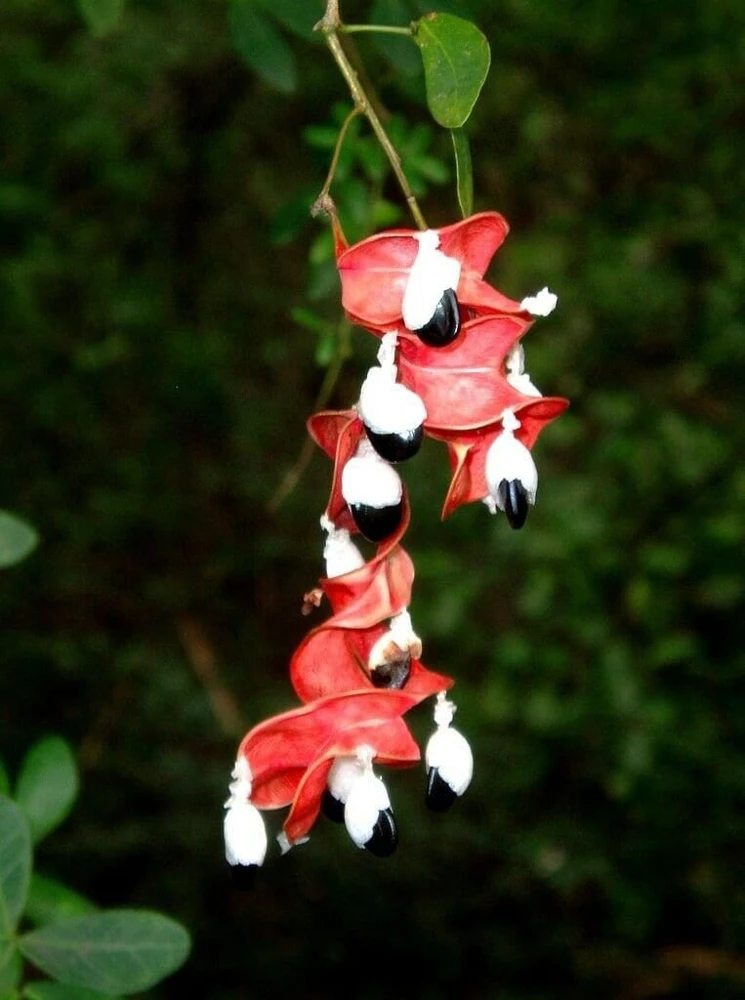
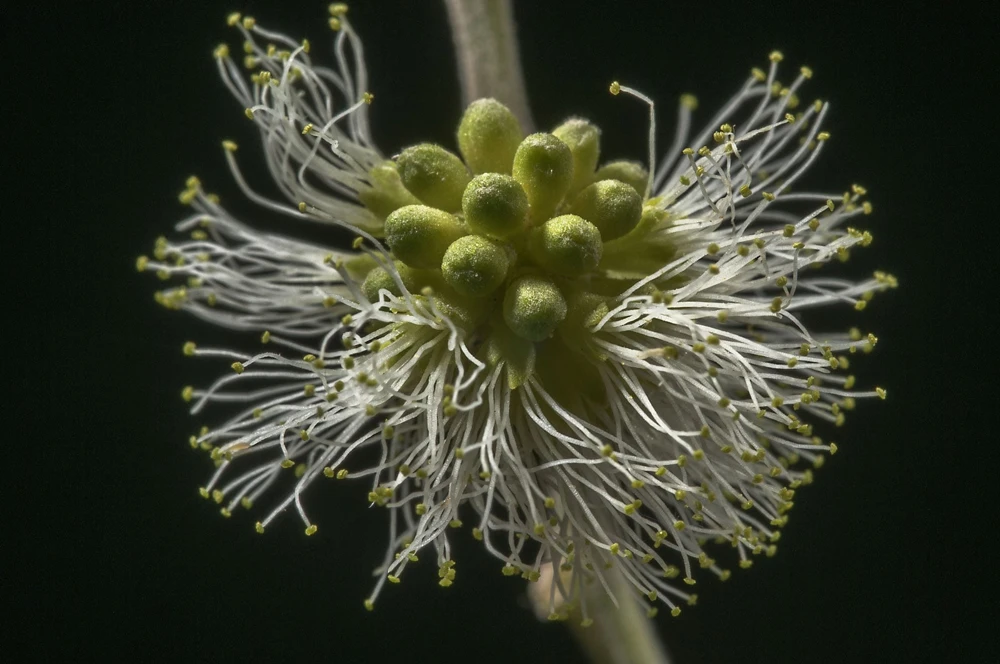
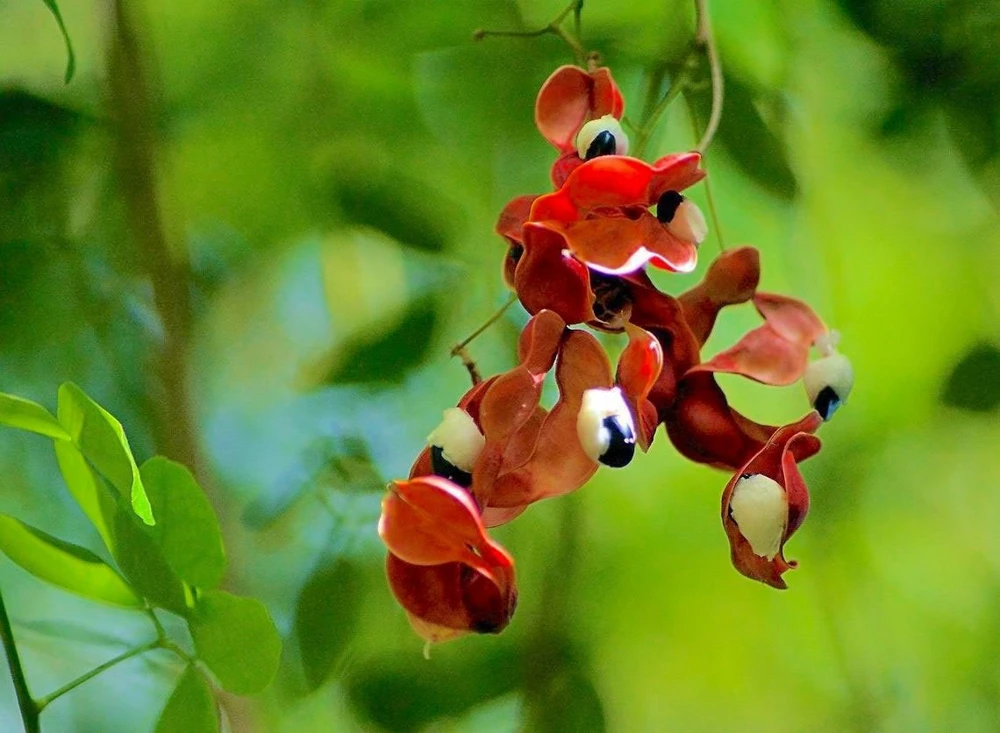
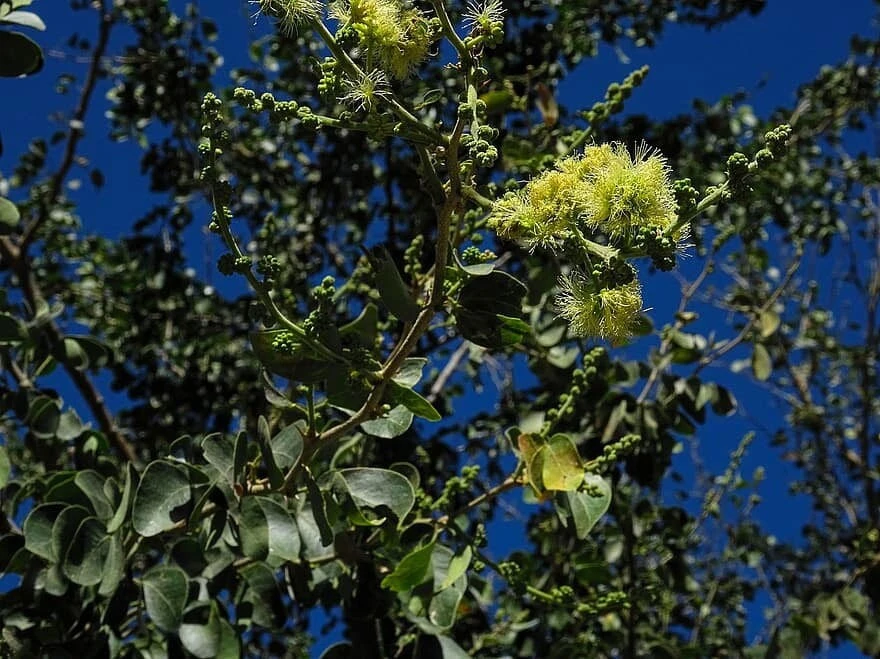
Embark on a rewarding gardening journey with these premium Pithecellobium dulce seeds. Also widely known as Madras Thorn, Manilla Tamarind, Camachile, blackbead, sweet Inga, and monkeypod, this fascinating tree offers both ornamental beauty and practical uses. Each packet contains 5 viable seeds, ready to be sown and nurtured into a magnificent tree. Originating from warm climates, the Pithecellobium dulce tree is celebrated for its rapid growth, reaching heights of up to 50 feet under ideal conditions. Its unique, fragrant greenish-white, cream, and tan blossoms emerge from late winter to early spring, attracting a vibrant array of birds, bees, and butterflies, making it a valuable addition to any pollinator-friendly garden. The tree’s distinctive coiled seedpods contain a delightful sweet and sour pulp, highly prized for its culinary versatility.
Growing Madras Thorn seeds allows you to cultivate a tree that is not only beautiful but also provides a sustainable source of edible fruit. The pulp can be enjoyed raw, transformed into refreshing lemonade-type drinks, or incorporated into various desserts. Beyond the pulp, the seeds themselves are edible and can also serve as animal fodder. An edible oil extracted from the seeds finds use in cooking and soap making, highlighting the tree’s multifaceted utility. Furthermore, the bark of the Pithecellobium dulce contains tannins, which can be utilized to produce a yellow dye or gum. These Manilla Tamarind seeds offer an opportunity to grow a resilient and beneficial tree that thrives in full sun, making it an excellent choice for gardeners in USDA Hardiness Zones 10 to 11 seeking a unique and productive plant.
Key Benefits
Growing the Pithecellobium dulce seeds provides a multitude of benefits, from enhancing your landscape to offering a sustainable food source. This versatile tree is a fantastic choice for those looking to add an exotic and productive element to their garden.
- Edible Fruit Production: Enjoy the unique sweet and sour pulp from the seedpods, perfect for fresh consumption, beverages, or desserts. These Madras Thorn seeds will yield a tree that provides a continuous supply of this delicious fruit.
- Attracts Pollinators: The fragrant blossoms are a magnet for birds, bees, and butterflies, significantly boosting the biodiversity and health of your garden ecosystem.
- Fast-Growing Shade Tree: Provides excellent shade quickly, making it ideal for larger landscapes or as a focal point in sunny areas.
- Drought-Tolerant: Once established, the Pithecellobium dulce is quite resilient and can withstand periods of drought, making it a low-maintenance option for warmer climates.
- Versatile Uses: Beyond the fruit, the seeds yield edible oil, and the bark can be used for dye or gum, showcasing the tree’s extensive practical applications.
- Unique Ornamental Value: With its distinctive seedpods and fragrant flowers, the Manilla Tamarind seeds will grow into a visually interesting tree that adds an exotic touch to any outdoor space.
- Easy to Grow from Seed: These seeds are relatively straightforward to germinate and cultivate, making them suitable for both experienced gardeners and enthusiastic beginners looking to grow camachile.
Plant Care & Growing Tips
Successfully cultivating Pithecellobium dulce seeds requires understanding their specific environmental needs. These trees are native to tropical and subtropical regions, so mimicking those conditions will lead to the best growth. Begin by scarifying the seeds gently; you can lightly abrade the seed coat with sandpaper or nick it with a knife to help with water penetration and germination. After scarification, soak the seeds in warm water for 24-48 hours, changing the water every 12 hours. Plant the treated seeds about 1/2 inch deep in a well-ddraining potting mix. A good quality seed-starting mix or a blend of peat, perlite, and sand works well. Maintain consistent moisture in the soil, but avoid waterlogging, which can lead to rot.
For optimal germination, keep the soil temperature consistently warm, ideally between 75-85°F (24-29°C). A heat mat can be beneficial in cooler environments. Once seedlings emerge, provide them with plenty of bright light. If growing indoors, a south-facing window or supplemental grow lights will be necessary. Transplant seedlings to larger pots once they have developed a few sets of true leaves. When planting outdoors, choose a location that receives full sun – at least 6-8 hours of direct sunlight per day. The Pithecellobium dulce tree thrives in a variety of soil types, as long as they are well-draining. While it tolerates some drought once established, regular watering is crucial for young trees, especially during dry spells. Fertilize sparingly with a balanced, slow-release fertilizer during the growing season. These trees are generally pest-resistant, but keep an eye out for common garden pests and treat as necessary. Protecting young trees from frost is essential, as they are not cold-hardy and are best suited for USDA Hardiness Zones 10 to 11. Learning to grow camachile can be very rewarding.
Size & Details
This offering includes 5 viable Pithecellobium dulce seeds, ready for you to begin growing your own Madras Thorn tree. When mature, the Pithecellobium dulce is a substantial tree, typically reaching heights of 30 to 50 feet (9-15 meters) with a spread of similar dimensions, forming a broad, spreading crown. The growth rate is considered medium to fast, allowing for significant development within a few years under ideal conditions. The tree will begin to produce its fragrant blossoms in late winter to early spring, followed by the distinctive coiled seedpods. Expect the first significant fruit production to occur within 3-5 years after planting, depending on growing conditions and care. These sweet Inga seeds are shipped in a protective packet to ensure their viability upon arrival, providing you with the foundation to cultivate a robust and productive tree.
Frequently Asked Questions
- Q: How big does this plant get? A: The Pithecellobium dulce tree can grow quite large, typically reaching heights of 30 to 50 feet (9-15 meters) with a comparable spread at maturity. It forms a wide, spreading crown, making it suitable for larger garden spaces or as a shade tree.
- Q: Is this an indoor or outdoor plant? A: Pithecellobium dulce is primarily an outdoor tree, thriving in warm, tropical, and subtropical climates. It requires full sun and is best suited for USDA Hardiness Zones 10 to 11. It can be started indoors in cooler climates but will need to be moved outside or grown in a very large container if kept indoors long-term.
- Q: How much sunlight does it need? A: This tree requires full sun exposure to thrive, meaning at least 6-8 hours of direct sunlight per day. Ample sunlight is crucial for healthy growth, flowering, and fruit production.
- Q: Is this plant easy to care for? A: Once established, the Madras Thorn tree is relatively low-maintenance and drought-tolerant. The initial germination and seedling stages require consistent care, warmth, and moisture, but mature trees are quite resilient.
- Q: What condition will the seeds arrive in? A: Your Pithecellobium dulce seeds will arrive carefully packaged in a protective envelope or bag to ensure they are safe and viable for planting. We take care to provide high-quality seeds ready for germination.
- Q: How long until it produces fruit? A: Under optimal growing conditions, you can typically expect the Manilla Tamarind tree to start producing fruit within 3 to 5 years after planting from seed. Factors like climate, soil, and care can influence this timeline.
- Q: Will it survive winter in my zone? A: The Pithecellobium dulce is a tropical tree and is not frost-hardy. It will only survive winters outdoors in USDA Hardiness Zones 10 to 11. In colder zones, it must be protected from frost or grown in a greenhouse.
- Q: Can I eat the fruit from these seeds? A: Yes, the seedpods of the Pithecellobium dulce contain a sweet and sour pulp that is edible and widely consumed. It can be eaten raw, used in drinks, or incorporated into desserts.
- Q: What kind of soil does it prefer? A: This tree is adaptable to various soil types but prefers well-draining soil. It can tolerate sandy, loamy, or clay soils as long as they do not retain excessive moisture.
- Q: What are some other names for this tree? A: Besides Pithecellobium dulce, it is commonly known as Madras Thorn, Manilla Tamarind, Camachile, blackbead, sweet Inga, and monkeypod. These names reflect its diverse regional recognition.
Be the first to review “Pithecellobium Dulce Seeds – Madras Thorn, Manilla Tamarind, Camachile – 5 Seeds”
Related products


You May Like

How to Grow Passion Flower (Passiflora) for Tropical Blooms
Few climbing vines in the home garden command attention quite like the exotic Passion Flower (Passiflora). [...]
Nov

Thanksgiving Cactus Care: How to Get Thanksgiving Cactus to Bloom
Is your Thanksgiving cactus growing well but not giving you any flowers? Maybe it looked [...]
Nov

How to Grow Garlic for a Bountiful Home Harvest
Garlic (Allium sativum) is one of the most satisfying, low-maintenance, and flavor-packed crops you can [...]
Oct

Hardneck vs. Softneck Garlic: Which Should You Grow?
Have you ever stood in front of a seed catalog in mid-September, staring at dozens [...]
1 Comment
Oct

When to Plant Music Garlic: Ultimate US Fall Guide
Have you ever spent your fall weekend placing carefully chosen garlic cloves into rich, dark [...]
1 Comment
Oct

5 Best Bulbs for Fall Planting: Brighten Your Garden This Spring
Are you dreaming of a garden full of vibrant colors in the spring? The key [...]
Aug

10 Houseplants That Will Thrive in Your Kitchen
Are you tired of your kitchen feeling dull and lifeless? Want to add a little [...]
1 Comment
Aug
Reviews
There are no reviews yet.