
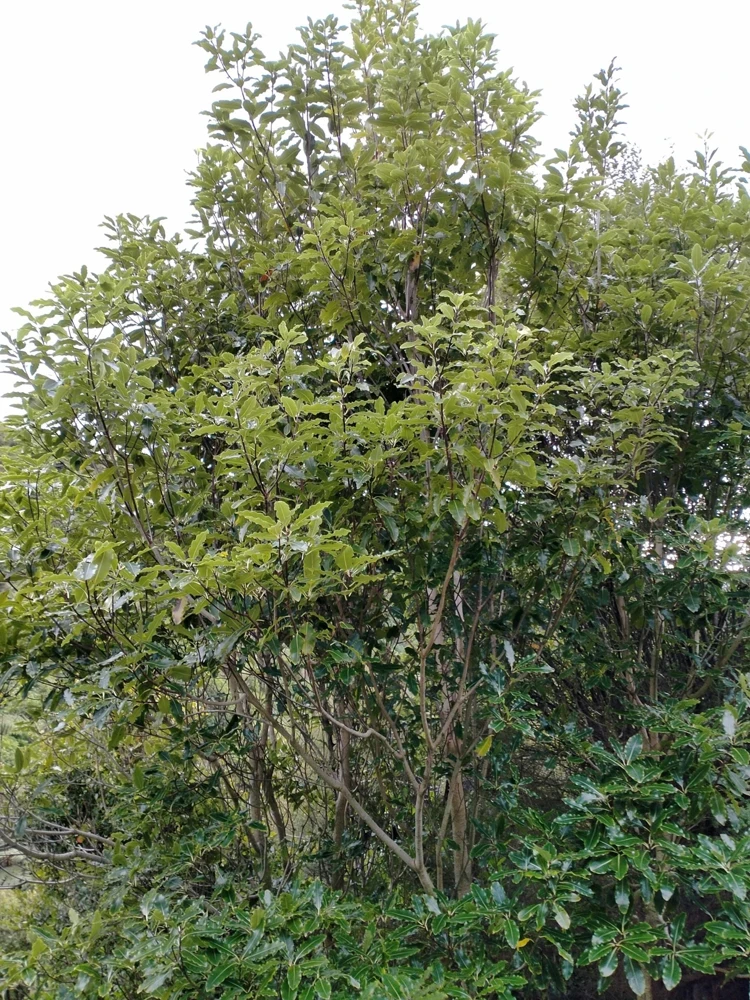
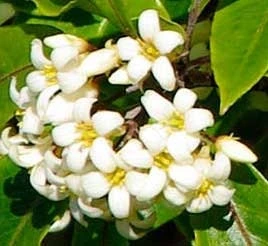
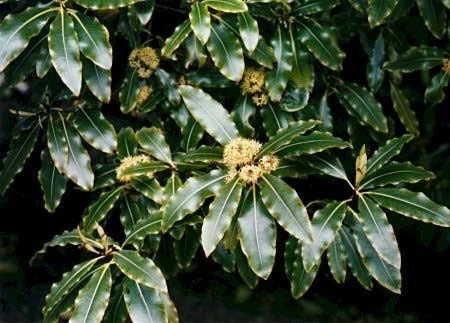
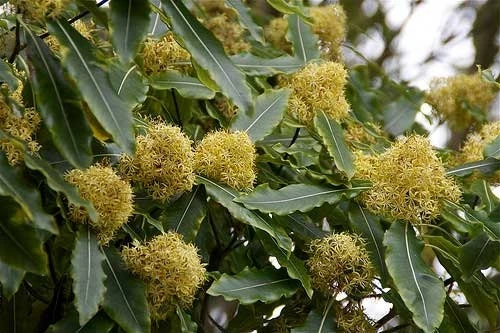
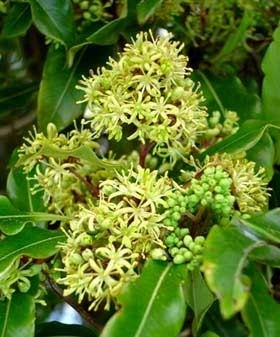
Pittosporum Eugenioides Seeds – Lemonwood Tree Tarata – 5 Seeds
Original price was: 48.91 $.19.91 $Current price is: 19.91 $.
Cultivate the beautiful and fragrant pittosporum eugenioides seeds, also known as the lemonwood tree seeds or Tarata. These fast growing tree seeds produce an evergreen perfect for privacy screens or as a shrub, offering a wonderful scent from its crushed leaves and flowers. Ideal for USDA Zones 9-11.
Estimated arrival
Nov 27
Dec 02 - Dec 04
Dec 04 - Dec 09
See our Shipping Policy.
Get in touch with us via email, and our team will review your concerns.
Our Alive & Thrive Guarantee covers issues with your plants within the first 30 days. Read our Refund & Returns Policy.
-
USDA Hardiness Zone
USDA Zones 9 to 11 -
Soil Type
Well-draining soil -
Sunlight Exposure
Full sun to partial shade -
Expected Planting Period
Spring to early summer
Overview
Embark on a rewarding gardening journey by growing your own pittosporum eugenioides seeds, also famously known as the Lemonwood Tree or Tarata. This unique evergreen species is native to New Zealand and is highly cherished for its distinctive, sweet fragrance. The Maori people have historically utilized this tree to create aromatic oils and other natural products, highlighting its long-standing cultural significance. When the leaves and flowers are crushed, they release an intoxicating perfume that will transform your garden into a sensory delight. These lemonwood tree seeds are perfect for gardeners looking to add a touch of exotic elegance and a captivating aroma to their outdoor spaces. Whether you’re an experienced horticulturist or a budding enthusiast, cultivating Tarata from seed offers a profound connection to nature and a truly gratifying experience.
The pittosporum eugenioides seeds promise a plant that is not only beautiful but also incredibly versatile. Its rapid growth rate and evergreen foliage make it an excellent choice for creating dense privacy screens or hedges. It can also be easily trained into a specimen tree or a compact shrub, adapting to various landscape designs. The vibrant green leaves and delicate flowers add visual appeal, while the persistent fragrance ensures it remains a focal point throughout the year. If you’re seeking a plant that combines aesthetic charm with practical benefits and a rich cultural history, the tarata seeds are an exceptional choice for your garden.
Key Benefits
Growing a Lemonwood Tree from pittosporum eugenioides seeds offers a multitude of advantages for any garden. Its versatility and fragrant nature make it a standout choice.
- Aromatic Foliage & Flowers: The most remarkable feature of the Lemonwood Tree is its delightful fragrance. Crushing the leaves or flowers releases a sweet, lemon-like scent that can perfume your entire garden, creating a truly immersive sensory experience.
- Excellent Privacy Screen: Thanks to its fast growth rate and dense evergreen foliage, the Pittosporum eugenioides is an ideal candidate for creating natural privacy screens, hedges, or windbreaks, offering year-round seclusion.
- Versatile Landscaping Plant: This adaptable tree can be trained as a stately tree, a multi-stemmed shrub, or even espaliered, making it suitable for a wide range of garden designs and spaces.
- Evergreen Beauty: Enjoy lush green foliage throughout all seasons. The vibrant leaves provide continuous visual interest and structure to your landscape, even in winter.
- Low Maintenance: Once established, the Lemonwood Tree is relatively low-maintenance, requiring minimal care beyond occasional pruning to maintain its desired shape and size.
- Cultural Significance: The Tarata holds historical and cultural importance with the Maori of New Zealand, who have long used it for scented oils and other products, adding a rich story to your garden. These fragrant tree seeds bring a piece of this heritage to your home.
- Adaptable to Training: Its pliable branches allow for easy shaping and training, perfect for gardeners who enjoy sculpting their plants into specific forms. Cultivating these fast growing tree seeds provides a sense of accomplishment.
Plant Care & Growing Tips
Successfully cultivating pittosporum eugenioides seeds requires attention to a few key environmental factors to ensure strong, healthy growth. Once germinated, the seedlings will thrive with consistent care. For optimal growth, ensure your Lemonwood Tree receives adequate sunlight. It prefers full sun to partial shade, meaning at least 6 hours of direct sunlight per day is ideal, but it can tolerate some afternoon shade in hotter climates. In its native habitat, the Tarata often grows in open areas, indicating its preference for good light exposure. Providing the right amount of light will encourage dense foliage and abundant fragrant flowers from your lemonwood tree seeds.
Watering is crucial, especially during the establishment phase. Keep the soil consistently moist but never waterlogged. Good drainage is paramount to prevent root rot. Once mature, the Lemonwood Tree is relatively drought-tolerant, but regular watering during dry spells will promote healthier growth and a more vigorous plant. A well-draining soil, such as a sandy loam or a general-purpose potting mix amended with perlite or coarse sand, is ideal. The USDA Hardiness Zones for Pittosporum eugenioides are 9 to 11, indicating it prefers milder climates and may need protection from severe frosts in cooler regions. Fertilize in spring with a balanced, slow-release granular fertilizer formulated for trees and shrubs to support its rapid growth. Pruning can be done after flowering to maintain shape and size or to remove any dead or damaged branches. Watch out for common pests like aphids or scale insects, and treat with organic insecticidal soap if necessary to keep your tarata seeds growing into magnificent trees.
Size & Details
These pittosporum eugenioides seeds will grow into a versatile evergreen tree or shrub. As a tree, it can reach impressive heights of 20-40 feet (6-12 meters) with a spread of 10-20 feet (3-6 meters) when mature, making it an excellent choice for a substantial privacy screen or a focal point in a larger garden. When trained as a shrub, its size can be maintained much smaller through regular pruning, often staying within 6-15 feet (1.8-4.5 meters) tall and wide. The seeds are typically shipped in a protective packet, ensuring their viability upon arrival. Expect germination to occur within a few weeks under ideal conditions, with seedlings developing rapidly. The time to maturity for a significant screen can be as little as 5-7 years, given its fast-growing nature. Each packet contains 5 seeds, providing a good start for establishing your fragrant Lemonwood trees.
Frequently Asked Questions
- Q: How big does this plant get? A: The Pittosporum eugenioides, also known as the Lemonwood Tree, can grow 20-40 feet tall and 10-20 feet wide as a tree. It can also be maintained as a smaller shrub, typically 6-15 feet tall, with regular pruning from these pittosporum eugenioides seeds.
- Q: Is this an indoor or outdoor plant? A: The Lemonwood Tree is primarily an outdoor plant, thriving in USDA Hardiness Zones 9 to 11. While young seedlings can be started indoors, they should be transplanted outdoors once established to reach their full potential.
- Q: How much sunlight does it need? A: This plant prefers full sun to partial shade, ideally receiving at least 6 hours of direct sunlight daily. Providing ample light ensures vigorous growth and abundant fragrant foliage from your lemonwood tree seeds.
- Q: Is this plant easy to care for? A: Yes, once established, the Lemonwood Tree is considered relatively low-maintenance. It’s adaptable and tolerates various conditions, making it suitable for gardeners of different skill levels.
- Q: What condition will the seeds arrive in? A: The tarata seeds will arrive securely packaged to ensure their integrity and viability during transit, ready for you to plant.
- Q: When is the best time to plant these seeds? A: The best time to plant these seeds is typically in spring after the last frost, or in late summer/early autumn in warmer climates, allowing them time to establish before extreme weather.
- Q: Will it survive winter in my zone? A: The Lemonwood Tree is hardy in USDA Zones 9 to 11. If you are in a colder zone, it may require winter protection or can be grown in a container and moved indoors during freezing temperatures.
- Q: What makes the Lemonwood Tree fragrant? A: The distinctive, sweet, lemon-like fragrance comes from the crushed leaves and flowers of the Pittosporum eugenioides. This natural aroma is a key feature of these fragrant tree seeds.
- Q: Can these seeds be used for privacy screening? A: Absolutely! The rapid growth and dense evergreen foliage make the Lemonwood Tree an excellent choice for creating effective and beautiful privacy screens or hedges. These are truly fast growing tree seeds.
- Q: How many seeds are included in a pack? A: Each pack contains 5 seeds of Pittosporum eugenioides, providing a good quantity to start your Lemonwood Tree cultivation.
Be the first to review “Pittosporum Eugenioides Seeds – Lemonwood Tree Tarata – 5 Seeds”
Related products




You May Like

How to Grow Passion Flower (Passiflora) for Tropical Blooms
Few climbing vines in the home garden command attention quite like the exotic Passion Flower (Passiflora). [...]
Nov

Thanksgiving Cactus Care: How to Get Thanksgiving Cactus to Bloom
Is your Thanksgiving cactus growing well but not giving you any flowers? Maybe it looked [...]
Nov

How to Grow Garlic for a Bountiful Home Harvest
Garlic (Allium sativum) is one of the most satisfying, low-maintenance, and flavor-packed crops you can [...]
Oct

Hardneck vs. Softneck Garlic: Which Should You Grow?
Have you ever stood in front of a seed catalog in mid-September, staring at dozens [...]
1 Comment
Oct

When to Plant Music Garlic: Ultimate US Fall Guide
Have you ever spent your fall weekend placing carefully chosen garlic cloves into rich, dark [...]
1 Comment
Oct

5 Best Bulbs for Fall Planting: Brighten Your Garden This Spring
Are you dreaming of a garden full of vibrant colors in the spring? The key [...]
Aug

10 Houseplants That Will Thrive in Your Kitchen
Are you tired of your kitchen feeling dull and lifeless? Want to add a little [...]
1 Comment
Aug
Reviews
There are no reviews yet.