
Ponderosa Pine Seeds – Pinus Ponderosa – 10 Seeds – Outdoor Tree
Original price was: 19.98 $.15.99 $Current price is: 15.99 $.
Cultivate the iconic Ponderosa Pine tree from seed. This pack contains 10 Pinus Ponderosa seeds, ideal for outdoor planting and creating a natural landscape. Enjoy the beauty of this cold-resistant evergreen.
Estimated arrival
Nov 27
Dec 02 - Dec 04
Dec 04 - Dec 09
See our Shipping Policy.
Get in touch with us via email, and our team will review your concerns.
Our Alive & Thrive Guarantee covers issues with your plants within the first 30 days. Read our Refund & Returns Policy.
-
USDA Hardiness Zone
USDA Zones 3-7 -
Soil Type
Well-draining, sandy to loamy soil -
Sunlight Exposure
Full sun -
Expected Planting Period
Early spring after stratification
Overview
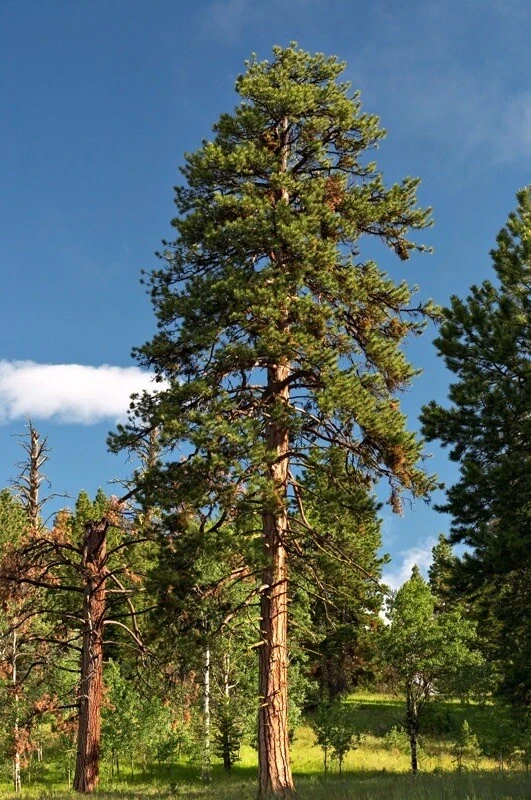
Embark on a rewarding journey of cultivating your own majestic coniferous forest with our premium selection of Ponderosa Pine seeds. This offering provides 10 viable seeds of the renowned Pinus Ponderosa, commonly known as the Ponderosa Pine tree. These seeds are your starting point for growing one of North America’s most iconic and stately trees, celebrated for its impressive height, distinctive bark, and long, vibrant needles. The Ponderosa Pine is a truly magnificent specimen, adding significant aesthetic and ecological value to any landscape. Known for its adaptability and resilience, especially in colder climates, growing this tree from seed is a fulfilling project for gardeners and naturalists alike.
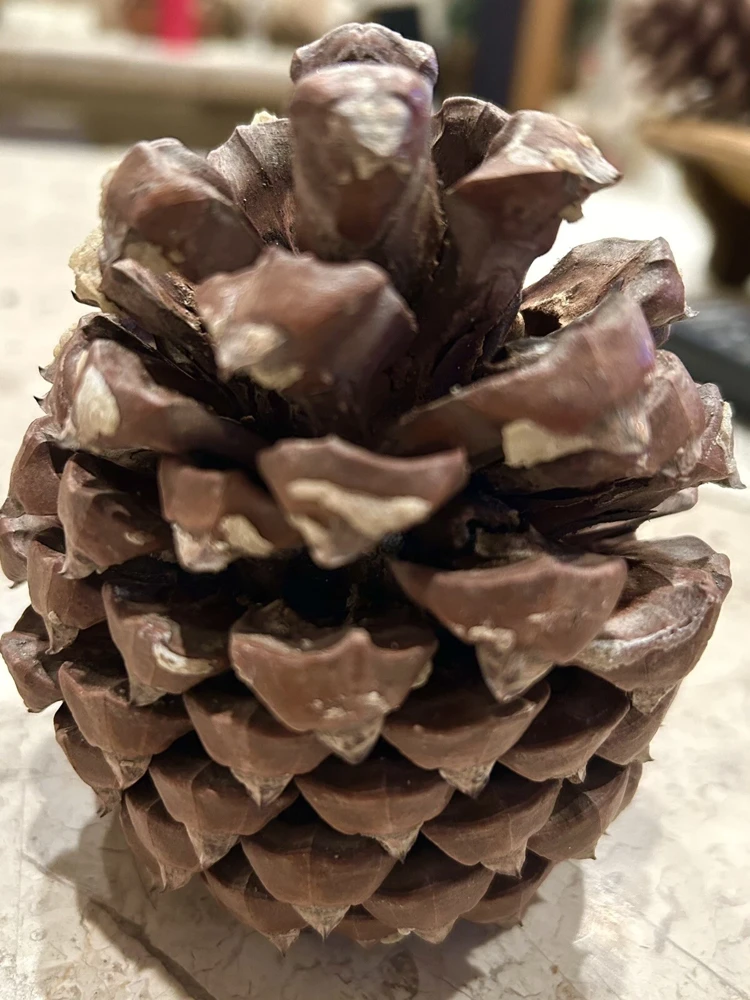
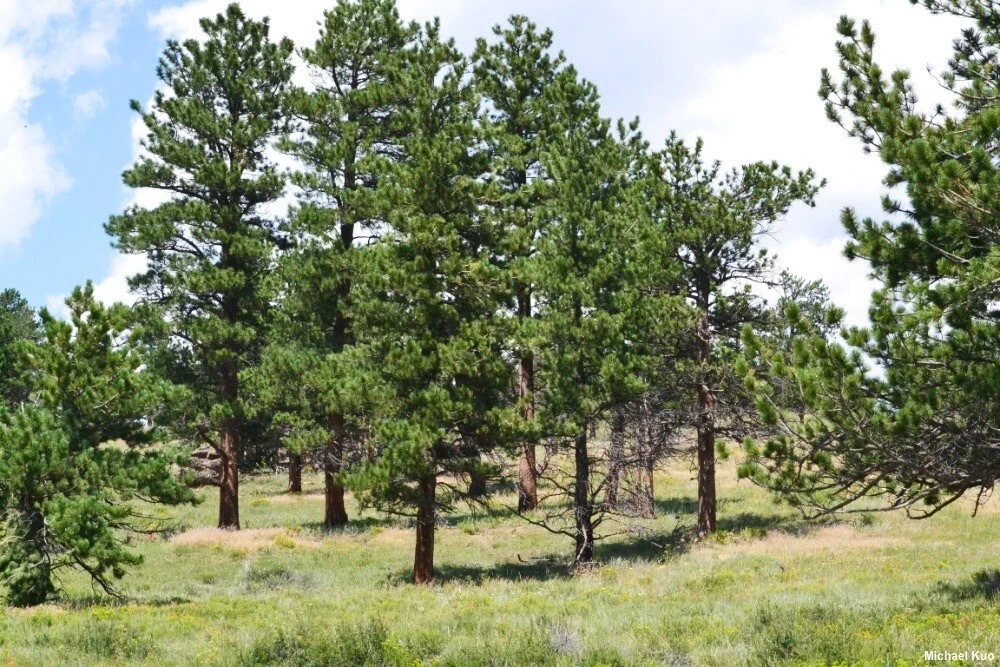
The Ponderosa Pine tree is a symbol of strength and longevity, often reaching impressive heights and living for hundreds of years. Its unique characteristics, such as its long needles grouped in bundles of three and its reddish-brown, scaly bark that develops into large, flat plates with age, make it easily recognizable and a striking addition to large gardens, parks, or reforestation efforts. With these Pinus Ponderosa seeds, you can contribute to the beauty and biodiversity of your local environment.
Key Benefits
Growing Ponderosa Pine seeds offers a multitude of benefits, from enhancing your landscape to contributing to ecological health. These seeds provide an opportunity to cultivate a tree that delivers both visual appeal and environmental advantages.
- Stunning Evergreen Beauty: The Ponderosa Pine tree boasts long, dark green needles that remain vibrant throughout the year, providing continuous beauty and a strong visual presence in any season. Its majestic form and distinctive bark create a captivating focal point.
- Ecological Impact: Planting Ponderosa Pine seeds contributes to local ecosystems by providing habitat and food for various wildlife species. These trees also play a crucial role in carbon sequestration and improving air quality.
- Cold Hardiness & Adaptability: The Ponderosa Pine tree is renowned for its exceptional cold resistance and ability to thrive in a wide range of climates, particularly those with cold winters and dry summers, making it a reliable choice for many regions.
- Drought Tolerance: Once established, Ponderosa Pine trees are remarkably drought-tolerant, requiring less supplemental watering than many other tree species, making them a sustainable choice for water-conscious gardening.
- Long-Term Investment: Growing a Ponderosa Pine tree from seed is an investment in the future. These long-lived trees will enhance your property for generations, increasing its value and beauty over time.
- Natural Windbreak & Privacy: Due to their dense foliage and significant size, Ponderosa Pines make excellent natural windbreaks and privacy screens, offering protection and seclusion to your property.
- Low Maintenance (Once Established): After the initial establishment phase, Ponderosa Pine trees are relatively low-maintenance, requiring minimal care and allowing you to enjoy their grandeur with less effort.
Plant Care & Growing Tips
Successfully growing Ponderosa Pine seeds into robust trees requires attention to specific environmental conditions and care practices. The Ponderosa Pine tree, while hardy, benefits greatly from proper initial care to ensure strong establishment and healthy growth. Stratification is often recommended for these seeds to break dormancy and encourage germination. This typically involves a period of cold, moist storage for several weeks before planting.
Once ready for planting, select a site that receives full sun, ideally 6-8 hours of direct sunlight per day. Ponderosa Pine trees prefer well-draining soil, ranging from sandy to loamy, and can tolerate slightly acidic to neutral pH levels. Avoid heavy clay soils that retain too much moisture, as this can lead to root rot. When sowing your Pinus Ponderosa seeds, plant them about 1/4 to 1/2 inch deep and space them adequately to allow for future growth. Keep the soil consistently moist but not waterlogged during the germination and seedling stages. After germination, reduce watering frequency, allowing the soil to dry slightly between waterings.
Young Ponderosa Pine trees will benefit from protection from extreme weather and pests. Mulching around the base can help retain soil moisture, regulate temperature, and suppress weeds. Fertilization is generally not heavily required, especially in fertile soils, but a balanced, slow-release fertilizer can support growth in poorer soils. Monitor for common pests and diseases, though Ponderosa Pines are generally quite resilient. With proper care, your cold hardy pine seeds will develop into magnificent trees, adding a touch of the wilderness to your home.
Size & Details
This product includes 10 high-quality Ponderosa Pine seeds (Pinus Ponderosa), carefully selected to ensure viability. These seeds are the starting point for growing trees that can eventually reach impressive heights, typically ranging from 60 to 100 feet in cultivation, and even taller in their natural habitat, with a spread of 20-30 feet. Growth rate is moderate, often 1-2 feet per year once established. The seeds are intended for outdoor planting and will develop into full-sized trees over many years, providing a long-term landscape feature. Expect the initial seedling stage to require consistent care, transitioning to a more self-sufficient tree as it matures.
Frequently Asked Questions
- Q: How big does a Ponderosa Pine tree get? A: A mature Ponderosa Pine tree can typically reach heights of 60 to 100 feet in cultivated landscapes, with some wild specimens growing even taller. They develop a spread of 20-30 feet, making them ideal for large spaces.
- Q: What is the best way to germinate Ponderosa Pine seeds? A: Stratification is often required for Ponderosa Pine seeds. This involves placing them in a moist medium (like sand or peat) in a refrigerator for 30-60 days before planting to mimic natural winter conditions and break dormancy.
- Q: Is this plant easy to care for as a seedling? A: While germinating Pinus Ponderosa seeds requires patience and specific conditions like stratification, young seedlings need consistent moisture and protection. Once established, the Ponderosa Pine becomes a relatively low-maintenance, cold hardy pine tree.
- Q: How much sunlight does the Ponderosa Pine need? A: The Ponderosa Pine tree thrives in full sun, requiring at least 6-8 hours of direct sunlight per day for optimal growth and health. Choose a planting location that is not shaded by other trees or buildings.
- Q: What type of soil is best for growing Ponderosa Pine? A: Ponderosa Pine trees prefer well-draining soil, including sandy, loamy, or even rocky soils. They can tolerate a range of pH levels but do not do well in heavy, waterlogged clay soils.
- Q: When is the best time to plant Ponderosa Pine seeds? A: After stratification, the best time to sow Ponderosa Pine seeds is in early spring, once the danger of hard frosts has passed. This allows the seedlings to establish themselves during the growing season.
- Q: Will the Ponderosa Pine survive winter in my zone? A: Yes, the Ponderosa Pine tree is exceptionally cold hardy, typically thriving in USDA Zones 3-7. It is well-adapted to cold winters and can withstand significant temperature drops. These are true cold hardy pine seeds.
- Q: How long does it take for a Ponderosa Pine to grow to a noticeable size? A: While germination can take several weeks, and initial growth is slow, Ponderosa Pine trees typically grow 1-2 feet per year once established. You will start to see a noticeable tree form within 3-5 years.
- Q: Can I grow Ponderosa Pine in a container? A: While you can start Ponderosa Pine seeds in containers, it is not recommended for long-term growth. The Ponderosa Pine tree develops a deep taproot and requires ample space for its extensive root system to support its large size.
- Q: Are these Ponderosa Pine seeds suitable for reforestation projects? A: Absolutely. These Pinus Ponderosa seeds are an excellent choice for reforestation, land reclamation, and large-scale landscaping projects due to the species’ hardiness and ecological benefits.
Be the first to review “Ponderosa Pine Seeds – Pinus Ponderosa – 10 Seeds – Outdoor Tree”
Related products


You May Like

How to Grow Passion Flower (Passiflora) for Tropical Blooms
Few climbing vines in the home garden command attention quite like the exotic Passion Flower (Passiflora). [...]
Nov

Thanksgiving Cactus Care: How to Get Thanksgiving Cactus to Bloom
Is your Thanksgiving cactus growing well but not giving you any flowers? Maybe it looked [...]
Nov

How to Grow Garlic for a Bountiful Home Harvest
Garlic (Allium sativum) is one of the most satisfying, low-maintenance, and flavor-packed crops you can [...]
Oct

Hardneck vs. Softneck Garlic: Which Should You Grow?
Have you ever stood in front of a seed catalog in mid-September, staring at dozens [...]
1 Comment
Oct

When to Plant Music Garlic: Ultimate US Fall Guide
Have you ever spent your fall weekend placing carefully chosen garlic cloves into rich, dark [...]
1 Comment
Oct

5 Best Bulbs for Fall Planting: Brighten Your Garden This Spring
Are you dreaming of a garden full of vibrant colors in the spring? The key [...]
Aug

10 Houseplants That Will Thrive in Your Kitchen
Are you tired of your kitchen feeling dull and lifeless? Want to add a little [...]
1 Comment
Aug
Reviews
There are no reviews yet.