
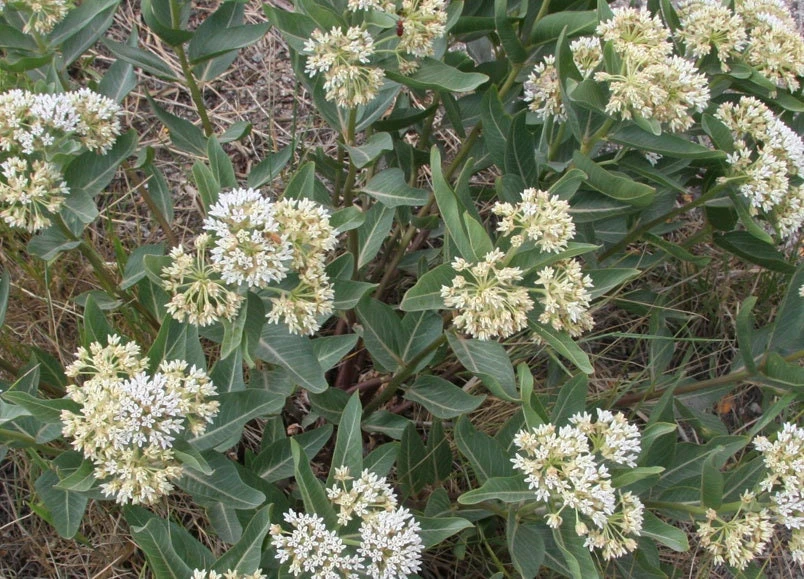
Purple Silkweed Seeds – Asclepias hallii Milkweed – 5 Seeds for Pollinators
Original price was: 48.91 $.19.91 $Current price is: 19.91 $.
Cultivate a vibrant pollinator haven with purple silkweed seeds (Asclepias hallii). Each packet contains 5 seeds of this native milkweed, known for attracting Monarch butterflies and a wide array of other beneficial insects. Perfect for creating a sustainable and beautiful garden.
Estimated arrival
Nov 26
Dec 01 - Dec 03
Dec 03 - Dec 08
See our Shipping Policy.
Get in touch with us via email, and our team will review your concerns.
Our Alive & Thrive Guarantee covers issues with your plants within the first 30 days. Read our Refund & Returns Policy.
-
USDA Hardiness Zone
3 to 7 -
Soil Type
Well-draining, sandy to loamy soil -
Sunlight Exposure
Full sun (6-8+ hours daily) -
Expected Planting Period
Late fall or early spring (after cold stratification)
Overview
Bring the beauty of native flora and the magic of pollinators to your garden with purple silkweed seeds. This offering provides 5 seeds of Asclepias hallii, commonly known as Purple Silkweed or Hall’s Milkweed. This remarkable plant is a vital component of many ecosystems, serving as a crucial host plant for Monarch butterfly larvae and a rich nectar source for numerous adult butterflies, bees, and other beneficial insects. Growing this plant from seed allows you to witness its full life cycle and contribute directly to local biodiversity. It is an excellent choice for gardeners looking to support wildlife and create a thriving natural habitat.
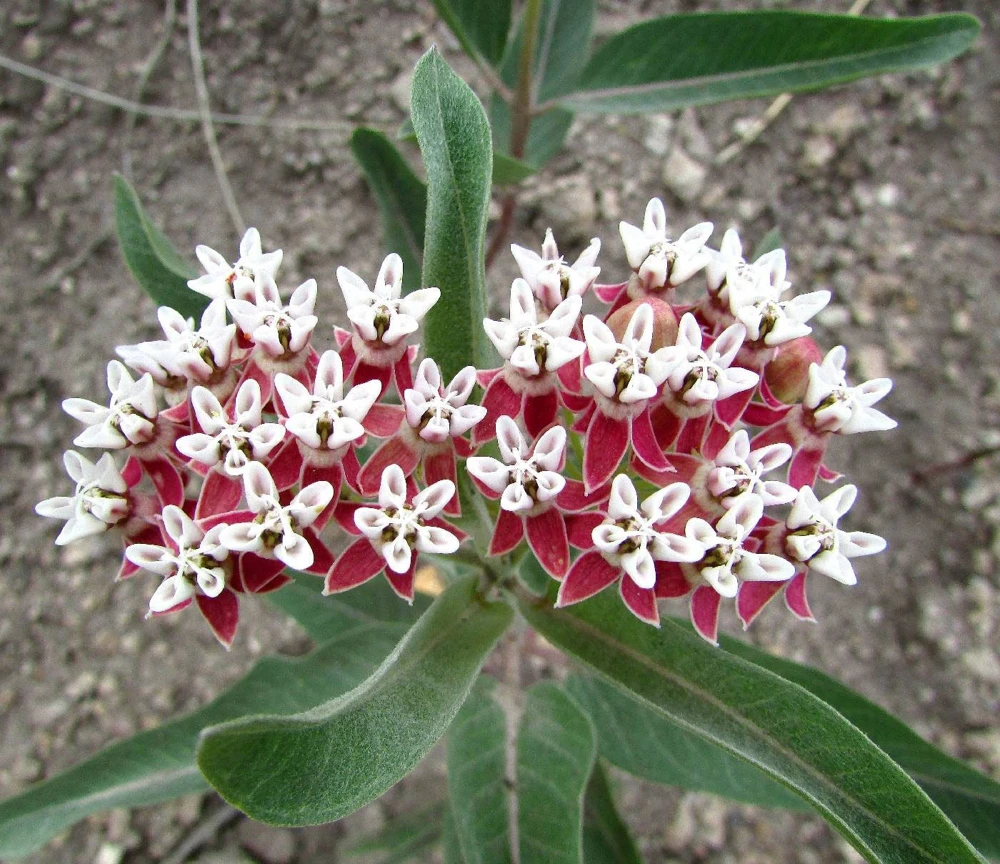
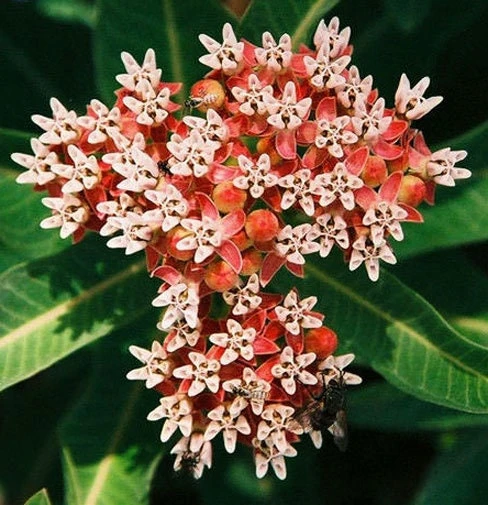
Purple silkweed seeds are an ideal starting point for cultivating a resilient and rewarding perennial. Known for its distinctive purple-tinged flowers and silken seed pods, Asclepias hallii adds unique visual interest to any garden space. Beyond its aesthetic appeal, its ecological importance cannot be overstated, making it a valuable addition for both novice and experienced gardeners committed to ecological stewardship.
Key Benefits
Planting purple silkweed seeds offers a multitude of benefits for your garden and the environment. These seeds will grow into robust plants that provide essential resources for local wildlife:
- Attracts Monarch Butterflies: As a primary host plant, Asclepias hallii is indispensable for the survival of Monarch butterfly caterpillars, supporting their metamorphosis into adult butterflies.
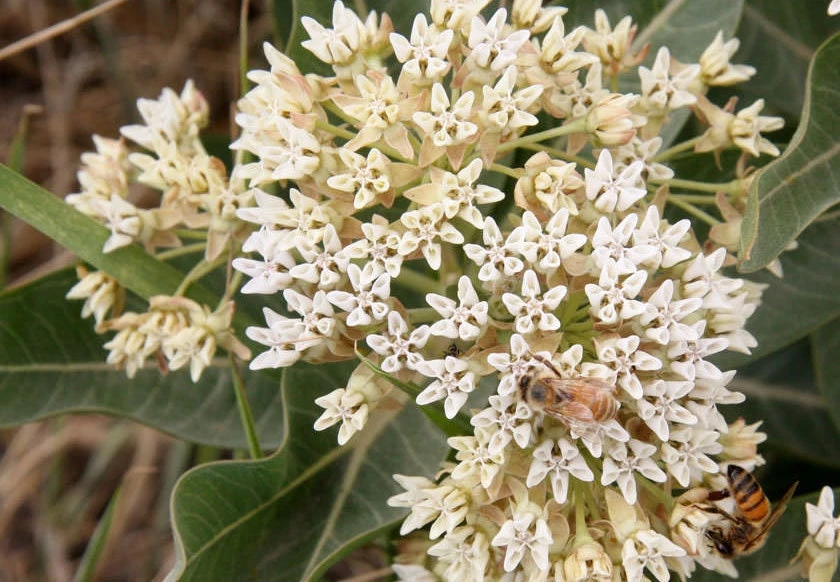
- Supports Diverse Pollinators: Beyond Monarchs, this milkweed variety attracts a wide range of pollinators including bees, wasps, skippers, moths, and other butterflies, enhancing garden health.
- Native Plant Resilience: Being a native species, halls milkweed seeds grow into plants that are well-adapted to local conditions within their hardiness zones, often requiring less maintenance once established.
- Drought Tolerant: Once mature, Purple Silkweed exhibits good drought tolerance, making it suitable for xeriscaping or gardens in regions with infrequent rainfall.
- Unique Ornamental Value: The distinctive flowers and interesting seed pods provide aesthetic appeal, adding texture and color to garden beds and naturalized areas.
- Educational Opportunity: Growing asclepias hallii seeds offers a fantastic educational experience, allowing individuals to observe the life cycles of butterflies and other insects firsthand.
- Ecosystem Restoration: By planting these seeds, you contribute to the restoration of crucial habitats for declining pollinator populations, playing a direct role in conservation efforts.
Plant Care & Growing Tips
Successfully growing purple silkweed seeds requires attention to a few key factors, ensuring healthy germination and robust plant development. First, stratification is often beneficial for milkweed seeds; a cold stratification period of 30-60 days can significantly improve germination rates. This can be achieved by placing seeds in a damp paper towel within a plastic bag in your refrigerator before planting. Once ready, sow seeds directly outdoors in late fall or early spring, or start them indoors 6-8 weeks before the last frost date.
For optimal growth, Purple Silkweed thrives in full sun, requiring at least 6-8 hours of direct sunlight daily. It prefers well-draining soil, ranging from sandy to loamy, and can tolerate poor soil conditions as long as drainage is adequate. Avoid heavy clay soils that retain too much moisture. Watering should be consistent during the germination and establishment phases; keep the soil moist but not waterlogged. Once established, these plants are quite drought-tolerant and will only need supplemental watering during prolonged dry spells. Fertilization is generally not necessary in average garden soil, as milkweeds are adapted to less nutrient-rich environments. For those interested in supporting monarch butterfly milkweed, ensure no pesticides are used on or near the plants, as these can harm caterpillars and adult butterflies. Pollinator garden seeds like these are a fantastic way to create a thriving ecosystem.
Size & Details
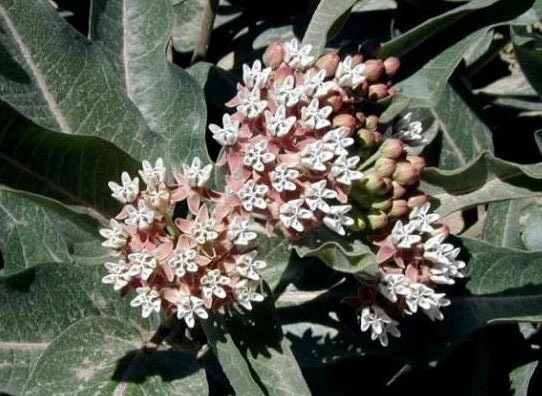
This product includes 5 purple silkweed seeds (Asclepias hallii), ready for planting. Once established, Purple Silkweed typically grows to a height of 1 to 3 feet (30-90 cm) and spreads about 1 to 2 feet (30-60 cm) wide, forming an upright, clumping perennial. The seeds are small and should be planted about 1/4 inch deep. Plants usually begin to flower in their second year from seed, producing clusters of subtly colored purple to pinkish-white flowers in summer. The distinctive canoe-shaped seed pods, filled with silky-plumed seeds, develop in late summer to fall, adding visual interest. This plant is a perennial, meaning it will return year after year from its rootstock in suitable climates. It’s an excellent choice for anyone looking to cultivate halls milkweed seeds.
Frequently Asked Questions
- Q: How many purple silkweed seeds are included in this packet? A: This packet contains 5 high-quality purple silkweed seeds, ready for you to plant and grow in your garden.
- Q: What is the best way to get these Asclepias hallii seeds to germinate? A: Cold stratification is highly recommended for asclepias hallii seeds. Place them in a damp paper towel in a sealed plastic bag in your refrigerator for 30-60 days before planting for best results.
- Q: Is this milkweed suitable for Monarch butterflies? A: Yes, Asclepias hallii is a native milkweed species and a crucial host plant for Monarch butterfly caterpillars, making it an excellent choice for supporting Monarch populations.
- Q: How much sun does Purple Silkweed need to thrive? A: Purple Silkweed prefers full sun, meaning it requires at least 6-8 hours of direct sunlight per day to grow vigorously and produce abundant flowers.
- Q: What kind of soil does this plant prefer? A: This milkweed thrives in well-draining soil, including sandy, gravelly, or loamy types. It can tolerate poorer soils as long as they are not waterlogged.
- Q: What USDA Hardiness Zones is Asclepias hallii suitable for? A: Asclepias hallii is hardy in USDA Zones 3 to 7, making it a resilient choice for a wide range of temperate climates.
- Q: When is the best time to plant these pollinator garden seeds? A: You can sow the stratified pollinator garden seeds directly outdoors in late fall for natural cold stratification, or in early spring after the last frost. For earlier blooms, start indoors 6-8 weeks before the last frost.
- Q: Will this plant attract other pollinators besides Monarchs? A: Absolutely! Like most milkweeds, Purple Silkweed is a documented nectar source for a variety of pollinators, including bees, wasps, skippers, and other butterfly species, enriching your garden’s biodiversity.
- Q: How tall does Purple Silkweed typically grow? A: Once mature, Purple Silkweed generally reaches a height of 1 to 3 feet (30-90 cm), forming an attractive upright clump in your garden.
- Q: Is this plant considered deer resistant? A: Milkweeds, including Asclepias hallii, are generally considered deer and rabbit resistant due to the milky sap they contain, which can be unpalatable to browsing animals.
Be the first to review “Purple Silkweed Seeds – Asclepias hallii Milkweed – 5 Seeds for Pollinators”
Related products


You May Like

How to Grow Passion Flower (Passiflora) for Tropical Blooms
Few climbing vines in the home garden command attention quite like the exotic Passion Flower (Passiflora). [...]
Nov

Thanksgiving Cactus Care: How to Get Thanksgiving Cactus to Bloom
Is your Thanksgiving cactus growing well but not giving you any flowers? Maybe it looked [...]
Nov

How to Grow Garlic for a Bountiful Home Harvest
Garlic (Allium sativum) is one of the most satisfying, low-maintenance, and flavor-packed crops you can [...]
Oct

Hardneck vs. Softneck Garlic: Which Should You Grow?
Have you ever stood in front of a seed catalog in mid-September, staring at dozens [...]
1 Comment
Oct

When to Plant Music Garlic: Ultimate US Fall Guide
Have you ever spent your fall weekend placing carefully chosen garlic cloves into rich, dark [...]
1 Comment
Oct

5 Best Bulbs for Fall Planting: Brighten Your Garden This Spring
Are you dreaming of a garden full of vibrant colors in the spring? The key [...]
Aug

10 Houseplants That Will Thrive in Your Kitchen
Are you tired of your kitchen feeling dull and lifeless? Want to add a little [...]
1 Comment
Aug
Reviews
There are no reviews yet.