
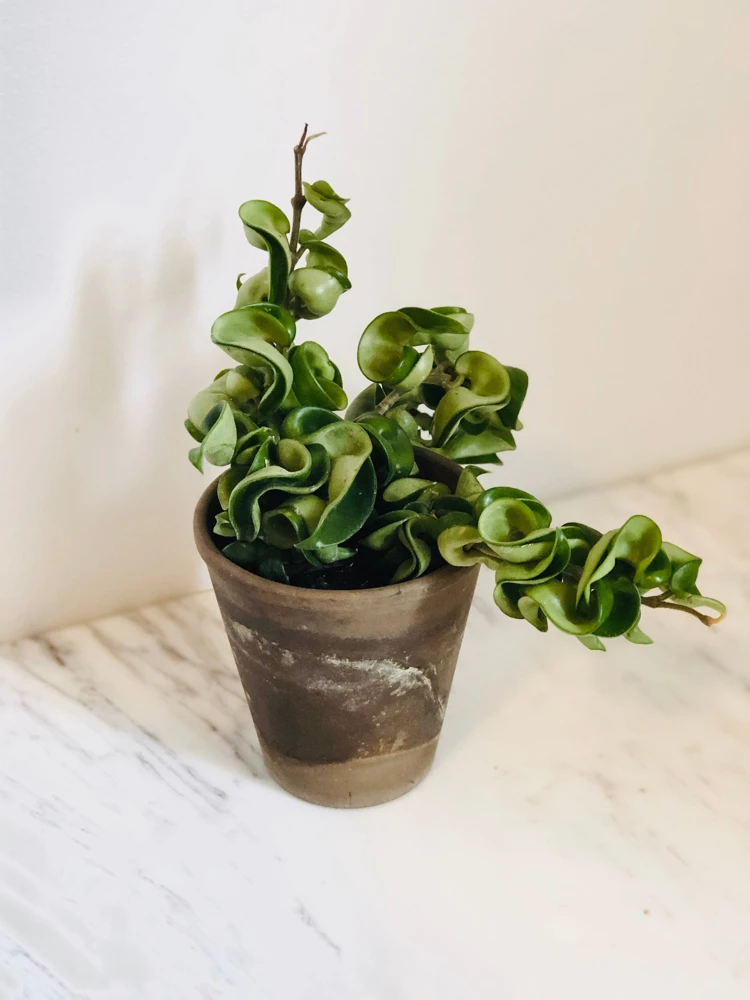
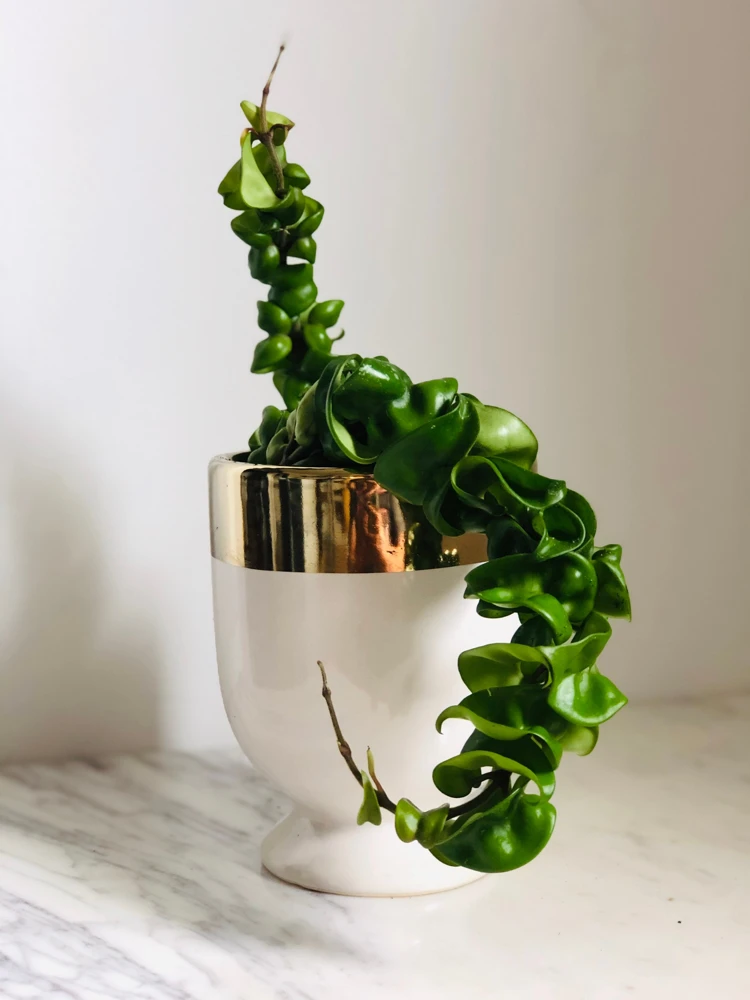
Rope Hoya Live Plant – Hindu Krinkle Kurl Carnosa – 4 inch Potted Houseplant
Original price was: 75.51 $.45.51 $Current price is: 45.51 $.
Bring home a captivating rope hoya live plant, also known as Hindu Rope or Krinkle Kurl Hoya. This 4-inch potted houseplant features striking, succulent-like curled foliage that creates a unique cascading or upright display. Perfect for adding architectural interest to any indoor space, this hoya carnosa krinkle kurl is a delightful and relatively easy-to-care-for specimen for plant enthusiasts.
Estimated arrival
Nov 26
Dec 01 - Dec 03
Dec 03 - Dec 08
See our Shipping Policy.
Get in touch with us via email, and our team will review your concerns.
Our Alive & Thrive Guarantee covers issues with your plants within the first 30 days. Read our Refund & Returns Policy.
-
USDA Hardiness Zone
USDA zones 10-11 (for outdoor), typically grown indoors -
Soil Type
Well-draining, airy potting mix -
Sunlight Exposure
Bright indirect light -
Expected Planting Period
Year-round indoors
Overview
Introduce an extraordinary botanical accent to your home with the rope hoya live plant, scientifically known as Hoya carnosa ‘Compacta’. This particular variety, often affectionately called Hindu Rope or Krinkle Kurl, is celebrated for its incredibly unique and tightly curled, rope-like foliage. Each succulent-like leaf grows in a compact, crinkled formation, creating a dense, textural display that truly stands out among other houseplants. Originating from tropical regions, this rope hoya live plant thrives in warm, humid environments, making it an ideal candidate for bright indoor settings. Its distinctive appearance and relatively straightforward care requirements make it a popular choice for both novice and experienced plant collectors seeking a conversation-starting specimen. The ‘Compacta’ cultivar is a truly fascinating addition, offering visual intrigue with its cascading or upright growth habit, perfect for shelves, hanging baskets, or as a desk companion.
Key Benefits
The rope hoya live plant offers a multitude of benefits, making it a highly desirable addition to any indoor plant collection. Beyond its striking aesthetics, this plant contributes positively to your living environment.
- Unique Aesthetic Appeal: The most prominent benefit is its highly unusual and sculptural foliage. The tightly curled leaves of the hoya carnosa krinkle kurl create a distinctive texture and form that adds a sophisticated and exotic touch to any room, making it a focal point in your decor.
- Low Maintenance: Despite its exotic appearance, the Hindu Rope plant is surprisingly easy to care for. It tolerates a range of indoor conditions and doesn’t demand constant attention, making it suitable for busy individuals or those new to plant care.
- Air Purification: Like many houseplants, the rope hoya live plant contributes to improving indoor air quality by absorbing common household toxins and releasing oxygen, promoting a healthier living space.
- Long-Lived: With proper care, a hoya hindu rope can live for many years, growing into a substantial and impressive specimen that continues to provide beauty and enjoyment over time.
- Pet-Friendly (Non-Toxic): Hoya plants are generally considered non-toxic to pets, making them a safer choice for households with cats, dogs, or other animals compared to many other popular houseplants.
- Drought Tolerance: Its succulent-like leaves allow the hoya carnosa krinkle kurl to store water, making it relatively forgiving if you occasionally forget to water it. This natural resilience contributes to its ease of care.
- Potential for Blooms: Mature rope hoya live plant specimens can produce clusters of beautiful, star-shaped, often fragrant flowers, adding another layer of charm to this already captivating plant.
Plant Care & Growing Tips
Caring for your rope hoya live plant is a rewarding experience, and providing the right conditions will ensure its vibrant growth and unique foliage. This plant thrives with consistent, yet moderate, attention. For optimal growth, understanding its specific needs for light, water, and soil is crucial.
When it comes to sunlight, the hoya carnosa krinkle kurl prefers bright, indirect light. A south or west-facing window with sheer curtains, or an east-facing window, would be ideal. Direct afternoon sun can scorch its delicate leaves, so protection is recommended, especially during peak summer hours. Insufficient light may lead to leggy growth and a lack of the characteristic tight curling. For watering, allow the top 1-2 inches of soil to dry out completely between waterings. Overwatering is a common issue for Hoya plants and can lead to root rot. When you do water, do so thoroughly until water drains from the bottom of the pot. Reduce watering frequency during the cooler, darker winter months. The hoya hindu rope appreciates good humidity, so consider misting regularly, especially in dry environments, or placing it near a humidifier.
The ideal soil for a rope hoya live plant is a well-draining, airy potting mix. A blend designed for succulents or orchids, or a regular potting mix amended with perlite, orchid bark, or pumice, will provide the necessary drainage and aeration. This plant prefers warmer temperatures, ideally between 65-80°F (18-27°C), and should be protected from drafts or temperatures below 50°F (10°C). Fertilize sparingly during the growing season (spring and summer) with a balanced liquid fertilizer diluted to half strength. Avoid fertilizing in fall and winter. Pests like mealybugs or aphids can occasionally be an issue; inspect your plant regularly and treat any infestations promptly with insecticidal soap or neem oil. The unique growth habit of the rope hoya live plant makes it a fantastic addition to your collection, offering a blend of beauty and relative ease of care.
Size & Details
This offering is for one rope hoya live plant, also known as Hindu Rope or Krinkle Kurl, supplied in a 4-inch nursery pot. The plant will arrive established in soil, ready to be placed in your home or repotted into a decorative container. The exact height and width of the plant will vary slightly due to its natural growth patterns, but it will be well-rooted and healthy, typical of a 4-inch specimen. Hoya carnosa krinkle kurl is a slow to moderate grower, typically adding several inches of new growth per year under optimal conditions. Its compact nature makes it suitable for smaller spaces, and its trailing habit will develop over time, allowing it to eventually cascade beautifully from shelves or hanging baskets.
Each plant is grower’s choice, ensuring you receive a vibrant and similar plant to those pictured, reflecting the characteristic curled foliage that defines this sought-after variety. Expect a healthy, well-formed plant that will continue to develop its distinctive ‘rope’ appearance as it matures. The hoya hindu rope is known for its longevity, making it a lasting green companion in your indoor garden.
Frequently Asked Questions
- Q: How big does this plant get? A: This rope hoya live plant comes in a 4-inch pot. While it is a slow to moderate grower, its vines can eventually reach several feet in length, creating a beautiful trailing or climbing display. Its compact nature makes it suitable for various indoor spaces.
- Q: Is this an indoor or outdoor plant? A: The hoya carnosa krinkle kurl is primarily grown as an indoor houseplant in most climates. It can be moved outdoors in warm, humid conditions during summer, but it must be brought inside before temperatures drop below 50°F (10°C).
- Q: How much sunlight does it need? A: This rope hoya live plant thrives in bright, indirect light. Avoid direct, harsh afternoon sun which can scorch its leaves. An east-facing window or a few feet away from a south or west-facing window is usually ideal.
- Q: Is this plant easy to care for? A: Yes, the hoya hindu rope is considered relatively easy to care for, making it suitable for beginners and experienced plant enthusiasts alike. Its succulent-like nature means it’s forgiving if you occasionally forget to water.
- Q: What condition will it arrive in? A: Your rope hoya live plant will arrive healthy and established in its 4-inch nursery pot with soil. It is carefully packaged to ensure a safe journey, though some minor stress from transit is normal.
- Q: Is it pet-safe? A: Yes, Hoya plants, including the hoya carnosa krinkle kurl, are generally considered non-toxic to cats and dogs, making them a safe choice for homes with pets.
- Q: How often should I water my Hindu Rope plant? A: Water your rope hoya live plant when the top 1-2 inches of soil feel dry to the touch. It’s better to underwater than overwater, as excessive moisture can lead to root rot.
- Q: Does the Hindu Rope Hoya flower? A: Yes, mature hoya hindu rope plants can produce clusters of small, fragrant, star-shaped flowers, often pink or white with a red center. This usually occurs under ideal growing conditions and sufficient light.
- Q: What type of soil is best for this plant? A: A well-draining, airy potting mix is essential. Many growers use a mix designed for succulents or orchids, or a standard potting mix amended with perlite or orchid bark to enhance drainage.
- Q: What’s the minimum temperature this plant can tolerate? A: The rope hoya live plant prefers warm temperatures, ideally above 60°F (15°C). It should not be exposed to temperatures below 50°F (10°C) for extended periods.
Be the first to review “Rope Hoya Live Plant – Hindu Krinkle Kurl Carnosa – 4 inch Potted Houseplant”
Related products


HousePlants

You May Like

How to Grow Passion Flower (Passiflora) for Tropical Blooms
Few climbing vines in the home garden command attention quite like the exotic Passion Flower (Passiflora). [...]
Nov

Thanksgiving Cactus Care: How to Get Thanksgiving Cactus to Bloom
Is your Thanksgiving cactus growing well but not giving you any flowers? Maybe it looked [...]
Nov

How to Grow Garlic for a Bountiful Home Harvest
Garlic (Allium sativum) is one of the most satisfying, low-maintenance, and flavor-packed crops you can [...]
Oct

Hardneck vs. Softneck Garlic: Which Should You Grow?
Have you ever stood in front of a seed catalog in mid-September, staring at dozens [...]
1 Comment
Oct

When to Plant Music Garlic: Ultimate US Fall Guide
Have you ever spent your fall weekend placing carefully chosen garlic cloves into rich, dark [...]
1 Comment
Oct

5 Best Bulbs for Fall Planting: Brighten Your Garden This Spring
Are you dreaming of a garden full of vibrant colors in the spring? The key [...]
Aug

10 Houseplants That Will Thrive in Your Kitchen
Are you tired of your kitchen feeling dull and lifeless? Want to add a little [...]
1 Comment
Aug
Reviews
There are no reviews yet.